
The whisper of gold turned into a roar that echoed across the globe, fundamentally reshaping the destiny of California and the United States. The allure of instant wealth, the promise of a new beginning, and the sheer audacity of the endeavor drew hundreds of thousands to the rugged terrain of Northern California. Understanding when this monumental event began is crucial to appreciating its profound impact on the region’s development, its cultural tapestry, and its enduring legacy. The California Gold Rush officially ignited in 1848.
The Spark of Discovery: Sutter’s Mill and the Dawn of a New Era
The pivotal moment that set the California Gold Rush into motion occurred on a crisp January morning in 1848. James W. Marshall, a millwright working for John Sutter, was overseeing construction on a new sawmill located on the American River, near the present-day town of Coloma. His task was to ensure a steady flow of water to power the mill, and to do so, he had diverted a portion of the river’s course. As he walked along the streambed, inspecting the work, a glint of yellow caught his eye.

Marshall’s Astonishing Find
What Marshall discovered wasn’t just another shiny pebble. It was a small, flaky nugget of gold. His initial excitement was tempered with caution. He knew the implications of such a find in a region that was, at the time, a remote outpost of Mexico before its cession to the United States following the Mexican-American War. Sutter, a Swiss immigrant who had established Sutter’s Fort near Sacramento, was equally circumspect. Both men understood that a widespread knowledge of gold discovery could destabilize their established lives and bring unwanted attention.
The Secret Unravels
Despite their best efforts to keep the discovery under wraps, the secret, as secrets often do, began to leak. Samuel Brannan, a merchant and publisher in San Francisco, played a significant role in fanning the flames of the gold fever. He is often credited with popularizing the term “Gold Rush” and is said to have paraded through the streets of San Francisco with a vial of gold dust, shouting, “Gold! Gold! Gold from the American River!” This dramatic announcement, coupled with a growing number of credible reports, could no longer be contained.
From Remote Territory to Global Magnet: The Influx of ’49ers
While the discovery happened in 1848, the true explosion of migration, the iconic wave of prospectors known as the “forty-niners,” occurred the following year. The news, initially slow to travel beyond California, gained momentum throughout 1848. By the time winter set in, the stage was set for an unprecedented human migration in 1849.
The Journey to El Dorado
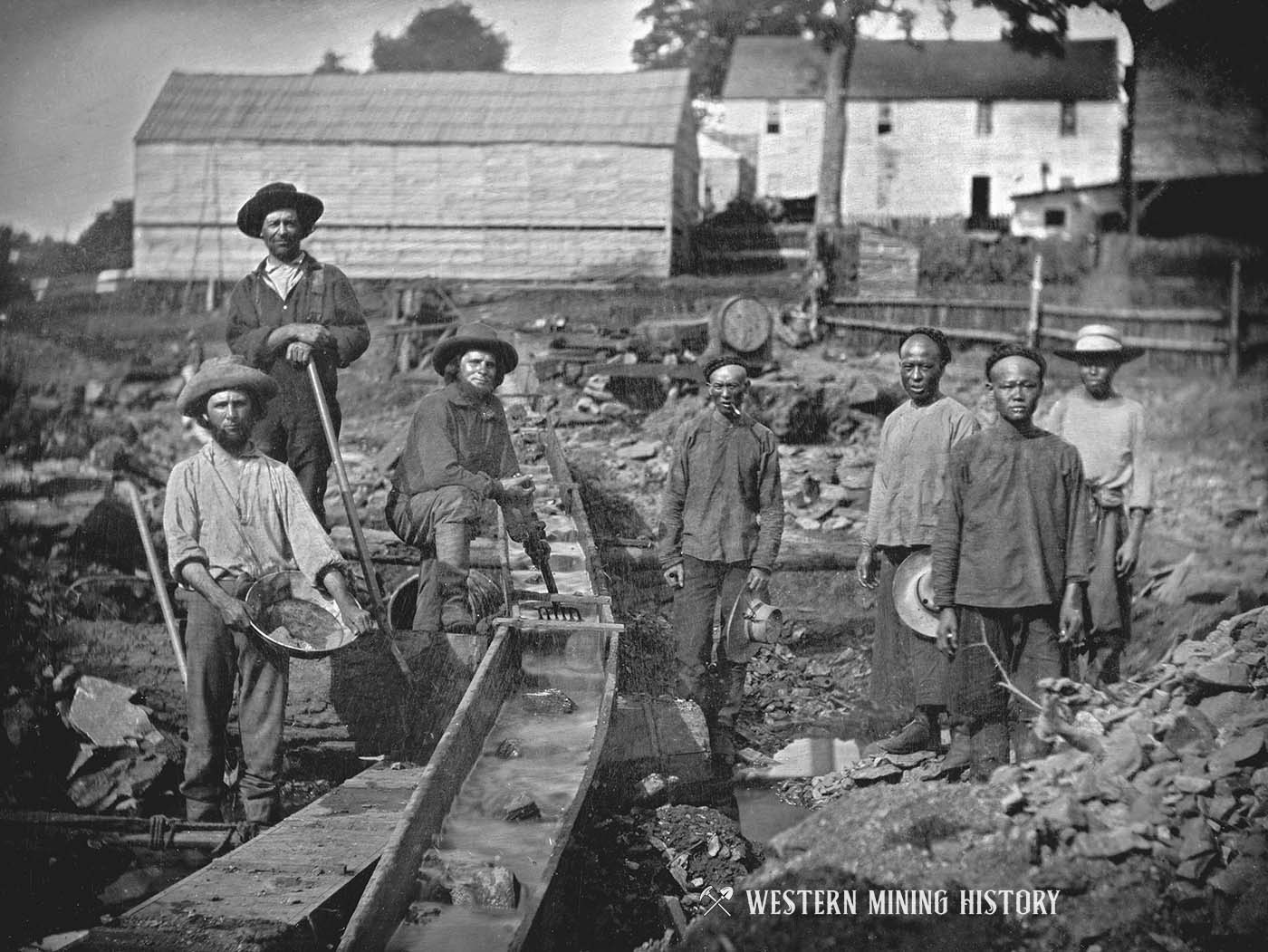
Thousands of individuals from across the United States and indeed, from around the world, embarked on arduous journeys to reach the goldfields. They came by sea, sailing around the tip of South America or taking ships to the Isthmus of Panama, crossing it by land, and then boarding another ship to San Francisco. Others opted for the overland trails, braving treacherous mountain passes, vast deserts, and the constant threat of disease and starvation. These were not just adventurers; they were farmers, laborers, merchants, and dreamers, all united by the potent dream of striking it rich.
The Impact on San Francisco and Beyond
The transformation of San Francisco from a small, sleepy port town into a bustling, chaotic metropolis was almost instantaneous. Suddenly, the city was overwhelmed with eager prospectors, supplying them with provisions, tools, and lodging. Businesses boomed, fortunes were made and lost, and the city’s population swelled astronomically. Similar transformations occurred in other settlements along the rivers and in the foothills of the Sierra Nevada mountains. Towns like Sacramento, Stockton, and Nevada City sprang into existence, fueled by the relentless pursuit of gold.
The Legacy of Gold: Shaping a State and a Nation
The California Gold Rush, which began in 1848, was more than just a period of intense gold extraction. It was a crucible that forged the identity of California and left an indelible mark on the United States.
Economic and Demographic Revolution
The influx of people and capital dramatically accelerated the development of California. The gold mined fueled economic growth, not only within the state but also across the nation. It helped finance the expansion of the United States westward and played a role in the country’s industrialization. The demographic shifts were equally profound. The 1848 discovery drew people from diverse backgrounds, contributing to California’s multicultural character and laying the groundwork for its future as a melting pot of peoples and cultures.
Environmental and Social Consequences
However, the rush for gold came at a significant cost. The intensive mining practices, including hydraulic mining, caused widespread environmental degradation, altering river systems and destroying landscapes. The social fabric was also strained. While many found fortune, the vast majority did not, leading to hardship and disappointment. The period also saw a surge in discrimination and violence against indigenous peoples and immigrant communities, particularly the Chinese, who faced immense prejudice.

Enduring Attractions and Historical Sites
Today, the echoes of the California Gold Rush can still be experienced. Historic mining towns like Columbia State Historic Park, Placerville, and Mariposa offer glimpses into the past, with preserved buildings, museums, and reenactments. Sutter’s Fort State Historic Park in Sacramento stands as a tangible reminder of the initial land grants and enterprises that predated the gold fever. The California State Railroad Museum also chronicles the critical role the railroad played in connecting the goldfields to the rest of the nation. The story of the California Gold Rush, which began in 1848, continues to captivate imaginations, drawing visitors who seek to understand the ambition, hardship, and transformative power of one of history’s most famous gold rushes.
LifeOutOfTheBox is a participant in the Amazon Services LLC Associates Program, an affiliate advertising program designed to provide a means for sites to earn advertising fees by advertising and linking to Amazon.com. Amazon, the Amazon logo, AmazonSupply, and the AmazonSupply logo are trademarks of Amazon.com, Inc. or its affiliates. As an Amazon Associate we earn affiliate commissions from qualifying purchases.