
For many, the dream of the California lifestyle conjures images of sun-drenched beaches, scenic drives along the coast, and a vibrant culture. For car enthusiasts, particularly those with a fondness for vintage automobiles, this dream often comes with a crucial question: “What year is my classic car exempt from smog checks in California?” This seemingly technical inquiry delves deep into the nuances of vehicle ownership within the state, impacting everything from daily commutes to weekend road trips and the very essence of automotive passion. California’s pioneering efforts in environmental protection have shaped a unique automotive landscape, creating specific considerations for residents and those considering a move to the Golden State. Understanding these regulations is not just about compliance; it’s about making informed lifestyle choices that balance personal freedom with collective environmental responsibility.
Understanding California’s Smog Check Program: A Lifestyle Imperative
California has long been at the forefront of environmental legislation, driven by its unique geography and population density, which historically led to significant air quality challenges. The state’s smog check program is a cornerstone of its efforts to mitigate vehicle emissions and ensure cleaner air for its residents. For anyone living or planning to live in California, especially those considering vehicle ownership, grasping the intricacies of this program is not just a matter of legal adherence but a fundamental aspect of navigating the local lifestyle.
The Environmental Rationale Behind Stringent Regulations
The origin of California’s strict emissions standards can be traced back to the 1960s, when metropolitan areas like Los Angeles were frequently shrouded in dense, eye-stinging smog. This hazardous air pollution, primarily caused by vehicle exhaust and industrial emissions interacting with sunlight, prompted the state to take aggressive action. The California Air Resources Board (CARB) was established in 1967, becoming the leading agency for developing and implementing air pollution control measures. The smog check program, overseen by the Bureau of Automotive Repair (BAR), is designed to identify vehicles emitting excessive pollutants, ensuring they are repaired to meet state standards. This commitment to air quality has become an integral part of the California identity, influencing everything from urban planning to public health initiatives and, crucially, vehicle regulations. For residents, it means prioritizing cleaner air as a shared societal value, which in turn impacts their choices regarding vehicle types, maintenance, and even driving habits.
How Smog Checks Impact Vehicle Ownership in the Golden State
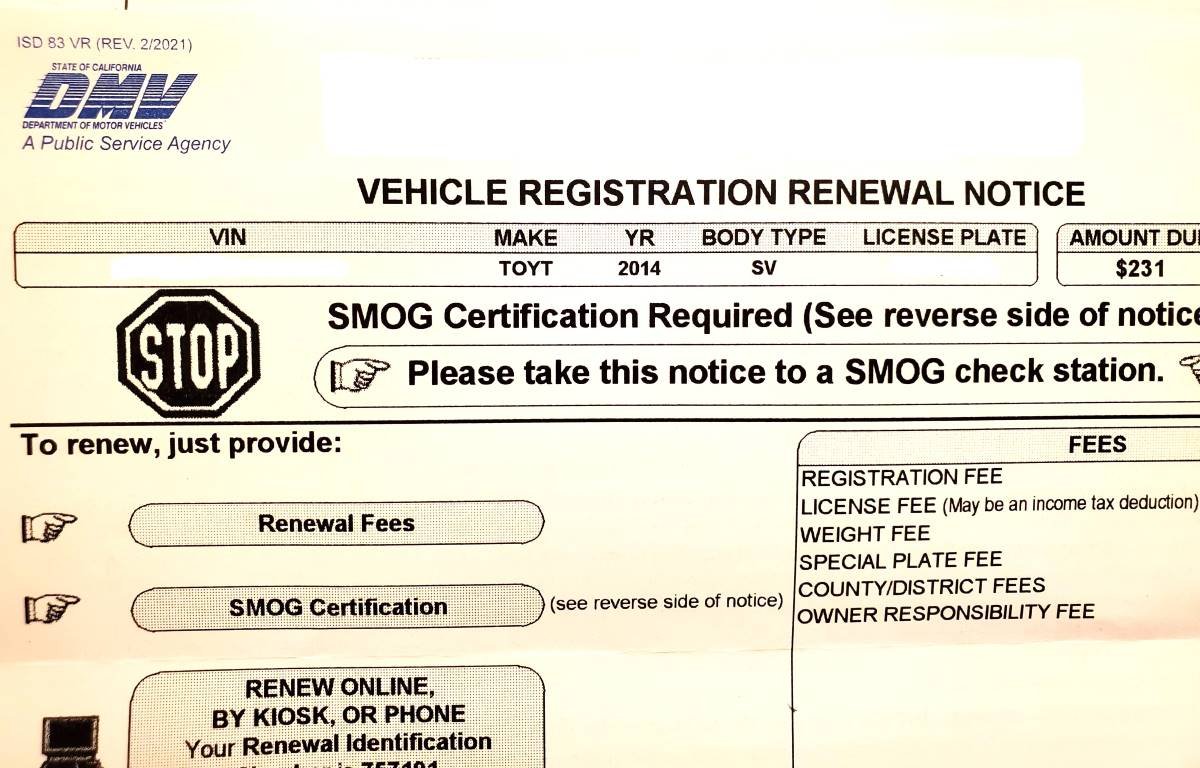
For the vast majority of California drivers, a smog check is a routine, albeit sometimes inconvenient, part of vehicle ownership. It’s generally required every two years for most vehicles, upon changing ownership, or when registering a vehicle that has been brought into the state. This regular testing ensures that vehicles continue to operate as cleanly as possible throughout their lifespan. The impact on lifestyle is significant: residents must budget for potential repair costs, find certified smog check stations, and plan their vehicle registration renewals around this requirement. For those considering purchasing a used vehicle, a valid smog certificate is often a prerequisite for a smooth transfer of ownership. Furthermore, the existence of these regulations steers consumers towards newer, more fuel-efficient, and lower-emission vehicles, which aligns with a broader eco-conscious lifestyle prevalent in many parts of California. Understanding these impacts is crucial for anyone embracing the California way of life, where environmental responsibility is often intertwined with personal decisions.
The Definitive Smog Exemption Year: Navigating the Regulations
The central question for many classic car enthusiasts and those considering older vehicles in California revolves around the specific exemption year. This date determines whether a vehicle needs to undergo the mandatory emissions inspection, a factor that can significantly influence purchasing decisions and the overall cost of maintaining a vintage automobile.
Unpacking the 1975 Model Year Cut-off
The definitive answer to “What year is smog exempt in California?” is 1975 and older. This means that any gasoline-powered vehicle with a model year of 1975 or earlier is exempt from the biennial smog check requirements. This exemption is a significant provision for collectors and enthusiasts who cherish classic cars, allowing them to register and drive these historical vehicles without the burden of meeting modern emissions standards. The rationale behind this cut-off is largely practical; older vehicles were manufactured before stringent emissions controls were widely implemented, and retrofitting them to meet contemporary standards would be prohibitively expensive and, in many cases, technologically challenging without altering their original character. This exemption acknowledges the cultural and historical value of preserving these automotive artifacts. For those living a lifestyle centered around classic car restoration, shows, and cruises, this exemption is a cornerstone, enabling them to pursue their passion within California’s regulatory framework.
The Evolution of California’s Exemption Policies
The 1975 model year cut-off wasn’t always static. Initially, California’s smog exemption policy followed a rolling 30-year rule, meaning that vehicles 30 years or older were exempt. This allowed a continuous stream of vehicles to become exempt as they aged. However, in 1997, the state legislature passed a bill that froze the exemption year at 1975. This change was primarily driven by ongoing concerns about air quality and the realization that even older vehicles, when accumulated in large numbers, could contribute significantly to air pollution. The decision to fix the exemption at 1975 was a compromise, aimed at protecting air quality while still providing a clear pathway for the preservation of truly vintage automobiles. This historical context is vital for understanding the current landscape and highlights California’s continuous balancing act between environmental protection and accommodating various lifestyle interests, including those of the classic car community. This policy shift impacted the lifestyle choices of many, requiring adjustments for those who had anticipated their 1976 or later models eventually rolling into exemption.
The Classic Car Lifestyle: Exemptions and Enthusiast Culture
For many, owning a classic car is more than just transportation; it’s a lifestyle, a hobby, and a connection to automotive history. In California, the smog exemption for vehicles model year 1975 and older plays a pivotal role in enabling this vibrant culture to thrive.
Preserving Automotive Heritage Without Compromising Air Quality
The 1975 exemption provides a legal and practical framework for classic car enthusiasts to preserve, restore, and showcase vehicles that embody significant periods in automotive design and engineering. Imagine cruising down Highway 1 in a vintage Ford Mustang or a classic Chevrolet Corvette, feeling the wind and hearing the rumble of a bygone era. This experience is integral to the classic car lifestyle, and the exemption removes a major barrier that might otherwise make such ownership impractical in California. By drawing a clear line at 1975, the state attempts to balance the celebration of automotive heritage with its unwavering commitment to clean air. It acknowledges that the contribution of these truly antique vehicles to overall air pollution is negligible compared to the sheer volume of modern cars. This balance allows the classic car community to flourish, supporting local businesses involved in restoration, parts, and events, and enriching the cultural fabric of areas like Sacramento and San Francisco with their car shows and gatherings.
Beyond the Exemption: Other Considerations for Classic Car Owners
While the smog exemption is a significant relief, the classic car lifestyle in California still comes with its own set of considerations. Insurance for vintage vehicles, for instance, often requires specialized policies that recognize their unique value and usage patterns. Maintenance can be a labor of love, requiring sourcing rare parts and working with mechanics skilled in older technologies. Participation in classic car clubs and events is another facet of this lifestyle, providing opportunities for camaraderie, shared knowledge, and showcasing prized possessions. Furthermore, even exempt vehicles must adhere to other safety and registration requirements. For example, a classic car still needs to be in a roadworthy condition, with functional lights, brakes, and tires. Understanding these broader implications is crucial for anyone committed to the classic car lifestyle, ensuring that the joy of ownership is matched by responsible stewardship. The exemption facilitates this lifestyle, but it doesn’t remove the need for due diligence and passion.
Beyond Exemptions: What Every California Driver Needs to Know
While the 1975 model year exemption is a key piece of information, it only applies to a fraction of vehicles on California roads. For the vast majority of residents, understanding the full scope of the smog check program is essential for maintaining a hassle-free driving lifestyle.
Vehicles That Still Require Smog Checks
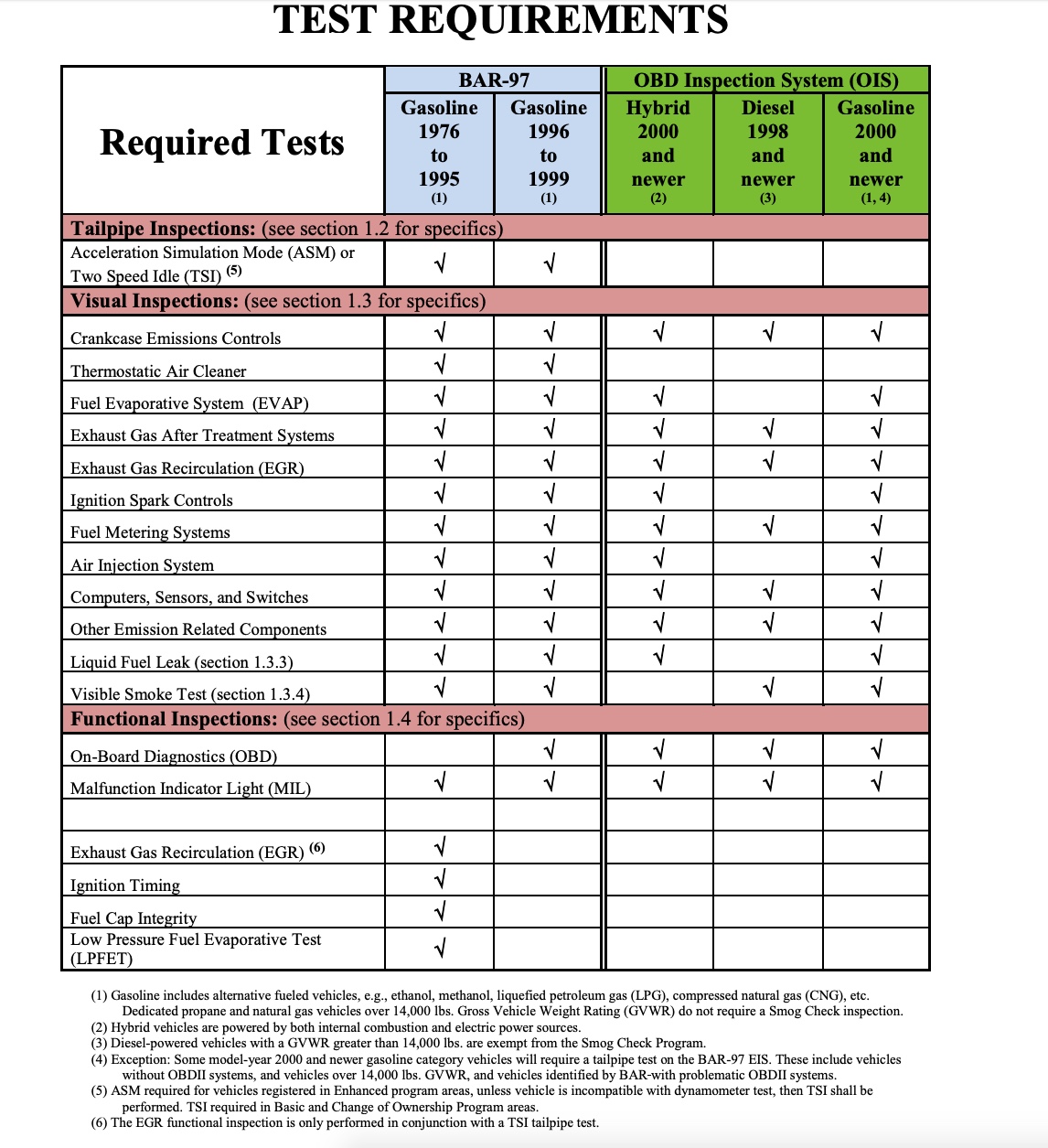
Most gasoline-powered vehicles from 1976 model year and newer are subject to smog checks in California. There are a few specific exceptions:
- Newer Vehicles: Vehicles 8 model years and newer are typically exempt from biennial smog checks, though they still require a smog check upon initial registration in California if coming from out of state, or upon change of ownership.
- Diesel Vehicles: Diesel vehicles 1998 model year and newer, with a gross vehicle weight rating of 14,000 pounds and less, also require smog checks.
- Electric Vehicles and Motorcycles: These are entirely exempt from smog checks due to their zero tailpipe emissions.
- Natural Gas Vehicles: Vehicles powered by natural gas with a gross vehicle weight rating of more than 14,000 pounds are also exempt.
These distinctions highlight California’s nuanced approach to emissions control, targeting the largest contributors to pollution while encouraging cleaner alternatives. For a California resident, understanding these categories impacts purchasing decisions and long-term vehicle ownership strategies, integrating into their sustainable lifestyle choices.
Navigating the Smog Check Process for Non-Exempt Vehicles
For those whose vehicles require a smog check, the process is straightforward but requires attention. Owners must take their vehicle to a state-licensed smog check station. These stations are equipped to perform the required tests, which vary depending on the vehicle’s model year and technology. For older vehicles (generally 1999 and older), a “tailpipe test” is conducted to measure actual exhaust emissions. For newer vehicles (2000 and newer), the test primarily involves an “On-Board Diagnostic” (OBDII) system check, which reads the vehicle’s computer for emissions-related fault codes. If a vehicle fails the smog check, the owner must have the necessary repairs performed by a licensed repair facility and then undergo a re-test. Financial assistance programs are available through the Bureau of Automotive Repair for eligible low-income individuals whose vehicles fail the smog check and require expensive repairs, underscoring the state’s effort to make environmental compliance accessible to all segments of its population. This process, while a requirement, is seamlessly integrated into the annual rhythm of vehicle maintenance for most California households.
The Future of Emissions Testing in California and its Impact on Lifestyle Choices
California’s environmental policies are continuously evolving, and the future of emissions testing is no exception. With the state’s ambitious goals for transitioning to zero-emission vehicles, particularly electric vehicles (EVs), the landscape of vehicle ownership is rapidly changing. There’s an increasing emphasis on incentives for EV adoption and a gradual phasing out of gasoline-powered vehicle sales. While the 1975 exemption for classic cars is likely to remain stable due to their limited number and cultural significance, the regulations for newer internal combustion engine (ICE) vehicles may see further refinement. This shift profoundly impacts lifestyle choices for California residents, encouraging them to consider EVs for their next purchase, altering commuting patterns, and influencing the development of charging infrastructure across cities like Santa Monica and beyond. The future points towards a greener automotive lifestyle, where the norm will increasingly be silent, emission-free commutes rather than regular trips to the smog station.
Embracing the California Lifestyle: Making Informed Automotive Choices
Navigating the complexities of vehicle regulations in California is an integral part of embracing the state’s unique lifestyle. Whether you’re a classic car aficionado or a daily commuter, making informed choices about your vehicle reflects a commitment to both personal enjoyment and collective environmental stewardship.
Balancing Passion with Environmental Responsibility
The classic car exemption at the 1975 model year is a testament to California’s attempt to balance the preservation of automotive history with its environmental goals. For those who enjoy the rumble of a vintage engine, it provides the freedom to pursue that passion responsibly. However, even with an exemption, classic car owners often demonstrate a strong sense of environmental awareness, participating in events that promote clean air initiatives or maintaining their vehicles meticulously to minimize their footprint. For the broader public, choosing a vehicle in California means considering fuel efficiency, emissions ratings, and increasingly, the benefits of electric or hybrid alternatives. This conscious decision-making process is a hallmark of the modern California lifestyle, where personal choices often align with broader societal values of sustainability and environmental health.

Resources and Support for Vehicle Owners
The California Department of Motor Vehicles (DMV), the Bureau of Automotive Repair, and the California Air Resources Board all provide extensive resources to help vehicle owners understand and comply with smog check requirements. Their websites offer detailed information on exemptions, testing procedures, repair assistance programs, and lists of certified stations. Engaging with these resources is crucial for a smooth and compliant vehicle ownership experience. Additionally, various automotive clubs and online forums serve as invaluable communities for enthusiasts to share knowledge, especially regarding classic cars and navigating specific regulations. These support systems underscore the idea that while California’s regulations are strict, the state also provides ample guidance and assistance to help its residents maintain a vehicle-centric lifestyle while contributing to a cleaner, healthier environment for everyone. Ultimately, understanding when your vehicle is smog exempt in California is just one piece of the puzzle in living a fulfilling and responsible life in this dynamic state.
LifeOutOfTheBox is a participant in the Amazon Services LLC Associates Program, an affiliate advertising program designed to provide a means for sites to earn advertising fees by advertising and linking to Amazon.com. Amazon, the Amazon logo, AmazonSupply, and the AmazonSupply logo are trademarks of Amazon.com, Inc. or its affiliates. As an Amazon Associate we earn affiliate commissions from qualifying purchases.