
Understanding Chicago’s Climate for the Urban Gardener
For those considering a move to Chicago, or current residents looking to cultivate a thriving garden, understanding the local climate and its impact on plant life is a fundamental aspect of embracing a green lifestyle in the city. Gardening in Chicago is more than just a hobby; it’s a commitment to enhancing personal spaces, contributing to community vitality, and engaging with the natural world amidst an urban backdrop. The initial question every aspiring gardener in the Windy City faces is: “What plant hardiness zone is Chicago?”
The USDA Plant Hardiness Zone Demystified
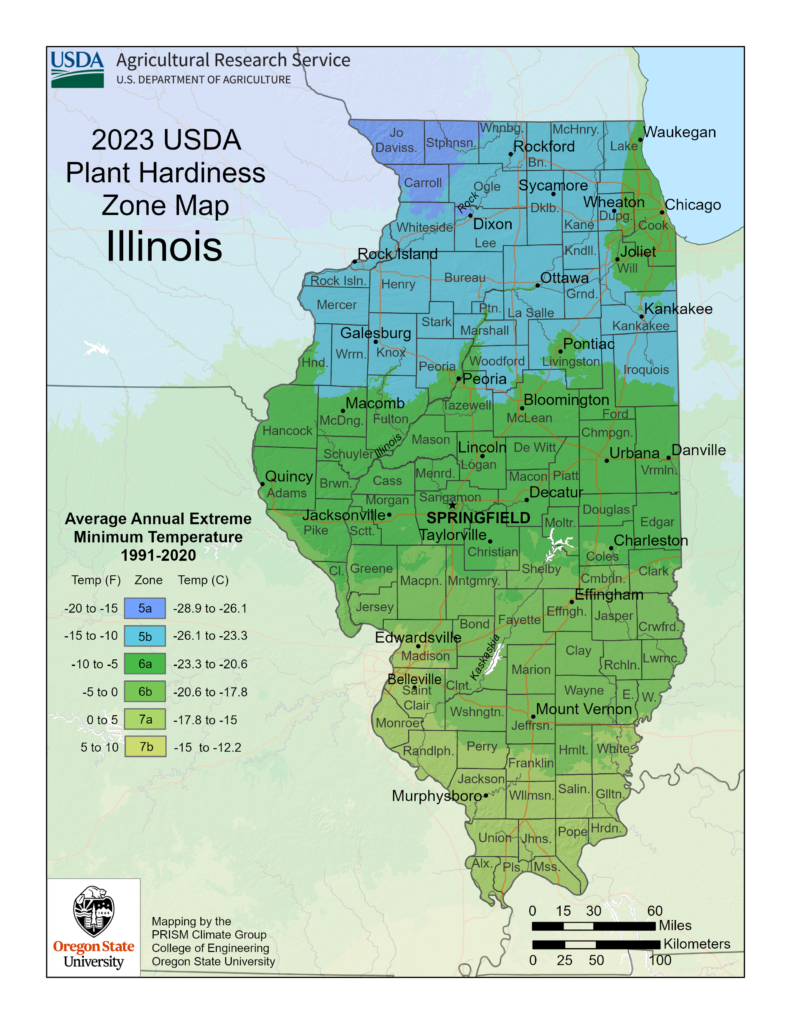
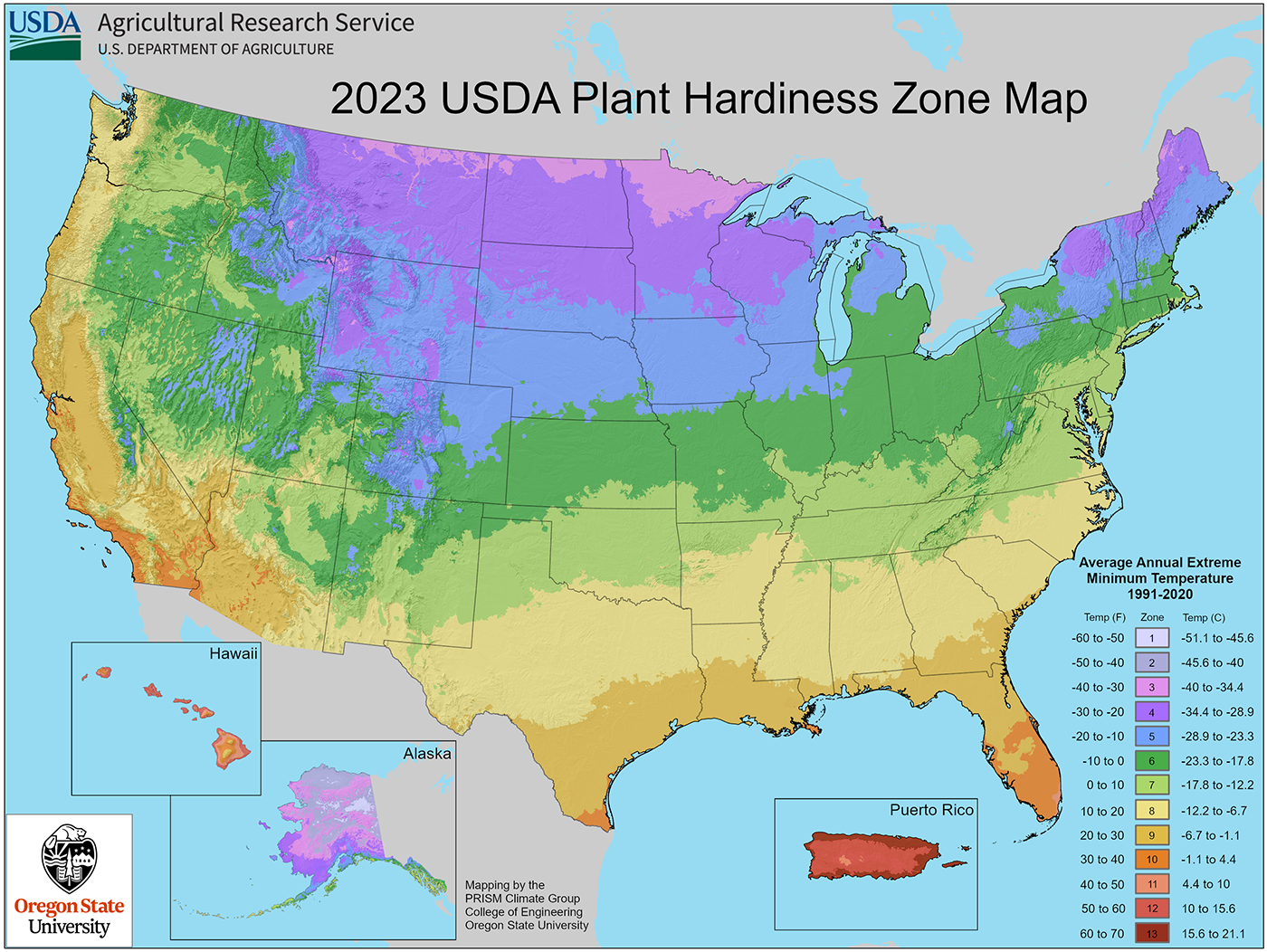
Chicago, and indeed much of the surrounding metropolitan area, falls predominantly within the USDA Plant Hardiness Zone 5b. This classification is based on the average annual extreme minimum winter temperature. For Zone 5b, this range is typically between -15°F and -10°F (-26.1°C to -23.3°C). Understanding this zone is crucial because it dictates which perennial plants, trees, and shrubs are likely to survive the winter in a given location. Plants rated for Zone 5b or colder are generally considered “hardy” enough to endure Chicago’s often harsh winter conditions.
The USDA Plant Hardiness Zone map is a vital tool for gardeners. It was updated in 2023, reflecting more recent climate data and offering a more precise guide. While Chicago has consistently been in Zone 5b, some areas immediately bordering Lake Michigan, particularly closer to the city’s core, might experience slightly warmer microclimates due to the lake’s moderating effect, potentially nudging them towards Zone 6a in some very localized spots. However, for practical purposes, Zone 5b remains the standard for most of the city and its immediate suburbs. This zone indicates that while winters are cold, many temperate plants can thrive, provided they are chosen wisely.
Microclimates Within the Windy City
While Zone 5b is the general classification, Chicago’s urban environment creates various microclimates that can subtly influence gardening success. The presence of large buildings, concrete, and asphalt in downtown areas and dense neighborhoods absorbs and radiates heat, creating “urban heat islands.” These areas can be a few degrees warmer than surrounding suburban or rural areas, potentially extending the growing season slightly or allowing some borderline Zone 6 plants to survive.
Conversely, open, exposed areas, especially those susceptible to the full force of winter winds coming off Lake Michigan, can experience colder conditions, making them feel more like Zone 5a. Factors such as proximity to large bodies of water, elevation changes (though minimal in Chicago), sun exposure, and even the shelter provided by fences or walls can all contribute to these localized variations. A savvy Chicago gardener understands their specific site’s conditions, observing sun patterns, wind exposure, and drainage to make the most informed planting decisions, tailoring their plant choices to truly fit their immediate surroundings rather than relying solely on the broader zone classification. This localized understanding is key to a successful and sustainable gardening lifestyle.
Cultivating Green Lifestyles: What Thrives in Chicago’s Zone
Embracing gardening in Chicago means understanding which plants are best suited to the Zone 5b climate. This knowledge is essential for creating beautiful, resilient gardens that not only survive but flourish, becoming integral to the city’s vibrant green spaces and personal well-being. The selection of appropriate flora defines the aesthetic and productivity of a Chicago lifestyle rooted in nature.
Perennials and Annuals for Chicago Gardens
For lasting beauty, perennial plants are a cornerstone of any Zone 5b garden. These plants return year after year, offering a reliable display of color and form. Excellent choices for Chicago include hostas, daylilies, coneflowers (Echinacea), peonies, catmint (Nepeta), sedum, and various ornamental grasses. Many varieties of salvia, bee balm (Monarda), and astilbe also perform well, attracting pollinators and adding dynamic texture to garden beds. When selecting perennials, always check their specific hardiness rating to ensure they can withstand the typical Chicago winter.
Annuals, while requiring replanting each spring, provide instant and continuous color throughout the growing season. They are perfect for filling gaps, adding seasonal flair, and experimenting with different color schemes. Popular annuals that thrive in Chicago’s summer heat include petunias, marigolds, impatiens (for shade), snapdragons, zinnias, and coleus. These plants can transform balconies, window boxes, and patio containers into bursts of vibrant life, reflecting a lively urban gardening lifestyle.
Edible Gardens: From Balconies to Backyards
Growing your own food is a deeply rewarding aspect of a sustainable lifestyle, and Chicago’s Zone 5b is conducive to a wide variety of vegetables, fruits, and herbs. The relatively long growing season, typically from late May through early October, allows for a bountiful harvest.
Popular vegetables that flourish in Chicago include tomatoes, peppers, beans, peas, lettuce, spinach, kale, Swiss chard, radishes, carrots, and potatoes. Cool-season crops like lettuce and spinach can often be planted early in spring and again in late summer for a second harvest. For fruits, strawberries, raspberries, and blueberries are excellent choices, often producing for several years. Many herb varieties, such as basil, mint, parsley, cilantro, and chives, are also very successful and can be grown in containers, making them accessible even for those with limited space. Urban farms and community gardens across Chicago demonstrate the incredible potential for food production within the city limits.
Trees and Shrubs: Long-Term Green Investments
Trees and shrubs form the backbone of any lasting landscape, providing structure, shade, wildlife habitat, and year-round interest. For Zone 5b, a plethora of options are available. Deciduous trees like several maple varieties (Sugar Maple, Red Maple), oaks, elms (disease-resistant varieties), linden, and honey locust are robust choices. Flowering trees such as crabapple, serviceberry, and redbud also thrive, adding spectacular spring blooms.
Evergreen trees like various pines, spruces, and firs provide winter interest and privacy. For shrubs, consider hydrangeas, lilacs, dogwoods, forsythia, potentilla, and spiraea, all of which are well-adapted to Chicago’s climate and offer diverse textures and seasonal displays. Investing in appropriate trees and shrubs not only enhances personal property but also contributes to the urban canopy, improving air quality and biodiversity—a truly impactful aspect of a conscientious lifestyle in Chicago.
Beyond the Backyard: Chicago’s Community Gardening Culture
Gardening in Chicago extends far beyond individual plots; it is a vibrant community endeavor that enriches the urban lifestyle, fostering connections, promoting sustainability, and transforming neglected spaces into verdant havens. The city’s Zone 5b classification enables a wide array of plants to thrive, supporting an active and engaged gardening population.
Urban Farms and Educational Initiatives
Chicago boasts a thriving network of urban farms and community gardens, showcasing the city’s commitment to local food systems and green living. Organizations like Growing Power, while facing transitions, have historically inspired many urban agricultural projects. Newer initiatives and established non-profits continue this work. For instance, the Peterson Garden Project manages several community gardens across the city, providing plots, resources, and education to residents eager to grow their own food. These spaces are not just about food production; they are social hubs, bringing neighbors together, teaching valuable skills, and promoting healthier eating habits.
Educational institutions and botanical gardens also play a crucial role. The Chicago Botanic Garden, though technically just outside the city in Glencoe, offers invaluable resources, workshops, and inspiration for Zone 5b gardening. Within the city, various park district programs and local community centers provide classes on everything from composting to urban beekeeping, further cementing gardening as an accessible and enriching lifestyle choice for all Chicagoans.
Engaging with Local Green Spaces
Chicago’s extensive park system provides countless opportunities for residents to engage with green spaces, even if they don’t have their own garden plot. Beyond the iconic Millennium Park and Lincoln Park, numerous neighborhood parks feature beautifully maintained floral displays, pollinator gardens, and even designated areas for community planting. Volunteering in these public spaces is a common way for Chicagoans to contribute to the city’s beauty and connect with fellow garden enthusiasts.
The concept of “guerrilla gardening” also sees residents planting flowers and edibles in neglected public areas, transforming concrete corners into pockets of green. This grassroots movement highlights the desire among many Chicagoans to actively participate in greening their urban environment, regardless of official mandates. These collective efforts underscore how gardening, whether in a personal plot or a communal space, forms a vital part of Chicago’s lifestyle, reflecting a shared appreciation for nature and community well-being in a bustling metropolis.
Seasonal Strategies for Chicago Gardeners
Successfully navigating the Zone 5b climate of Chicago requires a strategic approach to gardening throughout the year. Each season presents unique challenges and opportunities, and understanding how to adapt practices ensures a thriving garden that enhances the urban lifestyle, from early spring blooms to resilient winter structures.
Spring’s Promise: Preparing and Planting
Spring in Chicago is a season of eager anticipation, but also of caution. While temperatures begin to rise in April, the threat of late frosts, often extending into mid-May, means careful timing for planting. The average last frost date is typically around May 15th, making this a crucial benchmark. Gardeners usually start seeds indoors in late winter or early spring for warm-season crops like tomatoes and peppers. Once the soil has warmed and the danger of frost has passed, usually after Mother’s Day, outdoor planting can commence in earnest.
This period is ideal for planting cool-season vegetables like lettuce, spinach, radishes, and peas. Perennials can be divided and transplanted, and new trees and shrubs can be established. Soil amendment is also critical in spring; enriching the soil with compost and organic matter improves drainage and fertility, setting the stage for a productive growing season. Preparing garden beds, cleaning up winter debris, and planning the layout are integral parts of the spring gardening ritual, embodying the renewal aspect of a Chicago lifestyle.
Summer’s Bounty: Care and Harvest
Chicago summers can be hot and humid, with periods of drought interspersed with heavy rainfalls. This requires consistent attention to watering, especially for newly planted specimens and container gardens. Deep and infrequent watering is generally more effective than shallow, frequent watering, encouraging deeper root growth. Mulching is invaluable during summer, helping to retain soil moisture, regulate soil temperature, and suppress weeds.
As plants mature, regular harvesting is key for vegetables and fruits, encouraging further production. For flowering plants, deadheading spent blooms promotes continuous flowering. Pest and disease management also become more prominent in summer. Regular scouting for issues and employing organic pest control methods helps maintain plant health without resorting to harsh chemicals. Enjoying the fruits (and vegetables, and flowers) of labor during the abundant summer months is a rewarding core of the gardening lifestyle in Chicago.
Autumn’s Transition: Winterizing Your Garden
As temperatures begin to drop in late September and October, Chicago gardeners transition to preparing their plots for winter. This involves harvesting the last of the warm-season crops and planting cool-season vegetables for a final fall yield. Perennials benefit from a layer of mulch after a few hard frosts, which helps insulate their roots and prevents soil heaving. Tender perennials that aren’t hardy in Zone 5b can be brought indoors or overwintered as dormant bulbs.
Autumn is also an excellent time to plant spring-flowering bulbs like tulips, daffodils, and crocuses, ensuring a burst of color when spring arrives. Cleaning up garden beds, removing diseased plant material, and raking leaves (which can be composted) are important tasks to prevent overwintering pests and diseases. This preparatory phase is crucial for ensuring the garden’s health and vigor for the following year, reflecting a forward-thinking and resilient gardening lifestyle.
Winter’s Rest: Planning for Next Season
While winter brings dormancy to the Chicago garden, it’s far from a period of inactivity for the dedicated gardener. The cold months are ideal for reflection, learning, and planning. Seed catalogs provide inspiration, and gardening books offer new techniques and plant ideas. This is the perfect time to review last season’s successes and failures, sketch out new garden designs, and plan crop rotations.
For those with indoor growing spaces, winter can be an opportunity to grow microgreens or nurture houseplants. For outdoor spaces, observing the winter structure of trees and shrubs, and noting areas that might benefit from evergreen additions, can be valuable. Winter in Chicago isn’t just about enduring the cold; it’s about strategizing for the vibrant growth that will inevitably return, making it an integral part of the year-round gardening lifestyle.
LifeOutOfTheBox is a participant in the Amazon Services LLC Associates Program, an affiliate advertising program designed to provide a means for sites to earn advertising fees by advertising and linking to Amazon.com. Amazon, the Amazon logo, AmazonSupply, and the AmazonSupply logo are trademarks of Amazon.com, Inc. or its affiliates. As an Amazon Associate we earn affiliate commissions from qualifying purchases.