
Florida, often lauded as the Sunshine State, beckons with its vibrant lifestyle, from pristine beaches to bustling urban centers. For those considering a long-term stay, relocation, or simply a deeper appreciation of the local environment, understanding the state’s plant hardiness zones is fundamental. This knowledge isn’t just for avid gardeners; it’s a key component of truly integrating into the Florida lifestyle, influencing everything from landscape aesthetics to local food sources and recreational activities. Knowing what thrives here allows for a more fulfilling engagement with the natural beauty and unique character of life in Florida.
Decoding Florida’s Diverse Climate: A Plant Hardiness Zone Overview
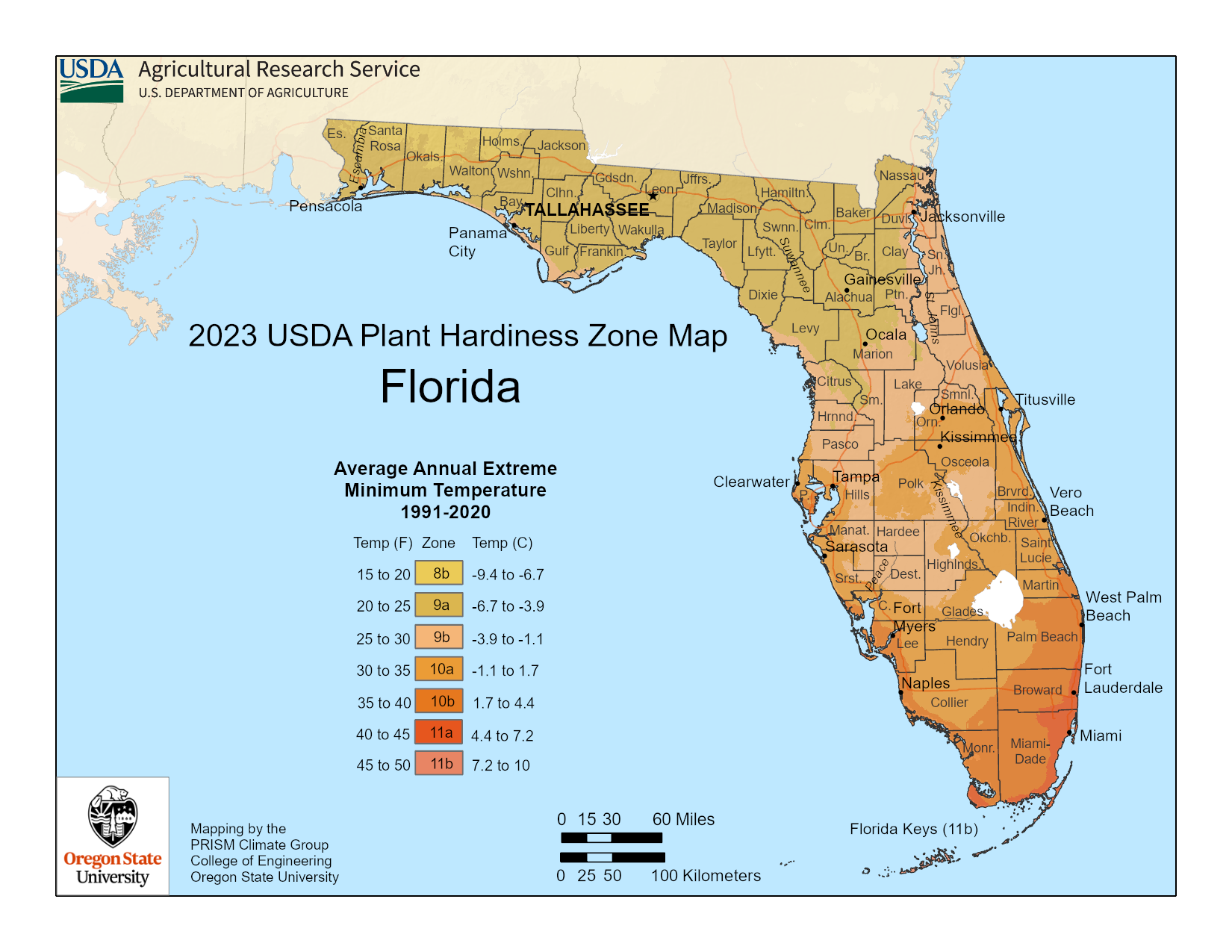
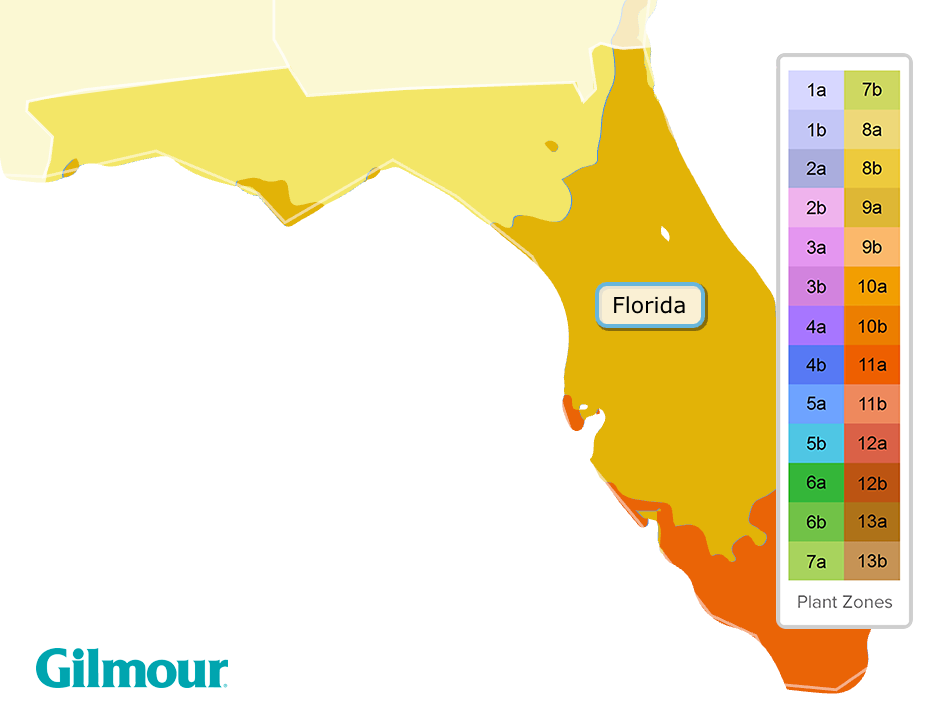
The United States Department of Agriculture (USDA Plant Hardiness Zone Map) is the standard for determining which plants are most likely to thrive at a location. This map is based on the average annual extreme minimum winter temperature, divided into 13 zones, each representing a 10°F range. Each zone is further divided into ‘a’ and ‘b’ subzones, representing a 5°F difference. Florida is unique in its broad range of zones, largely due to its peninsula shape extending into diverse climatic regions.
From Subtropical North to Tropical South
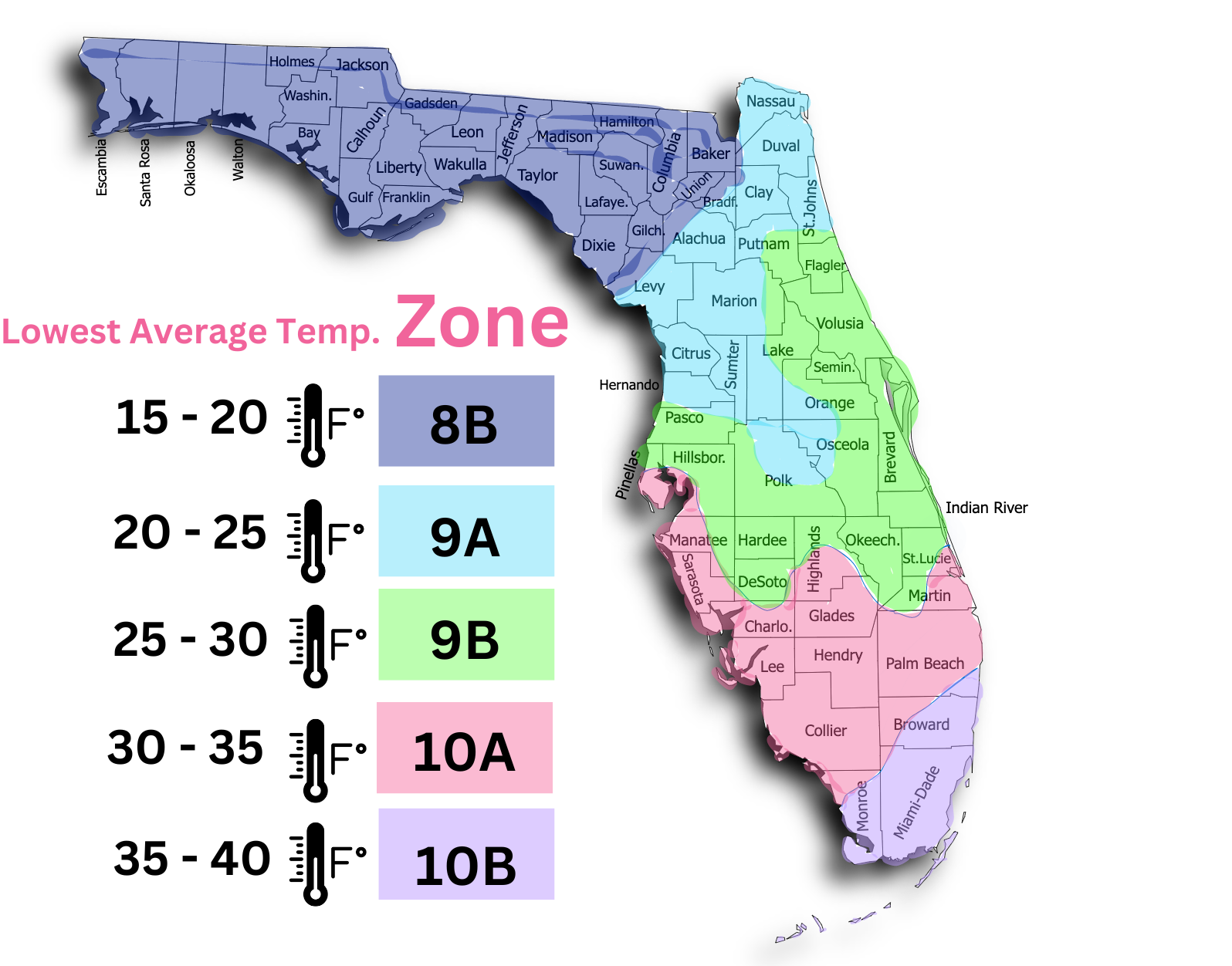
Florida’s planting zones span from Zone 8b in the cooler panhandle to Zone 11b in the almost entirely tropical Florida Keys. This wide spectrum means that what flourishes in Miami will likely struggle in Jacksonville, and vice versa. Understanding these nuances is crucial for cultivating a successful garden or simply appreciating the distinct natural flora that defines each region’s lifestyle.
- North Florida (Zones 8b-9a): This region, encompassing cities like Jacksonville, Tallahassee, and Gainesville, experiences cooler winters with occasional frosts. Here, the climate is more subtropical, allowing for many plants common in the southeastern United States to thrive alongside some palms and tropicals that can tolerate light freezes.
- Central Florida (Zones 9b-10a): Stretching from Orlando down through Tampa and St. Petersburg, this area represents a transition. Winters are milder, but cold snaps can still occur. This zone is a sweet spot for many popular Florida plants, balancing the ability to grow a diverse range of tropicals with the resilience to withstand occasional cooler temperatures.
- South Florida (Zones 10b-11a): Including major hubs like Miami, Fort Lauderdale, Naples, Cape Coral, Sarasota, and West Palm Beach, this region is truly tropical. Frosts are rare to non-existent, enabling a vast array of frost-sensitive tropical plants, fruit trees, and vibrant flowering species to flourish year-round.
- Florida Keys (Zones 11a-11b): The southernmost tip, especially Key West, boasts the warmest zones in the continental United States. This creates a unique tropical ecosystem where many plants found in the Caribbean thrive, defining a truly distinct island lifestyle.
Cultivating the Florida Dream: Gardening as a Lifestyle
For many residents and long-term visitors, gardening in Florida is more than a hobby; it’s an integral part of the lifestyle. The ability to cultivate year-round, combined with the exotic palette of available plants, creates a unique aesthetic and connection to nature. Understanding the specific planting zone of one’s location is paramount to success and satisfaction.
Enhancing Home Aesthetics and Outdoor Living
A well-designed garden or landscape dramatically enhances the outdoor living experience, a cornerstone of the Florida lifestyle. Whether it’s creating a private oasis with fragrant jasmine and bougainvillea, establishing a vibrant poolside backdrop with hibiscus and palms, or designing an inviting entryway with colorful annuals and sturdy shrubs, zone-appropriate planting is key. Residents can lean into the tropical vibe of South Florida with massive philodendrons and delicate orchids, or embrace the subtropical charm of North Florida with camellias, azaleas, and oaks. This direct engagement with the environment through gardening shapes the domestic landscape and fosters a sense of place.
The Abundance of Edible Landscapes
One of the most rewarding aspects of Florida gardening for many is the potential for edible landscapes. Depending on the zone, residents can grow a surprising variety of fruits, vegetables, and herbs.
In South Florida and the Keys, the tropical climate supports citrus, mangoes, avocados, papayas, and various exotic fruits like lychees and jackfruit. This allows for a lifestyle rich in fresh, locally sourced produce straight from the backyard, contributing to healthier eating habits and a deeper appreciation for the land.
In Central and North Florida, while some tropical fruits might require protection, a wide range of vegetables (often grown in the “winter” months due to cooler temperatures) and berries flourish. This opportunity to grow one’s own food connects to a sustainable and self-sufficient lifestyle, a valuable pursuit for many choosing to live “life out of the box.”
Beyond the Garden: Florida’s Natural Flora and Lifestyle Experiences
Understanding Florida’s planting zones extends beyond personal gardening; it enriches the overall lifestyle experience within the state. The native flora, shaped by these same climatic conditions, forms the backbone of Florida’s’s unique ecosystems and offers countless opportunities for exploration and appreciation.
Exploring Botanical Wonders
For those who prefer to admire rather than cultivate, Florida is home to world-class botanical gardens that showcase the diverse plant life appropriate for each zone. Places like Fairchild Tropical Botanic Garden in Coral Gables or Naples Botanical Garden meticulously curate collections that thrive in their respective Zone 10b environments. Visiting these sites offers an immersive experience, revealing the possibilities for lush landscapes and the incredible biodiversity that defines the Florida lifestyle. Such explorations become a lifestyle activity, connecting individuals with the profound natural beauty that surrounds them.
Conservation and Eco-Conscious Living
Knowledge of planting zones is also vital for supporting native plant communities and engaging in eco-conscious living. Native plants are adapted to Florida’s’s specific climate and soil conditions, requiring less water, fertilizer, and pesticides, thereby promoting biodiversity and supporting local wildlife. For many, adopting a lifestyle that prioritizes environmental stewardship is paramount. By choosing native or zone-appropriate plants, residents contribute to the ecological health of their communities and ensure the long-term sustainability of Florida’s unique natural heritage. This conscious approach to landscaping reflects a broader lifestyle choice to live in harmony with the environment.
Navigating Florida’s Planting Challenges and Rewards
While Florida’s climate offers incredible growing advantages, it also presents unique challenges. High humidity, sandy soils, and an abundance of pests and diseases require specific strategies. The University of Florida IFAS Extension is an invaluable resource, providing localized advice on everything from soil amendments to pest management, ensuring that both novice and experienced gardeners can successfully cultivate their chosen plants.
Ultimately, understanding what zone Florida is for planting is more than just a horticultural fact; it’s a gateway to embracing a distinct and vibrant lifestyle. It empowers residents to create their own lush retreats, grow their own food, appreciate the state’s natural beauty, and contribute to its ecological well-being. Whether cultivating a tropical paradise in South Florida or a subtropical haven further north, the planting zones dictate the palette, making this knowledge an essential component of living life to its fullest in the Sunshine State.
LifeOutOfTheBox is a participant in the Amazon Services LLC Associates Program, an affiliate advertising program designed to provide a means for sites to earn advertising fees by advertising and linking to Amazon.com. Amazon, the Amazon logo, AmazonSupply, and the AmazonSupply logo are trademarks of Amazon.com, Inc. or its affiliates. As an Amazon Associate we earn affiliate commissions from qualifying purchases.