
Embarking on a journey through the majestic landscapes of Colorado often involves navigating its two largest urban centers: Denver and Colorado Springs. For travelers planning an itinerary that encompasses both the bustling metropolitan energy of the Mile-High City and the breathtaking natural beauty at the foot of Pikes Peak, a crucial initial query is the distance between these two prominent destinations. Understanding this proximity is key to efficient travel planning, whether you’re considering a day trip, a weekend getaway, or an extended exploration of the Front Range.
The Geographic Proximity: A Quick Overview
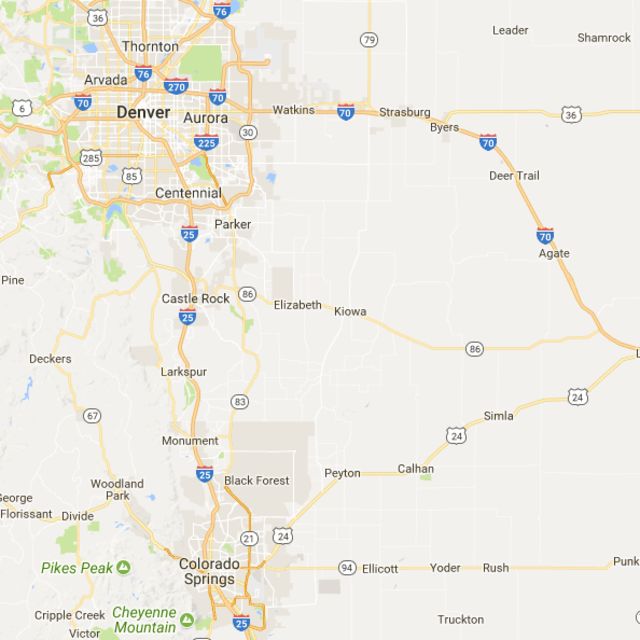
The relationship between Denver and Colorado Springs is one of convenient accessibility, making them ideal partners for a comprehensive Colorado travel experience. Located roughly south of Denver along the Interstate 25 corridor, Colorado Springs is a destination that’s easily integrated into any Denver-centric travel plan, and vice-versa.
Straight-Line Distance vs. Driving Distance
When considering “how far,” it’s important to distinguish between the straight-line (as the crow flies) distance and the actual driving distance. The straight-line distance between the heart of Denver and the center of Colorado Springs is approximately 60 miles (97 kilometers). However, human travel, especially by road, rarely follows a perfectly straight path.
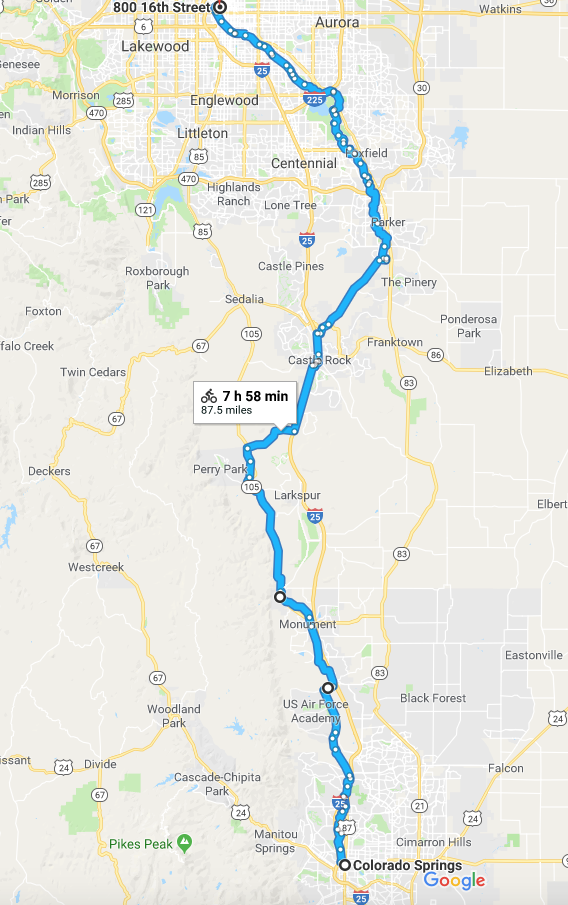
The practical driving distance, which is what most travelers are concerned with, is typically between 65 to 70 miles (105 to 113 kilometers) depending on the exact starting and ending points within each city. This variation accounts for the specific routes taken to access major highways and urban centers. For instance, traveling from Denver International Airport to downtown Colorado Springs might be slightly longer than a trip from downtown Denver to downtown Colorado Springs.
Key Routes and Interstate 25
The primary artery connecting these two major Colorado cities is Interstate 25 (I-25). This north-south highway forms the backbone of travel along the Front Range, offering a direct and generally efficient route. The drive is predominantly flat or gently rolling, traversing a semi-arid landscape with views of the Rocky Mountains to the west and the Great Plains to the east. Travelers can expect clear signage and multiple exit points for amenities, making the journey straightforward. I-25 is a well-maintained highway, crucial for both commercial and tourist traffic, linking Denver’s expansive urban sprawl with the more contained, but equally vibrant, metro area of Colorado Springs.
Understanding the Drive: Time, Traffic, and Terrain
While the distance between Denver and Colorado Springs is relatively modest, the actual time it takes to traverse this route can vary significantly due to several factors. Understanding these variables is paramount for travelers to accurately budget their time and avoid unnecessary delays.
Average Driving Times and Factors Affecting Them
Under ideal conditions, with light traffic and good weather, the drive between Denver and Colorado Springs typically takes approximately 1 hour and 15 minutes to 1 hour and 30 minutes. This estimate assumes a consistent highway speed. However, this is an average, and several elements can influence the actual travel time.
One of the most significant factors is traffic congestion, particularly during peak commuting hours. Both Denver and Colorado Springs are growing cities, and the stretch of I-25 connecting them experiences heavy volumes of local and regional commuters. Construction projects, common on major highways, can also lead to lane closures and slowdowns, adding to travel times.
Road conditions are another vital consideration. While Colorado enjoys many days of sunshine, winter weather can bring snow and ice, significantly impacting driving speeds and increasing the journey duration. Even heavy rain or strong winds can necessitate slower speeds for safety. It’s always advisable to check current road and weather conditions before embarking on the trip, especially during the colder months.
Navigating Peak Hours and Weather Conditions
To minimize travel time, aim to depart outside of typical rush hour periods. In Colorado, morning rush hour generally runs from 6:30 AM to 9:00 AM, and evening rush hour from 3:30 PM to 6:30 PM. Traveling midday or late in the evening can often cut down travel time considerably. Weekends, particularly Sunday afternoons, can also see increased traffic as travelers return home.
During winter, from roughly November through April, travelers should be prepared for rapidly changing weather. While the plains often clear quickly, unexpected snowfall can cause delays. Ensure your vehicle is properly equipped for winter driving, and consider delaying travel during active snowstorms. Checking the Colorado Department of Transportation (CDOT) website or app for real-time road conditions is a smart practice.
Scenic Considerations Along the Journey
While the drive itself is primarily functional, it offers glimpses of Colorado’s characteristic scenery. To the west, the majestic Front Range of the Rocky Mountains provides a continuous, impressive backdrop, dominated by iconic peaks like Pikes Peak as you approach Colorado Springs. To the east, the vast expanse of the high plains offers a different kind of beauty, with rolling hills and agricultural lands. For those who appreciate subtle landscapes, this journey presents an opportunity to observe the transition from urban to more open spaces, all framed by the grandeur of the mountains.
Alternative Transportation Options
While driving is the most common and often most convenient way to travel between Denver and Colorado Springs, it’s not the only option. For travelers who prefer not to drive, or who are looking for a more relaxed experience, several alternative transportation methods are available, each with its own advantages.
Bus Services and Their Advantages
Intercity bus services offer a reliable and cost-effective way to travel between the two cities. Companies like Greyhound and FlixBus operate multiple daily routes, typically departing from central bus stations in both Denver and Colorado Springs, as well as Denver International Airport.
The advantages of taking a bus include affordability, the ability to relax and enjoy the scenery without the stress of driving, and a reduced environmental footprint compared to individual car travel. Buses often feature amenities such as Wi-Fi and power outlets, allowing travelers to work or entertain themselves during the journey. Travel times by bus are comparable to driving, often ranging from 1 hour 30 minutes to 2 hours, depending on traffic and the number of stops.
Train Travel: A Scenic Alternative
While direct passenger train service specifically for the Denver to Colorado Springs route is not as prevalent as bus or car travel, Amtrak does offer connections, albeit with transfers, often making it a less direct option for this specific journey. Historically, Colorado has had discussions about more robust rail connections along the Front Range. For those prioritizing a scenic experience and not bound by time, train journeys can offer unique perspectives. However, for a direct commute between these two cities, bus or car remains more practical.
Rideshares and Shuttles
For travelers seeking flexibility without the need to drive, rideshare services like Uber and Lyft are readily available. These services provide door-to-door convenience, although at a higher cost than bus travel. They can be particularly useful for travelers arriving at Denver International Airport who wish to head directly to Colorado Springs without renting a car.
Additionally, several private shuttle companies offer scheduled services between Denver International Airport and Colorado Springs. These shuttles typically operate on a fixed schedule, picking up and dropping off passengers at designated locations or directly at hotels. They provide a comfortable and often more spacious alternative to standard rideshares, ideal for those with luggage or traveling in small groups. Companies like Groome Transportation are popular choices for this route.
Why Make the Journey? Exploring Both Cities
The proximity of Denver and Colorado Springs makes it highly appealing to combine visits to both. Each city offers a distinct flavor of Colorado, complementing the other beautifully and providing a rich tapestry of experiences for any traveler.
Discovering Denver’s Urban Charms
Denver, the state capital, is a vibrant metropolis known for its thriving arts scene, diverse culinary landscape, and a youthful, energetic atmosphere. Travelers can immerse themselves in culture at institutions like the Denver Art Museum or explore the historic 16th Street Mall. The city boasts numerous breweries, innovative restaurants, and lively neighborhoods like LoDo (Lower Downtown) and RiNo Art District. For outdoor enthusiasts, Denver serves as a gateway to the Rocky Mountains, with popular attractions like Red Rocks Amphitheatre and various hiking trails just a short drive away. Its urban sophistication and access to diverse entertainment make it a must-visit destination.
The Allure of Colorado Springs’ Natural Beauty
In stark contrast, Colorado Springs offers a profound connection to nature, dominated by the majestic presence of Pikes Peak, one of Colorado’s famous fourteeners. The city is a hub for outdoor adventure, home to iconic landmarks such as the otherworldly sandstone formations of Garden of the Gods Park, the cascading waters of Seven Falls, and the historic Broadmoor Hotel. Visitors can drive or take the Pikes Peak Cog Railway to the summit of Pikes Peak for unparalleled panoramic views. The United States Air Force Academy also draws many visitors with its stunning chapel and visitor center. Colorado Springs appeals to those seeking tranquility, adventure, and breathtaking natural vistas.
Creating a Unified Colorado Experience
By combining visits to both Denver and Colorado Springs, travelers can experience the full spectrum of what Colorado has to offer. Start with the urban excitement and cultural richness of Denver, then journey south for the awe-inspiring natural landscapes and outdoor pursuits of Colorado Springs. This dual-city approach provides a balanced itinerary, showcasing both the metropolitan sophistication and the rugged mountain beauty that define the Centennial State. The relatively short distance makes this combination not just feasible, but highly recommended for a truly memorable Colorado travel adventure.
Planning Your Trip: Essential Travel Tips
A well-planned trip between Denver and Colorado Springs ensures a smooth and enjoyable experience. Beyond understanding the distance and travel options, a few key considerations can enhance your journey and prepare you for Colorado’s unique environment.
Best Times to Travel
The best time to travel between Denver and Colorado Springs largely depends on your preferences and tolerance for crowds and weather.
- Spring (April-May): Offers pleasant temperatures, fewer crowds than summer, and the landscape begins to bloom. Be aware of potential late-season snowstorms, especially in early spring.
- Summer (June-August): The most popular time, with warm, sunny days perfect for outdoor activities. However, expect heavier traffic on I-25, larger crowds at attractions, and higher accommodation prices. Afternoon thunderstorms are common.
- Fall (September-October): Often considered one of the best times to visit, with crisp air, brilliant fall foliage in the mountains (a bit west of the immediate corridor), and fewer crowds than summer. Weather is generally stable, but snow can occur later in the season.
- Winter (November-March): Offers opportunities for skiing and other winter sports in nearby mountain resorts (requiring travel beyond Colorado Springs). The drive itself can be challenging due to snow and ice. Traffic is generally lighter, except during holiday periods. If traveling in winter, allow extra time and check road conditions.
Packing Essentials for Colorado’s Varied Climate
Colorado’s weather is known for its unpredictability, often experiencing all four seasons in a single day. Layered clothing is crucial regardless of the time of year.
- Year-Round: Always pack layers, including a light jacket or fleece, even in summer, as evenings can be cool. Comfortable walking shoes are essential for exploring both cities and natural parks. Sunscreen, sunglasses, and a hat are vital due to Colorado’s high altitude and intense sun. A reusable water bottle is also highly recommended for staying hydrated.
- Winter Specific: Warm, waterproof outer layers, insulated boots, gloves, and a warm hat are necessary. Even if not planning mountain activities, you’ll appreciate these for exploring city streets if snow is on the ground.
Pre-Trip Vehicle Checks
If you’re driving, a quick pre-trip vehicle check can prevent unnecessary delays. Ensure your tires are properly inflated and have good tread, especially if traveling in winter. Check fluid levels (oil, washer fluid, coolant), and make sure your lights and wipers are in good working order. In winter, having an emergency kit with blankets, a shovel, and extra food/water is a wise precaution. Ensure your phone is fully charged and you have a physical map or downloaded offline maps in case of patchy signal in certain areas. These simple steps contribute significantly to a hassle-free journey between Denver and Colorado Springs, allowing you to focus on the incredible experiences awaiting you in the Centennial State.
LifeOutOfTheBox is a participant in the Amazon Services LLC Associates Program, an affiliate advertising program designed to provide a means for sites to earn advertising fees by advertising and linking to Amazon.com. Amazon, the Amazon logo, AmazonSupply, and the AmazonSupply logo are trademarks of Amazon.com, Inc. or its affiliates. As an Amazon Associate we earn affiliate commissions from qualifying purchases.