
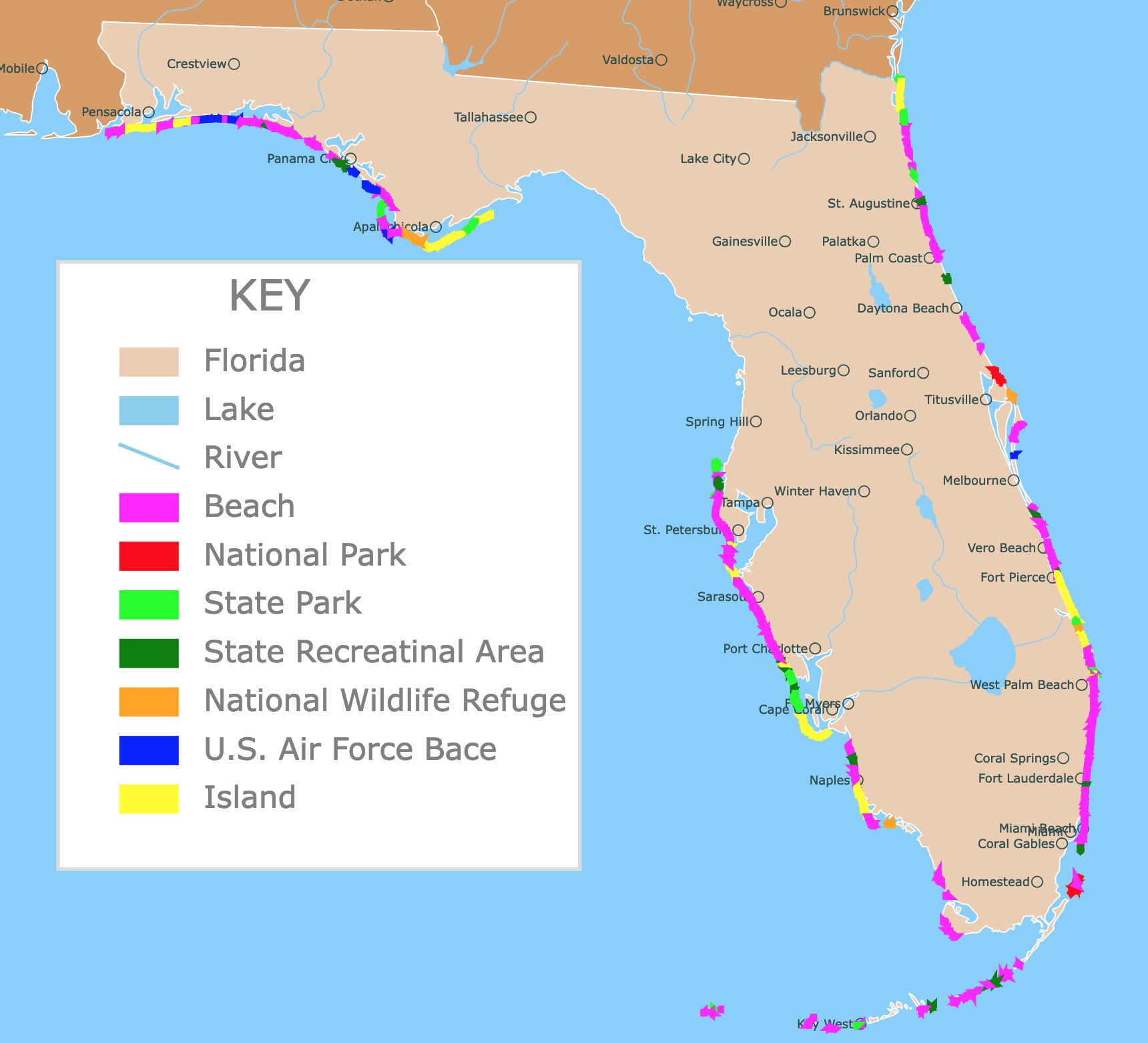
Florida, often dubbed the Sunshine State, is synonymous with pristine coastlines, warm waters, and an endless array of sandy shores. While providing an exact, definitive number of beaches in Florida is akin to counting grains of sand—difficult and ever-changing due to evolving designations and access points—what is unequivocally clear for any discerning traveler is the state’s extraordinary abundance and diversity of coastal destinations. With over 1,350 miles of coastline, Florida boasts hundreds of distinct named beaches, public access points, and miles upon miles of undeveloped shoreline, each offering a unique travel experience. From vibrant, bustling stretches of sand fronting metropolitan hubs to serene, secluded coves within protected state parks, the sheer volume ensures a perfect beach escape for every preference.
The Dual Coastline: A Traveler’s Paradise
Florida’s unique geography—a peninsula bordered by the Atlantic Ocean to the east and the Gulf of Mexico to the west—provides two distinct coastal personalities, each a treasure trove for travelers. Understanding these differences is key to planning the ideal beach vacation.
The Atlantic Coast: Dynamic and Diverse
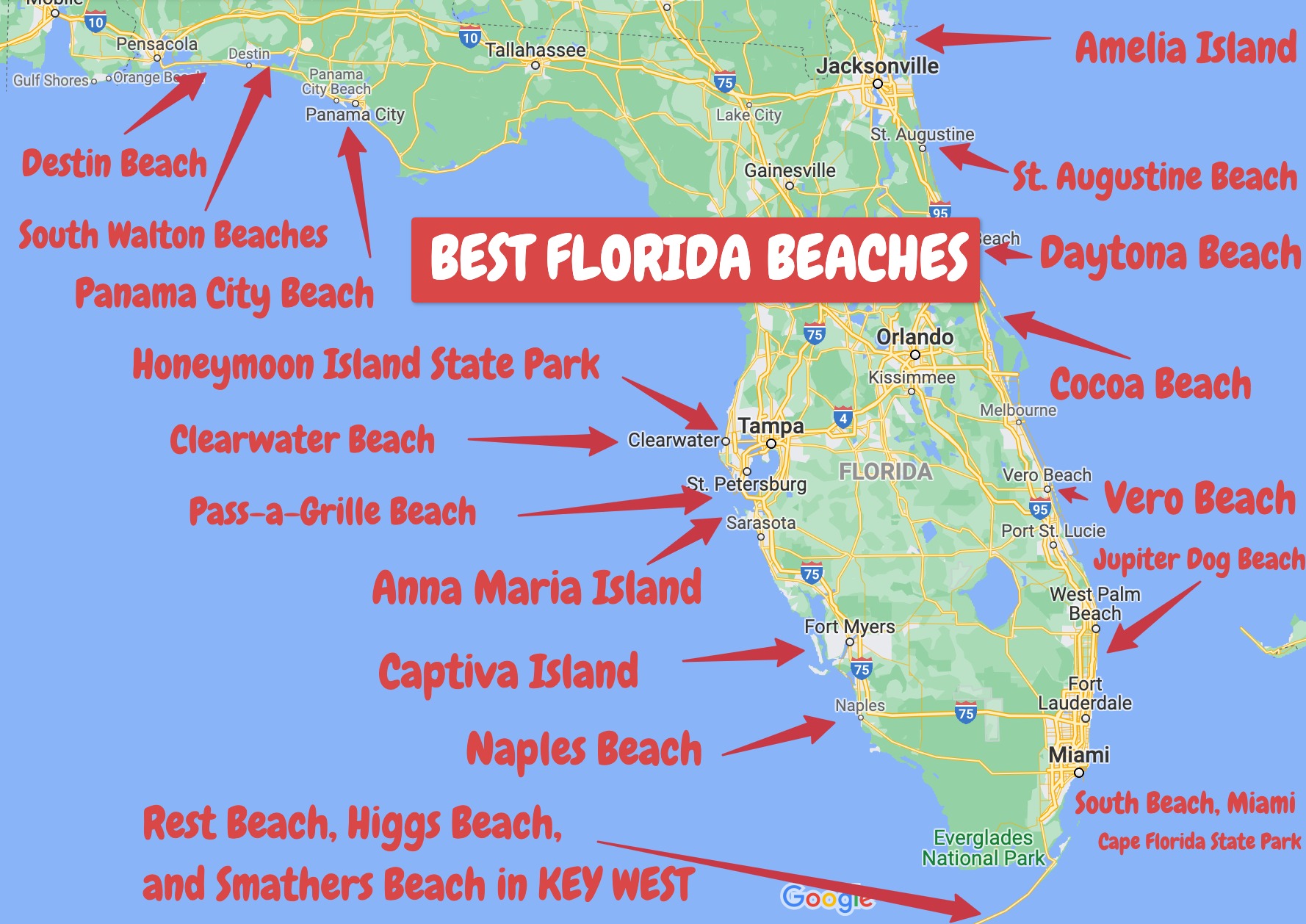
The Atlantic Coast stretches from the historic charm of Amelia Island in the north down to the glittering shores of South Florida. Travelers here will find a dynamic blend of high-energy cities, renowned surfing spots, and significant historical sites. Beaches like Daytona Beach are famed for their hard-packed sand, allowing vehicle access and hosting exhilarating motorsports events. Further south, the Space Coast, home to Cocoa Beach, offers the unique spectacle of rocket launches from Cape Canaveral, providing a truly out-of-this-world backdrop to a beach day.
Heading towards South Florida, destinations like Fort Lauderdale and Miami Beach present vibrant, cosmopolitan beach experiences. South Beach in Miami, with its iconic Art Deco architecture, world-class dining, and lively nightlife, is a magnet for those seeking a luxurious and energetic getaway. Even within these bustling areas, travelers can discover quieter stretches, such as those found near Biscayne National Park, offering opportunities for snorkeling and boating away from the crowds. The Atlantic beaches generally feature coarser sand and more pronounced waves, appealing to surfers and those who enjoy a lively ocean experience.
The Gulf Coast: Serene and Silken
In stark contrast, Florida’s Gulf Coast is celebrated for its calm, shallow, turquoise waters and unbelievably soft, sugar-white sand. This side of the state, extending from Pensacola in the Panhandle down to the tranquil islands near Naples, is often preferred by families and those seeking relaxation and abundant shelling opportunities. The Emerald Coast in Northwest Florida, encompassing popular destinations like Destin and Panama City Beach, is renowned globally for its stunningly clear, emerald-hued waters and powdery sand derived from Appalachian quartz.
Further south, the Tampa Bay area offers gems such as Clearwater Beach, consistently ranked among the best beaches in the U.S. for its family-friendly atmosphere, gentle waves, and vibrant pier activities. Nearby, St. Pete Beach provides a classic resort town vibe. The Sarasota area boasts Siesta Key, famous for its quartz sand that remains cool even on the hottest days. Sanibel Island and Captiva Island are world-renowned for their exceptional shelling, attracting collectors from across the globe. The Gulf Coast experience is often characterized by breathtaking sunsets, calm conditions perfect for swimming and paddleboarding, and a focus on natural beauty and tranquility.
Iconic Shores and Hidden Gems: A Traveler’s Guide
Beyond the broad coastal distinctions, Florida offers a myriad of specific beach destinations, each with its own character and appeal, making it a dream for diverse travel itineraries.
Family-Friendly Havens
For families traveling with children, the emphasis is often on safety, amenities, and engaging activities. Clearwater Beach stands out with its calm waters, soft sand, and the lively Pier 60, offering nightly festivals. Siesta Key Beach near Sarasota is another prime choice, lauded for its incredibly soft, cool sand and expansive shallow areas perfect for young swimmers. On the Atlantic side, St. Augustine Beach combines historical exploration of the nation’s oldest city with a wide, inviting shoreline and oceanfront parks.
Romantic Retreats and Secluded Shores
Couples seeking a romantic escape or travelers desiring solitude will find numerous options. The barrier islands of Florida, such as those forming part of the Florida Keys, offer unparalleled tranquility. Bahia Honda State Park in the Keys boasts stunning views, calm waters, and exceptional snorkeling opportunities, feeling a world away from the bustle. Similarly, Caladesi Island State Park, accessible only by ferry or private boat from Honeymoon Island State Park near Dunedin, offers pristine, undeveloped beaches perfect for long, quiet walks and nature observation. For an upscale, serene experience, the beaches of Vero Beach and Palm Beach on the Atlantic provide a backdrop of luxury resorts and exclusive tranquility.
Adventure and Activity Hubs
Travelers seeking more than just sunbathing will find Florida’s beaches cater to a wide range of activities. New Smyrna Beach is a well-known surfing hotspot on the Atlantic Coast, offering consistent waves for all skill levels. For diving and snorkeling enthusiasts, the clear waters around the Florida Keys, particularly near Key Largo and Key West, provide access to vibrant coral reefs and shipwrecks. Kayaking and paddleboarding are popular on the calmer waters of the Gulf Coast and in the mangrove-lined estuaries of places like Fort Myers Beach.
Planning Your Florida Beach Adventure
Navigating the vast number of Florida beaches requires some strategic planning to ensure your trip aligns with your travel desires.
Best Time to Visit
Florida’s climate is generally warm year-round, but distinct seasons influence the beach experience. Spring (March-May) offers pleasant temperatures and moderate crowds, ideal for a variety of activities. Summer (June-August) is hot and humid, with a higher chance of afternoon thunderstorms and hurricane season concerns, though the ocean is wonderfully warm. Fall (September-November) brings cooler temperatures, fewer crowds, and often excellent weather post-hurricane season. Winter (December-February) is peak season, especially in South Florida and the Keys, drawing snowbirds seeking warmth, making popular beaches quite busy.

Beyond the Sand: Enhancing Your Beach Trip
While the beaches are the main attraction, Florida offers countless ways to enhance your coastal travels. Combine a beach visit with an exploration of vibrant cities like Miami, Fort Lauderdale, or St. Petersburg, which boast world-class museums, dining, and cultural events. Consider a trip to a state park or national wildlife refuge adjacent to a beach, such as the J.N. “Ding” Darling National Wildlife Refuge on Sanibel Island, for exceptional birdwatching and nature trails. The historic streets of St. Augustine offer a fascinating contrast to its sunny shores. For eco-tourists, guided kayak or paddleboard tours through mangrove tunnels provide an intimate look at Florida’s unique coastal ecosystems.
Ultimately, the question of “how many beaches” in Florida is best answered not with a number, but with the assurance of an unparalleled spectrum of choice. From the energetic shores of Jacksonville Beach to the tranquil beauty of Delray Beach, and from the family-friendly expanses of the Emerald Coast to the sophisticated sands of Naples, Florida truly offers a beach for every traveler’s dream, inviting exploration and repeat visits to discover new favorites.
LifeOutOfTheBox is a participant in the Amazon Services LLC Associates Program, an affiliate advertising program designed to provide a means for sites to earn advertising fees by advertising and linking to Amazon.com. Amazon, the Amazon logo, AmazonSupply, and the AmazonSupply logo are trademarks of Amazon.com, Inc. or its affiliates. As an Amazon Associate we earn affiliate commissions from qualifying purchases.