
Baytown, Texas, a city brimming with industrial heritage and a burgeoning spirit of community, is strategically situated in the southeastern region of Texas. Its precise geographical placement is key to understanding its historical development, economic drivers, and its appeal as a destination for both business and leisure. Nestled within Harris County, Baytown occupies a vital position on the western shore of Galveston Bay, an inlet of the Gulf of Mexico. This coastal proximity, combined with its location just east of Houston, the fourth-largest city in the United States, places Baytown at a significant crossroads of commerce, transportation, and culture.
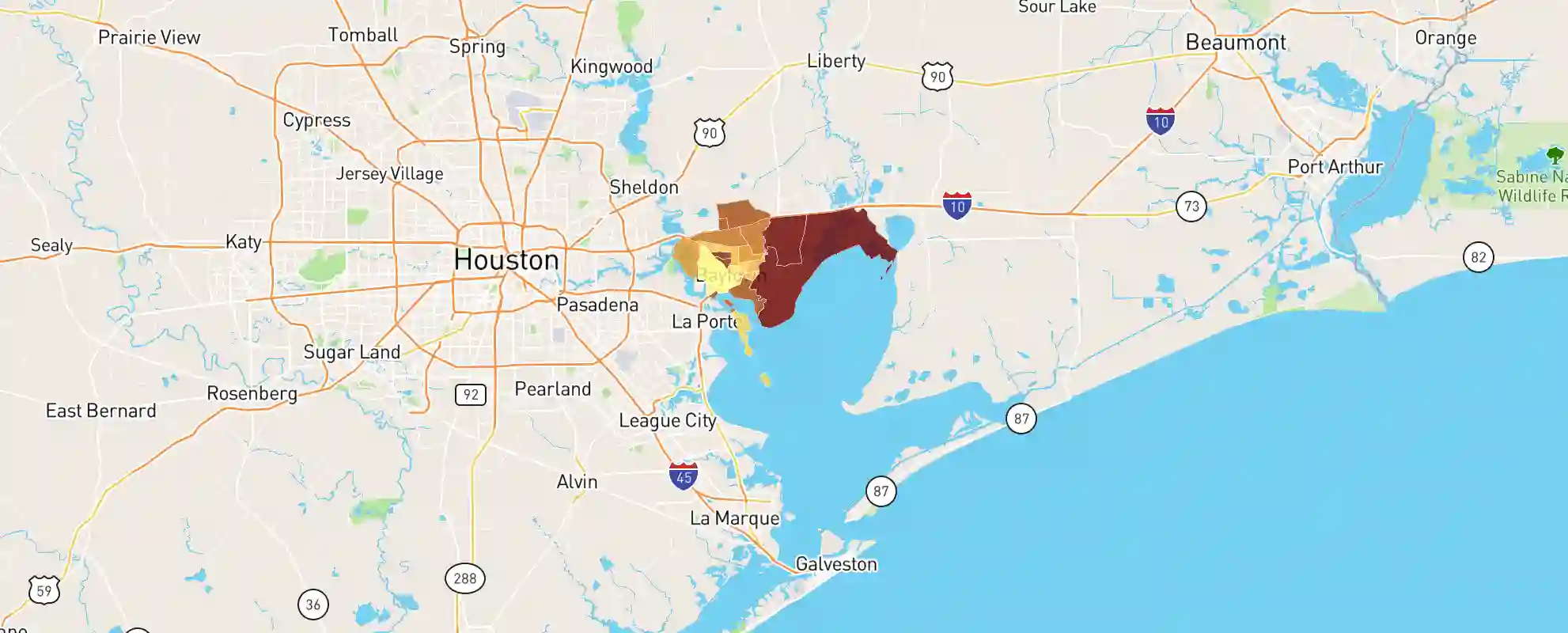
The city’s name itself, “Baytown,” directly reflects its defining geographical feature – its intimate relationship with the bay. This relationship has profoundly shaped its past and continues to influence its present and future. The bay provides not only a picturesque backdrop but also serves as a crucial artery for maritime activities, supporting a robust petrochemical industry and offering recreational opportunities. Understanding Baytown’s location is the first step in appreciating its multifaceted identity and its contribution to the broader Texan landscape.
Navigating Baytown’s Geographic Coordinates
Baytown’s location can be pinpointed by its approximate geographic coordinates, which place it within the humid subtropical climate zone characteristic of the Gulf Coast. Officially, Baytown lies approximately at 29.74 degrees North latitude and 95.02 degrees West longitude. These coordinates are more than just numbers; they define its climate, its access to natural resources, and its strategic importance within the North American continent.
Proximity to Major Hubs
The most significant aspect of Baytown’s location, beyond its bayfront setting, is its proximity to Houston. A mere 25 miles east of Downtown Houston, Baytown is an integral part of the Houston–The Woodlands–Sugar Land metropolitan area, one of the largest and most dynamic economic regions in the United States. This close adjacency facilitates easy access to the vast employment opportunities, cultural institutions, and world-class amenities that Houston offers. For residents, it means a short commute to major employers, entertainment venues like the Toyota Center or Minute Maid Park, and diverse culinary scenes. For visitors, it provides a convenient base from which to explore the attractions of the larger metropolis while enjoying a slightly more tranquil, community-focused atmosphere in Baytown.
Access to Transportation Networks
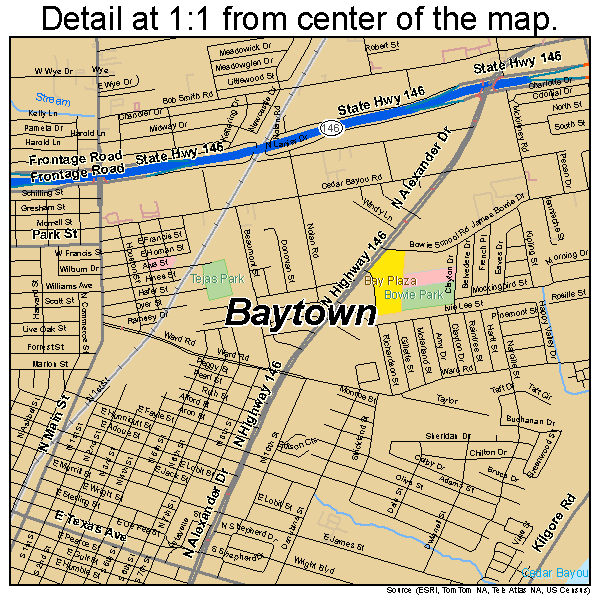
Baytown’s strategic location is amplified by its exceptional connectivity to critical transportation networks. The city is served by major highways, including Interstate 10 (I-10), a vital east-west corridor that links the city to Houston and beyond. This highway access is crucial for the efficient movement of goods and people, underpinning Baytown’s industrial significance.
Furthermore, the presence of the Port of Houston Authority, with its Bayport Terminal and the nearby Houston Ship Channel, positions Baytown as a pivotal point for international trade. This deep-water port is one of the busiest in the United States and is a major gateway for petrochemicals, manufactured goods, and agricultural products. The proximity to this critical maritime infrastructure is a significant factor in Baytown’s economic landscape, attracting numerous industrial and logistics companies.
The William P. Hobby Airport and the larger George Bush Intercontinental Airport are both within a reasonable driving distance, providing Baytown residents and visitors with access to domestic and international air travel. This ease of access enhances Baytown’s appeal for business travelers and tourists alike.
The Unique Environment: Baytown’s Coastal and Inland Landscape
Baytown’s location is not defined solely by its proximity to urban centers and transportation arteries; its natural environment plays an equally crucial role in shaping its identity and offering unique experiences. The interplay between its coastal setting and its inland areas creates a diverse ecological and recreational landscape.
The Influence of Galveston Bay

The most prominent natural feature influencing Baytown is Galveston Bay. This large estuary is a vibrant ecosystem, supporting a rich diversity of marine life. For anglers, the bay offers abundant opportunities to catch species like speckled trout, redfish, and flounder. The bay’s waters are also popular for boating, sailing, and kayaking, providing residents and visitors with ample ways to engage with the aquatic environment.
The shores of Galveston Bay in and around Baytown are home to several parks and public access points. These areas offer stunning views of the bay, opportunities for birdwatching – as the region is a critical stopover for migratory birds – and spaces for picnicking and relaxation. The Baytown Nature Center, situated on a peninsula jutting into Galveston Bay, is a prime example, showcasing the area’s natural beauty and offering educational programs about its delicate ecosystem.
Inland Parks and Recreation
Beyond the bay, Baytown boasts a network of inland parks and recreational facilities that cater to a variety of interests. These green spaces provide a welcome respite from the urban environment and offer opportunities for outdoor activities.
- Bicentennial Park: This expansive park is a central hub for community events and offers amenities such as playgrounds, sports fields, and walking trails. It’s a popular spot for families and local gatherings.
- Goose Creek Nature Trail: For those seeking a more immersive nature experience, the Goose Creek Nature Trail provides scenic pathways through wooded areas, offering a chance to observe local flora and fauna away from the coastal marshes.
- Parks within residential areas: Numerous smaller neighborhood parks are scattered throughout Baytown, ensuring that residents have easy access to green spaces for daily recreation.
These inland parks, combined with the significant presence of the bay, contribute to Baytown’s reputation as a city that values outdoor living and recreational pursuits, despite its strong industrial base.
Understanding Baytown’s Position in the Texas Landscape
To fully grasp where Baytown, Texas is located, it is essential to consider its context within the broader geographical and economic fabric of Texas. The city is not an isolated entity but a vital component of a larger, interconnected region.
The Gulf Coast Region
Baytown is a key player in the Texas Gulf Coast region, an area characterized by its significant petrochemical industry, extensive port infrastructure, and unique coastal environment. This region stretches from the border with Mexico all the way to Louisiana, and Baytown is strategically situated within this industrially and economically vital corridor. Its location allows for close collaboration and competition with other cities in the region, such as Galveston, Texas City, and Freeport.
The presence of major industrial complexes, including refineries and chemical plants, is a defining characteristic of the Texas Gulf Coast, and Baytown is at the heart of this activity. Companies like ExxonMobil and Chevron Phillips Chemical Company have significant operations in the area, making Baytown a major center for energy and chemical production.
Economic Significance and Development
Baytown’s location has made it an economic powerhouse, particularly in sectors related to energy, manufacturing, and logistics. Its access to raw materials, transportation networks, and skilled labor has fostered substantial industrial growth. The city is a significant contributor to Texas’s gross state product, driving job creation and economic development throughout the region.
Beyond its industrial might, Baytown is also experiencing growth in other areas. The city is investing in its downtown revitalization, improving public spaces, and attracting new businesses and residents. This development is transforming Baytown from primarily an industrial hub into a more diversified and community-oriented city, offering a quality of life that complements its economic strengths.
In conclusion, understanding Baytown, Texas’s location is fundamental to appreciating its historical narrative, its economic vitality, and its unique environmental setting. Situated on the Galveston Bay and in close proximity to Houston, it is a city at the nexus of industry, transportation, and natural beauty, offering a compelling destination for exploration and engagement.
LifeOutOfTheBox is a participant in the Amazon Services LLC Associates Program, an affiliate advertising program designed to provide a means for sites to earn advertising fees by advertising and linking to Amazon.com. Amazon, the Amazon logo, AmazonSupply, and the AmazonSupply logo are trademarks of Amazon.com, Inc. or its affiliates. As an Amazon Associate we earn affiliate commissions from qualifying purchases.