
South Florida is far more than just a geographical region; it exists within a unique tourism zone, distinguished by its subtropical climate, vibrant cultural tapestry, and an unparalleled array of activities. Understanding this distinct “zone” is key to appreciating its allure as a premier global destination. This region, encompassing major hubs like Miami, Fort Lauderdale, Palm Beach, and the Florida Keys, offers a singular blend of natural beauty, urban sophistication, and laid-back island vibes, creating a dynamic environment that caters to a diverse range of visitors year-round.
The Subtropical Eden: A Climatic & Ecological Zone
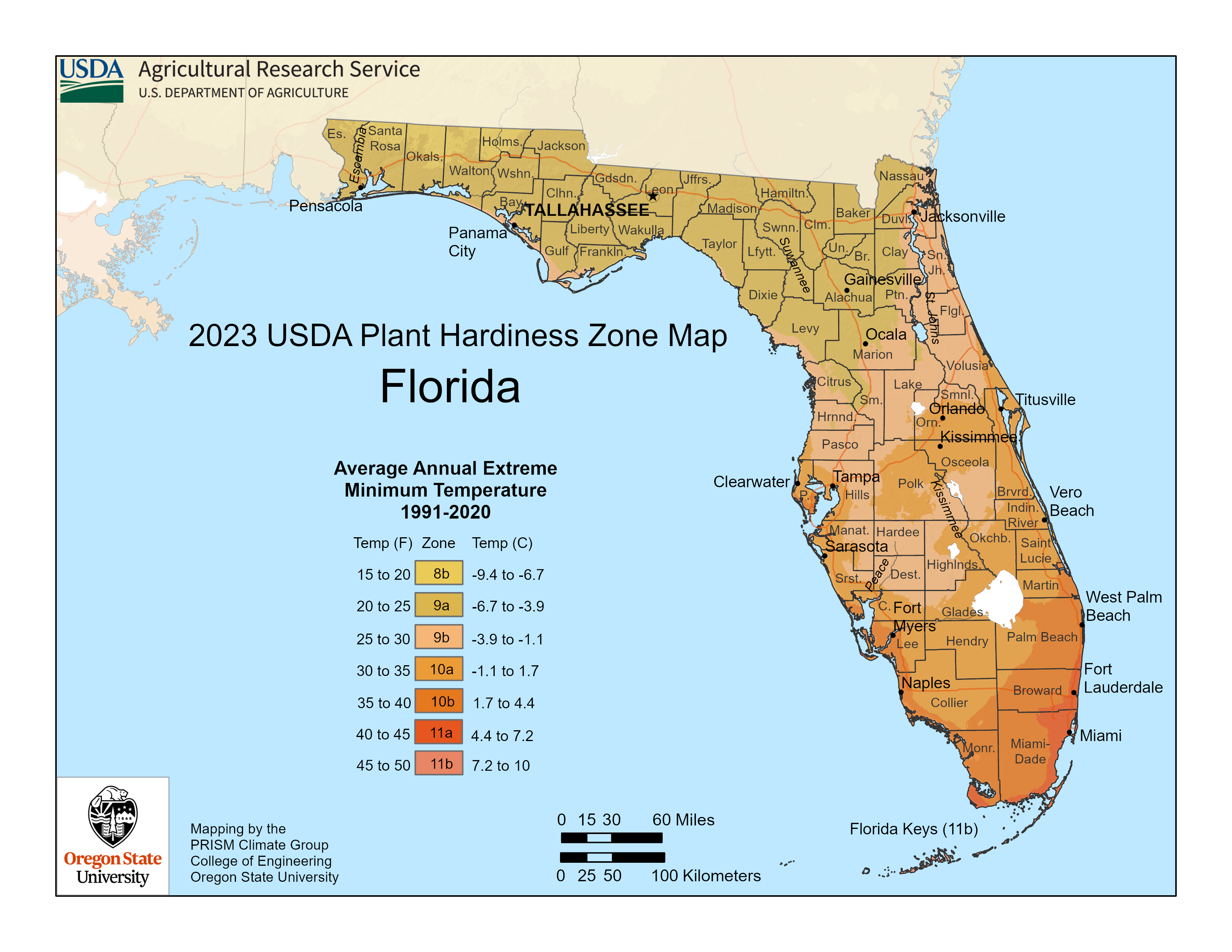
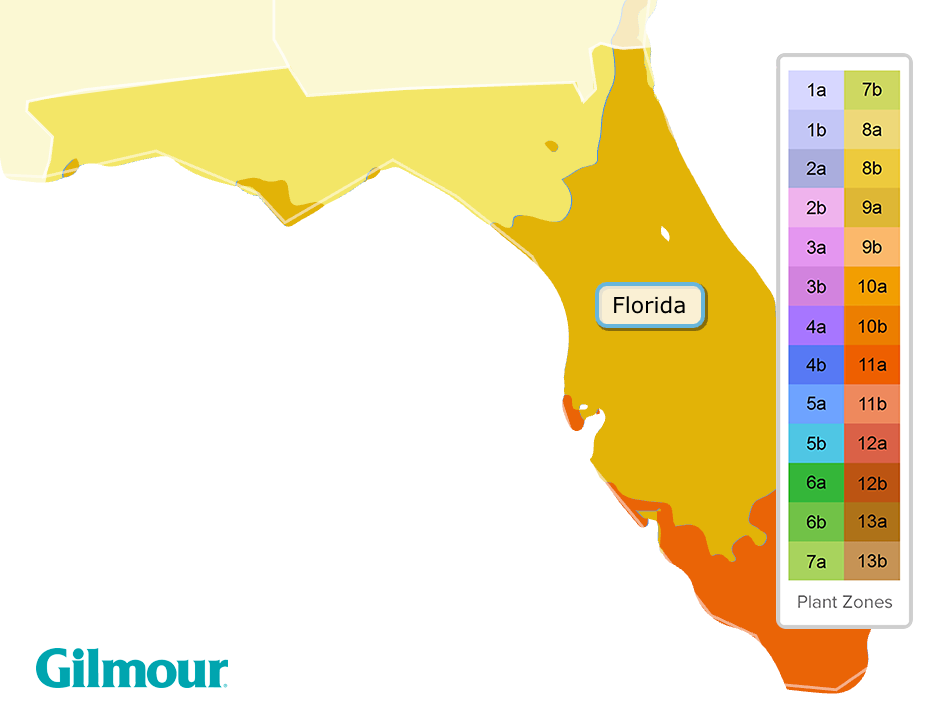
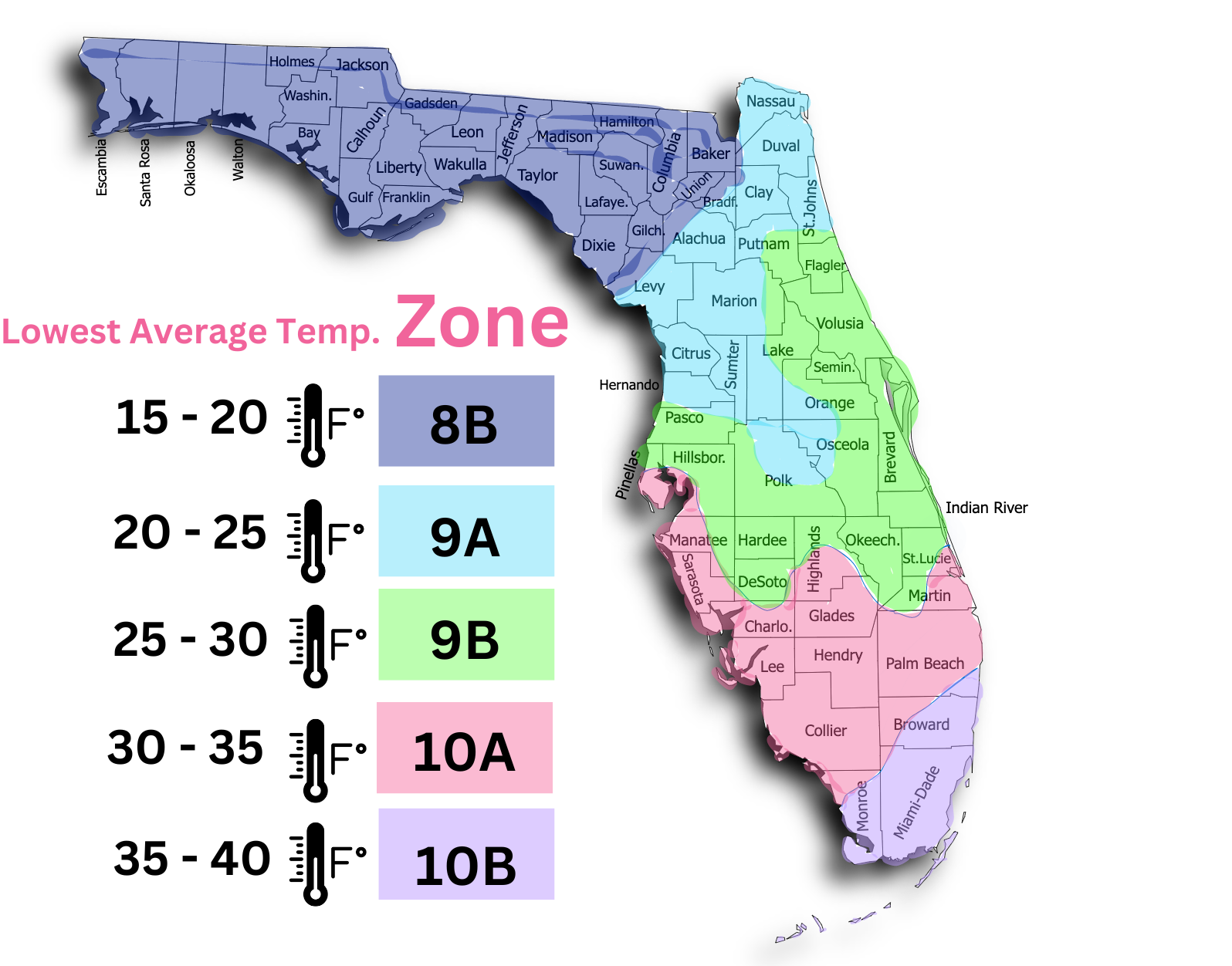
At its core, South Florida’s primary definition as a “zone” for tourism stems from its subtropical climate. This classification means warm temperatures, abundant sunshine, and distinct wet and dry seasons, creating an environment unlike much of the continental United States. This climate zone supports an incredible biodiversity, making it a magnet for ecotourism and outdoor enthusiasts.
Distinctive Flora and Fauna
The region’s unique climate allows for a rich ecosystem to thrive. Everglades National Park, a UNESCO World Heritage Site, exemplifies this, boasting the largest subtropical wilderness in North America. Here, visitors can embark on airboat rides, kayak through mangrove tunnels, or hike nature trails to witness alligators, wading birds, manatees, and even the elusive Florida panther. This natural wonder offers a profound contrast to the urban glamour of nearby cities, providing an essential ecological experience within the South Florida tourism zone.
Beyond the Everglades, the coastal areas are fringed with palm trees, vibrant bougainvillea, and other tropical vegetation, creating a picturesque backdrop for beaches and waterfront properties. The Florida Keys, in particular, are renowned for their coral reefs, part of the third-largest barrier reef system in the world. This underwater paradise positions the Keys as a prime destination for snorkeling, diving, and fishing, showcasing another facet of South Florida’s unique ecological zone.
Weather Patterns and Tourist Seasons
The subtropical zone also dictates South Florida’s tourist seasons. The dry season, typically from November to May, offers cooler temperatures, lower humidity, and less rain, making it the peak time for visitors escaping colder northern climates. The wet season, from June to October, brings higher temperatures, humidity, and daily afternoon thunderstorms, along with the hurricane season. Despite this, many tourists still visit during these months, drawn by lower prices and fewer crowds, and prepared for the occasional tropical downpour or the need to monitor weather alerts. Understanding these climatic nuances is crucial for any visitor planning their trip within this zone.
The Cultural Crossroads: A Vibrant Lifestyle & Culinary Zone
Beyond its natural environment, South Florida is a vibrant cultural melting pot, shaped by waves of immigration from across Latin America, the Caribbean, and beyond. This confluence of cultures defines its unique lifestyle and culinary tourism zone, offering experiences that are distinctively international yet authentically Floridian.
A Mosaic of Influences
Miami stands as the epicenter of this cultural dynamism. Neighborhoods like Little Havana transport visitors to a Cuban enclave, where the aroma of coffee, the rhythm of salsa, and the sight of cigar rollers are daily occurrences. This immersive cultural experience is a cornerstone of Miami’s appeal. Similarly, the Bahamian heritage is palpable in Key West, influencing its architecture, food, and laid-back atmosphere. Elsewhere, Brazilian, Venezuelan, Haitian, and Colombian communities contribute to a rich tapestry of languages, traditions, and arts that permeate the entire region.
This cultural diversity translates into a bustling arts scene. The Art Deco Historic District in South Beach showcases iconic architecture, while the Wynwood Walls in Miami are an internationally recognized outdoor street art museum. Museums like the Pérez Art Museum Miami and the Norton Museum of Art in West Palm Beach further enrich the cultural landscape, positioning South Florida as a significant cultural tourism zone.
Culinary Delights
The culinary scene in South Florida is a direct reflection of its diverse population. From authentic Cuban sandwiches and strong cafecito to gourmet interpretations of Latin American and Caribbean dishes, the food here is an adventure in itself. Fresh seafood, influenced by the region’s coastal proximity, is a staple, with stone crabs in season being a particular delicacy. Farm-to-table restaurants are also gaining prominence, utilizing the bounty of Florida’s agricultural heartland. Exploring South Florida through its food is a quintessential tourism experience, offering insights into its history and current cultural trends.
The Recreation & Entertainment Zone: Activities for Every Traveler
One of the most compelling aspects of South Florida as a tourism zone is its unparalleled range of recreational and entertainment options. Whether seeking relaxation, adventure, family fun, or vibrant nightlife, the region delivers.
Sun-Kissed Beaches and Water Adventures
The extensive coastline is undoubtedly a major draw. From the iconic white sands of South Beach and the family-friendly shores of Fort Lauderdale Beach to the tranquil retreats of Naples and the unique small beaches of the Florida Keys, there’s a beach for every preference. These coastal areas are hubs for swimming, sunbathing, paddleboarding, jet-skiing, and parasailing. Beyond the immediate coastline, the calm, clear waters of the Gulf of Mexico to the west and the Atlantic Ocean to the east offer world-class fishing, boating, and yachting opportunities, cementing South Florida’s reputation as a premier marine tourism zone.
Golf, Sports, and Outdoor Pursuits
For sports enthusiasts, South Florida is a paradise. It boasts numerous championship golf courses, especially in areas like Palm Beach and Naples, attracting golfers from around the globe. Professional sports teams across various leagues – the Miami Heat (NBA), Miami Dolphins (NFL), and Florida Panthers (NHL) – provide thrilling entertainment options. Beyond spectator sports, visitors can engage in tennis, cycling, kayaking, and hiking in state parks and nature preserves, further diversifying the tourism experience.
Nightlife and Entertainment Hubs
As the sun sets, South Florida’s entertainment zone comes alive. Miami Beach, particularly South Beach, is globally recognized for its vibrant nightlife, featuring world-class nightclubs, rooftop bars, and beach clubs. Fort Lauderdale also offers a bustling scene with its beachfront bars and Las Olas Boulevard’s dining and entertainment options. Live music venues, theaters, and casinos provide additional evening entertainment, ensuring that the energy of South Florida continues long after dark.
Accessibility and Infrastructure: A Gateway Tourism Zone
Finally, South Florida’s status as a prime tourism zone is bolstered by its excellent accessibility and robust infrastructure. Major international airports, including Miami International Airport (MIA) and Fort Lauderdale-Hollywood International Airport (FLL), serve as crucial gateways, connecting the region to destinations worldwide. These airports facilitate millions of tourists each year, making arrivals and departures seamless.
Furthermore, the region is a global leader in cruise tourism, with the PortMiami and Port Everglades being among the busiest cruise ports in the world. This makes South Florida a frequent embarkation point for cruises to the Caribbean, Mexico, and beyond, extending its influence as a central hub in the broader travel landscape. The well-developed network of highways, public transportation options, and a wide array of accommodation choices, from luxury resorts to boutique hotels and vacation rentals, ensure that once visitors arrive, they can navigate and enjoy the “zone” with ease and comfort.
In conclusion, when asking “What zone is South Florida?”, the answer lies in its multifaceted identity as a subtropical, culturally rich, recreationally diverse, and highly accessible tourism zone. This unique combination creates an irresistible destination that continues to captivate and enchant visitors from every corner of the globe.
LifeOutOfTheBox is a participant in the Amazon Services LLC Associates Program, an affiliate advertising program designed to provide a means for sites to earn advertising fees by advertising and linking to Amazon.com. Amazon, the Amazon logo, AmazonSupply, and the AmazonSupply logo are trademarks of Amazon.com, Inc. or its affiliates. As an Amazon Associate we earn affiliate commissions from qualifying purchases.