
The political landscape of Arizona is a subject of considerable interest, particularly as the nation gears up for the 2024 elections. For decades, Arizona has been a reliably Republican state, a perception solidified by its consistent support for Republican presidential candidates and its Republican-controlled legislature for many years. However, recent election cycles and demographic shifts have painted a more nuanced and dynamic picture, suggesting that the state is becoming increasingly competitive, with both parties vying for influence. Understanding Arizona’s political leanings in 2024 requires an examination of its historical voting patterns, current electoral trends, and the factors influencing its electorate.
A Shifting Electoral Landscape
Arizona’s identity as a conservative stronghold has roots in its frontier history and the influx of populations drawn to its economic opportunities and lifestyle. However, this traditional Republican dominance began to show cracks in recent years. The state’s growing Latino population, an increasing number of suburban voters, and a younger demographic are all contributing to a more diverse electorate that is less reliably aligned with traditional Republican platforms.
Historical Trends and the Red State Narrative
For much of the late 20th and early 21st centuries, Arizona was a quintessential “red state.” It overwhelmingly supported Republican presidential nominees, from Ronald Reagan to George W. Bush. This trend was mirrored in its congressional delegation and state-level offices, where Republicans often held significant majorities. The state’s political identity was often associated with fiscal conservatism, limited government, and a strong stance on border security, issues that resonated with a significant portion of its population. Cities like Phoenix and Tucson, while having Democratic pockets, were generally part of a larger conservative framework.
The Obama Era and the Rise of Competitive Politics
The election of Barack Obama in 2008 marked a subtle shift, though Arizona still voted Republican. However, it was the 2018 midterm elections and the 2020 presidential election that truly signaled a more competitive era. In 2018, Kyrsten Sinema flipped a Senate seat for the Democrats, and Greg Stanton won a congressional seat in a traditionally Republican district. The margin of victory for the Republican presidential candidate in 2020 was narrower than in previous elections, and importantly, Joe Biden carried Maricopa County, the state’s most populous county, which is a crucial indicator of statewide trends. This demonstrated a growing willingness among a segment of Arizona voters to consider Democratic candidates.
Key Factors Influencing the 2024 Outlook
Several demographic and political factors are poised to shape Arizona’s electoral trajectory in 2024, making it a state to watch closely. The outcomes of key races will likely be decided by how these evolving dynamics play out.
Demographic Shifts: A More Diverse Electorate
Arizona is experiencing significant demographic changes that are fundamentally altering its electorate.
The Growing Latino Vote
The Latino population in Arizona has grown substantially and is becoming an increasingly influential voting bloc. Historically, this demographic has leaned Democratic, though there are nuances within the community. Increased engagement and voter registration among Latinos could significantly impact the outcome of statewide races. Candidates from both parties are making concerted efforts to appeal to this diverse group, recognizing its pivotal role.
Suburban Transformation
The suburban areas of Arizona, particularly around Phoenix and Tucson, have seen a significant influx of new residents and a shift in political leanings. These voters, often college-educated and concerned with issues like education, economic opportunity, and social issues, have shown a greater openness to Democratic candidates in recent years. The suburbs have become a battleground where both parties are fighting for influence.
Youth and Newcomers
Arizona also attracts a younger population and a steady stream of new residents from other states. These groups may not be as entrenched in the state’s traditional political affiliations and are often more progressive on social issues. Their growing presence contributes to the evolving political identity of Arizona.
Key Issues on the Ballot
The specific issues that dominate the political discourse in Arizona will heavily influence voter behavior in 2024.
Border Security and Immigration
As a border state, immigration and border security remain perennial and highly charged issues in Arizona. While traditionally a Republican focus, Democrats are also engaging with these issues, proposing different approaches to border management and immigration reform. The intensity of this debate can mobilize voters on both sides.
Economic Policies and Cost of Living
The cost of living, housing affordability, and job growth are critical concerns for Arizona residents. Both parties will present their economic platforms, aiming to convince voters that their policies will lead to greater prosperity and stability. This includes discussions around taxes, inflation, and the impact of national economic trends on the state.
Water Scarcity and Environmental Concerns
Arizona’s arid climate makes water scarcity a significant and growing concern. Environmental issues, including climate change and conservation, are gaining traction among voters, particularly younger ones and those in suburban areas. How candidates address these challenges will be important.
The 2024 Election Outlook: A Battleground State
The 2024 election cycle in Arizona is shaping up to be a fiercely contested affair, with both Republicans and Democrats having viable paths to victory. The state is no longer a guaranteed win for either party.
The Presidential Race
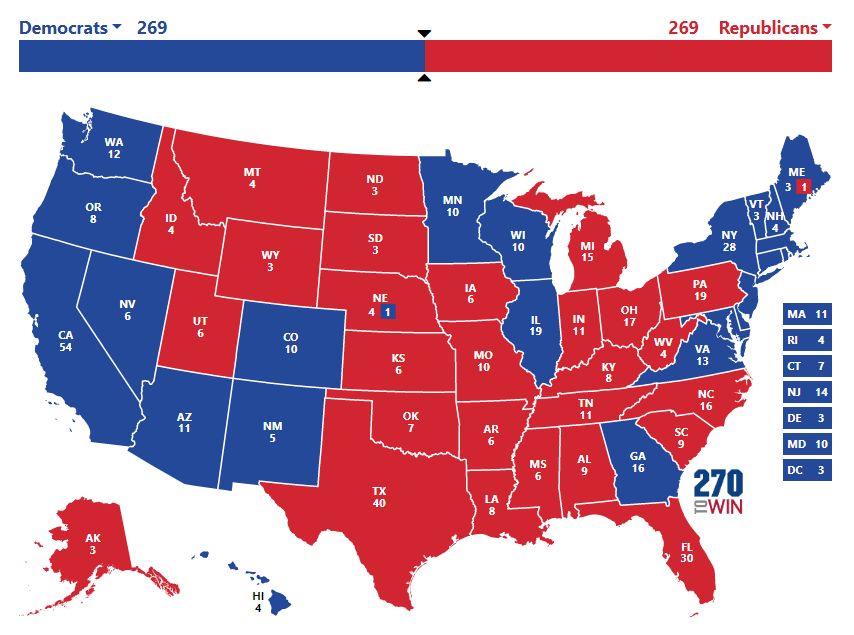
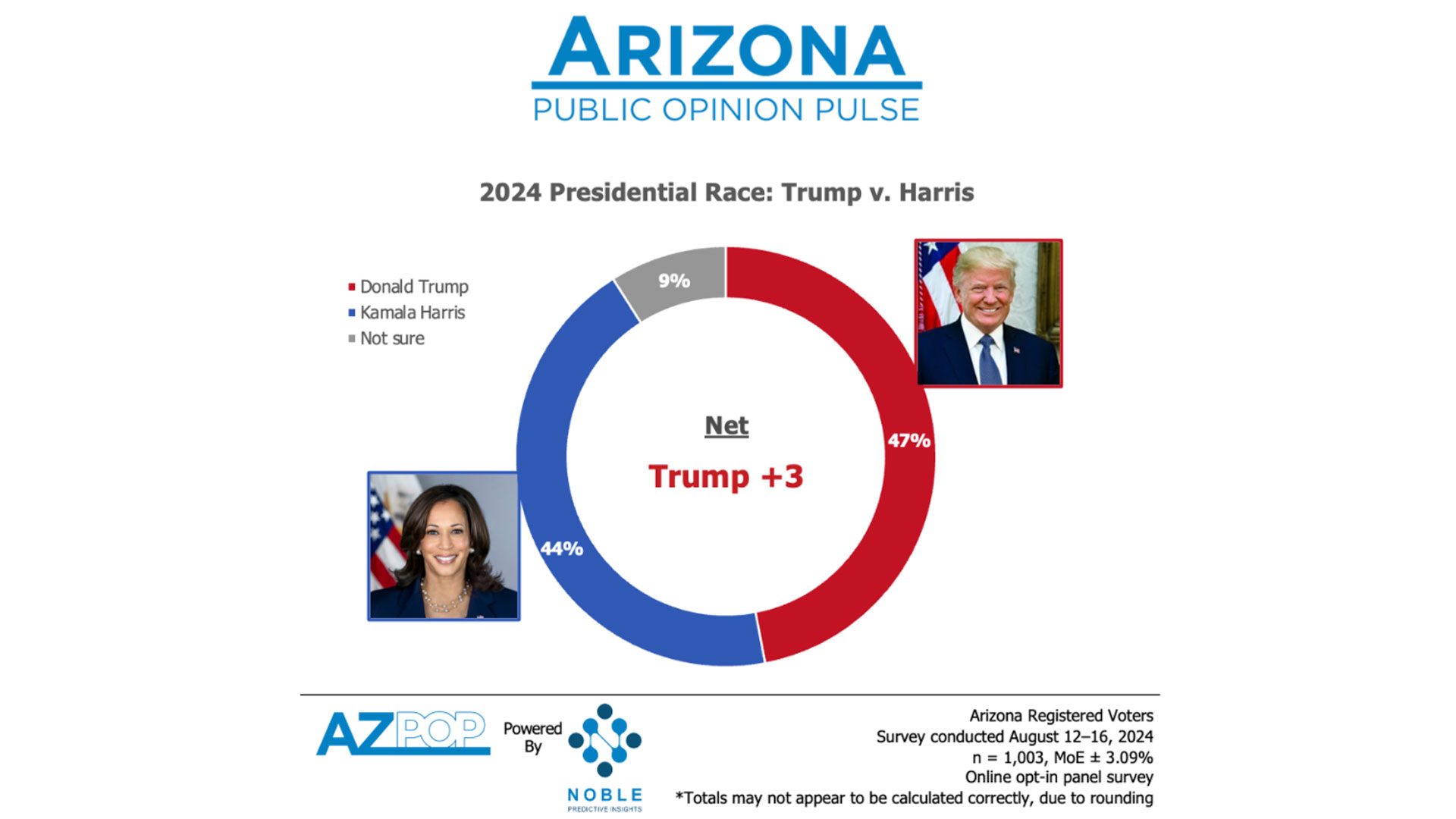
The presidential contest will undoubtedly draw national attention to Arizona. Given the narrow margins in recent presidential elections, the state’s electoral votes are highly coveted. The candidates’ ability to mobilize their base, appeal to independent voters, and navigate the state’s diverse demographic makeup will be critical. The outcome will likely depend on turnout in key counties like Maricopa County and the success of outreach to growing minority and suburban populations.
Senate and House Races
Arizona is also home to pivotal Senate and House races that will influence the balance of power in Congress. The Senate seat currently held by Kyrsten Sinema (who has since become an independent), and the seat previously held by the late Senator John McCain, have become focal points of national political battles. Several House districts are also considered swing districts, making the results of these races crucial for determining which party controls the House of Representatives.
State-Level Politics
Beyond federal elections, Arizona will also be electing its governor, state legislators, and numerous other state and local officials in 2024. The governor’s race, in particular, is often seen as a bellwether for the state’s political direction. The composition of the state legislature will also determine the pace and direction of policy in Arizona for years to come, impacting everything from education to environmental regulations and economic development.
Conclusion: An Evolving Political Identity
In conclusion, Arizona in 2024 is best characterized as a purple state, a significant departure from its historical identity as a reliably Republican stronghold. The confluence of demographic shifts, evolving voter priorities, and intense political competition has transformed it into a key battleground. While Republican voters remain a substantial force, the increasing influence of Latino voters, suburbanites, and younger demographics means that Democrats have a genuine opportunity to make gains. The outcome of the 2024 elections in Arizona will not only shape the state’s future but will also have implications for national political trends. The political identity of Arizona is not static; it is a dynamic entity, constantly adapting to new influences and presenting a compelling case study in American political evolution.
LifeOutOfTheBox is a participant in the Amazon Services LLC Associates Program, an affiliate advertising program designed to provide a means for sites to earn advertising fees by advertising and linking to Amazon.com. Amazon, the Amazon logo, AmazonSupply, and the AmazonSupply logo are trademarks of Amazon.com, Inc. or its affiliates. As an Amazon Associate we earn affiliate commissions from qualifying purchases.