
For anyone dreaming of a sun-drenched escape, a vibrant new chapter, or simply understanding the economic pulse of one of America’s most iconic states, knowing the minimum wage in California is more than just a statistic—it’s a window into the cost of living, the price of adventure, and the overall lifestyle experience. As of January 1, 2024, the Golden State has set its statewide minimum wage at a robust $16.00 per hour for all employers, regardless of their size. This places California among the leaders in the United States for hourly worker compensation, reflecting a commitment to supporting its workforce but also shaping the economic landscape for everyone, from intrepid travelers to new residents.

But the story of California’s minimum wage is far more intricate than a single statewide figure. A mosaic of local ordinances means that in many cities and counties, the minimum wage can soar even higher, creating a nuanced financial environment that influences everything from the price of a gourmet meal in San Francisco to the cost of a long-term rental in Los Angeles. Understanding these complexities is vital for anyone planning to immerse themselves in California’s unique blend of natural beauty, cultural richness, and dynamic opportunities.
Understanding California’s Minimum Wage Landscape
The foundation of California’s wage structure is its statewide minimum, a benchmark that underscores the state’s dedication to fair labor practices. However, to truly grasp the financial realities of visiting, living, or working here, one must delve into the layers of local regulations that often surpass this state-mandated baseline.
The Statewide Standard
As mentioned, the $16.00 per hour statewide minimum wage is a significant starting point. This rate applies uniformly across all industries and to businesses of every size. For employees, it offers a baseline of economic security, contributing to the state’s overall higher standard of living. For employers, it means higher operational costs, which inevitably get factored into the prices of goods and services. This initial figure is crucial for anyone budgeting a trip, as it directly impacts the labor costs reflected in everything from your hotel room rate to the price of a souvenir. For job seekers considering a move, it provides a clear minimum expectation for entry-level positions.
One important distinction in California labor law is the absence of a “tip credit.” Unlike some other states where tips can be counted towards an employee’s minimum wage, in California, tipped employees (such as servers and bartenders) must still be paid the full minimum wage before any tips are added. This ensures a consistent base income for service workers, which in turn means that the prices at your favorite restaurants and cafes are set to cover these full wages, rather than relying solely on gratuities. This policy, while beneficial for employees, is one of the many factors contributing to the higher cost of dining out in popular destinations like San Diego or Oakland.
Local Nuances: When Cities Set the Bar Higher
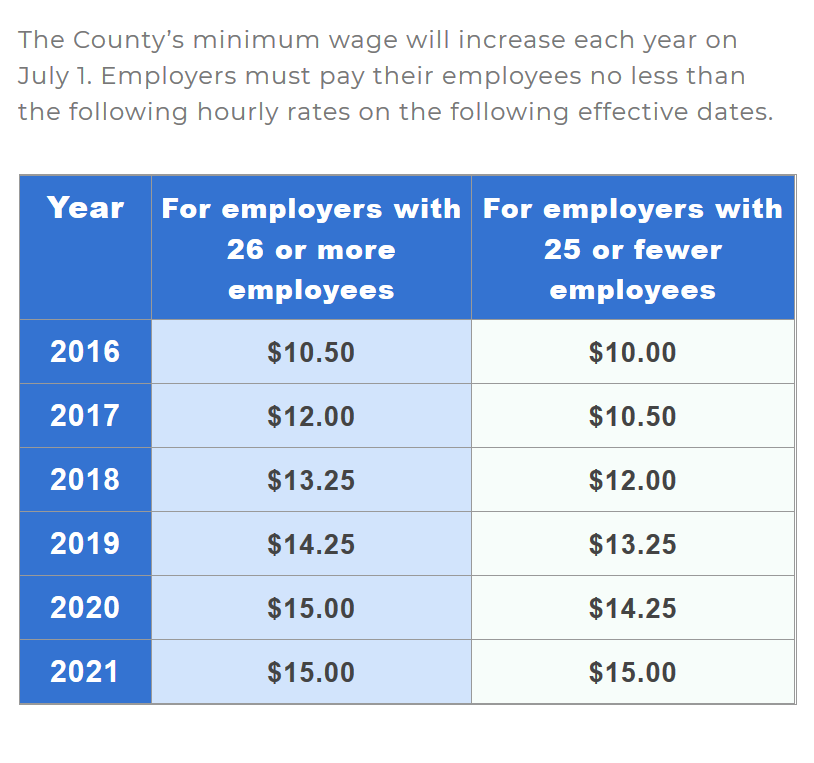
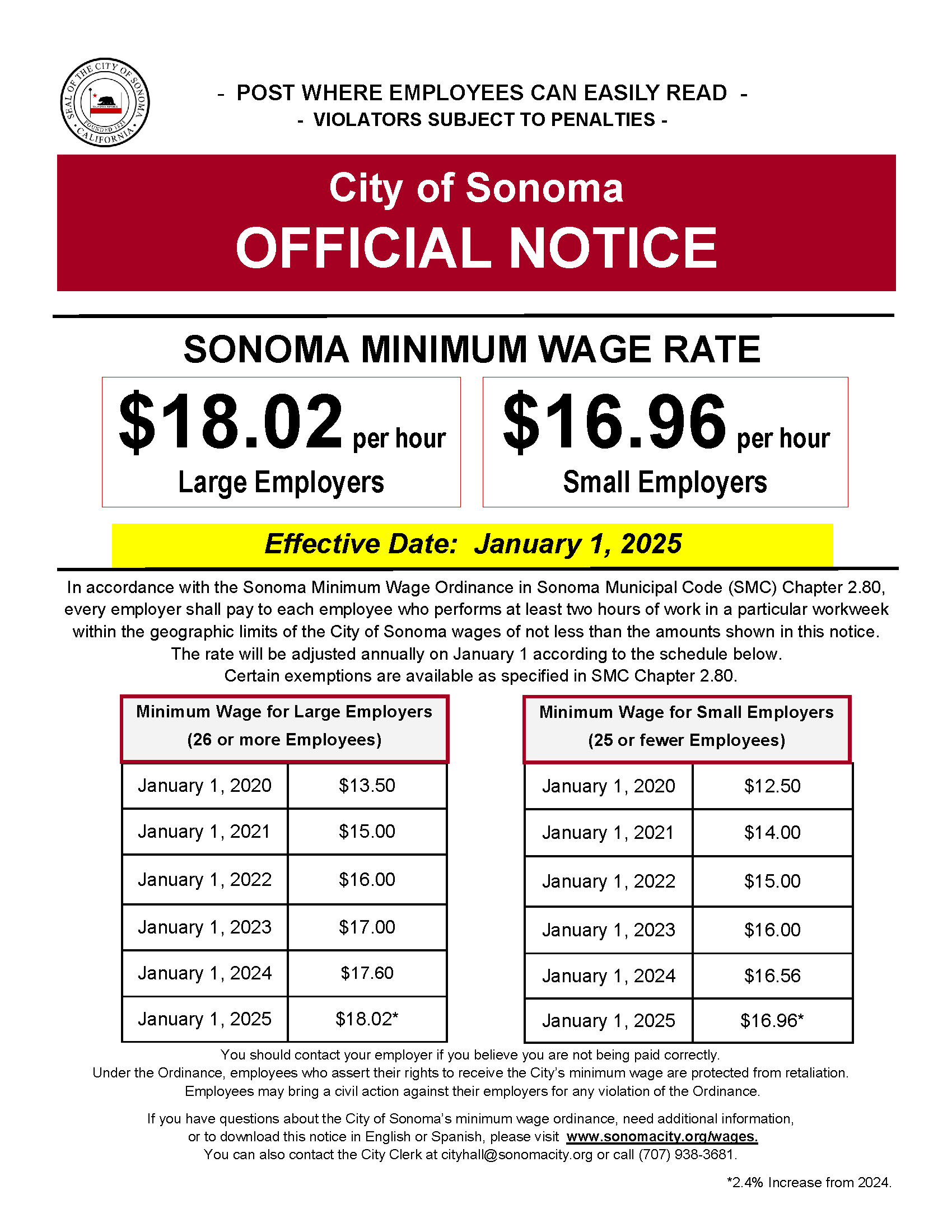
Where California truly distinguishes itself is in its proliferation of local minimum wage ordinances. Many cities and counties, particularly in major metropolitan areas, have taken it upon themselves to establish minimum wages that significantly exceed the state’s baseline. This reflects local governments’ efforts to address the even higher cost of living prevalent in their specific jurisdictions.
For example, vibrant urban centers like San Francisco, San Jose, Los Angeles, and Oakland have historically been at the forefront of implementing these higher local minimums. In these areas, it’s not uncommon to find minimum wages surpassing $18 or even $19 per hour, creating a patchwork of regulations across the state. This means that a barista working in Berkeley might earn a different hourly rate than one working just a few miles away in an unincorporated county area.
This localized approach has profound implications for both visitors and potential residents. For travelers, it means that the cost of services, accommodations, and dining can vary considerably even within a relatively small geographic region. A weekend getaway to Palo Alto, for instance, might entail higher daily expenses than a trip to a smaller town in the Central Valley, purely due to these wage differences being passed on to consumers. For those considering relocation, understanding these local variations is paramount for accurate budgeting, as the true “cost of living” is deeply tied to the minimum wage employers must pay in a specific city.
The Ripple Effect: Minimum Wage and Your California Experience
California’s elevated minimum wage is a cornerstone of its economic identity, and its impact reverberates through almost every aspect of a visit or a life lived in the state. From the moment you book your accommodation to the last souvenir you purchase, the cost of labor plays a role in shaping your experience.
Navigating Accommodation Costs
One of the most immediate impacts felt by travelers is on accommodation costs. Hotels, resorts, short-term rentals, and even extended-stay apartments in sought-after destinations are all subject to the higher labor expenses associated with a generous minimum wage. Staff wages for reception, housekeeping, maintenance, and dining services are significant operational costs for any hospitality business. When these wages are higher, they inevitably influence room rates.
In popular tourist hubs like San Francisco, Los Angeles, San Diego, and coastal gems like Santa Clara or West Hollywood, this translates into some of the highest accommodation prices in the United States. Luxury travelers will find opulent resorts and boutique hotels offering world-class amenities at prices reflecting premium service. Budget travelers, however, will need to be more strategic. This might mean exploring hostels, utilizing platforms like Airbnb for more localized stays, or considering accommodations slightly outside the most central and expensive districts. For instance, staying in a neighboring town and commuting into a major city can often yield significant savings, allowing your travel budget to stretch further.
Dining and Entertainment: Budgeting for Golden State Flavors and Fun
The vibrant culinary scene and diverse entertainment options are major draws to California. However, the high minimum wage has a direct bearing on the cost of enjoying these experiences. Restaurant prices, from casual diners to Michelin-starred establishments, reflect the wages paid to chefs, servers, dishwashers, and other staff. This makes dining out a more significant budget item than in many other parts of the country.
For instance, a simple lunch in Los Angeles or Emeryville might cost noticeably more than an equivalent meal in a state with a lower minimum wage. Savvy travelers might opt for self-catering options if their accommodation includes kitchen facilities, explore local farmers’ markets for fresh produce, or seek out happy hour specials and more casual eateries to manage dining expenses.
Similarly, entertainment venues, theme parks such as Disneyland and Universal Studios Hollywood, museums, and attractions also factor in their labor costs. The staff required to operate rides, manage ticketing, maintain facilities, and provide customer service are paid at California’s higher rates. While the unparalleled experiences offered are often well worth the price, it’s crucial for visitors, especially families, to factor these costs into their vacation budget, perhaps by purchasing multi-day passes or looking for package deals.
Transportation and Daily Expenses
While the minimum wage doesn’t directly dictate the price of gasoline, California is known for its high fuel prices, which add another layer to overall travel expenses, particularly for those planning road trips across scenic routes like Highway 1. For ride-sharing services and taxis, driver wages and operational costs can also be influenced by the state’s labor standards, leading to potentially higher fares compared to other regions.
Beyond the major categories, everyday items like groceries, retail goods, and personal services can also see upward pressure due to the combined effect of higher labor costs and the general cost of living. For a long-term visitor or new resident, understanding these baseline expenses is crucial for a realistic financial plan.
Industry-Specific Wages: What You Need to Know
Beyond the general statewide and local minimums, California has recently implemented, or is poised to implement, even higher minimum wages for specific industries. These targeted increases reflect particular workforce needs and economic considerations, and they further complicate the wage landscape.
Spotlight on Healthcare and Fast Food
Two notable examples illustrate this trend. As of June 1, 2024, a new law will introduce a higher minimum wage for certain healthcare workers across the state. Depending on the type and size of the healthcare facility—ranging from large hospitals and clinics to nursing homes and dialysis centers—this minimum will fall between $18 and $25 per hour. This significant boost aims to support essential workers in a critical industry, but it will also inevitably affect healthcare costs and the operational budgets of these facilities.
Even more widespread in its immediate impact is the change for fast food workers. Effective April 1, 2024, the minimum wage for employees of national fast food chains (those with at least 60 establishments nationwide) will increase to an impressive $20.00 per hour. This move significantly elevates compensation for a substantial segment of California’s workforce. For the average consumer, this means that while ordering a burger or a burrito might become slightly more expensive, it also reflects a commitment to providing a living wage for often entry-level positions within a massive industry. This particular increase directly impacts budget travelers and families who often rely on fast food as an affordable dining option.
The Importance of Checking Local Ordinances
Given this intricate web of statewide, local, and industry-specific wage laws, it cannot be stressed enough how vital it is for both employees and employers to verify the precise minimum wage applicable to their specific city or county. Cities like Berkeley, Emeryville, Palo Alto, Santa Clara, and West Hollywood consistently rank among those with the highest local minimum wages, sometimes reaching well over $19 per hour.
For individuals planning to work in California, even temporarily, researching these local ordinances is essential for understanding expected income. For businesses, compliance is not just good practice but a legal necessity, making the local wage environment a crucial factor in operational planning and pricing strategies. This dynamic system ensures that the minimum wage remains a central, evolving discussion in the Golden State’s economic narrative.
Planning Your Journey: Tips for Travelers and New Residents
Navigating California’s unique economic landscape, shaped significantly by its minimum wage policies, is crucial for anyone looking to make the most of their time in the state, whether for a dream vacation or a permanent move.
Smart Budgeting for Your California Adventure
For visitors, effective budgeting is key to enjoying California without breaking the bank. Factor in higher daily expenses for food, lodging, and activities. Consider these strategies:
- Accommodation Research: Book hotels or other accommodations well in advance, especially for peak seasons or popular destinations like San Francisco or San Diego. Explore options like boutique apartments, hostels, or staying slightly outside city centers for potentially better rates. Platforms like Airbnb can offer diverse price points.
- Transportation Alternatives: Utilize California’s extensive public transportation systems in major cities, carpool with travel companions, or consider walking/biking where feasible. This reduces reliance on potentially expensive ride-sharing or fuel costs.
- Dining Smart: Balance fine dining with more budget-friendly options. Explore local food trucks, farmers’ markets, or casual eateries. Pack picnics for scenic drives or beach days to save on restaurant bills. Remember, the $20 minimum wage for fast food workers might make those options a bit pricier than you’re used to, but they still offer convenience.
- Free and Low-Cost Attractions: California is rich in natural beauty and free attractions. Enjoy its stunning beaches, hike in state parks (though some may have parking fees), visit free museums on specific days, or simply explore vibrant neighborhoods on foot.
- Travel Style: Whether you prefer luxury travel, budget travel, or family trips, understanding the cost implications of the minimum wage allows you to tailor your itinerary. High-end resorts and exclusive experiences will naturally come with a premium, but careful planning can ensure even a budget-conscious family can enjoy the Golden State’s wonders.
Relocation Realities: What to Expect When Moving
For those considering a move to California, especially to its major cities, a realistic understanding of the cost of living is paramount. The higher minimum wage directly correlates with elevated costs for housing, utilities, groceries, and daily necessities.
- Housing is Key: Be prepared for significantly higher rental or purchase prices for housing compared to many other states. Research specific neighborhoods and cities meticulously, as costs can vary drastically.
- Budgeting for Daily Life: Create a detailed budget that accounts for higher prices across the board. While a higher minimum wage offers better earning potential, it often means a higher “living wage” is required to comfortably reside in California’s most desirable areas.
- Understanding Services: Recognize that services, from hairdressers to home repairs, will also reflect the higher labor costs, so factor these into your long-term financial planning.
Job Market Insights for the Golden State
While the prospect of a higher minimum wage is attractive, it also means that employers face higher labor costs. This can influence hiring practices and the availability of certain entry-level positions.
- Research Industry Wages: For job seekers, it’s crucial to research specific industry wages and local economic conditions in your target cities. The industry-specific minimums for healthcare or fast food workers are good examples of how wages can differ substantially.
- Networking and Skills: Networking within your desired industry and demonstrating valuable skills can help you secure positions that offer compensation well above the minimum wage, particularly in competitive markets like tech in San Jose or entertainment in Los Angeles.
- Temporary Work: For those planning an extended stay or working seasonally, understanding these wage nuances ensures you are fairly compensated and can budget appropriately for your time in California.
The Evolving Landscape: Future Minimum Wage Adjustments
California’s minimum wage is not a static figure. It is typically subject to annual adjustments, often tied to inflation as measured by the Consumer Price Index (CPI), ensuring that its purchasing power is maintained over time. Additionally, new legislative mandates, like those seen for healthcare and fast food workers, can introduce further, more significant changes.
These ongoing adjustments will continue to shape the economic landscape of the state, influencing everything from business investment decisions to consumer spending habits. For residents, this means a dynamic income environment. For visitors, it implies that the cost of experiencing California will evolve, necessitating ongoing awareness for accurate travel planning. Staying informed about these changes, whether through government labor department websites or reputable economic news sources, is vital for anyone engaging with California’s vibrant and ever-changing economy.
Conclusion
California’s minimum wage, set at $16.00 per hour statewide as of January 1, 2024, with many cities and specific industries mandating even higher rates, firmly establishes it among the highest in the nation. While this offers attractive compensation for its workers, it undeniably contributes to the state’s elevated cost of living and, by extension, impacts prices for tourists across accommodation, dining, and activities.
Understanding this complex economic landscape—from the variations of local ordinances to the implications of industry-specific wages—is absolutely essential for anyone looking to live, work, or travel in the Golden State. From the bustling streets of San Francisco to the vibrant culture of Los Angeles and the serene beaches of San Diego, every experience in California is, in some way, shaped by its unique and forward-thinking economic policies. By being informed and planning accordingly, you can fully embrace the richness and diversity that California has to offer, regardless of your budget or purpose.
LifeOutOfTheBox is a participant in the Amazon Services LLC Associates Program, an affiliate advertising program designed to provide a means for sites to earn advertising fees by advertising and linking to Amazon.com. Amazon, the Amazon logo, AmazonSupply, and the AmazonSupply logo are trademarks of Amazon.com, Inc. or its affiliates. As an Amazon Associate we earn affiliate commissions from qualifying purchases.