
While delving into the specifics of the minimum wage in Oklahoma might seem like a straightforward economic query, for those planning a visit or considering a longer stay, it touches upon several fascinating aspects of the state’s lifestyle and economy. Understanding the prevailing wage can offer insights into the cost of living, the affordability of various experiences, and even influence how one approaches budget travel or considers business stays in the Sooner State. From exploring the vibrant tourism scene to finding the perfect accommodation, the economic underpinnings, including minimum wage, subtly shape the traveler’s experience.

The Foundation: Understanding Oklahoma’s Minimum Wage
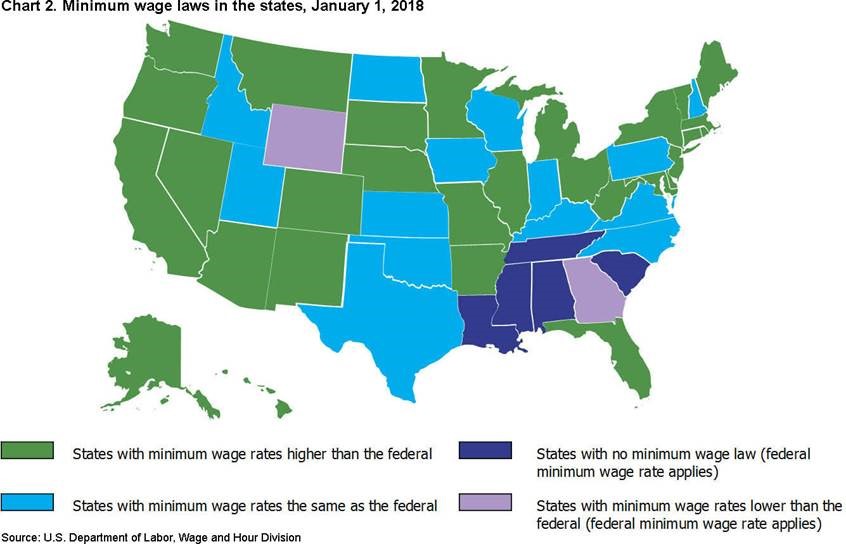
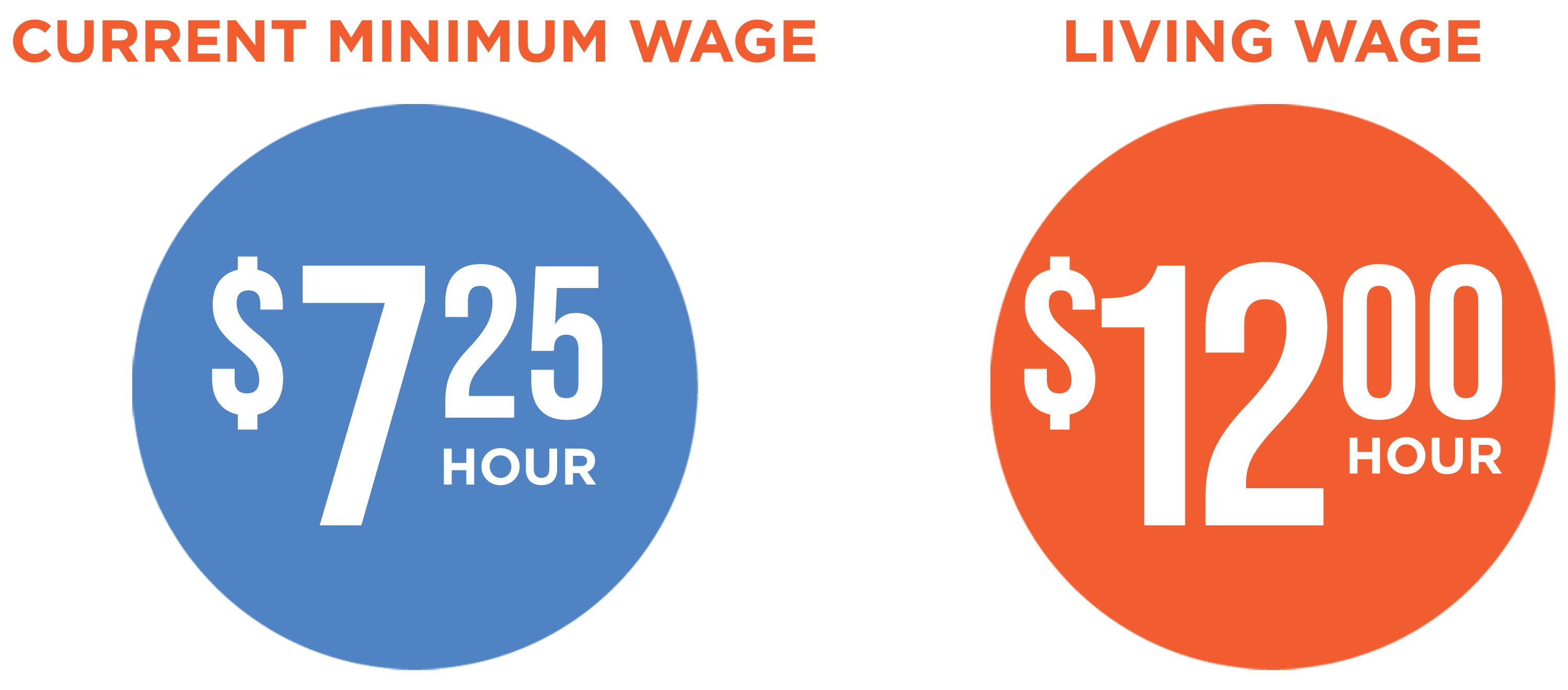
At its core, the minimum wage in Oklahoma is set by federal law, as there is no state-specific minimum wage that supersedes it. This means that the United States‘ federal minimum wage of $7.25 per hour applies to most employees in Oklahoma. However, it’s crucial to understand that this figure can be a starting point, and several factors can influence the actual hourly rate an employee receives, particularly within the context of the United States‘ diverse economic landscape.
Federal Minimum Wage and its Application in Oklahoma
The United States‘ federal minimum wage of $7.25 per hour has remained unchanged since 2009. This consistent rate is the baseline for employers across the country, including those operating in Oklahoma. For many hourly workers in sectors like retail, food service, and hospitality, this figure represents their statutory minimum earning potential. However, the reality on the ground can be more nuanced.
Tipped Employees: A Special Consideration
A significant exception to the standard federal minimum wage in Oklahoma, as in many other states, applies to tipped employees. These are workers who customarily and regularly receive more than $30 per month in tips. For these individuals, employers are permitted to pay a lower direct wage, known as the “cash minimum wage,” provided that the employee’s tips, when added to this cash wage, equal at least the federal minimum wage of $7.25 per hour. In Oklahoma, the cash minimum wage for tipped employees is $2.13 per hour.
This two-tiered wage system is a common practice in the United States and directly impacts the income of countless individuals working in the tourism and hospitality industries, which are vital to Oklahoma‘s economy. Understanding this distinction is particularly important for travelers who might be engaging with service staff at hotels, restaurants, or attractions. While the $7.25 per hour is the legal floor, the expectation of tips often forms a substantial portion of a tipped employee’s actual earnings.
State vs. Federal: The Absence of a Higher State Minimum Wage
Unlike some other United States states, Oklahoma has not enacted its own minimum wage law that sets a higher rate than the federal standard. This means that when federal and state laws differ, the employee is entitled to the higher standard. In Oklahoma, since there isn’t a higher state-mandated minimum wage, the federal $7.25 per hour is the operative minimum wage for non-tipped employees. This can have implications for the overall cost of living and disposable income for lower-wage earners in the state, influencing their lifestyle choices and their ability to patronize various services and attractions.
Economic Impact and Lifestyle Implications
The minimum wage in any region is more than just a number; it’s a significant economic indicator that influences a wide range of lifestyle factors for both residents and visitors. In Oklahoma, the federal minimum wage of $7.25 per hour has broader implications, affecting everything from budget travel considerations to the overall economic health that underpins the state’s tourism and accommodation sectors.
Affordability and Budget Travel in Oklahoma
For budget-conscious travelers, understanding the minimum wage can provide a general sense of Oklahoma‘s affordability. A lower minimum wage can sometimes correlate with lower costs for everyday goods and services, which can translate into more affordable accommodation options, dining experiences, and local activities. For instance, when exploring attractions like the Oklahoma City National Memorial & Museum or enjoying the natural beauty of the Wichita Mountains Wildlife Refuge, knowing that the general cost of living might be more accessible can enhance the appeal of a budget-focused itinerary.
Conversely, a lower minimum wage can also mean that a larger portion of the population has less disposable income. This can impact the demand for higher-end luxury travel experiences and may mean that the tourism industry relies more heavily on visitors from outside the state for its more premium offerings. However, Oklahoma offers a diverse range of experiences, from the rustic charm of a stay in a villas near the Ozark Mountains to the bustling urban centers like Tulsa, ensuring there’s something for every budget.
Impact on the Hospitality and Tourism Industry
The tourism industry, which encompasses hotels, resorts, and a vast array of local experiences, is a significant employer in Oklahoma. The minimum wage directly affects the labor costs for businesses in this sector. A lower minimum wage can allow businesses to operate with potentially lower overheads, which can, in turn, translate into more competitive pricing for hotels, tours, and other services. This is particularly relevant when considering accommodation options, from seeking out budget-friendly apartments for a longer stay to booking a suite at a well-appointed resort.
However, there’s also a delicate balance. While lower labor costs can be advantageous for businesses, very low wages can also lead to employee turnover and challenges in attracting and retaining skilled staff. This can indirectly affect the quality of service and the overall guest experience. Therefore, while the $7.25 federal minimum wage is the legal benchmark, many businesses, especially those competing for talent or aiming for a higher standard of service, may offer wages that are above this baseline. This is a common trend in competitive markets and can be observed across various cities, from Oklahoma City to smaller towns rich in local culture.
The Gig Economy and Alternative Income Streams
In the context of a $7.25 federal minimum wage, the rise of the gig economy presents an alternative or supplementary income stream for many individuals in Oklahoma. Platforms for ride-sharing services, delivery, and freelance work can offer opportunities for workers to earn beyond the traditional hourly minimum. This flexibility is particularly attractive to students, part-time workers, or those looking to supplement their primary income. For visitors, this can mean more readily available services, such as taxis or food delivery, even during peak hours or in less populated areas. The interconnectedness of the gig economy with lifestyle choices, including budget travel, is a modern phenomenon that is as relevant in Oklahoma as it is anywhere else in the United States.
Exploring Oklahoma: Experiences Beyond the Wage
While understanding the minimum wage offers a lens through which to view Oklahoma‘s economy and affordability, the true essence of the state lies in its rich tapestry of attractions, culture, and experiences. From historic landmarks to natural wonders, Oklahoma offers a diverse range of travel opportunities that cater to every interest and budget.
Landmarks and Natural Wonders
Oklahoma boasts a remarkable array of landmarks and natural attractions. For history buffs, the Oklahoma City National Memorial & Museum stands as a poignant tribute. Architectural marvels can be found in cities like Tulsa, with its vibrant Art Deco heritage, evident in buildings like the Philtower Building. Nature lovers can find solace and adventure in the vast Wichita Mountains Wildlife Refuge, with its rugged beauty and diverse wildlife, or explore the picturesque landscapes of the Ozark Mountains that stretch into the state’s eastern reaches. The Pioneer Woman Museum in Pawhuska offers a glimpse into the state’s pioneering spirit.
Cultural Immersion and Local Flavors
Oklahoma‘s local culture is deeply rooted in its history, including a significant presence of Native American heritage. Exploring tribal museums, attending cultural events, and understanding these traditions adds a profound layer to any visit. The culinary scene is equally diverse, ranging from authentic Southern comfort food to innovative new establishments. Trying a classic Oklahoma onion burger or exploring the farm-to-table movement provides a true taste of the state. Exploring local markets and food festivals is an excellent way to connect with the local lifestyle and discover regional specialties.
Accommodation and Lifestyle Choices
Whether you’re planning a short family trip, a business stay, or an extended exploration, Oklahoma offers a wide spectrum of accommodation options. From upscale resorts with extensive amenities to cozy bed and breakfasts and practical apartments for longer visits, there are choices to suit every preference and budget. Consider a stay at a historic hotel in Tulsa, a lakeside resort, or a charming guesthouse in a smaller town. The variety of accommodation types allows travelers to tailor their experience, whether they are seeking a luxury travel experience or a more grounded, budget travel adventure. The Lifestyle section of this website can help you navigate the many options available, ensuring your stay in Oklahoma is both comfortable and memorable.
Ultimately, while the minimum wage in Oklahoma is a foundational economic aspect, it is the state’s vibrant spirit, its welcoming people, and its diverse attractions that truly define the Oklahoma experience for any visitor. The economic realities, including wage structures, contribute to the backdrop, but the memories are made in the exploration of its landmarks, engagement with its tourism offerings, and the simple joy of discovering a new place.
LifeOutOfTheBox is a participant in the Amazon Services LLC Associates Program, an affiliate advertising program designed to provide a means for sites to earn advertising fees by advertising and linking to Amazon.com. Amazon, the Amazon logo, AmazonSupply, and the AmazonSupply logo are trademarks of Amazon.com, Inc. or its affiliates. As an Amazon Associate we earn affiliate commissions from qualifying purchases.