
Understanding the present atmospheric conditions in a city as dynamic and varied as Chicago is crucial for anyone planning a visit, whether for business, leisure, or to experience its rich cultural tapestry. The “current temperature” is more than just a number; it’s a gateway to a host of planning considerations, from wardrobe choices and activity selections to understanding the broader atmospheric context of the Midwest. This article delves into the immediate weather situation in Chicago, offering insights relevant to travelers and locals alike, and situating it within the city’s unique climate patterns.
Decoding Chicago’s Immediate Climate
The primary determinant of a pleasant or challenging visit to Chicago often hinges on its immediate weather. Knowing the current temperature, alongside other key metrics like humidity, wind speed, and precipitation, allows for informed decision-making. This section focuses on providing a snapshot of these elements as they pertain to the present moment in the city.

Temperature and “Feels Like” Conditions
The reported temperature in Chicago is a vital statistic. However, it’s often more illuminating to consider the “feels like” temperature. This calculation takes into account factors such as wind chill and humidity, which can significantly alter how the ambient temperature is perceived by the human body. For instance, a brisk 40°F (4°C) might feel much colder on a windy day near Lake Michigan than it would in a sheltered urban canyon. Conversely, high humidity can make warm temperatures feel oppressively hot and sticky. Travelers should always check both the actual temperature and the “feels like” reading to accurately gauge comfort levels and dress appropriately for outdoor activities.
Wind and Precipitation Indicators
Wind is a significant characteristic of Chicago’s climate, earning it the moniker “The Windy City.” While this nickname has historical origins tied more to politics than actual wind speeds, it’s a descriptor that resonates with the city’s atmospheric reality. Current wind speed and direction are critical for understanding how the temperature will feel and can impact travel, especially for those planning activities on or near the water. High winds can make even moderate temperatures feel significantly cooler due to the wind chill effect.
Precipitation is another immediate concern. Is it raining, snowing, or is the sky clear? Current radar information can indicate the presence, intensity, and trajectory of any precipitation, allowing for timely adjustments to plans. A sudden downpour can curtail an outdoor festival in Grant Park, while a dusting of snow might transform the city’s architectural landscape into a winter wonderland, making a stroll along the Magnificent Mile a picturesque, albeit cold, experience.
Contextualizing the Current Temperature
While the immediate temperature is the most pressing concern for immediate plans, understanding its context within Chicago’s broader climate and recent weather trends offers a more complete picture. This section explores these contextual elements, providing a deeper appreciation for the city’s atmospheric behavior.
Seasonal Averages and Deviations
Chicago experiences four distinct seasons, each with its characteristic temperature ranges. Summers are typically warm to hot, with average highs in the 70s and 80s Fahrenheit (20s Celsius). Winters are cold, with average highs often hovering around freezing or below, and significant snowfall is common. Spring and autumn offer transitional periods, often characterized by pleasant, moderate temperatures, though they can be quite variable. Knowing the current temperature and comparing it to the seasonal average helps determine if the city is experiencing a typical day, an unseasonably warm spell, or an early cold snap. Such deviations can significantly influence the types of activities best suited for the day. For example, an unseasonably warm autumn day might still allow for comfortable exploration of the Art Institute of Chicago, while a surprisingly cold spring day might necessitate seeking indoor attractions.
Recent Weather Patterns and Forecast Implications
The current temperature is not an isolated event but rather a point in a continuous weather system. Examining recent weather patterns – was there a cold front that just passed, or is a warm air mass moving in? – can provide clues about the immediate future. This insight is invaluable for longer-term planning, such as booking a weekend getaway or arranging outdoor excursions. For instance, if the current temperature is unusually low and a strong low-pressure system is approaching from the west, it suggests that colder conditions and potential precipitation are likely to persist or worsen in the coming days. Conversely, a steady rise in temperature over several days might signal the arrival of a more pleasant weather period. This forward-looking perspective, informed by current conditions, is key for optimizing any visit to Chicago.
Implications for Travelers and Residents
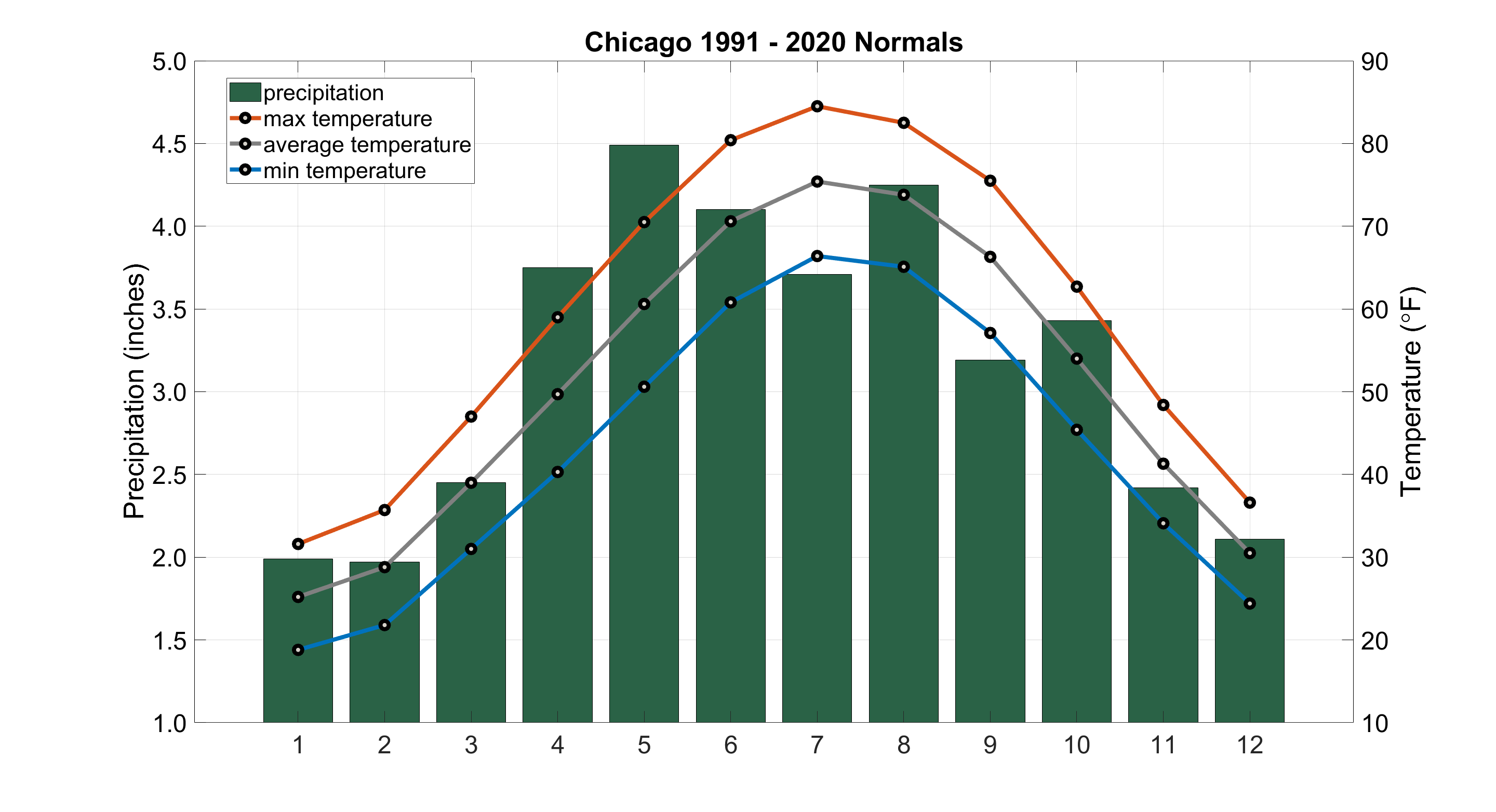
The current temperature in Chicago has direct and tangible implications for how one experiences the city. From practical considerations to leisure planning, understanding the immediate weather is paramount.
Wardrobe and Packing Essentials
The most immediate impact of the current temperature is on clothing choices. A quick check before stepping out ensures one is dressed for comfort and preparedness. During warmer months, lightweight, breathable fabrics are advisable, along with sun protection such as hats and sunglasses. Evenings can still bring a chill, especially near the lakefront, so a light jacket or sweater is often a good idea. In colder months, layers are key. Thermal base layers, insulated jackets, warm hats, gloves, and scarves are essential for combating the biting wind and sub-zero temperatures. Waterproof and windproof outer layers are highly recommended, especially if snow or rain is in the forecast. For those arriving in Chicago, packing appropriately for the current conditions, and anticipating potential changes, can make the difference between a delightful experience and an uncomfortable one.
Activity Planning and Outdoor Excursions
The current temperature significantly dictates the feasibility and enjoyment of outdoor activities. A warm, sunny day is perfect for exploring iconic landmarks like the Cloud Gate sculpture in Millennium Park, taking a leisurely stroll through Lincoln Park Zoo, or enjoying a boat tour on the Chicago River. A colder day, however, might steer visitors towards indoor attractions such as the Field Museum, the Shedd Aquarium, or catching a show in the vibrant Theater District. Even on a chilly day, a brisk walk along the lakefront can be invigorating, provided one is properly bundled. For those planning to dine al fresco, the current temperature is a deciding factor, while a significant drop might prompt a preference for Chicago’s world-class indoor dining scene, from Michelin-starred restaurants to cozy neighborhood eateries.
Transportation Considerations
The current temperature can also influence transportation choices. During extreme weather, whether blistering heat or freezing cold, relying on public transportation like the CTA ‘L’ trains or buses can be more comfortable than walking or waiting for ride-shares. Driving can also be affected; icy roads in winter can lead to slower commutes and hazardous conditions, while summer heat waves can lead to increased traffic congestion. Planning journeys with the current weather in mind can help avoid delays and ensure a smoother travel experience within the city. For instance, during a blizzard, relying on the extensive CTA network is often the most reliable way to navigate. Conversely, on a pleasant spring afternoon, a bike ride along the Lakefront Trail might be the ideal mode of transit.
Weather Phenomena Specific to Chicago
Chicago’s location on the shores of Lake Michigan and its position within the continental United States contribute to a unique set of weather phenomena that visitors should be aware of. Understanding these can further enrich one’s appreciation of the city’s climate.
Lake Effect and Microclimates
The proximity of Lake Michigan has a pronounced effect on Chicago’s weather, particularly its temperature. In the spring and early summer, the lake can remain significantly cooler than the surrounding land, leading to a “lake effect” that moderates temperatures near the shoreline. This means downtown areas and neighborhoods along the lakefront can often be several degrees cooler than areas further inland, especially on hot summer afternoons. Conversely, in the autumn and early winter, the lake can retain heat, sometimes leading to slightly milder conditions along the coast compared to inland areas, and also contributing to lake-effect snow. These localized variations are essentially microclimates within the larger metropolitan area.
Extreme Temperature Swings
Chicago is known for its dramatic temperature swings. It is not uncommon for the city to experience a significant change in temperature within a 24-hour period, often associated with the passage of cold fronts or warm fronts. A mild autumn day can quickly give way to a frosty morning, and a frigid winter spell can be temporarily broken by a brief thaw. These rapid changes mean that checking the weather forecast frequently, even within the same day, is a wise practice for anyone navigating the city. This variability adds to the city’s character, presenting different facets of its climate throughout the year.

Thunderstorms and Severe Weather
During the warmer months, Chicago can experience severe thunderstorms. These events can bring heavy rain, strong winds, lightning, and sometimes hail. While a powerful thunderstorm can be a dramatic spectacle, it also necessitates caution, especially for those engaging in outdoor activities or planning travel. Safety protocols should always be followed during severe weather events, including seeking shelter indoors and staying informed about weather alerts. The dramatic display of lightning over the city skyline, however, can be a breathtaking, albeit cautionary, sight.
By staying informed about the current temperature and understanding its broader climatic context, visitors and residents can better navigate and appreciate the vibrant and ever-changing city of Chicago. Whether planning a visit to iconic attractions like Navy Pier or simply commuting to work, a grasp of the immediate weather conditions is the first step towards a successful and enjoyable experience.
LifeOutOfTheBox is a participant in the Amazon Services LLC Associates Program, an affiliate advertising program designed to provide a means for sites to earn advertising fees by advertising and linking to Amazon.com. Amazon, the Amazon logo, AmazonSupply, and the AmazonSupply logo are trademarks of Amazon.com, Inc. or its affiliates. As an Amazon Associate we earn affiliate commissions from qualifying purchases.