
California, a state synonymous with sunshine, innovation, and diverse landscapes, operates on a fascinating temporal rhythm. While the immediate answer to “What time does California use?” is Pacific Time, understanding this temporal zone involves more than just a name. It’s about Daylight Saving Time, historical shifts, and how this affects the daily lives of residents and the experiences of millions of visitors who flock to the Golden State each year. For travelers planning a trip, a business trip, or even contemplating a long-term stay, grasping California’s timekeeping is crucial for seamless itinerary planning and a smooth arrival.
Understanding Pacific Time
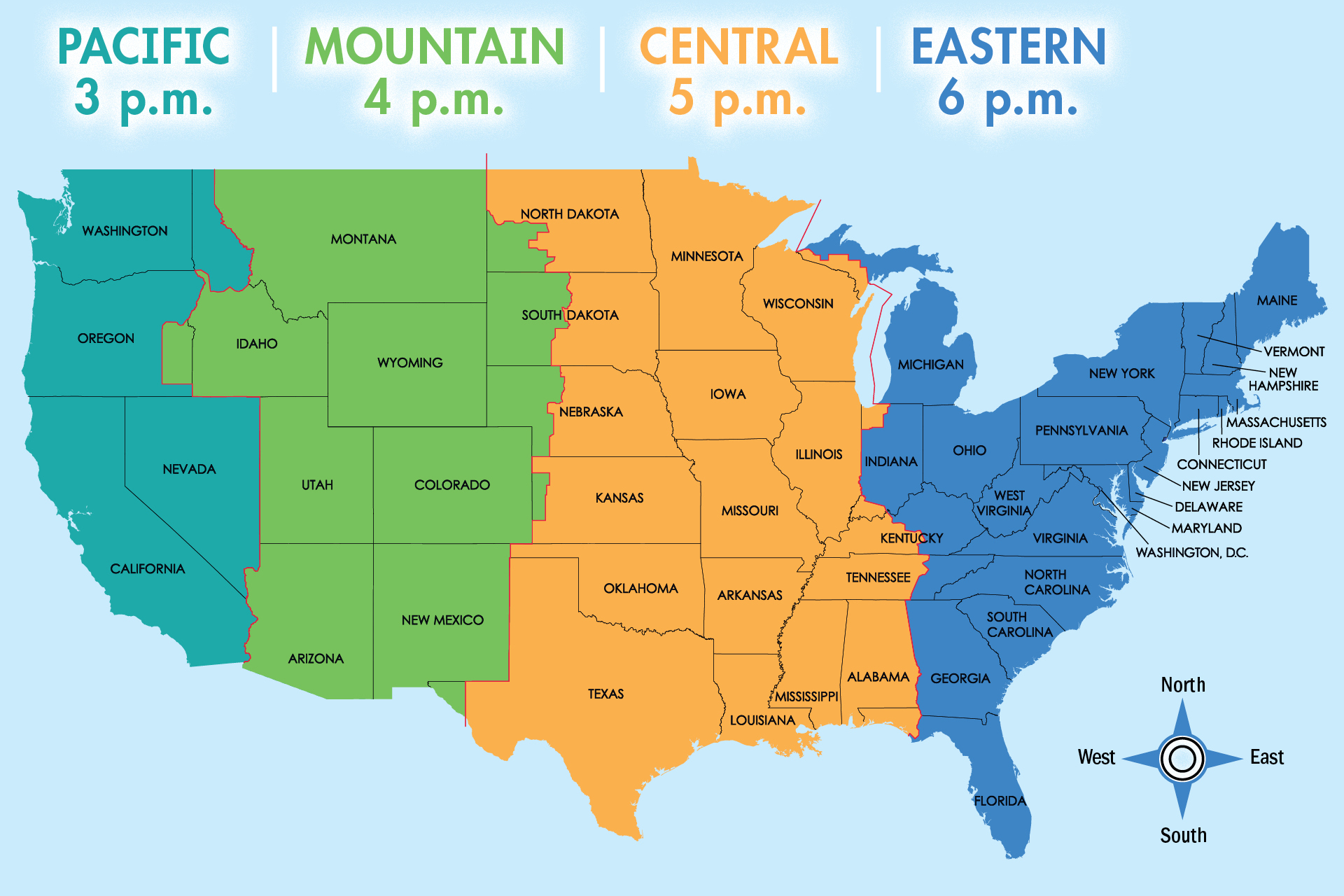
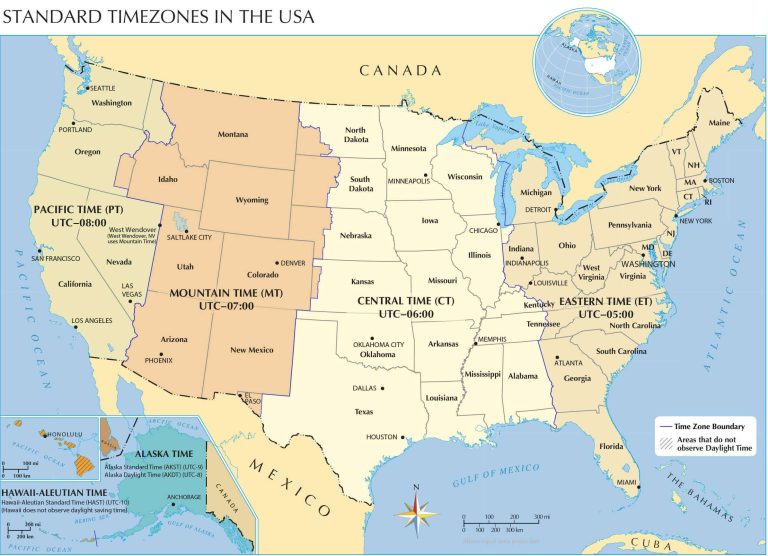
California observes the Pacific Time Zone (PT). This designation places it on Coordinated Universal Time (UTC) minus 8 hours during standard time (PST – Pacific Standard Time) and UTC minus 7 hours during daylight saving time (PDT – Pacific Daylight Time). This means that when it’s noon in California, it’s 3 PM in New York, 8 PM in London, and 5 AM the next day in Tokyo.
Pacific Standard Time (PST) vs. Pacific Daylight Time (PDT)
The shift between PST and PDT is a familiar annual ritual for most of the United States, and California is no exception.
Standard Time (PST)
From early November to mid-March, California adheres to Pacific Standard Time (PST). During these months, the sun rises and sets earlier, aligning more with the standard UTC-8 offset. This period offers a distinct atmospheric feel to the state, with crisp mornings and earlier evenings, especially noticeable in the vast desert regions like the Mojave Desert or during winter visits to the Sierra Nevada mountains.
Daylight Saving Time (PDT)
The transition to Pacific Daylight Time (PDT) typically occurs on the second Sunday in March, when clocks are moved forward one hour. This shift lasts until the first Sunday in November. The primary purpose of PDT is to maximize the use of natural daylight during warmer months, extending the daylight hours into the evening. For tourists, this means more light for exploring attractions in Los Angeles or enjoying the beaches of San Diego well into the evening. The extended daylight can significantly influence the timing of activities, from vineyard tours in Napa Valley to sunset hikes in Joshua Tree National Park.
Historical Context and Potential Future Changes
The adoption and observance of Daylight Saving Time in California have a history marked by debate and legislative action. While the current system of observing PDT is well-established, there have been ongoing discussions and initiatives regarding a permanent shift to either standard or daylight saving time year-round. These discussions often involve weighing the benefits of increased daylight in the evenings against potential disruptions to sleep patterns and economic impacts. Understanding this historical context provides a deeper appreciation for how time is managed within the state. Any future legislative changes could impact travel plans and daily routines for residents and visitors alike.
Impact on Travel and Tourism
California’s temporal alignment with the Pacific Time Zone has profound implications for its thriving travel and tourism industries. From booking accommodations to planning daily excursions, understanding time differences is a fundamental aspect of a well-executed trip.
Planning Your California Itinerary
When booking flights into major airports like Los Angeles International Airport (LAX) or San Francisco International Airport (SFO), it’s crucial to be aware of the destination’s local time. Jet lag is a common concern, especially for travelers coming from the Eastern Time Zone or international destinations. Adjusting to PDT or PST can take a day or two, and factoring this into your initial sightseeing plans is a wise move.
Time Zone Considerations for Activities
The extended daylight hours during PDT are a significant boon for outdoor activities. Imagine enjoying an evening stroll along the Santa Monica Pier or a late dinner in San Francisco’s North Beach with ample sunlight. Conversely, during PST, mornings might be cooler and darker, making them ideal for early morning visits to national parks like Yosemite National Park before the crowds arrive or for experiencing the serene beauty of the Big Sur coastline at dawn.

Coordinating with Accommodations and Services
When booking hotels such as the Beverly Hills Hotel or resorts like Terranea Resort, understanding the local time is essential for check-in and check-out times, as well as for scheduling any on-site amenities or dining reservations. Similarly, tour operators and attraction providers in cities like San Diego or theme parks such as Disneyland Park operate on Pacific Time, and it’s vital to confirm all booking times with this in mind. Missing a tour or a reservation due to a miscalculation of time zones can lead to significant disappointment.
The Impact of Business Travel
For business travelers, punctuality is paramount. California’s status as a global hub for technology, entertainment, and finance means that meetings often span across different time zones. Companies operating out of Silicon Valley, for instance, frequently engage with partners in the Eastern Time Zone or internationally. Understanding the 3-hour difference between PST/PDT and Eastern Standard Time (EST) or Eastern Daylight Time (EDT) is critical for scheduling teleconferences and in-person meetings. Miscommunications about meeting times can have significant professional repercussions.
Navigating Virtual Meetings
The rise of remote work and virtual meetings has amplified the need for precise time zone awareness. When scheduling a video conference with a team member in, say, Sacramento while you are in New York, specifying “Pacific Time” or “Eastern Time” is not enough; indicating PST or PDT (depending on the season) is crucial. Many scheduling tools automatically convert times, but it’s always prudent to double-check, especially when dealing with time-sensitive deliverables or tight deadlines.
Extended Stays and Local Integration
For individuals undertaking longer business assignments or even considering a long-term stay in California, adapting to the local time rhythm becomes part of the integration process. Understanding when businesses typically open and close, when public transportation is most active, and even when local restaurants are busiest can be influenced by the daylight hours and the general pace of life dictated by Pacific Time. This temporal familiarity contributes to a more authentic and seamless experience of living and working in the state.
Regional Variations and Time Zone Quirks
While California as a whole observes Pacific Time, there are nuances to consider, particularly for those venturing to the very edges of the state or comparing it with neighboring regions.
Bordering Time Zones
California shares borders with states that observe different time zones. To the east, Nevada largely operates on Pacific Time, but some of its eastern counties observe Mountain Time. Arizona, with the notable exception of the Navajo Nation, observes Mountain Standard Time (MST) year-round, meaning it remains on UTC-7 even when California is on PDT (UTC-7). This can lead to a one-hour difference during the summer months when California is on PDT and Arizona is on MST. This is especially relevant for travelers driving from Southern California towards destinations like the Grand Canyon National Park.
The Influence on Coastal and Inland Experiences
The vastness of California means that experiences can vary significantly between the coast and the inland areas, and time plays a subtle role. For instance, the dramatic sunsets over the Pacific Ocean are a major draw, and PDT significantly enhances the opportunity to enjoy these sights after a day of exploring attractions in cities like Santa Barbara or Monterey. Inland, in desert regions like Palm Springs, the extended daylight during PDT can make evening activities more comfortable before the temperatures soar during the day. Conversely, during PST, early sunsets might encourage earlier dinners and a focus on indoor activities or stargazing in famously dark sky locations.
Travel Tips for Navigating Time
To ensure a smooth travel experience in California, consider these practical tips related to time:
- Always double-check arrival and departure times for flights and trains, ensuring they are listed in local California time.
- When booking tours or making dinner reservations, confirm the time zone. It’s always better to clarify if it’s PST or PDT, especially if booking far in advance.
- Inform your contacts of your time zone when arranging calls or meetings. A simple “I’m on Pacific Daylight Time (PDT)” can prevent misunderstandings.
- Be aware of the date and time difference when communicating with friends and family back home.
- When renting a car, set your GPS to local time to avoid confusion.
- If you’re a digital nomad or remote worker, ensure your devices are set to automatically update their time and date to reflect the local California time zone.
By understanding the nuances of Pacific Time and its observance of Daylight Saving Time, travelers and residents can better plan their days, appreciate the rhythm of life in the Golden State, and make the most of all that California has to offer.
LifeOutOfTheBox is a participant in the Amazon Services LLC Associates Program, an affiliate advertising program designed to provide a means for sites to earn advertising fees by advertising and linking to Amazon.com. Amazon, the Amazon logo, AmazonSupply, and the AmazonSupply logo are trademarks of Amazon.com, Inc. or its affiliates. As an Amazon Associate we earn affiliate commissions from qualifying purchases.