
Planning a trip to the Golden State? California is renowned for its sun-kissed beaches, iconic landmarks, vibrant cities, and diverse landscapes. From the bustling streets of Los Angeles to the charming hills of San Francisco and the pristine wilderness of Yosemite National Park, there’s an adventure for every traveler. However, as you map out your itinerary and budget, one economic factor often overlooked by visitors but crucial for locals is the minimum wage. Understanding [California]’s minimum wage isn’t just an exercise in economics; it provides invaluable insight into the cost of living, the pricing of goods and services, and ultimately, the budget you’ll need for your [California] adventure.

For those considering a visit, the state’s minimum wage directly influences the cost of everything from your hotel room and dining experiences to tour prices and even the cup of coffee you grab before heading to Disneyland. It’s a reflection of the state’s commitment to a living wage for its residents, particularly those in the service and hospitality industries that cater directly to tourists. This article will delve into the intricacies of [California]’s minimum wage, exploring how it impacts the travel and tourism sector and offering practical advice for budgeting your unforgettable journey through the Golden State.
Understanding California’s Minimum Wage Landscape
[California] has consistently been at the forefront of the movement to establish a higher minimum wage. The goal is to ensure that workers can afford the state’s notoriously high cost of living, a factor that also impacts visitors. This commitment shapes the economic environment that travelers encounter, from the price of a night’s stay to the cost of a gourmet meal.Statewide Mandates and Local Nuances
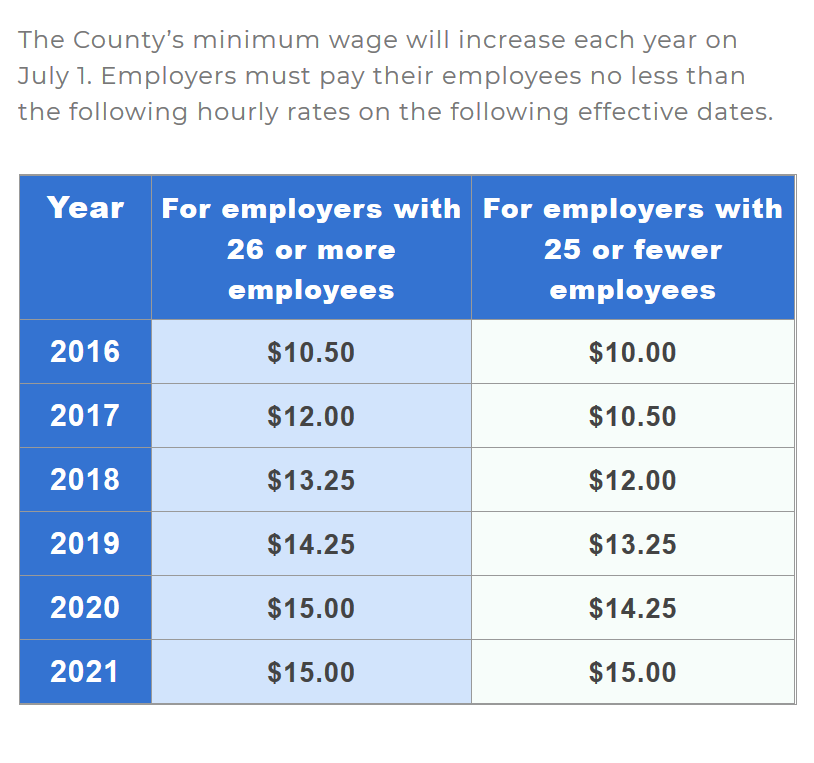
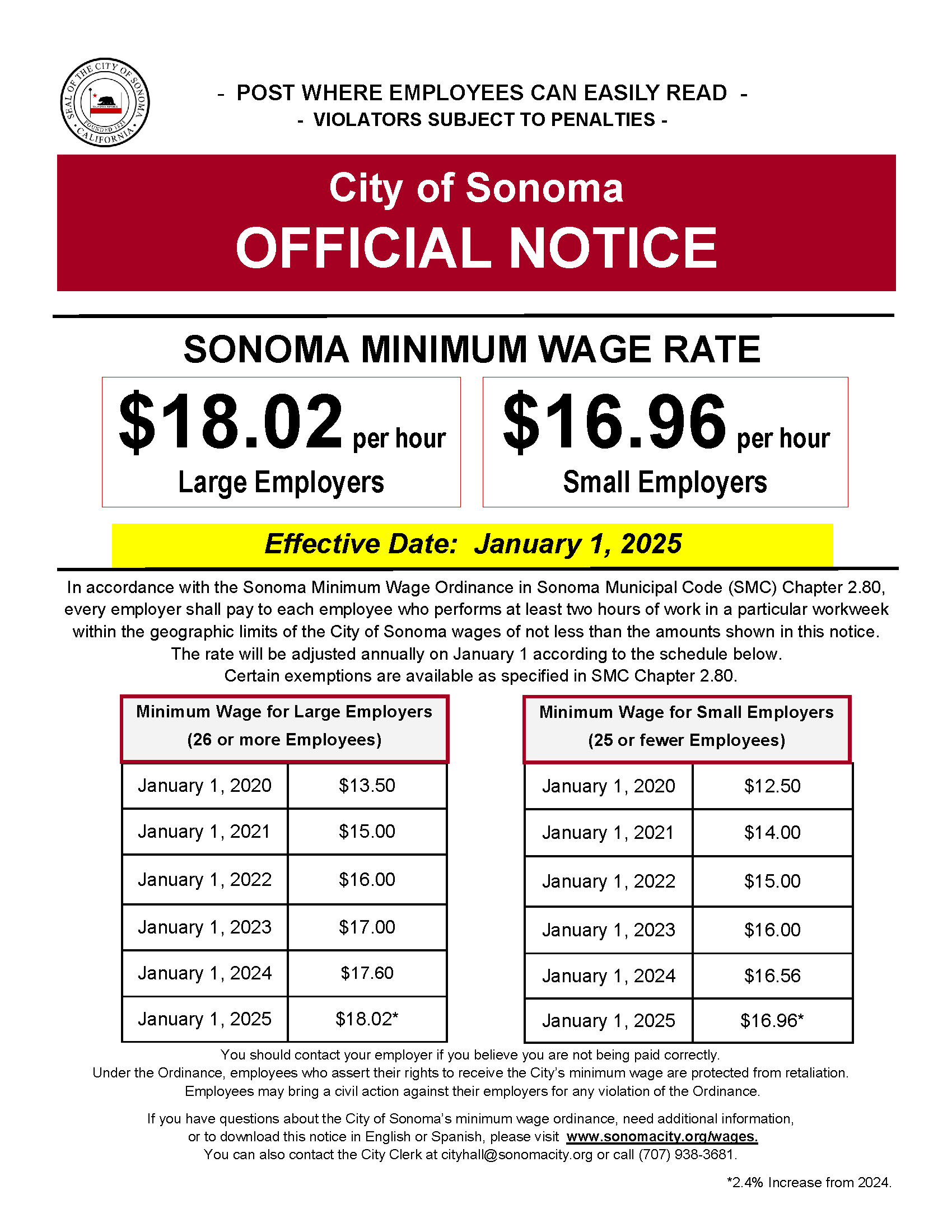
As of January 1, 2024, the statewide minimum wage in [California] is set at $16.00 per hour for all employers, regardless of size. This is a significant figure when compared to the federal minimum wage and many other states across the United States. However, it’s crucial for travelers to understand that this is merely the baseline. Many cities and counties within [California] have enacted their own local minimum wage ordinances that surpass the state’s requirement.
For instance, popular tourist destinations and major metropolitan areas often boast some of the highest local minimum wages in the country. Cities like San Francisco, Berkeley, Oakland, San Jose, and even Los Angeles County have implemented wages well above the state minimum, sometimes reaching $18-$19 per hour or more. This patchwork of regulations means that the hourly wage for a hotel cleaner in San Diego might differ substantially from that of a concierge in San Francisco or a ride-share driver in Palm Springs.
This nuance is particularly important for travelers because the cost of labor is a significant component of pricing in the service industry. A higher local minimum wage directly translates into higher operational costs for businesses, which are then often passed on to consumers through increased prices for accommodation, dining, and other tourism-related services.
A Living Wage in the Golden State
The rationale behind [California]’s progressive minimum wage policies is rooted in the concept of a “living wage.” Given the extremely high cost of housing, transportation, and daily necessities in many parts of the state, particularly in urban centers and coastal regions, a higher minimum wage is seen as essential for workers to meet their basic needs. While it might lead to higher prices for visitors, it also contributes to the economic stability of the communities you’ll be visiting.
For example, a hotel employee earning a competitive wage is more likely to stay in their job, leading to better-trained and more experienced staff. This, in turn, can enhance the quality of service you receive during your stay, from the cleanliness of your room to the efficiency of the check-in process. Understanding this context helps travelers appreciate that the prices they pay contribute not just to profit margins but also to sustaining the livelihoods of the people who make their travel experiences enjoyable.
The Ripple Effect: How Wages Impact Your California Trip
The minimum wage isn’t just a number; it’s an economic force that reverberates throughout [California]’s vast tourism and hospitality ecosystem. For travelers, this means anticipating how these wage policies translate into the real-world costs of their vacation.
Accommodation Costs: From Boutique Hotels to Budget Stays
Accommodation is often the largest single expense for travelers, and [California]’s minimum wage plays a direct role in shaping these costs. Hotels, resorts, and apartments rely heavily on a large workforce, including housekeeping staff, front desk agents, bellhops, maintenance crew, and concierges. These employees are typically paid at least the local minimum wage, and often more for specialized roles.
In popular destinations, the impact is pronounced. A luxury resort like The Ritz-Carlton Laguna Niguel or Four Seasons Santa Barbara will have a substantial payroll, with higher wages contributing to their overall operating expenses. This is reflected in their nightly rates. Similarly, boutique hotels such as Hotel Zeppelin San Francisco or even budget motels in Anaheim near theme parks face these increased labor costs. While they might operate on different price points, the underlying pressure of a higher minimum wage is universal.
Travelers should expect that room rates in [California] will generally be higher than in states with lower minimum wages. To mitigate this, consider booking well in advance, especially for peak seasons, and explore options like vacation rentals or extended-stay apartments if you’re planning a longer visit, as these might offer different cost structures.
Dining Experiences: From Michelin-Starred Restaurants to Casual Eateries
[California]’s culinary scene is world-renowned, offering everything from exquisite Michelin-starred restaurants to vibrant food trucks. The minimum wage impacts all facets of this diverse landscape. Chefs, line cooks, waitstaff, dishwashers, and bussers all contribute to your dining experience, and their wages are a significant portion of a restaurant’s operating budget.For a fine dining establishment like The French Laundry in Napa Valley, the high cost of skilled labor in [California]’s Wine Country contributes to its premium pricing. But even a casual cafe in Santa Monica or a burger joint in Long Beach will factor in these labor costs, leading to menu prices that are often higher than what you might find elsewhere in the country.
Furthermore, [California] has specific laws regarding tipped employees, where the standard minimum wage applies before tips. This means that restaurant owners cannot pay a lower “tipped minimum wage” like in some other states. As a result, diners are expected to tip for good service, typically 15-20% of the total bill, as this directly supplements the income of the service staff. When budgeting for food, always factor in these gratuities. To save money, consider exploring local markets, self-catering some meals if your accommodation allows, or seeking out happy hour deals.
Attractions, Tours, and Transportation
Beyond food and lodging, the minimum wage also influences the cost of activities and getting around. Entry fees for major attractions like Universal Studios Hollywood or guided tours of Alcatraz Island include the cost of employees working at ticket booths, as tour guides, or as park staff. The expertise of a local guide leading you through Big Sur or explaining the history of Hearst Castle comes with a price tag that reflects [California]’s wage standards.
Similarly, transportation services are affected. Whether you’re hailing a taxi, using ride-sharing apps like Uber or Lyft, or taking a local bus, the drivers and operational staff involved are compensated at or above the minimum wage. While public transportation in cities like San Francisco (Muni) and Los Angeles (Metro) often offers more budget-friendly options, the base fares for private services will reflect the higher labor costs.
Budgeting for Your Golden State Adventure
Understanding [California]’s minimum wage environment is the first step towards creating a realistic travel budget. While prices might be higher than in some other destinations, careful planning can ensure an incredible trip without breaking the bank.
Smart Planning and Savvy Choices
To maximize your travel dollars in [California], consider these smart strategies:
- Travel Off-Peak: Visiting during shoulder seasons (spring or fall) or even the winter months (outside of major holidays) can significantly reduce costs for flights and accommodation, as demand is lower.
- Utilize Public Transportation: In major cities, embracing public transport can save a lot compared to taxis or ride-shares. San Francisco’s BART and Muni system, or Los Angeles’ extensive Metro lines, can get you to many major attractions. For scenic drives, consider a road trip along the Pacific Coast Highway, but factor in gas prices and potential parking fees.
- Seek Free Attractions: [California] is rich with free or low-cost activities. Stroll along the Santa Monica Pier, hike in Griffith Park for stunning views of the Hollywood Sign and the Griffith Observatory, explore the Hollywood Walk of Fame, or relax on the countless beaches lining the Pacific Ocean. Many museums also offer free admission days or hours.
- Dining Strategies: Balance fine dining experiences with casual eateries, food trucks, and even picnics. Grocery stores in [California] offer a fantastic selection of local produce and gourmet items perfect for preparing your own meals, especially if your accommodation has kitchen facilities.
- Look for Deals and Passes: Consider city passes (e.g., Go [Los Angeles] Card, San Francisco CityPASS) if you plan to visit multiple major attractions. Many offer bundled discounts.
Exploring Diverse California Lifestyles
[California]’s charm lies in its incredible diversity, allowing travelers to tailor their experience to their budget and lifestyle. You can embark on a budget-friendly camping trip through Death Valley National Park or Sequoia National Park, exploring natural wonders with minimal accommodation costs. Alternatively, you can indulge in the epitome of luxury travel in Beverly Hills, complete with high-end shopping and five-star dining experiences.The minimum wage ensures that regardless of the experience you choose, the people serving you are earning a more sustainable living. This means that whether you’re buying artisanal cheese in Napa Valley or a souvenir in Sacramento, your money contributes to the local economy and supports the individuals who make [California] such a vibrant place to visit.
Supporting California’s Tourism Workforce
Beyond the numbers and budgeting strategies, understanding [California]’s minimum wage offers a broader perspective on responsible tourism. When you spend your money in the Golden State, you’re not just paying for a service or a product; you’re also contributing to an economic system designed to provide a better quality of life for its workers.
A Deeper Understanding of Your Travel Dollar
The tourism and hospitality industry is a massive employer in [California], providing jobs for millions of residents. These individuals—from hotel housekeepers and restaurant servers to park rangers and tour guides—are the backbone of your travel experience. A higher minimum wage ensures that these workers, who often face unpredictable hours and demanding roles, can better afford to live and work in the communities they serve. This stability can lead to higher job satisfaction, lower turnover, and ultimately, a more positive and professional experience for you, the traveler.
By choosing to visit [California], you are implicitly supporting this economic model. While it might mean a slightly higher cost for certain services, it reflects a societal value placed on fair compensation. This perspective can transform how you view your travel expenditures, seeing them not just as costs, but as contributions to a thriving local economy and a robust workforce dedicated to providing excellent service.
Conclusion
The minimum wage in [California] is more than just an economic policy; it’s a fundamental aspect of the state’s character, deeply influencing its cost of living and, consequently, the economics of travel. As of early 2024, with a statewide minimum of $16.00 per hour and even higher rates in many prominent cities, travelers planning a trip to the Golden State should adjust their budgets accordingly.
From the diverse accommodations ranging from luxury resorts to cozy apartments to the vibrant culinary scene and a plethora of attractions, every aspect of your [California] journey is touched by these wage standards. While it might mean a higher price tag for some services compared to other regions, this reflects a commitment to a living wage for the dedicated individuals who make [California] an unforgettable destination.
By understanding these economic realities, you can plan a more informed and enjoyable trip, making savvy choices while appreciating that your travel dollar supports the hardworking people who bring the Golden State to life. So, whether you’re exploring the majestic redwoods of the Mendocino Coast, hiking in Kings Canyon National Park, or soaking up the sun in Southern California, rest assured that your adventure contributes to a robust and fairly compensated tourism workforce. Embrace the journey, and experience all that [California] has to offer with a deeper appreciation for its unique economic landscape.
LifeOutOfTheBox is a participant in the Amazon Services LLC Associates Program, an affiliate advertising program designed to provide a means for sites to earn advertising fees by advertising and linking to Amazon.com. Amazon, the Amazon logo, AmazonSupply, and the AmazonSupply logo are trademarks of Amazon.com, Inc. or its affiliates. As an Amazon Associate we earn affiliate commissions from qualifying purchases.