
Understanding the financial landscape of Los Angeles is essential for anyone planning a long-term stay, relocation, or business expansion within this sprawling metropolis. As the cost of living continues to evolve, the local government has implemented progressive labor policies to ensure that employees working within California maintain a standard of living commensurate with the city’s unique economic demands. Navigating the minimum wage requirements is not just a matter of compliance for employers; it is a vital metric for digital nomads, expatriates, and budget-conscious travelers to understand the local purchasing power and the general economic health of the region.
The Regulatory Framework of Wages in Los Angeles
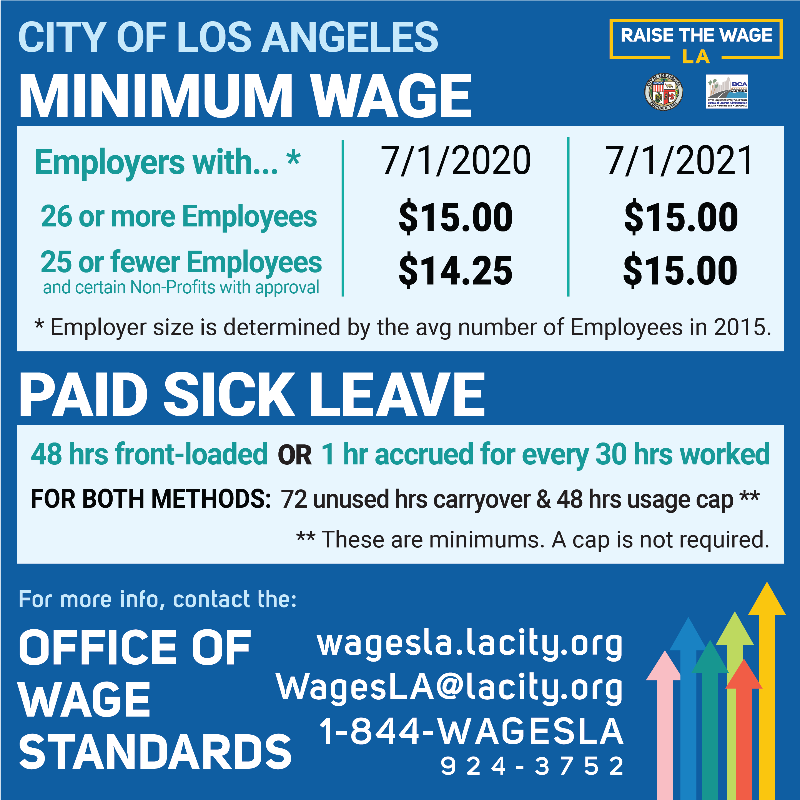
The minimum wage in Los Angeles is not a singular, stagnant figure. It is governed by a series of ordinances that distinguish between businesses based on size and specific industry classifications. Unlike many smaller municipalities that adhere strictly to state-level mandates, the city of Los Angeles has taken an aggressive stance on increasing the floor for hourly compensation to combat the high costs associated with living in a global urban center.
City vs. County Jurisdictions
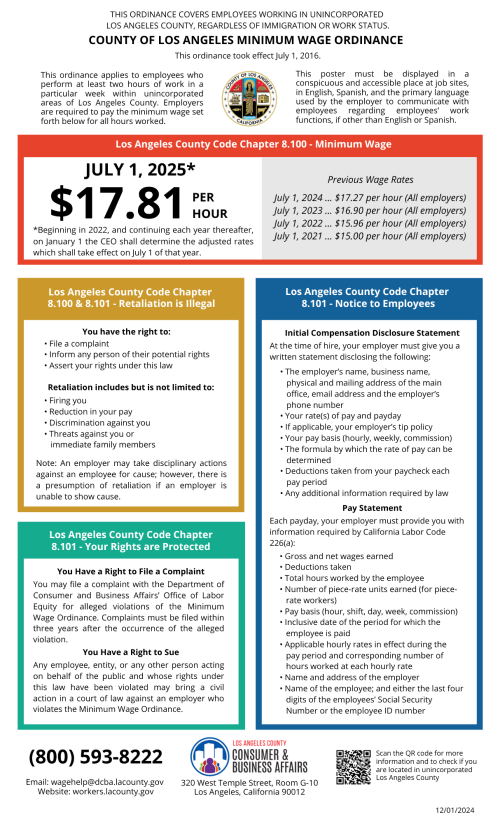
It is crucial to differentiate between the City of Los Angeles and the surrounding Los Angeles County. While the city maintains its own municipal code regarding labor, the unincorporated areas of the county follow a separate schedule. For those visiting or working in popular hubs like Santa Monica or West Hollywood, it is important to note that these individual cities often have their own minimum wage ordinances that can exceed even the city’s standard. When analyzing your budget, always check the specific municipal code of the neighborhood or district where your activities are based.
Impact of Business Size
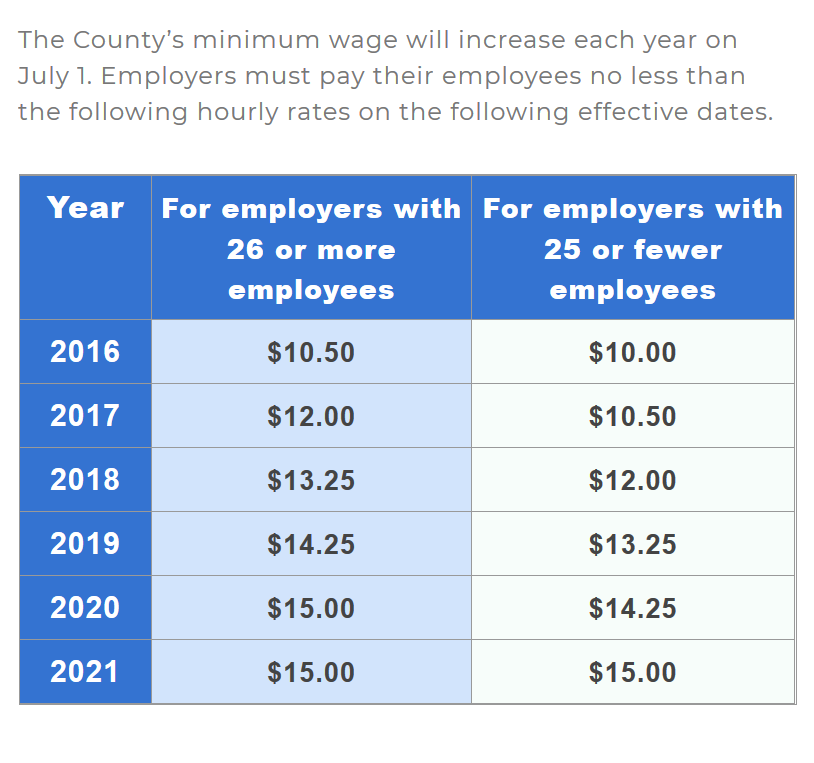
The current legislative framework mandates that employers with 26 or more employees adhere to a higher wage threshold compared to smaller enterprises. This tiered system is designed to allow small businesses—which are the backbone of local attractions, independent coffee shops, and boutique retail—to adapt more gradually to the economic shifts. For the average worker or traveler observing the local economy, this means that the prices for goods and services in Venice Beach or Hollywood often reflect these higher labor costs.
Economic Implications for the Traveling Professional
For those visiting Los Angeles for business or extended travel, the minimum wage is a reliable indicator of what you might expect to pay for services. As wages rise, the service industry—spanning everything from hospitality staff at the Beverly Wilshire to catering at events near the Griffith Observatory—tends to adjust its pricing to remain sustainable.
Cost of Living and Purchasing Power
While a higher minimum wage provides a boost to the local labor force, it contributes to the high cost of goods. If you are planning a trip to California, budgeting for services such as rideshares, dining out at restaurants in Downtown Los Angeles, and personal care services requires an understanding that labor is a premium asset in this city. Inflation, coupled with these wage adjustments, means that Los Angeles consistently ranks as one of the most expensive cities in the United States.
Tipping Culture in a High-Wage Environment
A common question among tourists is whether the existence of a high minimum wage negates the need for tipping. In Los Angeles, the answer is generally no. Despite the higher base pay, the cost of living remains so significantly elevated that tipping remains a fundamental part of the service economy. Whether you are grabbing a quick meal near The Getty Center or enjoying a night out in Silver Lake, standard tipping etiquette remains expected. Service workers rely on these gratuities to bridge the gap between their hourly wage and the actual cost of housing in the region.
Future Projections and Wage Escalation
The trajectory of the minimum wage in Los Angeles is intrinsically linked to the Consumer Price Index (CPI). Every July 1st, the city typically adjusts the minimum wage based on the annual change in the CPI for the Los Angeles-Long Beach-Anaheim area. This annual recalibration ensures that wages do not lose their value due to inflation.
Staying Informed as a Visitor or Employer
If you are planning an extended stay or are considering working remotely for a company based in California, it is advisable to check the official City of Los Angeles labor resources website periodically. Legislation can change, and special exemptions or new mandates can appear suddenly. For those interested in the cultural landscape, understanding these figures provides a deeper appreciation for the human element behind the iconic sites like the Hollywood Sign and the vibrant local scene in Beverly Hills.
The Broader Economic Landscape
The minimum wage serves as a benchmark for the economic health of the entire Southern California region. As Los Angeles continues to grow as a global destination for technology, media, and tourism, the competition for labor is fierce. Employers are often forced to pay well above the minimum wage to attract talent in a competitive market. For the visitor, this means high-quality service is widely available, though it comes at a price that reflects the city’s commitment to supporting its residents.
In summary, while the specific dollar amount of the minimum wage might fluctuate based on annual adjustments and business size, the underlying principle remains constant: Los Angeles is a high-cost, high-value environment. Recognizing the labor dynamics of the city allows for a more informed and respectful experience, whether you are traversing the trails of Runyon Canyon or conducting high-level business meetings in Century City. By keeping these economic realities in mind, you gain a clearer picture of how this massive, vibrant city functions on a day-to-day basis.
LifeOutOfTheBox is a participant in the Amazon Services LLC Associates Program, an affiliate advertising program designed to provide a means for sites to earn advertising fees by advertising and linking to Amazon.com. Amazon, the Amazon logo, AmazonSupply, and the AmazonSupply logo are trademarks of Amazon.com, Inc. or its affiliates. As an Amazon Associate we earn affiliate commissions from qualifying purchases.