
Understanding the population of a major global city like Los Angeles, California, is more than just knowing a number; it’s about grasping the very essence of what makes this destination unique. The sheer scale of its population influences everything from its sprawling urban landscape and vibrant cultural tapestry to the efficiency of its transportation and the diversity of its culinary scene. For any traveler planning a visit, appreciating the demographic reality of Los Angeles is key to navigating its complexities and unlocking its myriad treasures. This article delves into the population figures and explores how this demographic titan shapes the travel experience in one of the United States’ most iconic cities.
Understanding the Scale: Los Angeles’ Demographic Tapestry
Los Angeles is not just a city; it’s a sprawling metropolis, a county, and a cultural phenomenon all rolled into one. When discussing its population, it’s crucial to distinguish between the city proper and the greater metropolitan area, as both figures paint a different picture for the discerning traveler.
The Latest Figures
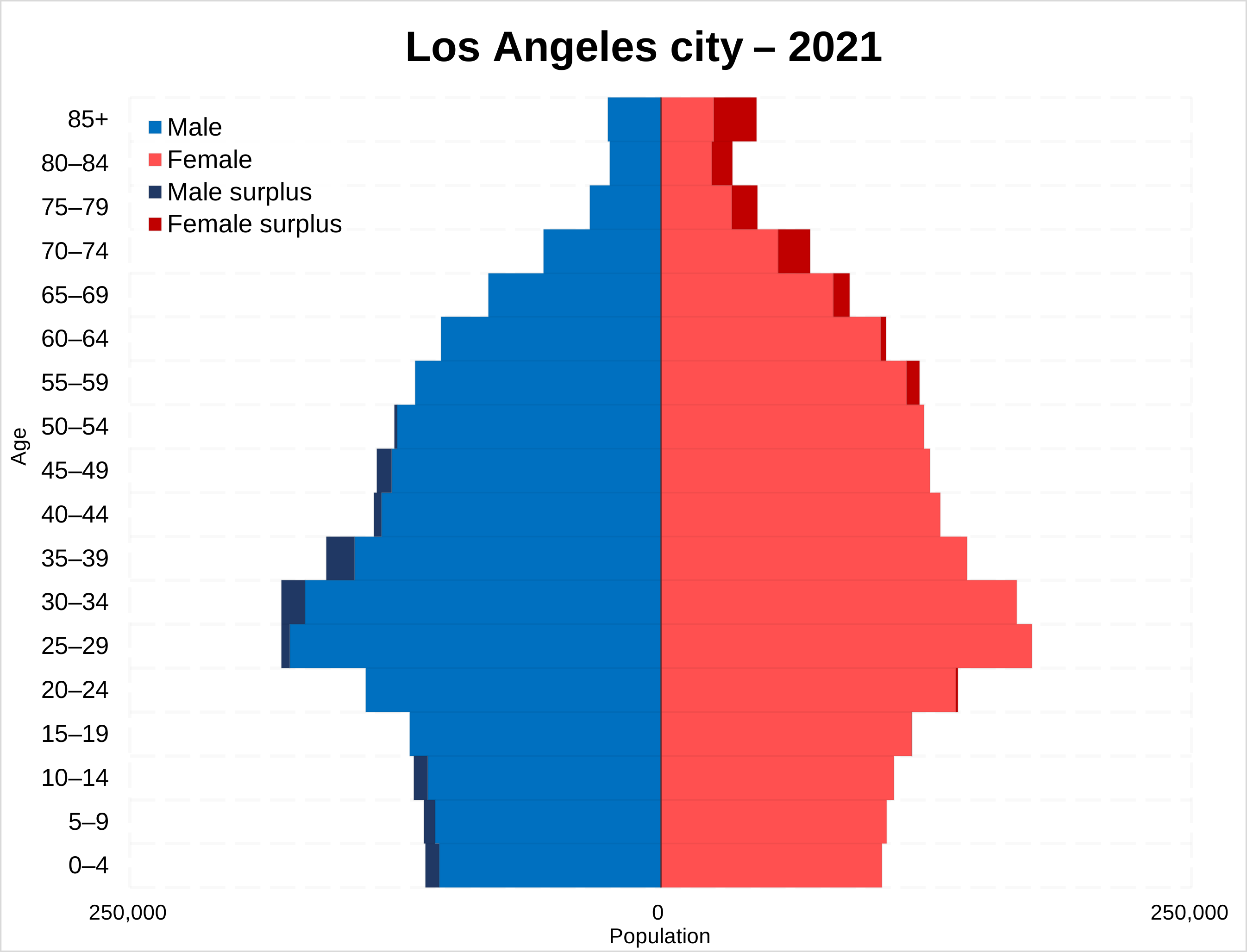
As of the most recent estimates (typically reflecting data from the U.S. Census Bureau), the City of Los Angeles itself boasts a population hovering around 3.9 million residents. This makes it the most populous city in California and the second-most populous city in the United States, surpassed only by New York City. However, to truly grasp the scale that impacts a traveler, one must look at the Los Angeles-Long Beach-Anaheim metropolitan area, which encompasses Los Angeles County and parts of surrounding counties. This broader region is home to an staggering 13 million people or more, making it one of the largest metropolitan economies and population centers in the world. This vast population base translates directly into the sheer volume of activity, infrastructure, and diversity a traveler will encounter.
A Diverse Global Hub
Beyond the numbers, the composition of Los Angeles’ population is perhaps its most compelling characteristic from a travel perspective. It is an unparalleled melting pot, representing over 140 countries and speaking more than 200 different languages. This incredible diversity is not merely a statistical footnote; it is woven into the very fabric of daily life and, consequently, the travel experience. Travelers can immerse themselves in distinct cultural enclaves like Koreatown, Chinatown, Little Tokyo, or Little Ethiopia, each offering authentic culinary delights, unique shopping opportunities, and vibrant festivals that transport visitors across continents without leaving Southern California. This demographic richness ensures that every corner of the city presents a new cultural adventure.
The Urban Landscape: Navigating a Megacity Destination
The immense population of Los Angeles is the primary driver behind its renowned urban sprawl and the complex infrastructure developed to support it. For travelers, understanding this landscape is crucial for efficient and enjoyable exploration.
Sprawling Geography and Infrastructure
Unlike many older global cities that grew organically around a central point, Los Angeles’ growth exploded in the automotive age, leading to a decentralized, sprawling urban form. Its population is spread across a vast geographical area, stretching from the mountains to the Pacific Ocean. This expanse means that attractions are often widely dispersed, from the beaches of Santa Monica to the studios of Hollywood and the cultural institutions of Downtown Los Angeles (DTLA). The extensive freeway system, while legendary for its traffic, is the circulatory system enabling millions of residents and visitors to move across this vast urban tapestry. Knowing that you’re navigating a city designed for millions informs realistic travel planning, emphasizing the need for strategic routing and flexible timing.
The Dynamics of Mobility
The sheer number of people in Los Angeles significantly impacts mobility for travelers. Peak hours on the freeways and surface streets can transform short distances into lengthy journeys. However, recognizing this challenge allows travelers to employ smart strategies. Utilizing ride-sharing services, exploring Los Angeles’ increasingly robust public transportation (including its subway and light rail lines, particularly effective for reaching DTLA, Hollywood, and even some beach communities), or simply planning activities within specific geographic clusters can mitigate potential frustrations. Many visitors also opt for a combination, perhaps renting a car for trips to distant attractions like Disneyland while relying on walking or public transit for local explorations in walkable neighborhoods like Santa Monica or Beverly Hills.
Culture, Cuisine, and Community: Shaped by Millions
The immense and diverse population of Los Angeles is the fundamental ingredient in its vibrant cultural scene, making it an endlessly fascinating destination for travelers seeking authentic experiences.

A World of Flavors and Festivals
Nowhere is Los Angeles’ demographic richness more palpable than in its culinary landscape. The city’s millions of residents, hailing from every corner of the globe, have cultivated an astonishing array of restaurants, markets, and food trucks. From Michelin-starred fine dining to hole-in-the-wall gems serving authentic regional specialties from Mexico, Asia, Europe, and beyond, Los Angeles truly offers a world tour for the palate. Travelers can spend weeks exploring distinct gastronomic neighborhoods, indulging in anything from artisanal Korean barbecue and Oaxacan moles to Persian kebabs and Ethiopian injera, all within the city limits. This culinary diversity is a direct result of the high number of residents bringing their heritage to the forefront. Furthermore, this population hosts countless cultural festivals throughout the year, from Lunar New Year celebrations in Chinatown to the Fiestas Patrias, offering travelers unique insights into various traditions and community spirit.
Artistic Expressions and Entertainment Powerhouse
The population of Los Angeles also forms the bedrock of its status as a global epicenter for arts and entertainment. The millions of creative individuals drawn to this city – actors, musicians, writers, artists, designers – contribute to an electric cultural atmosphere. Travelers can experience this through world-class museums like the Getty Center and the Los Angeles County Museum of Art, avant-garde art galleries, numerous live music venues catering to every genre, and the omnipresent influence of the film and television industry. From catching a show in Hollywood to exploring street art in the Arts District, the sheer density of creative talent fueled by the city’s large population ensures an endless supply of engaging experiences for visitors.
Impact on Travel Experiences and Attractions
The colossal population base of Los Angeles inevitably shapes how visitors interact with its famous landmarks and sought-after experiences. Smart travelers leverage this understanding to enhance their journeys.
Iconic Landmarks and Hidden Gems
The high concentration of residents means a vibrant local economy supporting an incredible array of attractions. Los Angeles is home to world-renowned sites that draw millions of visitors annually, from the historic Hollywood Walk of Fame and the panoramic views from the Griffith Observatory to the thrill rides of Universal Studios Hollywood and the serene beaches of Malibu. For travelers, the key is to recognize that these popular spots are also frequented by locals, especially on weekends and holidays. This density also fuels the emergence of countless “hidden gems” – smaller, local-favorite parks, cafes, boutiques, and street art installations that offer a more intimate glimpse into L.A. life, away from the main tourist circuits. The sheer number of people living in and visiting Los Angeles creates a constant demand for new and exciting places to explore, ensuring there’s always something new to discover.
Managing Crowds and Enhancing Exploration
Given the large population and tourist influx, attractions in Los Angeles can get busy. However, this is easily managed with a little forethought. Visiting popular sites during off-peak hours (early mornings or late afternoons), utilizing online ticketing to bypass lines, and considering weekday visits over weekends can significantly improve the experience. Travelers who embrace the scale of the city and plan accordingly will find that the crowds diminish little from the grandeur of these sites. Instead, the bustling energy often adds to the vibrant atmosphere, particularly in public spaces like the Santa Monica Pier or Grand Central Market. The continuous flow of people also ensures a lively street scene, making simply walking through neighborhoods an engaging experience.
Planning Your Trip: Embracing the Los Angeles Lifestyle
Armed with an understanding of Los Angeles’ population, travelers can craft a more informed and enjoyable itinerary, embracing the unique challenges and opportunities of a city of millions.
Accommodation Choices in a Bustling Metropolis
The vast population of Los Angeles directly translates to an extensive and diverse range of accommodation options. From luxury hotels in Beverly Hills to boutique stays in Silver Lake and budget-friendly motels near the freeways, there is something to suit every preference and price point. Travelers should consider the geographic distribution of attractions they wish to visit when selecting lodging, keeping in mind the distances inherent in a sprawling city. Staying in a central location like Hollywood might offer easy access to some sights but could mean longer commutes to beach areas. Alternatively, dividing a longer trip between two different areas, such as the coast and the inland entertainment districts, can provide a more varied and less rushed experience, allowing travelers to more effectively manage their time within this populous urban environment.

Strategic Itinerary Planning
Effective itinerary planning is paramount when visiting Los Angeles. Grouping geographically close attractions, accounting for travel time between areas, and being mindful of peak traffic hours are essential. For example, dedicating one day to Hollywood (including the Walk of Fame, Universal Studios Hollywood, and Griffith Observatory) and another to the coastal areas (like Santa Monica and Venice Beach) can maximize exploration and minimize time spent in transit. Embracing the pace of Los Angeles – which often involves a degree of patience in traffic – rather than fighting against it, will lead to a more relaxed and fulfilling travel experience. Ultimately, the population of Los Angeles isn’t just a number; it’s the dynamic force that shapes a constantly evolving, endlessly fascinating travel destination.
LifeOutOfTheBox is a participant in the Amazon Services LLC Associates Program, an affiliate advertising program designed to provide a means for sites to earn advertising fees by advertising and linking to Amazon.com. Amazon, the Amazon logo, AmazonSupply, and the AmazonSupply logo are trademarks of Amazon.com, Inc. or its affiliates. As an Amazon Associate we earn affiliate commissions from qualifying purchases.