
When one imagines the vast, rugged landscapes of the American West, the state of Montana often springs to mind. Known as the “Treasure State” for its rich mineral deposits and incredible natural beauty, Montana conjures images of towering mountains, sprawling plains, and an abundance of wildlife. Yet, beneath this iconic imagery lies a fascinating demographic story that profoundly shapes the experience for residents and visitors alike: its population. Compared to many other states in the United States, Montana is sparsely populated, a characteristic that defines much of its charm, lifestyle, and appeal as a premier travel destination. Understanding the population of Montana is not merely about reciting numbers; it’s about grasping the very essence of what makes this state unique for those seeking adventure, tranquility, or a taste of genuine Western culture. Its low population density translates into wide-open spaces, uncrowded natural attractions, and a slower pace of life that is increasingly sought after in our fast-paced world, directly influencing the tourism, accommodation, and lifestyle experiences available.
Montana’s Demographic Landscape: A Land of Open Spaces
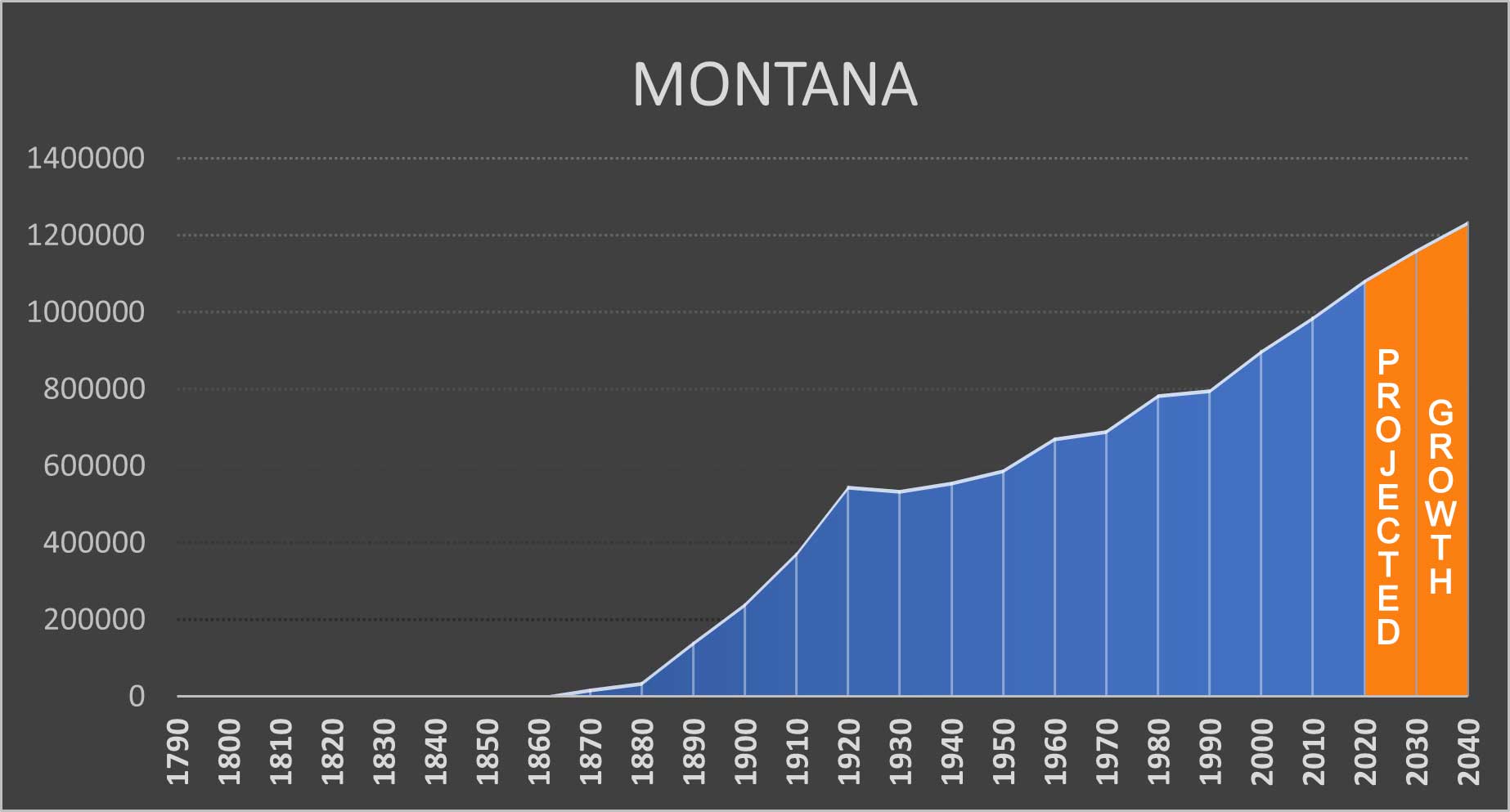
At the heart of Montana’s identity is its relatively small population spread across an enormous landmass. While exact figures fluctuate with time, the population of Montana typically hovers around 1.1 million to 1.2 million residents. To put this into perspective, Montana is the fourth-largest state by area in the United States, encompassing over 147,000 square miles. This means that for every square mile, there are fewer than 8 people, a stark contrast to more densely populated states. This low population density is not just a statistic; it’s a foundational element of the Montanan lifestyle, influencing everything from urban planning to the preservation of its pristine wilderness. The demographics are generally quite stable, with a gradual increase over recent decades, driven partly by an influx of individuals and families drawn to the state’s natural beauty, outdoor lifestyle, and lower cost of living compared to coastal areas. This demographic trend, while slow, is significant for the growth of its tourism sector and the development of new accommodation options.
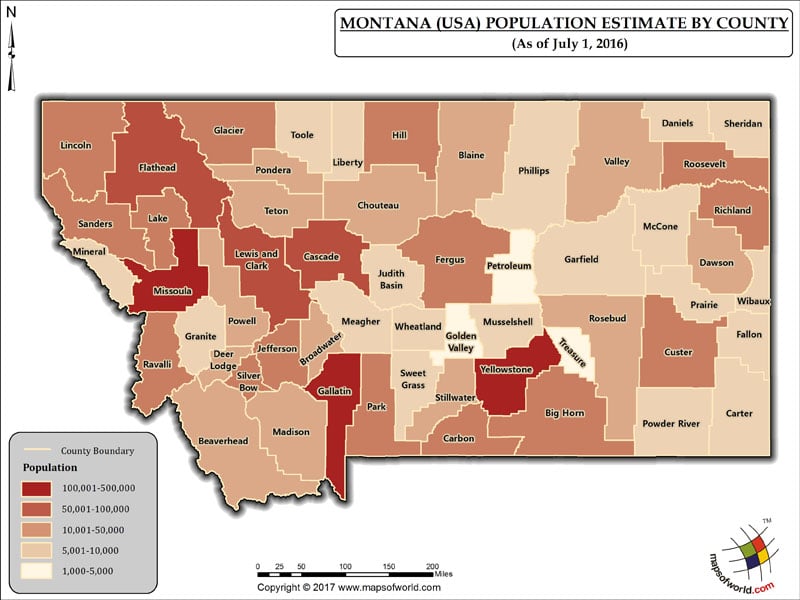
Historically, Montana’s population growth has been tied to boom-and-bust cycles related to mining, agriculture, and more recently, the burgeoning tourism and tech industries. The indigenous populations have a deep history in the state, with various tribal nations having a long-standing presence before European settlement. Today, while the state is predominantly rural, there are distinct urban centers that serve as economic and cultural hubs. The distribution of its population plays a critical role in shaping the travel experience, dictating where amenities, hotels, and attractions are concentrated, and where travelers can truly get away from it all. The western half of the state, with its mountainous terrain and access to major national parks, tends to be more populated than the vast, agricultural plains of Eastern Montana. This geographical split in population density offers diverse travel experiences, from vibrant city life to remote wilderness adventures, each with its own unique charm and accommodation possibilities.
Understanding Population Distribution Across the State
The population of Montana is far from evenly distributed. The majority of residents are concentrated in the western and central parts of the state, particularly in the valleys nestled within the Rocky Mountains and along major river systems. This concentration creates distinct urban centers, each with its own character and role in the state’s economy and tourism landscape. These areas offer a different experience from the expansive, largely uninhabited stretches of Eastern Montana, where immense ranches and agricultural lands dominate the scenery, and towns are few and far between. For travelers, this distribution means a spectrum of experiences: bustling small cities with vibrant arts scenes and diverse dining options, charming mountain towns serving as gateways to outdoor adventures, and truly isolated retreats for those seeking ultimate solitude.
The primary population centers are key to understanding Montana’s infrastructure and tourist appeal. Cities like Billings, Missoula, and Bozeman are not just places where people live; they are crucial hubs for tourism, offering a range of hotels, restaurants, and cultural attractions. Billings, as the largest city, serves as an economic powerhouse and a convenient base for exploring both the plains and the nearby mountains. Missoula, home to the University of Montana, has a vibrant, youthful energy and is a popular spot for outdoor enthusiasts. Bozeman, rapidly growing due to its proximity to Yellowstone National Park and the Big Sky Resort, has become a magnet for luxury travel and high-end accommodation. These population centers, while small by national standards, are the epicenters of activity and amenities in a state largely defined by its rural character.
Population and Tourism: A Symbiotic Relationship
The low population of Montana is, paradoxically, one of its greatest assets for tourism. For many visitors, the allure of the state lies precisely in its uncrowded national parks, vast wilderness areas, and the feeling of having untouched nature almost entirely to themselves. This scarcity of human habitation translates directly into unparalleled opportunities for outdoor recreation, wildlife viewing, and a sense of escape that is hard to find elsewhere. Yellowstone National Park and Glacier National Park, two of the nation’s most iconic natural treasures, are cornerstones of Montana’s tourism industry. While these parks do experience significant visitation, especially during peak season, the sheer scale of the surrounding state ensures that visitors can always find solitude if they venture slightly off the beaten path. The limited population also means less light pollution, offering some of the most spectacular stargazing opportunities in the United States.
This unique demographic profile also impacts the type of accommodation available and the overall travel experience. In many areas, especially those closer to the national parks or popular ski resorts like Big Sky Resort and Whitefish, you’ll find a range of lodging from cozy cabins and boutique hotels to luxurious resorts and ranch stays. Places like Chico Hot Springs Resort, Many Glacier Hotel, The Ranch at Rock Creek, and Paws Up Resort exemplify the high-end, immersive experiences that are thriving precisely because of Montana’s natural draw and emphasis on privacy. The lifestyle here is intrinsically linked to the environment, and tourism leverages this connection, offering experiences like fly fishing on the Yellowstone River or Missouri River, hiking in the Northern Rockies, or exploring the historic Lewis and Clark Trail. The relatively sparse population ensures that these experiences often feel more authentic and less commercialized than in other tourist hotspots.
Major Cities: Small but Mighty Hubs
While Montana’s cities may not boast the millions of residents found in metropolises elsewhere, they are vibrant and essential hubs that offer distinct cultural and recreational experiences for travelers. These urban centers act as gateways to the surrounding wilderness and provide the amenities necessary for a comfortable stay.
- Billings: As Montana’s largest city, Billings serves as the economic engine of Eastern Montana. With a population hovering around 120,000, it offers the most extensive selection of hotels, restaurants, and shopping in the state. Travelers often use Billings as a base to explore the nearby Yellowstone River Valley, the Little Bighorn Battlefield National Monument, and the scenic Beartooth Highway, which leads to Yellowstone National Park.
- Missoula: Known for its liberal arts culture and outdoor recreation, Missoula is situated in a picturesque mountain valley with a population of approximately 75,000. It’s a haven for anglers, hikers, and students from the University of Montana. The city boasts a lively downtown, craft breweries, and easy access to the Clark Fork River and the nearby Rattlesnake National Recreation Area. Hotels in Missoula range from charming inns to modern chains, catering to a diverse set of visitors.
- Bozeman: Rapidly growing and often dubbed “Bozeangeles” due to its popularity, Bozeman has a population nearing 55,000 and is a gateway to both Yellowstone National Park and the Big Sky Resort. Home to Montana State University and the Museum of the Rockies, it has a sophisticated yet outdoorsy vibe. Its booming popularity has led to an increase in luxury accommodation, boutique hotels, and a thriving food scene.
- Great Falls: Located along the Missouri River, Great Falls is Central Montana‘s largest city, with a population of around 60,000. It’s famous for its namesake waterfalls, which Lewis and Clark famously portaged. The city serves as a cultural hub with museums, an active military base, and offers a glimpse into Montana’s agricultural heartland.
- Helena: The state capital, Helena has a population of about 34,000 and a rich history rooted in the gold rush. Its charming downtown, historic architecture, and proximity to state government buildings make it an interesting stop. It offers a quieter, more historical experience, with unique local accommodation options and easy access to the Continental Divide Trail.
These cities, while varying in size and character, all contribute significantly to the travel landscape, offering diverse experiences and serving as essential service centers for exploring the surrounding vastness of Montana.
Beyond the Numbers: Lifestyle and Environment
The low population density of Montana shapes more than just its tourism appeal; it fundamentally defines the lifestyle of its residents and the preservation of its environment. The “Big Sky Country” moniker isn’t just a marketing slogan; it’s a daily reality where horizons stretch endlessly, and the presence of wildlife often outnumbers that of humans. This unique blend fosters a deep appreciation for the outdoors, a strong sense of community in often isolated areas, and a resilient, independent spirit among Montanans. The uncrowded nature allows for a higher quality of life for many, with less traffic, cleaner air, and direct access to recreational activities such as hiking, fishing, skiing, and hunting. For those considering a long-term stay or even relocation, Montana offers a lifestyle deeply connected to nature and traditional Western values, increasingly attracting individuals seeking an escape from urban sprawl.
Environmentally, the sparse population has played a crucial role in preserving Montana’s immense natural resources. Large tracts of land remain undeveloped, providing critical habitats for diverse wildlife, including grizzly bears, wolves, elk, and bison. The state is home to some of the cleanest rivers in the country, such as the Flathead River and sections of the Missouri River, largely thanks to limited industrialization and a population that values conservation. Initiatives by organizations like the National Park Service work to maintain these pristine conditions, ensuring that iconic landmarks like Glacier National Park and the gateway communities of West Yellowstone and Gardiner near Yellowstone National Park remain untouched for future generations. This commitment to environmental preservation directly benefits tourism, as visitors come specifically for the untouched wilderness, fresh air, and opportunities to connect with nature without the crowds often found in other scenic locales.

The Impact on Travel Experiences and Accommodation
The lifestyle fostered by Montana’s population profile directly translates into unique travel and accommodation experiences. For budget travelers, the vastness of the state means ample opportunities for camping in state parks, national forests, and even dispersed camping on public lands, offering an authentic, low-cost way to immerse oneself in nature. For those seeking luxury travel, the limited population often means exclusive, high-service resorts that capitalize on privacy and access to private land or less-trafficked wilderness. Resorts and ranches in areas like Big Sky, Whitefish, or near Livingston provide bespoke experiences, from guided fly-fishing trips to horseback riding through scenic trails, often with all-inclusive packages that cater to discerning guests. These establishments often employ staff from the local communities, providing an authentic Montanan hospitality that is hard to replicate.
The booking process for accommodation in Montana can vary significantly depending on the season and location. In popular gateway towns such as Bozeman, Kalispell, or Butte, and especially near Yellowstone National Park and Glacier National Park, hotels and vacation rentals can fill up months in advance, particularly for peak summer travel or ski season. This demand, driven by a relatively small local population serving a large number of visitors, underscores the importance of planning ahead. Comparisons of hotels, resorts, suites, and apartments reveal a diverse market, ranging from historic hotels reflecting the state’s mining and railroad past to modern, eco-conscious lodges. Reviews often highlight the genuine warmth of Montanan hospitality and the unparalleled access to outdoor activities. Whether it’s a family trip seeking adventure or a business stay combining work with recreation, Montana’s population dynamics dictate a travel environment that is both welcoming and incredibly wild.
In conclusion, while the precise number representing the population of Montana is a factual point, its true significance lies in the profound influence it has on every aspect of life and travel within the state. From the uncrowded beauty of Glacier National Park to the vibrant yet intimate feel of its major cities, Montana’s sparse population creates a unique canvas for tourism, accommodation, and a distinctive Western lifestyle. It is a place where space is abundant, nature is revered, and the sense of genuine discovery is still very much alive, making it an irresistible destination for travelers worldwide. The low population count isn’t just a figure; it’s an invitation to experience freedom and wilderness on an unmatched scale, solidifying Montana’s reputation as a true gem in the American West, offering a memorable escape for everyone, from those seeking luxury to those on a budget, and for both short visits and long-term stays.
LifeOutOfTheBox is a participant in the Amazon Services LLC Associates Program, an affiliate advertising program designed to provide a means for sites to earn advertising fees by advertising and linking to Amazon.com. Amazon, the Amazon logo, AmazonSupply, and the AmazonSupply logo are trademarks of Amazon.com, Inc. or its affiliates. As an Amazon Associate we earn affiliate commissions from qualifying purchases.