
New Mexico, often referred to as the “Land of Enchantment” due to its breathtaking landscapes, vibrant cultures, and rich history, beckons travelers with promises of unique adventures. From the crimson sunsets over the Rio Grande to the ancient pueblos clinging to sun-drenched cliffs, it offers a distinct flavor of the American Southwest. However, for many prospective visitors, a crucial question arises amidst the allure: “Is New Mexico safe?” This is a valid concern for any destination, and understanding the safety landscape is paramount for planning a worry-free and enjoyable trip, whether you’re seeking a luxury resort stay, a budget-friendly adventure, or a family-focused excursion.
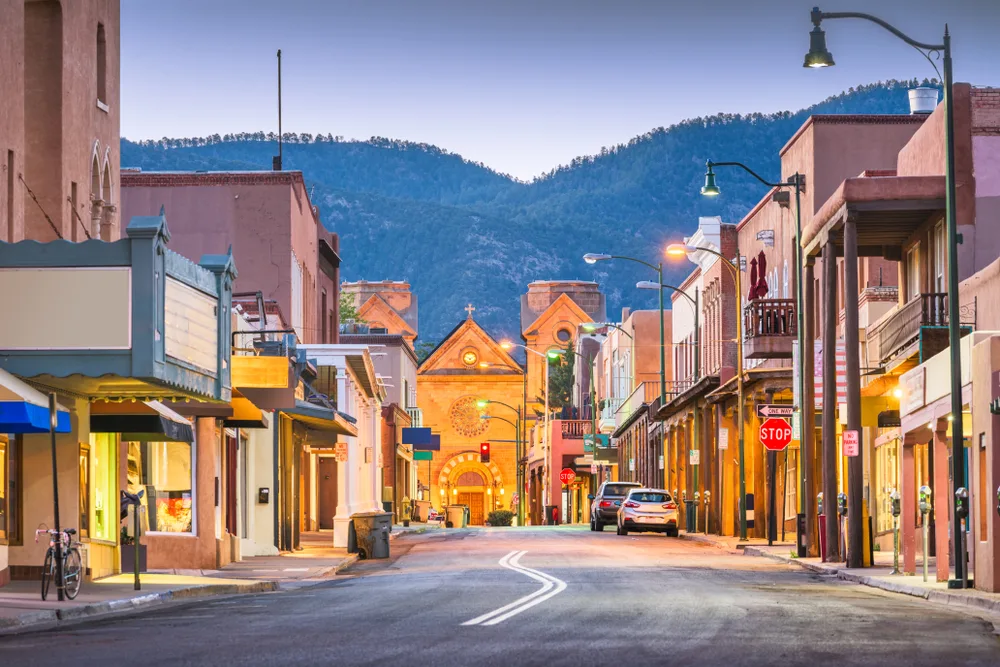
As a premier travel resource, we understand that safety underpins every aspect of a memorable journey. Our comprehensive guide delves into the nuances of safety in New Mexico, offering a balanced perspective on crime rates, environmental hazards, and practical tips for navigating its diverse terrain. We aim to equip you with the knowledge to make informed decisions about your travel plans, choose secure accommodations, and explore the state’s iconic landmarks and hidden gems with confidence.
Understanding New Mexico’s Safety Landscape
When evaluating the safety of any travel destination within the USA, it’s essential to move beyond sensational headlines and consider the specific context of different regions and activities. New Mexico is a large, diverse state, and its safety profile varies significantly between bustling urban centers, tranquil rural communities, and vast natural areas.
A Balanced Perspective on Crime
Like many states in the USA, New Mexico does experience its share of crime. Some areas, particularly certain neighborhoods within larger cities like Albuquerque and Las Cruces, may report higher crime rates than the national average. It’s important to distinguish between violent crime and property crime. While property crimes such as vehicle break-ins and theft can be a concern, especially in parking lots near popular attractions or less secure hotel districts, violent crime, while present, is often concentrated in specific areas that tourists are unlikely to frequent.
For travelers, the key is awareness and common sense. Tourist areas, popular attractions, and well-regarded hotel districts in cities like Santa Fe, Taos, and even the more visited parts of Albuquerque’s Old Town are generally safe during the day. However, exercising caution, especially at night, and avoiding dimly lit or deserted streets, is always advisable. When booking accommodation, whether it’s a luxury suite, a boutique hotel, or a vacation rental, reading recent reviews and checking for amenities like secure parking and 24-hour reception can provide valuable insights into the immediate neighborhood’s safety and the property’s security measures. This is where comprehensive accommodation reviews and comparisons on our website can be particularly helpful.
Safety in Natural Environments
Beyond urban concerns, New Mexico’s vast natural landscapes present their own set of safety considerations. The state is home to dramatic deserts, towering mountains, and expansive forests, offering unparalleled opportunities for hiking, camping, and outdoor exploration. However, these environments demand respect and preparation.
Wildlife: Encounters with wildlife are possible, especially in remote areas. Animals such as bears, mountain lions, rattlesnakes, and scorpions are native to New Mexico. While attacks are rare, it’s crucial to be aware of their presence, know how to react in an encounter (e.g., carrying bear spray in appropriate areas, knowing snakebite first aid), and never approach or feed wild animals.
Weather and Terrain: New Mexico’s climate can be extreme. Summers are hot and dry, leading to a risk of dehydration and heatstroke, especially when hiking. Winters can bring snow and freezing temperatures, particularly at higher elevations. Flash floods can occur unexpectedly in arroyos and canyons during monsoon season (typically July-September). Always check the weather forecast before heading out, dress in layers, and carry plenty of water.
Altitude Sickness: Many popular destinations in New Mexico, such as Santa Fe (7,200 ft / 2,194 m) and Taos (6,967 ft / 2,124 m), are at high altitudes. Visitors from lower elevations may experience symptoms of altitude sickness, including headaches, nausea, and fatigue. Take it easy for the first day or two, stay hydrated, and avoid excessive alcohol.
Remote Areas: Many of New Mexico’s most beautiful natural landmarks, like White Sands National Park or portions of the Organ Mountains-Desert Peaks National Monument, are in remote areas with limited cell phone service. Always inform someone of your itinerary, carry a map and compass or GPS device, and be prepared for self-reliance.
Essential Safety Tips for Travelers
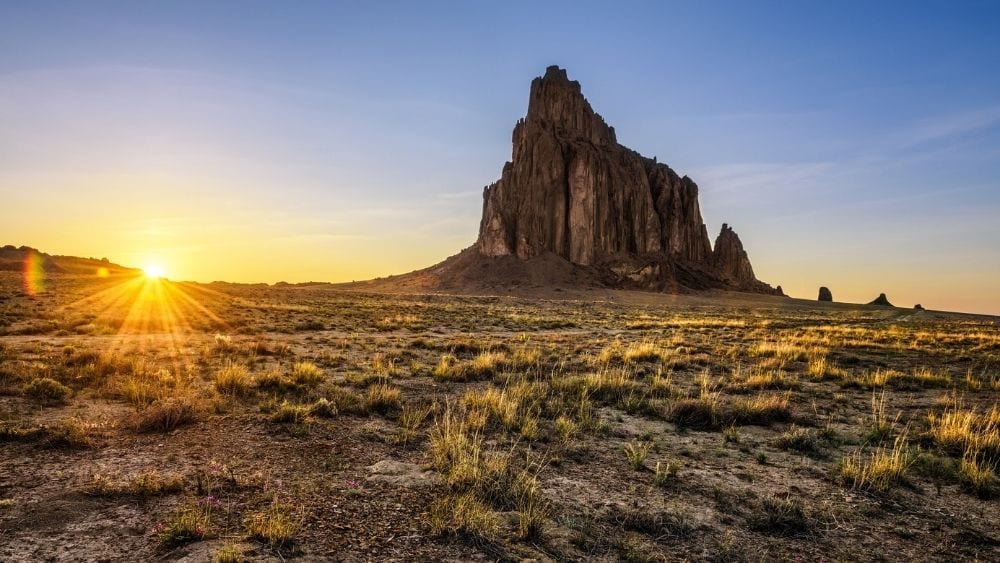
Equipping yourself with practical safety measures is the best way to ensure a secure and enjoyable journey through the Land of Enchantment. These tips apply whether you’re exploring bustling city markets, hiking ancient trails, or simply relaxing at your chosen accommodation.
Urban Exploration and Personal Security
When navigating New Mexico’s cities and towns, maintaining a high level of situational awareness is key.
- Protect Valuables: Keep your wallet, phone, and other valuables out of sight and secure. Avoid flashy displays of expensive jewelry or electronics. Use hotel safes for passports, extra cash, and important documents.
- Be Aware of Your Surroundings: Pay attention to people around you, especially in crowded tourist areas, public transportation hubs, or ATM locations. Avoid walking alone at night in unfamiliar or poorly lit areas. If you feel uncomfortable, trust your instincts and leave the situation.
- Transportation Safety: When using ride-sharing services, always confirm the driver and vehicle match the app’s information. For taxis, use reputable companies. If renting a car, ensure doors are locked and windows are up, particularly when stopped at traffic lights. Avoid leaving bags or valuables visible in your car.
- Choosing Safe Accommodation: When booking hotels, resorts, or apartments, prioritize those in well-regarded neighborhoods with good security features. Check reviews for comments on safety, the surrounding area, and staff responsiveness. Many luxury hotels offer enhanced security, but even budget-friendly options can be safe if properly vetted. Websites like ours provide detailed reviews and comparisons to help you find secure and comfortable stays.
Road Safety and Navigating the Land of Enchantment
Much of New Mexico’s charm lies in its scenic drives and vast open spaces. Road trips are incredibly popular, but they require preparation.
- Vehicle Maintenance: Before embarking on long drives, especially into remote areas, ensure your vehicle is in good working order. Check tire pressure, fluid levels, and bring an emergency kit (jumper cables, flashlight, basic tools).
- Fuel and Supplies: Distances between towns and gas stations can be considerable. Always keep your fuel tank at least half full. Carry extra water, snacks, and a first-aid kit, particularly if venturing off major highways onto rural roads.
- Cell Service: Cell phone coverage can be spotty or non-existent in many rural and mountainous parts of New Mexico. Do not rely solely on your phone for navigation or emergencies. Consider a physical map or a satellite communication device for truly remote excursions.
- Driving Conditions: Be mindful of speed limits and road conditions, especially on unpaved roads or during adverse weather. Watch out for wildlife, particularly at dawn and dusk.
Health and Environmental Preparedness
Preparing for New Mexico’s unique environment is crucial for a healthy trip.
- Hydration and Sun Protection: The high desert climate is extremely dry, and the sun is intense. Drink plenty of water throughout the day, even if you don’t feel thirsty. Wear a wide-brimmed hat, sunglasses, and high-SPF sunscreen.
- Altitude Acclimatization: If arriving from sea level, give your body time to adjust to the higher altitudes. Avoid strenuous activity on your first day, limit alcohol and caffeine, and stay well-hydrated. If symptoms of altitude sickness worsen, seek medical attention.
- Emergency Services: Know how to contact emergency services (dial 911 in the USA). Keep a list of local urgent care clinics or hospitals, especially if you have pre-existing medical conditions. Ensure your travel insurance covers medical emergencies.
Exploring New Mexico’s Safest and Most Popular Destinations
While general safety advice is crucial, understanding the safety profiles of specific destinations within New Mexico can further refine your travel plans and help you decide where to focus your exploration.
Iconic Cities and Their Safe Zones
Many of New Mexico’s most beloved cities are well-accustomed to tourism and prioritize visitor safety.
- Santa Fe: As the state capital and a renowned arts and culture hub, Santa Fe is generally considered very safe, particularly around the historic Santa Fe Plaza, Canyon Road, and the downtown area. The city thrives on tourism, and its infrastructure, including hotels, resorts, and restaurants, is designed to cater to visitors. Property crime can occur, so typical precautions like locking car doors and securing valuables are still advised. Choosing accommodation in the downtown core or surrounding well-established neighborhoods ensures convenience and security.
- Taos: Nestled in the Sangre de Cristo Mountains, Taos offers a blend of Native American history, art, and outdoor adventure. It’s a small, welcoming town with a strong community feel, making it a very safe destination for travelers. The Taos Pueblo and art galleries are major draws. Safety concerns here are minimal, largely revolving around outdoor activity preparedness rather than urban crime.
- Las Cruces: The second-largest city in New Mexico, Las Cruces offers a more relaxed pace than Albuquerque. The downtown area and neighborhoods around New Mexico State University are generally safe and vibrant. The city serves as a gateway to the stunning Organ Mountains-Desert Peaks National Monument. As with any larger city, certain areas may have higher crime rates, so sticking to tourist-centric zones and reputable hotels is recommended.
- Albuquerque: As New Mexico’s largest city, Albuquerque presents a more varied safety profile. While it does experience higher crime rates in some areas, the vast majority of tourist activities occur in well-patrolled and generally safe zones. Old Town, the Nob Hill district, and areas around the Indian Pueblo Cultural Center and the Sandia Peak Tramway are popular and safe for visitors. When selecting hotels or resorts, focusing on these areas or the Northeast Heights can provide peace of mind. Always research specific neighborhoods before booking, especially if using apartment rentals.
National Parks and Scenic Wonders
New Mexico’s national parks and monuments are among its safest and most iconic attractions, drawing millions of visitors annually.
- White Sands National Park: This ethereal landscape of gypsum dunes near Alamogordo is a uniquely safe and mesmerizing place to visit. Main safety concerns here relate to the environment: intense sun, heat, and ensuring you stay on marked trails in the vast, seemingly endless dunes to avoid disorientation.
- Carlsbad Caverns National Park: Located in southeastern New Mexico, this park is safe with well-maintained trails and visitor facilities. The primary safety advice involves being comfortable with heights and enclosed spaces, and adhering to park rules.
- Bandelier National Monument: Near Los Alamos, Bandelier National Monument offers ancient cliff dwellings and scenic trails. It’s a very safe destination. Hikers should be mindful of trail conditions, potential for flash floods during monsoon season, and carry plenty of water.
These natural landmarks are not only safe but also offer some of the most profound travel experiences in New Mexico, allowing visitors to connect with history and nature without significant urban safety concerns.
Tailoring Safety to Your Travel Style
Safety considerations can also be influenced by your travel companions and preferences, whether you’re embarking on a solo adventure, a family vacation, or a long-term stay.
Solo Adventurers and Family Trips
- Solo Travelers: New Mexico can be a fantastic destination for solo adventurers, especially those interested in outdoor activities or cultural immersion. For solo exploration, it’s even more important to share your itinerary with someone, be extra vigilant with personal belongings, and avoid isolated areas after dark. Staying in hotels with good security and well-reviewed common areas can offer additional peace of mind. Participating in guided tours or group activities is also a great way to explore safely and meet fellow travelers.
- Family Trips: New Mexico offers numerous family-friendly attractions, from museums to national parks. For families, safety often involves choosing child-friendly accommodations like resorts with supervised pools or apartments with multiple rooms. When exploring cities, sticking to well-populated areas during the day and ensuring children stay close is crucial. Outdoor safety for families means proper sun protection, hydration, and awareness of natural hazards like cacti or uneven terrain, especially for younger children. Many landmarks offer educational programs tailored for families, ensuring both engagement and safety.
Luxury vs. Budget Travel & Long-term Stays
Your travel budget and the duration of your trip can also influence safety decisions.
- Luxury Travel: Those opting for luxury travel in New Mexico will find that high-end resorts and boutique hotels in cities like Santa Fe and Taos often provide superior security, concierge services, and locations in prime, safe neighborhoods. These accommodations often include secure parking, gated access, and professional staff dedicated to guest well-being. This lifestyle choice naturally contributes to a higher sense of safety and exclusivity.
- Budget Travel: Budget travelers can still prioritize safety without breaking the bank. Researching hostels or budget hotels with positive security reviews, choosing accommodations slightly outside the immediate city center but with good public transport links, and opting for well-lit, popular areas for evening strolls are effective strategies. Utilizing peer reviews on accommodation platforms is particularly valuable for budget-conscious travelers to ensure safety standards are met.
- Long-term Stays: For those planning extended visits or considering digital nomad life in New Mexico, understanding the local community and specific neighborhood dynamics becomes even more critical. Researching crime statistics by zip code, visiting potential apartment rentals in person if possible, and consulting local forums can provide deeper insights. Engaging with the local community and establishing routines in safe areas contribute significantly to long-term well-being.
In conclusion, the question “Is New Mexico safe?” can confidently be answered with a resounding “yes,” provided you approach your trip with awareness, preparation, and common sense. While like any destination, it has its challenges, the vast majority of visitors experience wonderful, trouble-free journeys. By understanding the local landscape, following essential safety tips, and choosing your destinations and accommodations wisely, you can fully embrace the captivating beauty, rich culture, and adventurous spirit of the Land of Enchantment. From exploring ancient pueblos to hiking majestic mountains, New Mexico awaits with safe and unforgettable experiences for every type of traveler.
LifeOutOfTheBox is a participant in the Amazon Services LLC Associates Program, an affiliate advertising program designed to provide a means for sites to earn advertising fees by advertising and linking to Amazon.com. Amazon, the Amazon logo, AmazonSupply, and the AmazonSupply logo are trademarks of Amazon.com, Inc. or its affiliates. As an Amazon Associate we earn affiliate commissions from qualifying purchases.