
The vibrant, intoxicating spirit of Mardi Gras New Orleans is a beacon for travelers worldwide, drawing millions to the heart of Louisiana each year. Known for its dazzling parades, elaborate costumes, soulful music, and an undeniable joie de vivre, this iconic festival is more than just a party; it’s a deeply rooted cultural phenomenon, a true spectacle of local tradition and exuberant revelry. As one of the most famous celebrations in the United States, Mardi Gras offers an experience unlike any other, transforming the historic streets of New Orleans into a kaleidoscope of color and sound.

However, for those planning their inaugural trip or revisiting this magical city, a fundamental question often arises: “When exactly is Mardi Gras?” Unlike many fixed-date holidays, Mardi Gras is a movable feast, its timing intricately linked to the liturgical calendar. This makes planning essential, especially when considering accommodation and travel arrangements to what becomes one of the world’s most popular destinations. This comprehensive guide will not only demystify the timing of Mardi Gras but also delve into what makes this festival a must-experience event, offering invaluable insights for anyone looking to immerse themselves in the rich tapestry of New Orleans culture. From understanding the parade routes to savoring local cuisine and selecting the perfect place to stay, prepare to unlock the secrets to a truly unforgettable Mardi Gras adventure.
Unraveling the Mystery: The Shifting Dates of Mardi Gras
Understanding the timing of Mardi Gras is the first step in planning your visit to New Orleans. Unlike other festivals that adhere to a specific calendar date, Mardi Gras operates on a lunar calendar, tied to significant Christian observances. This means its dates fluctuate year to year, typically falling in late January, February, or early March. The official Mardi Gras Day always marks the culmination of the carnival season, a period of escalating festivities that capture the city’s spirit before the solemnity of Lent.
How Is the Date Determined?
The date of Mardi Gras is inextricably linked to Easter. Specifically, Mardi Gras (which translates to “Fat Tuesday”) always falls 47 days before Easter Sunday. This connection is crucial because Easter itself is a movable feast, observed on the first Sunday after the first full moon following the vernal equinox. Consequently, once the date for Easter is set, the date for Mardi Gras is automatically determined.
The entire Mardi Gras season actually commences much earlier, on Twelfth Night (January 6th), also known as Epiphany. From this point, the celebratory atmosphere slowly builds, with smaller parades and balls leading up to the grand crescendo. The two weeks preceding Fat Tuesday are the most intense, featuring daily parades and events across the city. Fat Tuesday itself is the ultimate day of feasting and revelry, a final hurrah before Ash Wednesday ushers in Lent, a 40-day period of fasting and reflection leading up to Easter. This historical and religious context is fundamental to understanding why Mardi Gras is celebrated with such unbridled enthusiasm – it’s a centuries-old tradition of joyful abandon before a time of sacrifice.
Key Dates to Remember
While the exact dates vary, knowing the typical window can greatly assist your planning. Generally, Mardi Gras Day can fall as early as February 3rd or as late as March 9th. For travelers who enjoy forward planning, here are a few upcoming Mardi Gras Day dates to mark on your calendar:
- 2025: Tuesday, March 4th
- 2026: Tuesday, February 17th
- 2027: Tuesday, February 9th
- 2028: Tuesday, February 29th (Leap Year!)
Understanding this fluctuating schedule is paramount for securing desired accommodations and flights. As the dates draw closer, demand for everything from hotel rooms to balcony rentals along parade routes skyrockets. It is highly advisable to book your travel and stay well in advance – often 6-12 months ahead – to ensure the best selection and prices. Early booking is a key travel tip for a stress-free Mardi Gras experience.
Beyond the Date: What to Expect at Mardi Gras
Once you’ve pinpointed the dates, the next step is to understand the magnificent spectacle that awaits you. Mardi Gras New Orleans is far more than just a single day; it’s a season-long celebration culminating in an unforgettable crescendo of parades, music, and vibrant street life. This festival truly defines New Orleans’ unique local culture and offers an array of experiences for every type of visitor.
The Spectacle of Parades and Krewes
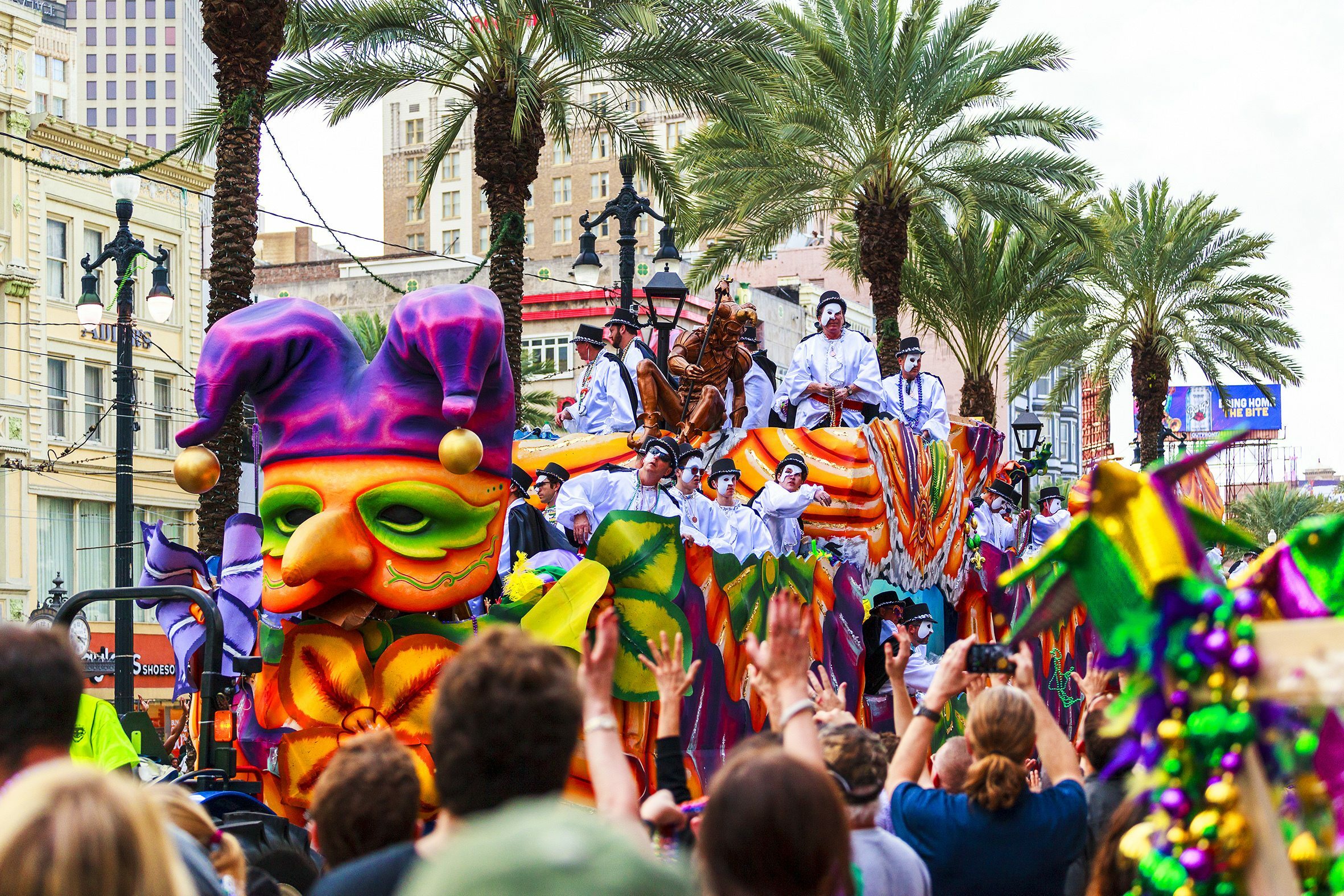
The heart and soul of Mardi Gras are its elaborate parades, organized by social clubs known as Krewes. These organizations, some dating back to the 19th century, meticulously plan their themes, floats, and costumes for months, if not years. The parades feature colossal, intricately designed floats, carrying costumed riders who shower the enthusiastic crowds with “throws” – signature Mardi Gras beads, doubloons, cups, and other trinkets. Witnessing a Mardi Gras parade is an immersive sensory experience: the roar of the crowd, the vibrant colors, the unique smells of street food, and the thrill of catching a coveted throw.
Iconic Krewes like the Rex Organization (who crowns the King of Carnival) and the Zulu Social Aid & Pleasure Club (famous for its hand-painted coconuts) are cornerstones of the celebration. While the French Quarter is often associated with Mardi Gras, many of the largest and most famous parades roll along St. Charles Avenue, passing through the Garden District and Central Business District. These parades are generally family-friendly, offering designated viewing areas where children can delight in the magic. Each Krewe has its own distinct personality, making every parade a unique and memorable event.
Culinary Delights and Local Flavors
No visit to New Orleans is complete without indulging in its legendary cuisine, and Mardi Gras provides the perfect opportunity to savor local flavors. The quintessential Mardi Gras treat is King Cake, a festive, colorful pastry adorned with purple, green, and gold sugar, symbolizing justice, faith, and power. Finding the hidden plastic baby inside is a fun tradition, promising good luck and the responsibility of hosting the next King Cake party.
Beyond the King Cake, the city’s culinary landscape flourishes during carnival season. You’ll find an abundance of classic New Orleans dishes readily available, from rich gumbo and spicy jambalaya to crispy fried seafood and beloved beignets dusted with powdered sugar. Street vendors offer quick bites perfect for parade-watching, while fine dining establishments showcase sophisticated Creole and Cajun menus. Exploring the local food scene is an integral part of the tourism experience, offering a delicious insight into the city’s heritage.
The Music and Atmosphere
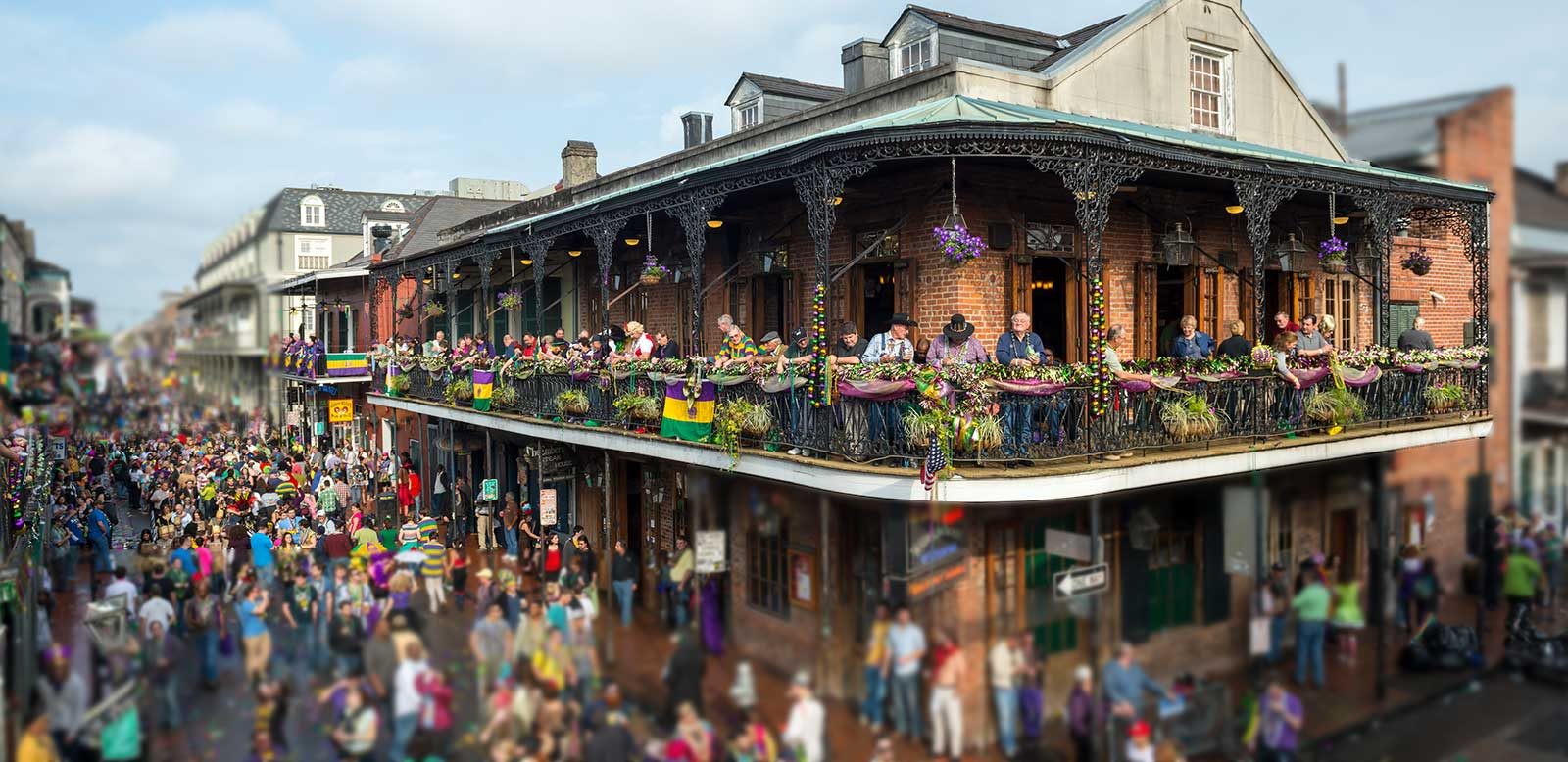
Music is the heartbeat of New Orleans, and Mardi Gras amplifies this to an exhilarating degree. Brass bands are ubiquitous, marching in parades, performing on street corners, and filling the air with infectious jazz and funk rhythms. From impromptu street performances to organized concerts, music is an ever-present backdrop to the festivities. The energy on Bourbon Street in the French Quarter is legendary, though the wider city buzzes with a more diverse range of musical offerings.
The atmosphere itself is a major attraction. There’s a palpable sense of unity and celebration as locals and visitors alike don costumes, adorn themselves with beads, and embrace the joyous chaos. Whether you’re dancing to a street band, marveling at the artistry of a float, or simply soaking in the communal spirit, Mardi Gras offers a unique fusion of tradition, exuberance, and pure, unadulterated fun. It’s a testament to the city’s resilience and its enduring commitment to celebration.
Planning Your Mardi Gras Getaway: Travel & Accommodation Insights
A trip to Mardi Gras requires careful planning, especially given the influx of visitors. Focusing on smart travel and accommodation strategies will ensure a smooth and enjoyable experience, allowing you to fully immerse yourself in the festivities without stress.
Booking Your Stay: Hotels, Resorts, and More
New Orleans offers a wide array of accommodation options, from luxurious resorts and boutique hotels to charming guest houses and convenient apartment rentals. During Mardi Gras, demand surges, and prices escalate considerably. It is unequivocally vital to book your stay as early as possible – ideally 6 to 12 months in advance. Many hotels implement minimum stay requirements during this peak period.
When choosing where to stay, consider your priorities. The French Quarter offers unparalleled access to nightlife and historical charm, but can be noisy and costly. The Central Business District (CBD) provides easy access to parade routes and a more modern hotel selection, often with amenities like suites and fitness centers. For a more residential feel and proximity to family-friendly parades, areas like the Garden District or Uptown are excellent choices. Exploring various booking platforms and reading reviews can help in finding the perfect fit, whether you’re seeking luxury hotels with concierge services or more budget-friendly options.
Navigating the City: Transportation and Tips
Getting around New Orleans during Mardi Gras requires strategic thinking. Many streets in the parade zones are closed to vehicle traffic, making walking, public transportation, and ride-sharing the primary modes of transit. The historic streetcars offer a charming way to travel along key routes, including St. Charles Avenue, providing scenic views and a respite from walking. However, be prepared for crowds and potential delays.
For those venturing beyond the immediate parade routes, ride-share services are available but surge pricing is common. Planning your routes in advance and allowing ample time to get from one point to another is crucial. Comfortable walking shoes are a must, as you’ll likely be doing a lot of exploring on foot. General travel tips include carrying minimal valuables, staying hydrated, and being aware of your surroundings, especially in crowded areas.
Beyond the Festivities: Exploring New Orleans’ Landmarks
While Mardi Gras is undoubtedly the main draw, New Orleans is a city rich in history, architecture, and unique landmarks. Allocate some time to explore these attractions to gain a fuller appreciation of the city’s character.
- Jackson Square: A historic park in the French Quarter, famed for its artists, street performers, and the iconic St. Louis Cathedral.
- St. Louis Cathedral: The oldest continuously active cathedral in the United States, a stunning example of French Colonial architecture.
- Audubon Park & City Park: Sprawling urban nature escapes, perfect for a peaceful stroll or a picnic, offering a contrast to the carnival bustle.
- Mississippi Riverfront: Enjoy scenic views of the Mississippi River and watch steamboats glide by.
- National WWII Museum: A world-class museum offering a profound historical experience, providing a thoughtful break from the party atmosphere.
Integrating these landmarks into your itinerary enhances your overall tourism experience, offering a deeper understanding of New Orleans’ diverse heritage.
Lifestyle Choices: Crafting Your Ideal Mardi Gras Experience
Mardi Gras is a festival that can be enjoyed by everyone, regardless of their preferred lifestyle or budget. From opulent celebrations to more laid-back family fun, tailoring your experience ensures maximum enjoyment.
Luxury vs. Budget Travel
For those seeking a luxury travel experience, Mardi Gras offers exclusive opportunities. Consider booking a spot on a private balcony along a parade route, which often includes catering and open bar services, providing prime viewing without the street crowds. Fine dining restaurants throughout the city offer exceptional culinary journeys, and premium hotel suites provide a lavish sanctuary amidst the revelry. Some Krewes also host elaborate, black-tie balls that offer a glamorous peek into Mardi Gras tradition.
Conversely, experiencing Mardi Gras on a budget is entirely feasible. Watching parades from the street is free and offers an authentic, high-energy experience. Pack snacks and drinks to save on vendor costs, and explore the vast array of delicious and affordable street food options. Opt for hostels or guest houses further from the French Quarter for lower accommodation rates. Public transportation or walking can significantly cut down on travel expenses. The spirit of Mardi Gras is inclusive, and a memorable experience doesn’t necessarily depend on a hefty price tag.
Family-Friendly Mardi Gras
Many assume Mardi Gras is solely an adult affair, but a significant portion of the celebration is incredibly family-friendly. The parades rolling through Uptown and the Garden District are often geared towards families, offering a festive and vibrant atmosphere without the intensity of some French Quarter areas. Children delight in catching throws, and the daytime parades, in particular, are a kaleidoscope of colors and sounds that captivate young imaginations.
Tips for family trips include bringing a sturdy bag for collecting throws, having snacks and drinks on hand, and designating a meeting point in case anyone gets separated in the crowd. Consider visiting during the early days of the parade season for slightly smaller crowds. Many local families set up camp chairs and ladders (specifically designed for children to see over crowds and catch throws) along the parade routes, turning it into a cherished community event.
Tips for a Seamless Experience
To truly enjoy your Mardi Gras New Orleans experience, keep these practical travel tips in mind:
- Book Early: This cannot be stressed enough for accommodations and popular tours.
- Pack Smart: Comfortable shoes, layered clothing (weather can change quickly), and a rain jacket are essential. Don’t forget a bag for all your throws!
- Stay Hydrated: With all the walking and excitement, it’s easy to get dehydrated. Carry a water bottle.
- Embrace the Spirit: Wear purple, green, and gold. Don a costume. Talk to locals. The more you participate, the more rewarding the experience.
- Be Patient: Crowds are inevitable. Traffic will be heavy. A relaxed attitude will serve you well.
- Safety First: Be aware of your surroundings, especially at night. Keep valuables secure.
- Explore: While the parades are magnificent, take time to discover the city’s hidden gems, from quaint cafes to historic courtyards.
Mardi Gras is more than just a party; it’s a testament to New Orleans’ unique blend of history, culture, and irrepressible joy.
In conclusion, while the question “When is Mardi Gras New Orleans?” has a movable answer tied to Easter, the experience itself is a timeless celebration of life, tradition, and community. By understanding its timing, embracing the vibrant local culture, and planning your travel and accommodation thoughtfully, you are poised for an unparalleled adventure. Mardi Gras is not just an event to witness; it’s an experience to live, breathe, and carry with you long after the last bead has been thrown. Begin planning your journey today and prepare to be captivated by the magic of New Orleans’ most famous festival.
LifeOutOfTheBox is a participant in the Amazon Services LLC Associates Program, an affiliate advertising program designed to provide a means for sites to earn advertising fees by advertising and linking to Amazon.com. Amazon, the Amazon logo, AmazonSupply, and the AmazonSupply logo are trademarks of Amazon.com, Inc. or its affiliates. As an Amazon Associate we earn affiliate commissions from qualifying purchases.