
Planning a trip to the vibrant and eclectic city of Austin, Texas, often involves a crucial question: “What’s the temperature going to be like?” This inquiry isn’t just about packing the right clothes; it’s fundamental to shaping your entire Austin experience, from the outdoor activities you can enjoy to the types of accommodations that will best suit your comfort. Austin, nestled in the heart of the Texas Hill Country, boasts a climate that is generally warm and humid, with distinct seasons that each offer a unique flavor of Texas hospitality.
Understanding the temperature fluctuations throughout the year is key to maximizing your visit. Whether you’re drawn to Austin for its legendary live music scene, its delicious food offerings, its stunning natural landmarks, or its unique lifestyle, knowing the weather will empower you to make informed decisions. This guide will delve into the typical climatic patterns of Austin, providing insights into what you can expect during different times of the year, and how these conditions might influence your choice of hotels, attractions, and overall travel plans.

Austin’s Climate: A Year-Round Overview
Austin, Texas experiences a humid subtropical climate, characterized by hot summers, mild winters, and transitional springs and autumns. The city receives a good amount of sunshine year-round, making it an appealing destination no matter the season, provided you’re prepared for the prevailing weather conditions.
Spring: A Season of Reawakening and Outdoor Adventures
Spring in Austin (typically March through May) is a delightful period, often considered one of the best times to visit. The temperatures begin to climb from the mild winter, but the oppressive heat of summer hasn’t yet set in.
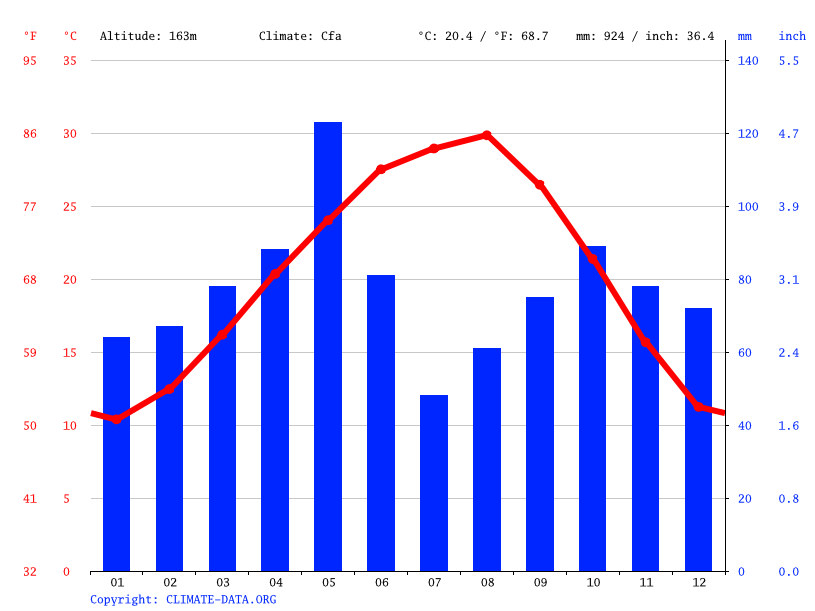
- March: Expect average high temperatures to be in the mid-60s to low-70s Fahrenheit, with lows in the 40s and 50s. It can be somewhat unpredictable, with cooler days and occasional rain showers. This is a fantastic time for exploring the numerous parks and trails around the city, such as Zilker Park or the Barton Creek Greenbelt. The wildflowers, particularly the Texas Bluebonnets, begin to bloom, creating a breathtaking natural spectacle.
- April: The temperatures warm up considerably, with average highs reaching the 70s and 80s Fahrenheit. Nights remain pleasant, usually in the 50s and 60s. April is prime festival season in Austin, with events like South by Southwest (SXSW) often taking place, though the exact timing can vary. The weather is generally perfect for enjoying outdoor attractions, kayaking on Lady Bird Lake, or visiting landmarks like the Texas State Capitol.
- May: May marks the transition towards summer, with average highs consistently in the 80s and even creeping into the low 90s Fahrenheit. Nights are balmy, usually in the 60s and 70s. While still comfortable for many outdoor activities, the humidity starts to become more noticeable. It’s a great month for enjoying the city’s vibrant food scene and its abundant outdoor restaurants and patios.
The spring months offer a perfect balance of pleasant temperatures and burgeoning natural beauty, making it an ideal time for family trips and immersive tourism.
Summer: Embracing the Heat and Water Fun
Summer in Austin (typically June through August) is synonymous with heat and humidity. This is when the city truly embraces its love for all things cool and refreshing.
- June: The summer heat arrives with a bang. Average high temperatures are consistently in the 90s Fahrenheit, often breaking the 100-degree mark. Nights are warm and muggy, with lows typically in the 70s. This is the time when heading to Barton Springs Pool, a natural spring-fed swimming hole, becomes a daily ritual for many. Exploring the natural swimming holes outside the city, like Hamilton Pool Preserve, is also a popular pursuit.
- July & August: These are the hottest months in Austin. Expect daily highs to be in the mid-to-high 90s Fahrenheit, with frequent stretches of triple-digit heat. Humidity levels are also at their peak, making the heat feel even more intense. While outdoor activities are still possible during the early morning or late evening, many visitors and locals opt for indoor attractions, air-conditioned hotels, and enjoying the city’s renowned live music venues after sunset. Staying hydrated is paramount, and seeking out shaded areas or indoor escapes is crucial for comfort.
Despite the heat, Austin offers plenty of ways to stay cool and enjoy the summer, from its numerous swimming holes and water activities to its lively nightlife and indoor cultural experiences.
Autumn: A Welcome Respite and Outdoor Pursuits
Autumn in Austin (typically September through November) brings a welcome relief from the summer heat and is another peak season for visitors. The weather becomes more temperate and the humidity decreases, making it ideal for exploring the city on foot and enjoying outdoor experiences.
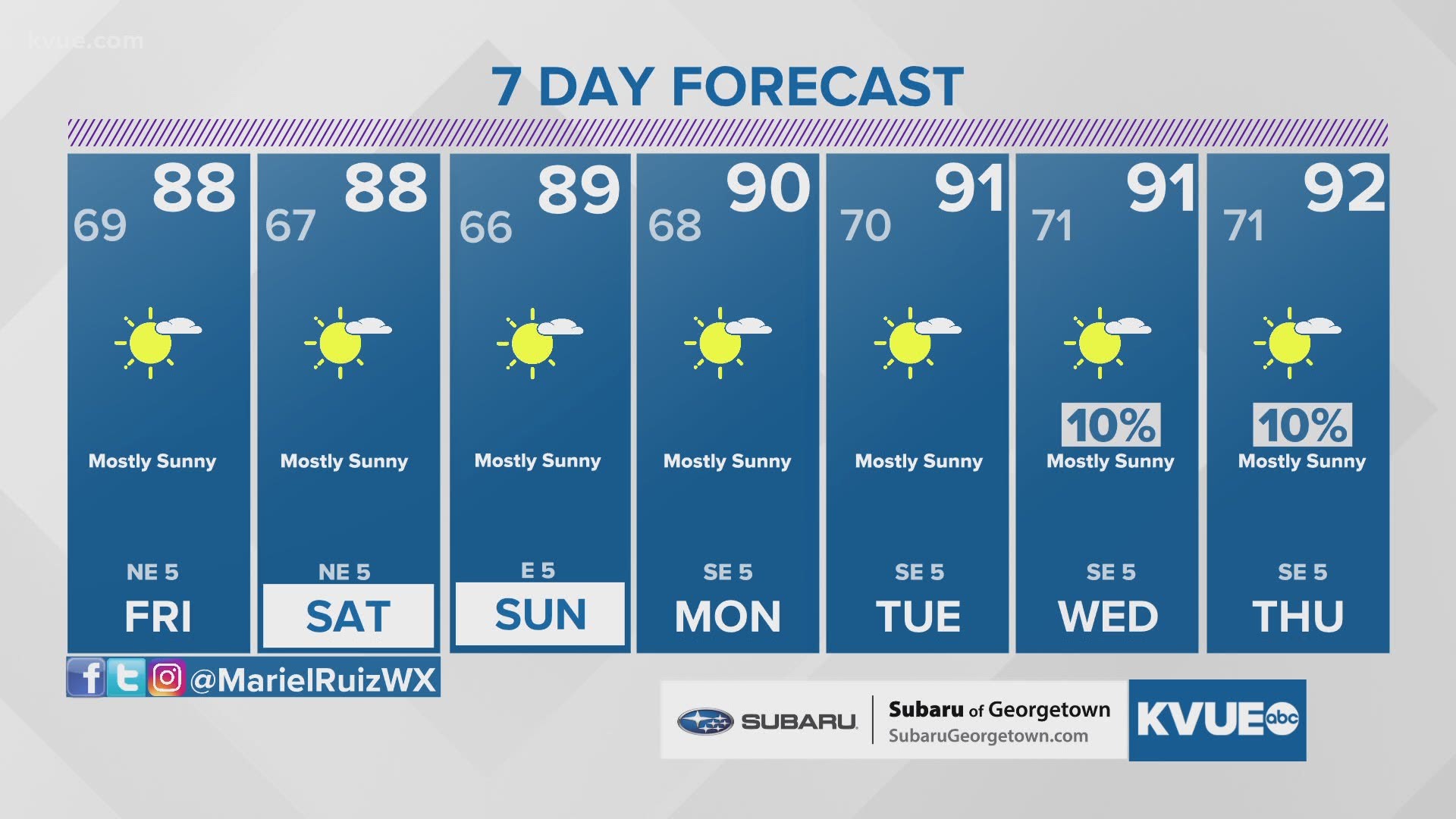
- September: While still warm, September offers a noticeable drop in temperature compared to July and August. Average highs are typically in the high 80s to low 90s Fahrenheit, with nights cooling down into the 60s and 70s. The humidity begins to subside, making outdoor activities much more pleasant. It’s still a great time for swimming, though the extreme heat has passed.
- October: October is arguably one of the most beautiful months in Austin. Average high temperatures are in the 70s and 80s Fahrenheit, with cool, crisp evenings in the 50s and 60s. This is perfect weather for exploring landmarks, hiking, biking, and enjoying the many outdoor events and festivals that the city hosts, including the renowned Austin City Limits Music Festival. The fall foliage, though not as dramatic as in some other parts of the country, adds a touch of color to the Texas Hill Country.
- November: November continues the trend of pleasant fall weather. Average highs are in the 60s and 70s Fahrenheit, with nights dipping into the 40s and 50s. It’s a great time for exploring Austin‘s vibrant food scene, enjoying leisurely strolls through neighborhoods like South Congress, and visiting museums like the Blanton Museum of Art. The cooler temperatures make it an ideal period for extended stays and budget travel as demand may slightly decrease compared to peak spring and fall months.
Autumn provides a comfortable and inviting climate for experiencing the best of what Austin has to offer, making it a favored time for travelers of all kinds.
Winter: Mild and Invigorating
Winter in Austin (typically December through February) is generally mild and often sunny, though occasional cold fronts can bring a chill.
- December: December temperatures are quite variable. Average highs are usually in the 60s Fahrenheit, with lows in the 40s. While it’s not common to see snow, frost can occur on some mornings. The city offers a festive atmosphere during the holiday season, with various events and light displays. It’s a good time for exploring indoor attractions and enjoying the city’s cozy restaurants and bars.
- January & February: These are typically the coolest months. Average highs hover in the 50s and 60s Fahrenheit, with nights frequently dropping into the 30s and 40s. Cold snaps can bring temperatures below freezing, but these are usually short-lived. Despite the cooler weather, Austin still offers plenty to do, including exploring museums, enjoying live music in intimate venues, and experiencing the unique local culture. It’s an excellent time for budget travel and finding great deals on hotels and accommodations. The city’s natural beauty is still accessible, with fewer crowds at popular landmarks.
While winter in Austin might not offer the warmth of summer or the vibrant blooms of spring, its mild climate and fewer crowds make it an attractive option for a different kind of Texas experience, perfect for those seeking a more relaxed pace.
Planning Your Austin Trip: Accommodation and Activities Based on Temperature
The temperature in Austin, Texas, plays a significant role in determining the best types of accommodations and activities for your visit. Understanding these seasonal variations will help you tailor your trip for maximum enjoyment and comfort, whether you’re looking for luxury travel or a more budget-friendly approach.
Selecting the Right Accommodation
Your choice of hotel, resort, or apartment can be greatly influenced by the expected temperatures.
- Summer Travelers: When visiting during the scorching summer months, prioritizing accommodations with excellent air conditioning is paramount. Consider hotels with well-maintained cooling systems and ample shade around outdoor amenities like pools. For those seeking a more immersive local culture experience, a vacation rental with a private pool or easy access to public swimming holes might be ideal. Resorts offering extensive indoor activities or shaded poolside lounging areas will also be highly desirable. Look for places that emphasize water features, whether it’s a rooftop pool with a view of the city or a tranquil courtyard.
- Spring and Autumn Visitors: During these shoulder seasons, the weather is more forgiving, opening up a wider range of accommodation options. You can comfortably enjoy hotels with balconies or patios for al fresco experiences. Exploring boutique hotels in neighborhoods like South Congress or the Rainey Street Historic District offers charm and proximity to vibrant nightlife and food scenes. For longer stays or family trips, consider villas or apartments that provide more space and flexibility, allowing you to take advantage of pleasant weather for cooking outdoors or relaxing in a garden.
- Winter Guests: In the mild winter, you’ll still want comfortable indoor accommodations, but the emphasis might shift from pure cooling to cozy environments. Hotels with fireplaces or inviting common areas can enhance the winter experience. Consider accommodations closer to indoor attractions, such as museums or performance venues, for those days when the temperature dips. Budget travel can be particularly rewarding in winter, with more opportunities for deals on suites and standard rooms.
Tailoring Activities to the Climate
The temperature dictates the feasibility and enjoyment of various Austin attractions and activities.
- Outdoor Adventures: For hiking, biking, and exploring landmarks like the Congress Avenue Bridge (to see the bats), spring and autumn are unequivocally the best. The milder temperatures make walking tours of the Texas State Capitol or exploring the Lady Bird Lake hike and bike trail much more enjoyable. During summer, these activities are best reserved for early mornings or late evenings. Water-based activities, such as swimming in Barton Springs Pool or kayaking on Lady Bird Lake, are prime summer pursuits, offering a way to beat the heat.
- Cultural and Culinary Exploration: Austin‘s food scene and live music venues are accessible year-round, but the lifestyle surrounding them changes with the weather. In cooler months, you might find yourself gravitating towards cozy restaurants with indoor seating, while in warmer months, outdoor patios and food trucks become the stars. Spring and fall are perfect for exploring the city’s farmers markets and outdoor food festivals. The rich local culture can be experienced through museums, art galleries, and music venues regardless of the temperature, making them excellent options for any season.
- Day Trips and Excursions: The Texas Hill Country, with its wineries and natural beauty, is best explored during the spring and fall when the weather is conducive to scenic drives and outdoor wine tastings. Hamilton Pool Preserve and other natural swimming holes are particularly popular during the warmer months, but their accessibility can be limited by weather conditions, especially after heavy rains. Always check conditions before planning a trip to these natural attractions.
By considering the temperature in Austin, Texas, when planning your travel itinerary, you can ensure a more comfortable, enjoyable, and memorable visit, whether you’re drawn to its iconic landmarks, its vibrant lifestyle, or its world-class tourism offerings.
LifeOutOfTheBox is a participant in the Amazon Services LLC Associates Program, an affiliate advertising program designed to provide a means for sites to earn advertising fees by advertising and linking to Amazon.com. Amazon, the Amazon logo, AmazonSupply, and the AmazonSupply logo are trademarks of Amazon.com, Inc. or its affiliates. As an Amazon Associate we earn affiliate commissions from qualifying purchases.