
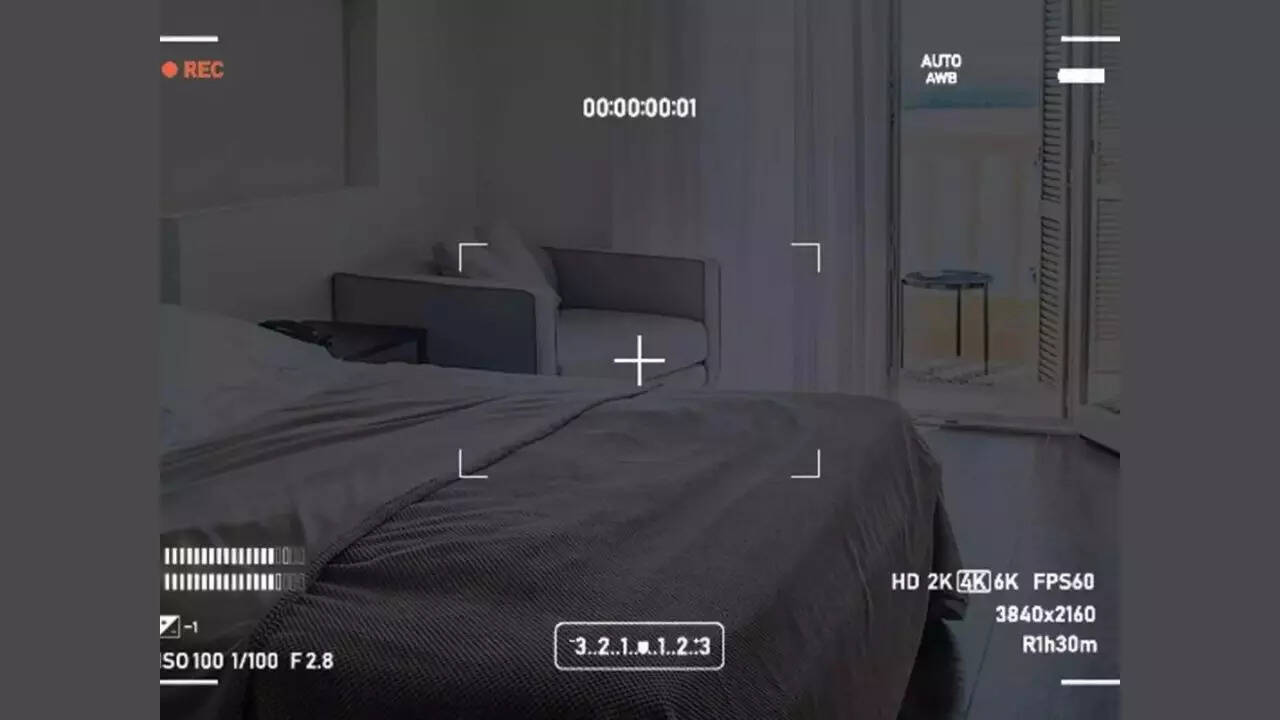
For the modern traveler, the hotel room is more than just a place to sleep; it is a temporary sanctuary. Whether you are checking into a high-end suite at the Four Seasons in Paris or a boutique apartment in Tokyo, the expectation of privacy is a fundamental pillar of the guest experience. However, with the rise of affordable surveillance technology and occasional news headlines regarding privacy breaches, a common question arises: Do hotel rooms have cameras?
In the professional hospitality industry, the answer is a resounding and legally mandated “no” regarding private sleeping and bathroom areas. However, the intersection of security, technology, and guest safety is complex. Understanding the standards upheld by major brands like Marriott International and Hilton Worldwide, as well as the legal frameworks in various countries, is essential for any savvy traveler.
The Legal and Ethical Framework of Hotel Surveillance
The hospitality industry operates under strict legal guidelines regarding guest privacy. In almost every jurisdiction, from the United States to Germany, there is a concept known as a “reasonable expectation of privacy.” This legal doctrine dictates that certain areas are inherently private, and unauthorized surveillance in these spaces is not only a violation of policy but a criminal offense.
Privacy Laws and Guest Rights
In the United States, the Fourth Amendment and various state-level privacy laws protect guests. Hotels are legally prohibited from placing cameras in areas where guests have a reasonable expectation of privacy, which includes the bedroom and the bathroom. If a hotel like the Bellagio in Las Vegas were to install cameras inside a guest room, they would face massive lawsuits, the loss of their operating license, and criminal charges for the executives involved.
Similarly, in the European Union, the General Data Protection Regulation (GDPR) places strict limits on how personal data—including video footage—is collected and stored. These regulations ensure that while a hotel in Rome might have cameras in the lobby, they are strictly forbidden from monitoring the interior of a guest’s living space.
The Role of Corporate Policy
Major hospitality groups, such as InterContinental Hotels Group and Hyatt Regency, have internal security protocols that go beyond local laws. These corporations prioritize brand reputation above all else. A single instance of a hidden camera in a Ritz Carlton or a St Regis property would cause irreparable damage to their global image. Consequently, these chains employ rigorous auditing processes to ensure their staff and franchisees adhere to the strictest privacy standards.
Ethics in the Digital Age
Beyond the law, there is a professional ethic in the hotel industry. Hospitality is built on trust. When a guest checks into the Mandarin Oriental in Hong Kong, they are entrusting the brand with their physical safety and their personal privacy. Ethical hospitality management recognizes that any breach of this trust is a failure of the core mission of service.
Common Locations for Security Monitoring in Hotels
While cameras are strictly banned inside rooms, they are a standard feature of hotel security in public areas. These systems are designed to protect both the guests and the property from theft, vandalism, and other security threats.
Lobbies and Entrances
The most common location for surveillance is the main lobby and the entrance foyers. High-traffic areas like the reception desk at the Marina Bay Sands in Singapore are monitored 24/7. These cameras help verify the identity of individuals entering the building and provide a record of transactions at the front desk, which is useful for resolving billing disputes or security incidents.
Hallways and Elevators
Public corridors and elevator cabins are almost always under surveillance. This serves as a deterrent to unauthorized individuals attempting to access guest floors. In cities like London or New York City, where hotel security is a top priority, these cameras provide a “chain of custody” for safety, ensuring that the hotel can track who was on a specific floor at a specific time should a guest report a missing item.
Amenity Spaces and Parking Garages
Resorts like the Atlantis Paradise Island in the Bahamas utilize extensive surveillance in their outdoor spaces, pool areas, and parking facilities. These cameras are vital for managing the safety of large crowds and protecting the expensive infrastructure of the resort. However, even in these public-facing amenity areas, changing rooms and restrooms remain strictly off-limits for video recording.
Proactive Measures: How to Verify Your Room’s Privacy

Despite the strict regulations, some travelers remain concerned about “rogue” installations—unauthorized cameras placed by third parties or dishonest employees. While extremely rare in reputable establishments like the Burj Al Arab in Dubai or the Wynn Las Vegas, knowing how to check your environment can provide peace of mind.
Physical Inspection Techniques
The first step in verifying your privacy is a simple physical scan. Look for objects that seem out of place or face the bed directly. Common “hiding spots” in unauthorized surveillance cases (often found in unregulated rentals rather than major hotels) include smoke detectors, alarm clocks, and power outlets.
- Check for Wires: Most cameras require power. Be wary of unusual wires leading to decorative items.
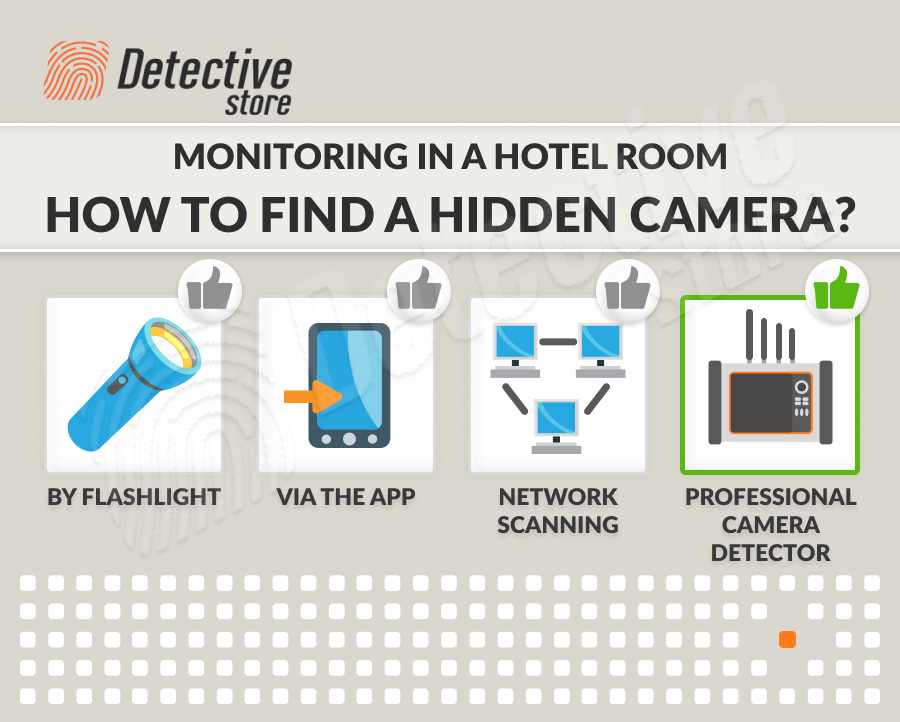
- The Reflection Test: Use a flashlight to scan the room. Camera lenses reflect light differently than plastic or glass. If you see a blue or purple glint when shining light on a device, it warrants a closer look.
- Two-Way Mirrors: While largely a myth in the hotel industry, you can test a mirror by placing your fingernail against the surface. If there is a gap between your nail and the reflection, it is a standard mirror. If they touch directly, it could be a two-way mirror, though this is more common in themed attractions than in a Sheraton guest room.
Utilizing Technology for Detection
If you are staying in an unfamiliar environment, such as a small independent guesthouse in Bangkok or an Airbnb in Florida, you can use technology to assist you.
- Network Scanners: Many modern cameras are “smart” and connect to the local Wi-Fi. Apps like Fing can scan the network you are connected to and list all active devices. If you see a device labeled “IP Camera” or “Cams,” it is a red flag.
- Infrared Detectors: Many cameras use infrared light for night vision. By turning off all the lights in your room and looking through your smartphone’s front-facing camera (which often lacks an IR filter), you may be able to spot small glowing dots that are invisible to the naked eye.
What to Do if You Find a Camera
In the highly unlikely event that you discover a camera inside your room at a property like the Grand Hyatt, do not touch it. Immediately leave the room and contact the hotel management and local law enforcement. In a country like Australia or Canada, this is a serious criminal matter, and preserving the evidence is crucial for a police investigation.
Global Standards and Regional Variations in Hospitality Privacy
While the core principles of privacy are global, different regions have varying levels of enforcement and cultural attitudes toward surveillance.
Surveillance in South Korea and China
In some parts of Asia, there have been documented issues with “molka” or spy cameras. South Korea has taken aggressive steps to combat this, with Seoul authorities regularly inspecting hotel rooms for hidden devices. Similarly, in China, while public surveillance in cities like Beijing is high, the government has passed strict laws against the unauthorized recording of guests in private accommodations.
European Privacy Standards
France and Italy are known for having some of the strongest privacy protections in the world. Travelers staying at a luxury villa in Tuscany or a palace hotel in Cannes can generally rest easy knowing that the legal repercussions for privacy violations are severe enough to deter almost any attempt at unauthorized surveillance.
The Rise of Smart Hotels
As the industry moves toward “Smart Hotels,” where rooms are equipped with voice assistants and motion sensors to control lighting and climate, new questions about privacy arise. A stay at a tech-forward hotel in San Francisco might include a Google Nest or an Amazon Echo. While these are not cameras, they do involve microphones. Most hotels allow guests to mute or unplug these devices if they feel uncomfortable.
The Role of Guest Trust in Modern Accommodation
Ultimately, the relationship between a hotel and its guest is built on a foundation of mutual respect. For a business like the Langham in Sydney or the Adlon Kempinski in Berlin, the guest’s comfort is the primary product.
Transparent Communication
Modern hotels are becoming more transparent about their security measures. Many now include sections in their digital guest directories explaining where cameras are located and how the data is used. This transparency helps demystify the technology and reassures guests that the surveillance is there for their protection, not for intrusion.
Choosing Reputable Accommodations
The best way to ensure privacy is to choose established and reputable hotel brands. While the allure of a cheap, unverified rental in Mexico or Vietnam might be high, established chains have much more to lose and much stricter oversight. When you book with a professional entity, you are buying their standardized commitment to safety and privacy.
In conclusion, while the fear of hidden cameras in hotel rooms is a popular trope in films and social media rumors, the reality of the professional hospitality industry is quite different. Through a combination of strict laws in countries like the United Kingdom and Japan, and the rigorous internal policies of global leaders like Marriott International, the hotel room remains one of the most secure and private spaces for a traveler. By staying informed and choosing reputable properties, you can focus on enjoying your journey with total peace of mind.
LifeOutOfTheBox is a participant in the Amazon Services LLC Associates Program, an affiliate advertising program designed to provide a means for sites to earn advertising fees by advertising and linking to Amazon.com. Amazon, the Amazon logo, AmazonSupply, and the AmazonSupply logo are trademarks of Amazon.com, Inc. or its affiliates. As an Amazon Associate we earn affiliate commissions from qualifying purchases.