
To truly answer “What’s the temperature in Alaska right now?”, one must first acknowledge the sheer immensity and diverse geography of the state. Alaska is not a monolithic climate zone; it is a vast expanse encompassing multiple distinct regions, each with its own unique weather patterns, microclimates, and seasonal fluctuations. Understanding these variations is paramount for any traveler planning an experience in the Last Frontier, transforming a simple temperature check into a comprehensive guide for optimal travel planning and unforgettable adventures.
Beyond the Thermometer: Understanding Alaska’s Climate for Travelers
The question of Alaska’s temperature often conjures images of endless snow and sub-zero readings. While extreme cold is certainly a reality in many parts of the state during winter, it’s far from the complete picture. Alaska experiences four distinct seasons, each offering a drastically different climate and set of travel opportunities. From mild, long summer days to crisp, aurora-lit winter nights, the temperature dictates the landscape, the available activities, and the essential packing list for every visitor.
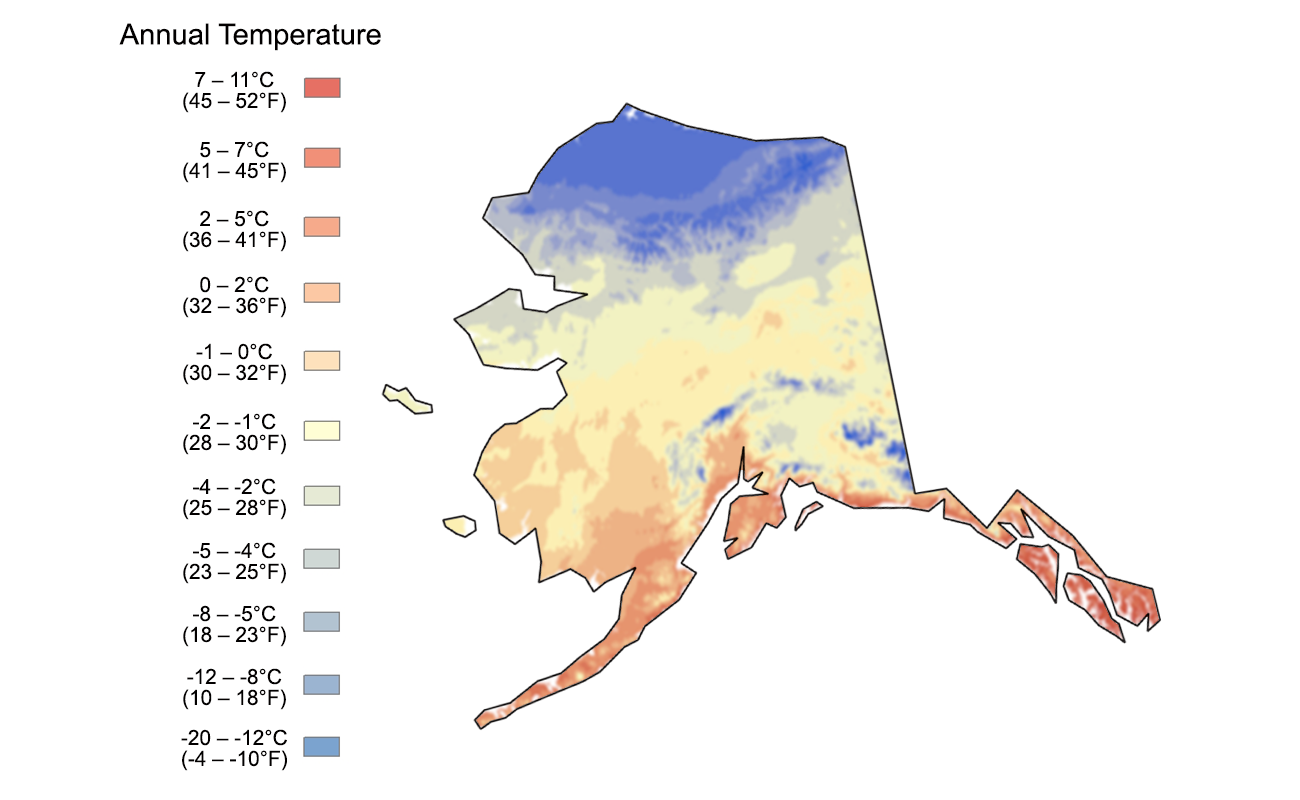
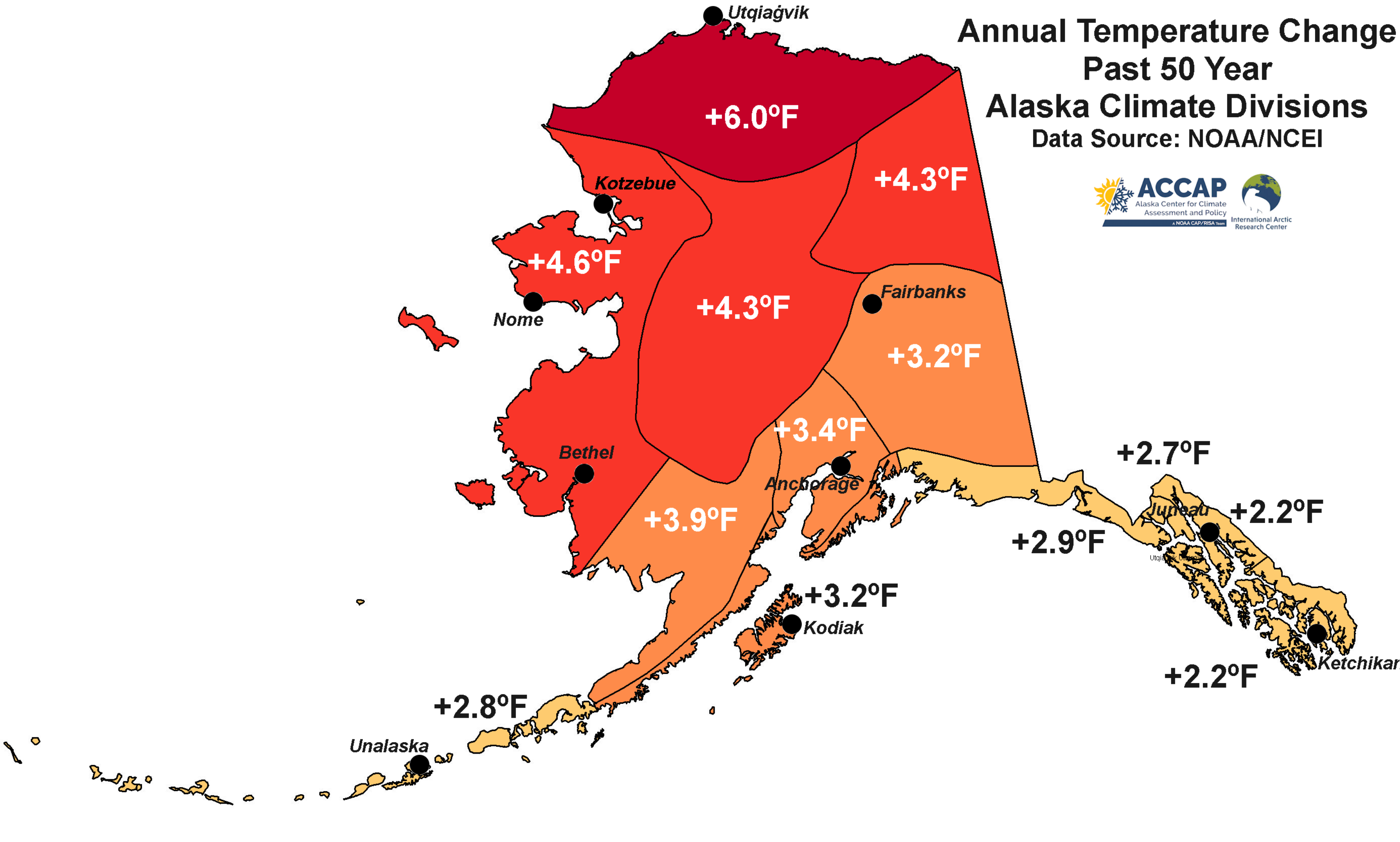
The state’s geographic features—its extensive coastline, towering mountain ranges like the Alaska Range, vast interior plains, and Arctic tundra—all play significant roles in shaping local weather. Coastal areas, particularly in the Southeast and Southcentral regions, benefit from oceanic influence, leading to milder temperatures and higher precipitation. The Interior, conversely, experiences a continental climate characterized by extreme swings: warm summers and brutally cold winters. Up north, the Arctic region remains perpetually cold, even during the brief summer months. Therefore, knowing your specific destination within Alaska is as crucial as knowing the time of year when interpreting temperature readings and preparing for your journey.
Seasonal Adventures: When to Visit and What to Pack
Choosing the right time to visit Alaska largely depends on your desired activities and tolerance for various temperatures. Each season offers a distinct charm and unique set of experiences.
Summer (June-August): The Golden Window
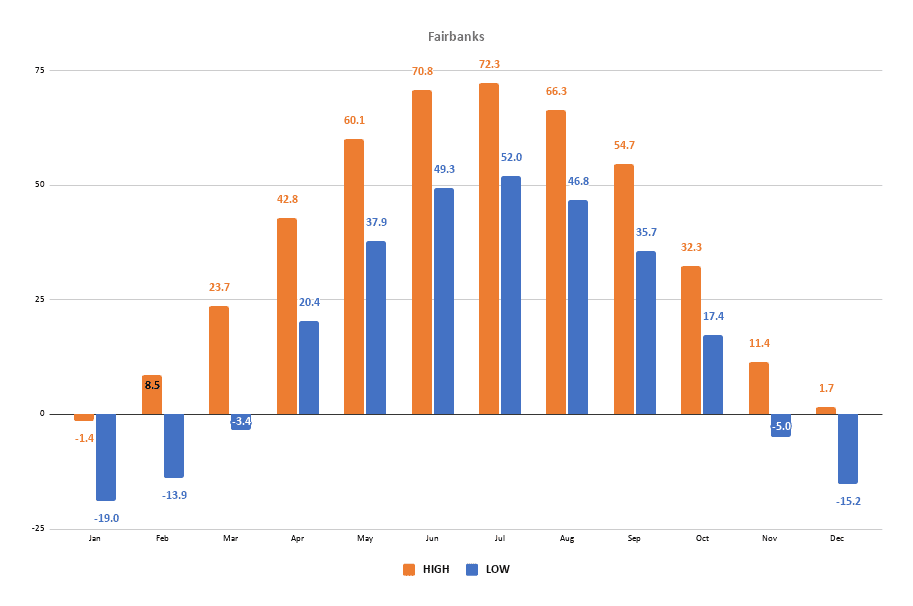
Summer is the peak travel season in Alaska, largely due to its comfortable temperatures and the phenomenon of the “midnight sun.” Average daytime temperatures range from 60°F to 80°F (15°C to 27°C) in many popular areas like Anchorage and Fairbanks, with warmer days possible in the Interior. The continuous daylight, sometimes extending to 19-24 hours depending on latitude, allows for extended exploration.
This is the ideal time for wildlife viewing (bears, moose, whales), hiking in Denali National Park, fishing in pristine rivers, and exploring coastal towns like Seward or Valdez. Glacier cruises and flightseeing tours are also incredibly popular.
Packing Advice: Layers are key. Bring light breathable clothing for warm days, but always include a fleece jacket, a waterproof and windproof outer shell, and sturdy hiking boots. Mosquito repellent is a must, especially in interior areas. Sunglasses and a wide-brimmed hat are advisable due to the intense, prolonged daylight.
Fall (September-October): A Fiery Transition
As summer fades, Alaska transforms into a canvas of vibrant fall colors, and temperatures begin their steady descent. Daytime averages typically fall between 30°F and 50°F ( -1°C to 10°C), with night frosts becoming common. The shorter days also bring the return of true darkness, making early fall an excellent time for viewing the Aurora Borealis, particularly in Fairbanks and further north. Crowds thin out, and prices for accommodations and tours may decrease, offering a more serene and budget-friendly experience. Wildlife is often active as animals prepare for winter.
Packing Advice: Warmer layers are essential. Think wool sweaters, heavier fleece, insulated vests, and a good waterproof/windproof jacket. Waterproof hiking boots are still critical, and consider insulated gloves and a warm hat for colder mornings and evenings.
Winter (November-March): A Wonderland of Extremes
Winter in Alaska is defined by its cold temperatures, heavy snowfall, and significantly shorter daylight hours, especially during the darkest months of December and January. Interior regions like Fairbanks can see temperatures consistently drop to -20°F to -40°F (-29°C to -40°C), sometimes even colder, while coastal areas like Anchorage are milder, often ranging from 0°F to 20°F (-18°C to -7°C).
Despite the chill, winter offers unique and exhilarating experiences: world-class aurora viewing, dog sledding, snowmobiling, ice fishing, and skiing at resorts like Alyeska Resort in Girdwood. The pristine snow-covered landscapes create breathtaking scenery.
Packing Advice: This is where serious winter gear comes into play. You’ll need a heavy-duty, insulated, waterproof winter coat (down-filled is ideal), thermal base layers (wool or synthetic), insulated snow pants, waterproof and insulated boots with good traction, a warm hat that covers your ears, and multiple pairs of insulated gloves or mittens. Hand warmers and toe warmers can be a lifesaver.
Spring (April-May): The Thaw and Rebirth
Spring in Alaska is a transitional period, marked by rising temperatures, melting snow, and the gradual return of abundant daylight. Daytime temperatures typically range from 30°F to 50°F (-1°C to 10°C), though conditions can be highly variable. While much of the landscape is still thawing and can be muddy, wildlife begins to emerge, and migratory birds return. This shoulder season offers smaller crowds and potentially lower prices. Many roads and trails may still be inaccessible in early spring due to snow.
Packing Advice: Versatility is key. Pack waterproof footwear suitable for muddy conditions, multiple layers including warm sweaters and a waterproof jacket, and still be prepared for cold snaps, especially in the mornings and evenings.
Regional Climate Variations: Planning Your Specific Alaska Itinerary
Given Alaska’s immense size, a single temperature reading for the entire state is largely meaningless. Travelers must consider the distinct regional climates.
Southcentral Alaska (e.g., Anchorage, Seward, Valdez)
This region experiences a subarctic continental climate tempered by its proximity to the ocean. Summers are mild and pleasant, with July averages in Anchorage around 66°F (19°C). Winters are cold but generally less extreme than the Interior, with January averages around 20°F (-7°C). Snowfall is significant, and rain is common in coastal areas during summer. This is a popular entry point for many visitors, offering access to national parks and coastal excursions.
Interior Alaska (e.g., Fairbanks, Denali)
The Interior has a true continental subarctic climate, characterized by the most extreme temperature swings. Summers can be surprisingly warm, with July averages in Fairbanks reaching 72°F (22°C), sometimes higher. However, winters are famously cold, with January averages around -8°F (-22°C), frequently plummeting to -40°F (-40°C) or colder. This dry cold, coupled with clear skies, makes Fairbanks one of the best places on Earth to view the Aurora Borealis.
Southeast Alaska (e.g., Juneau, Ketchikan, Sitka)
Often called the “Inside Passage,” this region boasts a temperate rainforest climate, leading to the mildest winters in Alaska but also the highest precipitation. Summers are cool, with July averages in Juneau around 64°F (18°C), and winters are relatively mild, with January averages around 30°F (-1°C). Rainfall is abundant year-round, so waterproof gear is always essential here, regardless of the season. This region is popular for cruise ship travel, offering stunning fjords and islands.
Arctic Alaska (e.g., Utqiagvik)
The far northern regions, including the city of Utqiagvik (formerly known as Barrow), experience an Arctic tundra climate. This means cold temperatures year-round. Even in July, the warmest month, average temperatures hover around 40°F (4°C). Winters are brutally cold, with January averages dipping to -13°F (-25°C) and often much lower, accompanied by polar night. Travel to this region is specialized and typically involves specific tours for those seeking extreme conditions or unique cultural experiences.
Practical Tips for Navigating Alaska’s Weather
Regardless of the season or region, successful travel in Alaska hinges on preparation and flexibility.
Embrace Layering: This is the golden rule for dressing in Alaska. Start with a moisture-wicking base layer, add an insulating middle layer (fleece or wool), and top it with a waterproof and windproof outer shell. This allows you to adapt quickly to changing conditions, from warm sunshine to sudden rain or cold winds.
Monitor Local Forecasts: Weather in Alaska can change rapidly. Always check the specific forecast for your destination just before and during your trip. Apps and local news websites are reliable resources.
Understand Microclimates: Even within a small area, elevation changes or proximity to water can create significant differences in temperature and weather. Be prepared for varied conditions if your itinerary includes diverse landscapes.
Prioritize Safety in Extremes: If traveling in winter or remote areas, be aware of the risks associated with extreme cold. Frostbite can occur quickly, and hypothermia is a serious concern. Always inform someone of your itinerary, carry emergency supplies, and know your limits.
Invest in Quality Gear: Good quality waterproof footwear, a durable rain jacket, and appropriate insulation are investments that will significantly enhance your comfort and safety in Alaska’s varied temperatures and weather conditions.
In conclusion, “What’s the temperature in Alaska right now?” is a question that opens the door to a deeper understanding of this magnificent state. It prompts travelers to consider not just a single number, but the dynamic interplay of geography, season, and personal readiness that defines an Alaskan adventure. By understanding these nuances, visitors can ensure they are well-prepared to fully immerse themselves in the unparalleled beauty and unique experiences Alaska offers, irrespective of what the thermometer reads.
LifeOutOfTheBox is a participant in the Amazon Services LLC Associates Program, an affiliate advertising program designed to provide a means for sites to earn advertising fees by advertising and linking to Amazon.com. Amazon, the Amazon logo, AmazonSupply, and the AmazonSupply logo are trademarks of Amazon.com, Inc. or its affiliates. As an Amazon Associate we earn affiliate commissions from qualifying purchases.