
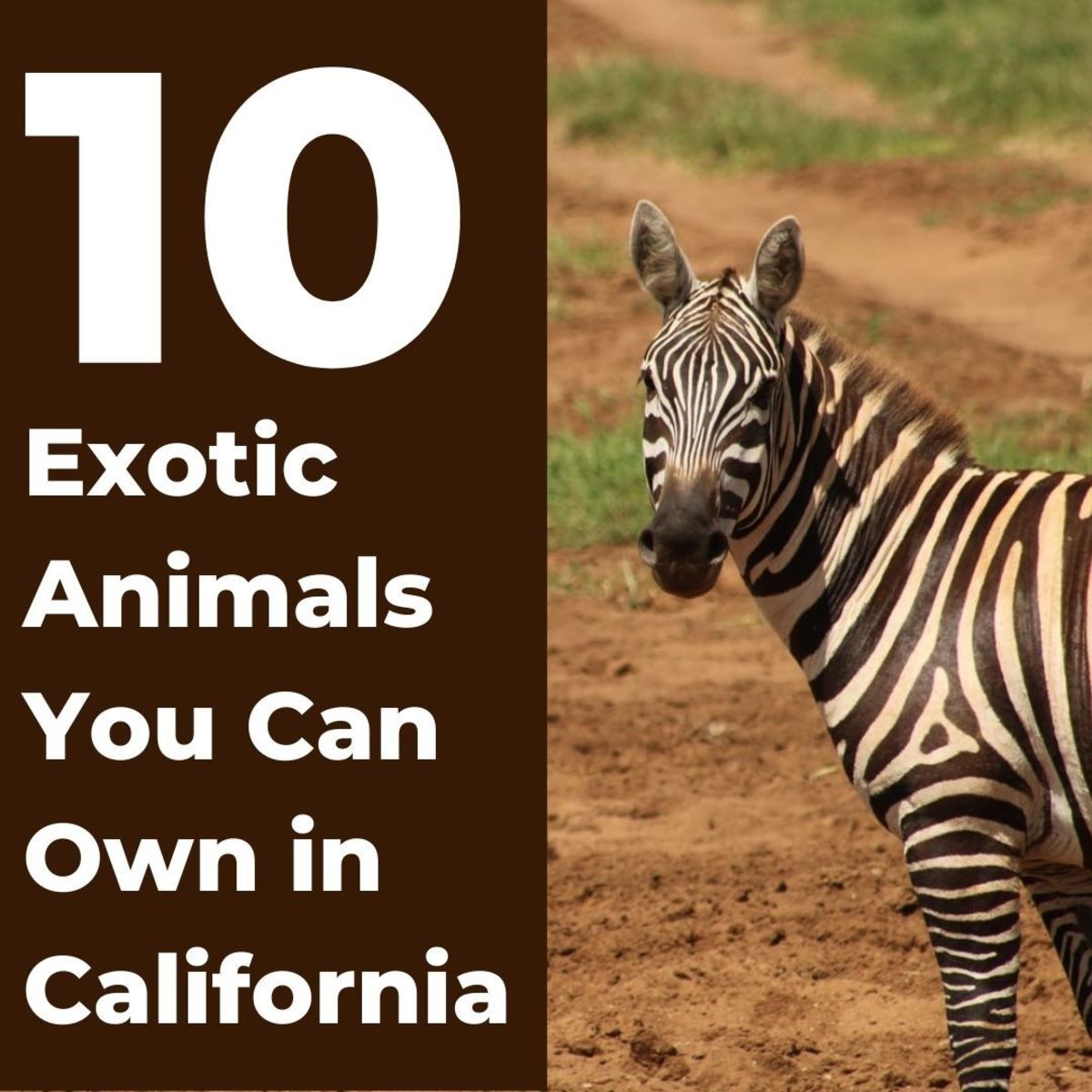
California, known for its diverse landscapes and progressive policies, also has a complex regulatory framework when it comes to exotic pets. For many prospective pet owners, the allure of owning an animal beyond the typical cat or dog is strong, but navigating the legalities in the Golden State can be a bewildering experience. The California Department of Fish and Wildlife (CDFW) is the primary governing body, enforcing laws designed to protect native wildlife, prevent the introduction of invasive species, and safeguard public health and safety. Understanding which exotic animals are permissible, and under what conditions, is crucial for anyone considering such a companion.
Understanding California’s Exotic Pet Laws
California’s approach to regulating exotic pets is rooted in the Mulholland Act, which aims to control the possession of animals that pose a threat to the environment, agriculture, or the health and safety of the public. The CDFW maintains a list of prohibited species, which are generally those considered dangerous, invasive, or requiring specialized care that is difficult to provide responsibly. However, the landscape is not entirely black and white; some species may be allowed with specific permits or under certain circumstances, while others are outright banned.
The List of Prohibited Animals
The CDFW’s list of prohibited animals is extensive and covers a wide array of species, including many popular exotic pets. This list is not static and can be updated based on new scientific information or emerging threats. Generally, animals that fall under the prohibited category include:
- Primates: All species of monkeys, apes, and prosimians are prohibited. This is due to concerns about disease transmission, potential for aggression, and the complex social and environmental needs of these animals that are nearly impossible to meet in a captive environment.
- Big Cats: Lions, tigers, leopards, jaguars, and other large feline species are strictly forbidden. Their predatory nature, immense size, and specialized dietary and enclosure requirements make them unsuitable as pets.
- Bears: Owning bears is illegal. Their strength, unpredictable behavior, and potential danger to humans and other animals are paramount concerns.
- Certain Reptiles: While some smaller, non-venomous reptiles are permitted, many larger or venomous species are banned. This includes venomous snakes like rattlesnakes, cobras, and vipers, as well as crocodilians such as alligators and crocodiles. Large constrictors like Burmese pythons are also often prohibited due to their invasive potential in certain climates.
- Certain Birds: Exotic birds that are considered highly invasive or pose a disease risk are often prohibited. This can include species that can outcompete native birds for resources or transmit avian diseases.
- Wild Canids and Felids: Wolves, coyotes, foxes, and other wild canine or feline species are generally not permitted.
The rationale behind these prohibitions is multifaceted:
- Public Safety: Many prohibited animals pose a direct physical threat to humans and other domestic animals due to their size, strength, or predatory instincts.
- Environmental Protection: The introduction of non-native species can have devastating impacts on California’s unique ecosystems. Invasive species can outcompete native wildlife for food and habitat, introduce diseases, and alter natural processes. The San Joaquin Valley and Mojave Desert are particularly sensitive ecosystems that California strives to protect.
- Animal Welfare: Many exotic animals have highly specific needs regarding diet, social interaction, environment, and veterinary care. It is often extremely difficult, if not impossible, to adequately meet these needs in a typical home environment, leading to suffering and poor welfare for the animal.
- Disease Transmission: Some exotic animals can carry zoonotic diseases that can be transmitted to humans or other animals, posing a public health risk.
Exotic Animals Potentially Allowed in California
Despite the extensive list of prohibited species, California does permit the ownership of a range of exotic animals, provided they do not fall under the prohibited categories and meet certain criteria. These animals are generally considered less threatening to public safety and the environment, and their needs can be more realistically met by experienced private owners.
- Certain Small Mammals: Many smaller, non-native mammals are allowed. This can include popular pets like hedgehogs, sugar gliders, ferrets (though with specific regulations), and certain rodents like degus and gerbils. However, it’s crucial to distinguish between species; for instance, while ferrets are allowed, other mustelids like weasels are not.
- Common Reptiles and Amphibians: A wide variety of non-venomous snakes, lizards, and turtles are generally permitted. This includes popular choices such as ball pythons, bearded dragons, leopard geckos, and various species of tortoises and freshwater turtles. As with mammals, it’s important to verify that the specific species is not listed as prohibited. For example, the African Spurred Tortoise, commonly known as a Sulcata Tortoise, is generally allowed.
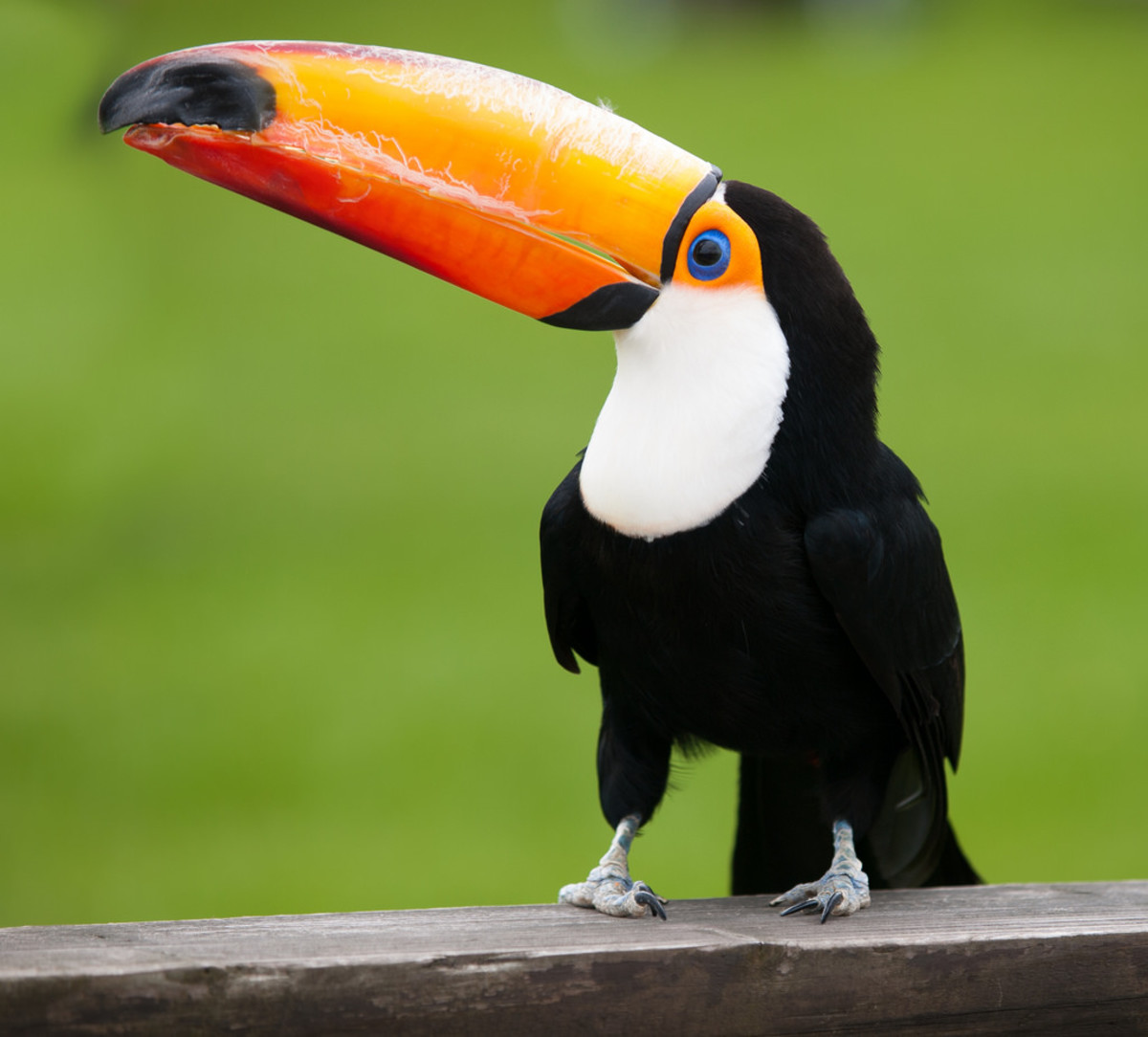
- Certain Exotic Birds: Many species of non-native birds are allowed. This includes popular choices like parrots, macaws, cockatiels, and finches. However, specific regulations may apply to certain species, particularly those that might be deemed invasive if they were to escape into the wild.
- Invertebrates: Most exotic invertebrates, such as tarantulas, scorpions (non-venomous species), and various insects like praying mantises and stick insects, are typically allowed. Their potential for causing widespread ecological damage or posing a direct threat to public safety is generally considered minimal.
The Importance of Due Diligence
Owning an exotic pet comes with significant responsibilities, regardless of whether the animal is legal to own in California. Prospective owners must conduct thorough research into the specific needs of any animal they are considering. This includes understanding their:
- Dietary Requirements: Exotic animals often have highly specialized diets that can be expensive and difficult to source.
- Housing Needs: Enclosures must be secure, appropriately sized, and designed to mimic the animal’s natural habitat, including specific temperature, humidity, and lighting requirements. For instance, a desert reptile will need a very different setup than a tropical amphibian.
- Socialization and Enrichment: Many exotic animals are highly intelligent and require significant mental stimulation and social interaction to thrive. Lack of enrichment can lead to stress, boredom, and behavioral problems.
- Veterinary Care: Finding veterinarians experienced in treating exotic species can be challenging and costly. Many common ailments in exotic pets require specialized knowledge and equipment.
- Lifespan: Many exotic pets have very long lifespans, sometimes decades. This is a significant commitment that should not be taken lightly.
Navigating the Permit System
In some cases, exotic animals that are not explicitly prohibited may still require special permits for ownership. These permits are typically issued by the CDFW and are designed to ensure that owners are capable of providing adequate care and that the animals do not pose an undue risk.

When Permits Are Required
Permits are most commonly required for:
- Possession of Restricted Species: Certain animals that are not outright banned but are considered potentially problematic might fall into a “restricted” category, requiring a permit.
- Scientific or Educational Purposes: Institutions or individuals conducting scientific research or educational programs involving exotic animals may need permits.
- Commercial Purposes: Businesses involved in the breeding, sale, or exhibition of exotic animals will almost always require specific commercial permits.
- Importation: Bringing any exotic animal into California, even one that is legal to own, often requires an import permit.
The Application Process
The application process for exotic animal permits can be rigorous. Applicants typically need to:
- Provide Detailed Information: This includes the species of animal, its origin, the intended use, and the applicant’s experience with exotic animals.
- Submit Enclosure Plans: Detailed plans for the animal’s enclosure are usually required, demonstrating that it meets species-specific safety and welfare standards.
- Undergo Inspections: CDFW officials may conduct site inspections to verify that the housing conditions and care practices are adequate.
- Pay Fees: Permit applications and renewals usually involve associated fees.
It is crucial to consult the official CDFW website or contact them directly for the most up-to-date information on permit requirements and application procedures. Laws and regulations can change, and relying on outdated information can lead to legal trouble.
Alternatives to Traditional Exotic Pet Ownership
For those captivated by the idea of unique companions but daunted by the legalities and responsibilities of exotic pet ownership in California, several alternatives offer a way to engage with the animal kingdom.
Zoos and Wildlife Sanctuaries
California is home to world-renowned zoos and accredited wildlife sanctuaries that provide a safe haven for a vast array of exotic animals. Visiting these institutions, such as the San Diego Zoo or the Oakland Zoo, offers an opportunity to observe and learn about exotic species in environments designed for their well-being. Many of these facilities also offer volunteer programs or “adopt-an-animal” initiatives, allowing for a deeper connection and contribution to conservation efforts.
Educational Programs and Experiences
Numerous organizations in California offer educational programs focused on wildlife and exotic animals. These can range from hands-on workshops at nature centers to guided tours in specialized facilities. Engaging with these programs provides valuable insights into animal behavior, conservation, and the challenges of managing exotic species. Such experiences can be incredibly enriching without the commitment and legal hurdles of private ownership.
Supporting Conservation Efforts
For many, the desire to own an exotic pet stems from a fascination with nature and a wish to contribute to the preservation of endangered species. Directing this passion towards supporting legitimate conservation organizations, both local and international, can be a far more impactful and responsible way to engage with the animal kingdom. Donating to organizations working to protect habitats and combat poaching ensures that these magnificent creatures can thrive in their natural environments.
Conclusion: Responsible Pet Ownership in the Golden State
California’s regulations on exotic pets are in place for vital reasons: to protect its unique ecosystems, ensure public safety, and uphold animal welfare standards. While the dream of owning a non-traditional pet may be appealing, the reality of legal compliance and responsible care is complex. Thorough research, understanding the CDFW’s regulations, and considering the significant commitment involved are paramount. For many, appreciating exotic animals through visits to accredited facilities, educational programs, or supporting conservation efforts offers a fulfilling and responsible path to connecting with the wild world. The allure of the exotic should always be tempered with a deep respect for the animal’s needs and the ecological balance.
LifeOutOfTheBox is a participant in the Amazon Services LLC Associates Program, an affiliate advertising program designed to provide a means for sites to earn advertising fees by advertising and linking to Amazon.com. Amazon, the Amazon logo, AmazonSupply, and the AmazonSupply logo are trademarks of Amazon.com, Inc. or its affiliates. As an Amazon Associate we earn affiliate commissions from qualifying purchases.