
Understanding the climate of Arizona is paramount for any traveler planning a visit to the Grand Canyon State. While a precise real-time temperature is fleeting, grasping the state’s remarkable climatic diversity and seasonal shifts is the key to an unforgettable travel experience. Arizona isn’t just one temperature; it’s a tapestry of microclimates ranging from scorching desert floors to snow-capped mountain peaks, often within a few hours’ drive. This dynamic weather landscape dictates everything from the best time to hike to which attractions are open, making informed planning essential for an optimal journey.

Understanding Arizona’s Diverse Climates for Your Trip
Arizona’s expansive geography contributes to its varied temperatures and distinct weather patterns. The state can be broadly categorized into three climatic zones: the low desert, the high country, and the transitional zones, each offering unique experiences depending on the time of year. Knowing these distinctions allows travelers to tailor their itineraries, ensuring comfort and maximizing enjoyment of the state’s myriad attractions.
The Desert Lowlands: Phoenix and Tucson
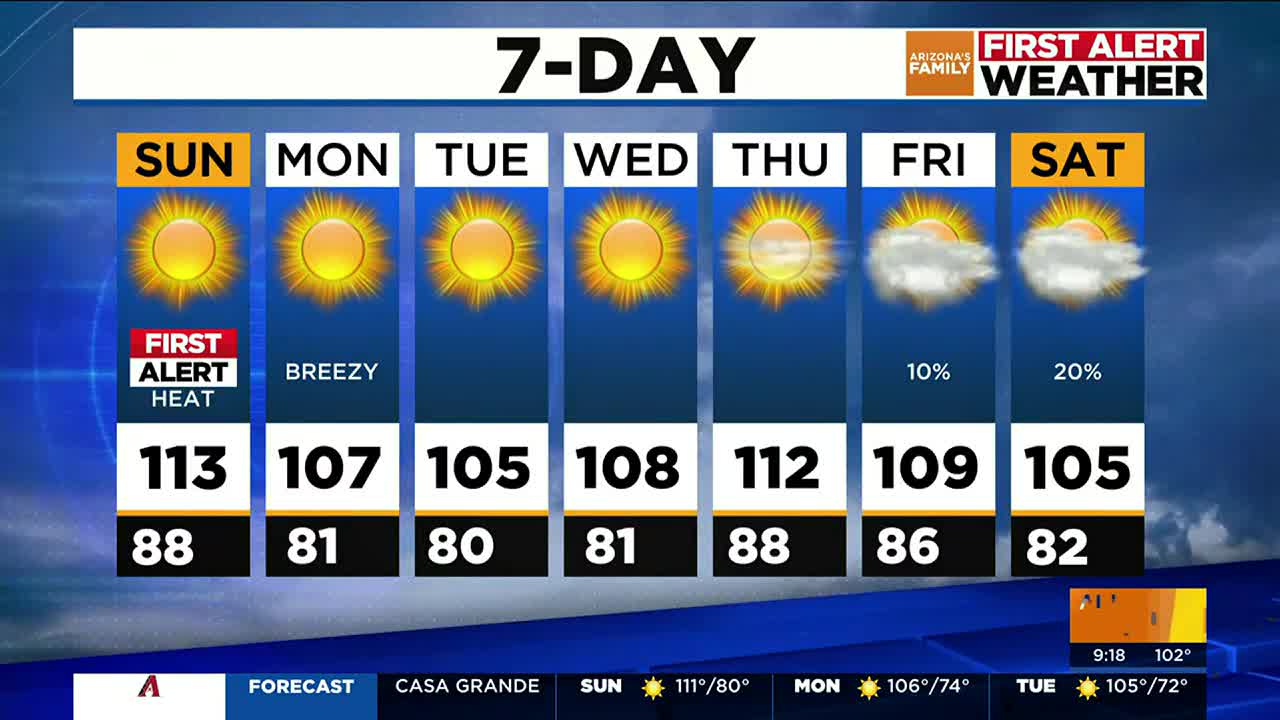
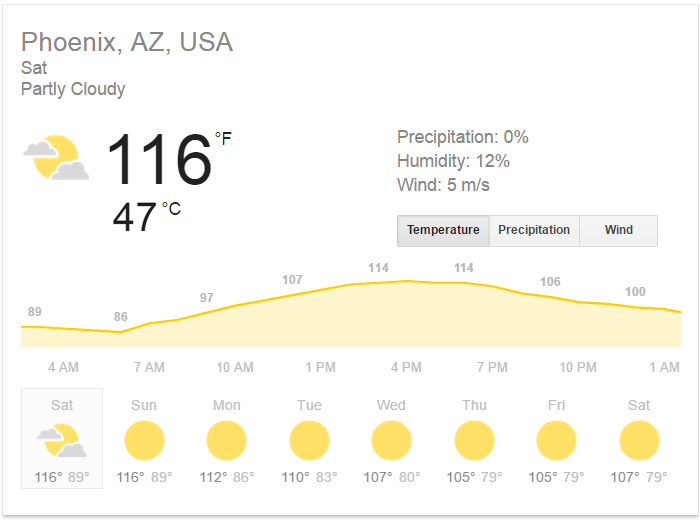
The southern and western parts of Arizona are characterized by the arid Sonoran Desert. Major cities like Phoenix, Tucson, Scottsdale, Yuma, and Lake Havasu City fall within this region. Here, summers (June through September) are notoriously hot, with daytime temperatures frequently exceeding 100°F (38°C) and often soaring past 110°F (43°C). Evenings offer little relief, often remaining above 80°F (27°C). While dry heat can feel different from humid climates, the intensity requires careful planning for outdoor activities, typically relegating them to early mornings or late evenings.
Conversely, winters (December through February) in the desert lowlands are mild and sunny, presenting an ideal escape from colder climates. Daytime temperatures typically range from 60°F to 75°F (15°C to 24°C), with crisp, cool nights. This period sees a significant influx of tourists seeking warmth and sunshine, making it the peak travel season for these areas. Spring and fall offer pleasant temperatures, with daytime averages in the 70s and 80s (21-32°C), perfect for exploring attractions like the Saguaro National Park or the Desert Botanical Garden.
The High Country: Flagstaff and the Grand Canyon
Moving northward and eastward, elevations rise dramatically, transforming the landscape into a cooler, often forested, high country. Cities like Flagstaff and the areas around the Grand Canyon (North and South Rims) are prime examples. Here, the climate is vastly different from the desert lowlands. Summers are refreshingly mild, with average daytime temperatures in the 70s°F (21-26°C), making it a popular retreat from the desert heat. Nights are cool, often dropping into the 40s°F or 50s°F (4-10°C).
Winters, however, bring significant snowfall and freezing temperatures. Flagstaff, nestled in the Mogollon Rim, becomes a winter wonderland, attracting skiers and snowboarders. Temperatures can regularly fall below freezing, and heavy snow can impact road travel, especially around the Grand Canyon’s North Rim, which typically closes seasonally. Even the South Rim experiences substantial snow, offering breathtaking, snow-dusted views, but requiring appropriate cold-weather gear.
Transitional Zones: Sedona and Prescott
Between the desert lowlands and the high country lie the transitional zones, offering a blend of both climates. Destinations like Sedona and Prescott embody this unique positioning. Sedona, famous for its red rock formations, enjoys milder summers than Phoenix (averaging in the 90s°F/32-37°C but with less intensity) and warmer winters than Flagstaff (typically above freezing during the day, with occasional light snow). Prescott, at a higher elevation than Sedona, offers even cooler temperatures, often just a few degrees warmer than Flagstaff in winter, but significantly cooler than the desert in summer. These zones are often considered ideal for year-round travel, though spring and fall provide the most comfortable conditions for outdoor activities, with temperatures ranging from the 60s to 80s°F (15-32°C).
Seasonal Travel Planning: What to Expect and When to Go
Choosing the right time to visit Arizona largely depends on which regions you plan to explore and what activities you envision. Each season presents distinct advantages and considerations.
Summer Travel in Arizona (June-September)
While the low deserts sizzle, summer is the prime time to visit Arizona’s high country. Destinations like Flagstaff, the Grand Canyon, and areas along the Mogollon Rim offer a cool reprieve. Hiking, camping, and exploring national parks are popular. However, travelers heading to Phoenix or Tucson during this period should plan for indoor activities, water parks, or early morning/late evening excursions. The monsoon season, typically from July to mid-September, brings dramatic thunderstorms, particularly to the desert regions, which can lead to flash flooding and intense but short-lived downpours, briefly lowering temperatures and clearing the air.
The Shoulder Seasons (Spring & Fall)
Spring (March-May) and Fall (October-November) are arguably the most versatile times to visit Arizona. The desert lowlands enjoy comfortable, warm temperatures, perfect for outdoor activities like hiking, biking, and exploring historical sites such as Taliesin West or the Heard Museum. Wildflowers bloom vibrantly in spring, especially in the Sonoran Desert. Meanwhile, the high country also experiences pleasant weather, with brilliant fall foliage in areas like Flagstaff and along scenic drives. These seasons offer the best balance for travelers hoping to experience both desert and mountain environments without extreme temperatures. However, popular destinations like Sedona and the Grand Canyon can be crowded, and accommodation prices may be higher.
Winter Escapes (December-February)
Winter is the peak season for southern Arizona’s desert cities, drawing “snowbirds” from colder climates. The mild, sunny days are ideal for golf, tennis, and leisurely exploration. In contrast, the northern regions transform into winter playgrounds, with opportunities for skiing at Arizona Snowbowl near Flagstaff, or simply marveling at the snow-dusted beauty of the Grand Canyon. Travelers visiting the high country should be prepared for cold weather, potential road closures due to snow, and limited access to some areas, particularly the Grand Canyon’s North Rim.
Packing Smart for Arizona’s Temperatures
Given the significant temperature fluctuations across regions and even within a single day, packing strategically is crucial for any Arizona adventure. Layering is always the wisest approach.
Essential Gear for Desert Heat
If visiting the low desert during spring, fall, or summer, lightweight, breathable fabrics like cotton or linen are indispensable. Loose-fitting, light-colored clothing helps reflect sunlight and keeps you cooler. A wide-brimmed hat, sunglasses, and high-SPF sunscreen are non-negotiable for sun protection. For footwear, comfortable, closed-toe walking shoes or hiking sandals are best. Even in summer, carrying a light long-sleeved shirt can protect your skin from intense sun exposure during midday.
Preparing for Mountain Chill
For trips to the high country, especially during fall, winter, or early spring, layers become even more critical. Pack warm base layers, insulating mid-layers (fleece or down), and a waterproof/windproof outer shell. A warm hat, gloves, and sturdy, waterproof hiking boots are essential if you plan to explore trails, especially in areas like Flagstaff or the Grand Canyon. Even in summer, evenings at higher elevations can be quite cool, so a light jacket or sweater is always recommended.
Hydration and Sun Protection are Key
Regardless of the season or region, hydration is paramount in Arizona’s arid climate. Always carry a reusable water bottle and refill it frequently. Dehydration can occur rapidly, even on cooler days or at higher altitudes. Electrolyte supplements can also be beneficial, particularly during strenuous activities. Sun protection, beyond just sunscreen, should include seeking shade during peak sun hours (10 AM – 4 PM), especially in the desert. Even on cloudy days, UV radiation is strong.
Activities Tailored to the Thermometer
Maximizing your Arizona experience means aligning your activities with the prevailing temperatures. Flexibility in your itinerary can enhance comfort and safety.
Embrace the Outdoors (When It’s Cooler)
Cooler temperatures in spring, fall, and winter (in the desert) or summer (in the high country) open up a world of outdoor exploration. These are the ideal times for hiking the trails of Saguaro National Park, exploring the ancient cliff dwellings of Montezuma Castle National Monument, or rafting through the Grand Canyon. Scenic drives through Oak Creek Canyon near Sedona or along the Apache Trail are also particularly enjoyable. Winter sports in Flagstaff or exploring the unique geological formations of Petrified Forest National Park become viable options. Don’t forget the stunning Havasupai Falls, which are best visited when temperatures allow for comfortable hiking and swimming.
Indoor Attractions and Evening Adventures (When It’s Hot)
During the scorching summer months in the low desert, pivot to indoor attractions during the day. Museums like the Heard Museum in Phoenix or the Pima Air & Space Museum in Tucson offer air-conditioned escapes. Explore subterranean wonders such as Kartchner Caverns State Park or visit the Biosphere 2. Water parks and resorts with elaborate pools provide excellent relief. As the sun sets and temperatures drop, the desert comes alive. Enjoy outdoor dining, vibrant nightlife in Scottsdale, or stargazing tours, which are particularly spectacular given Arizona’s clear night skies. Historic towns like Jerome, a former mining town perched on a hillside, offer cooler temperatures and fascinating history.
Ultimately, “What’s the temperature in Arizona right now?” is a question best answered by considering your location and the season. By understanding the state’s diverse climate, travelers can pack appropriately, plan activities wisely, and ensure a safe, comfortable, and truly memorable Arizona adventure.
LifeOutOfTheBox is a participant in the Amazon Services LLC Associates Program, an affiliate advertising program designed to provide a means for sites to earn advertising fees by advertising and linking to Amazon.com. Amazon, the Amazon logo, AmazonSupply, and the AmazonSupply logo are trademarks of Amazon.com, Inc. or its affiliates. As an Amazon Associate we earn affiliate commissions from qualifying purchases.