
When planning a trip to Baton Rouge, Louisiana, understanding the local climate is paramount. Whether you’re dreaming of exploring historic landmarks, indulging in the vibrant food scene, or simply seeking a comfortable accommodation, the weather plays a significant role in shaping your experience. This guide delves into the typical temperatures and weather patterns in Baton Rouge, helping you pack appropriately and make the most of your visit, all while considering the diverse offerings of this captivating Southern city. From the sweltering heat of summer to the mild embrace of winter, knowing what to expect will enhance your travel adventures, whether you’re on a luxury travel escapade, a budget travel exploration, a family trip, or a practical business stay.

Understanding Baton Rouge’s Climate: A Seasonal Overview
Baton Rouge, situated on the eastern bank of the Mississippi River, experiences a humid subtropical climate. This means distinct seasons with hot, humid summers and mild, occasionally cool winters. The proximity to the Gulf Coast significantly influences its weather, bringing with it a considerable amount of rainfall throughout the year, often in the form of afternoon thunderstorms during the warmer months.
Summer: Embracing the Heat and Humidity
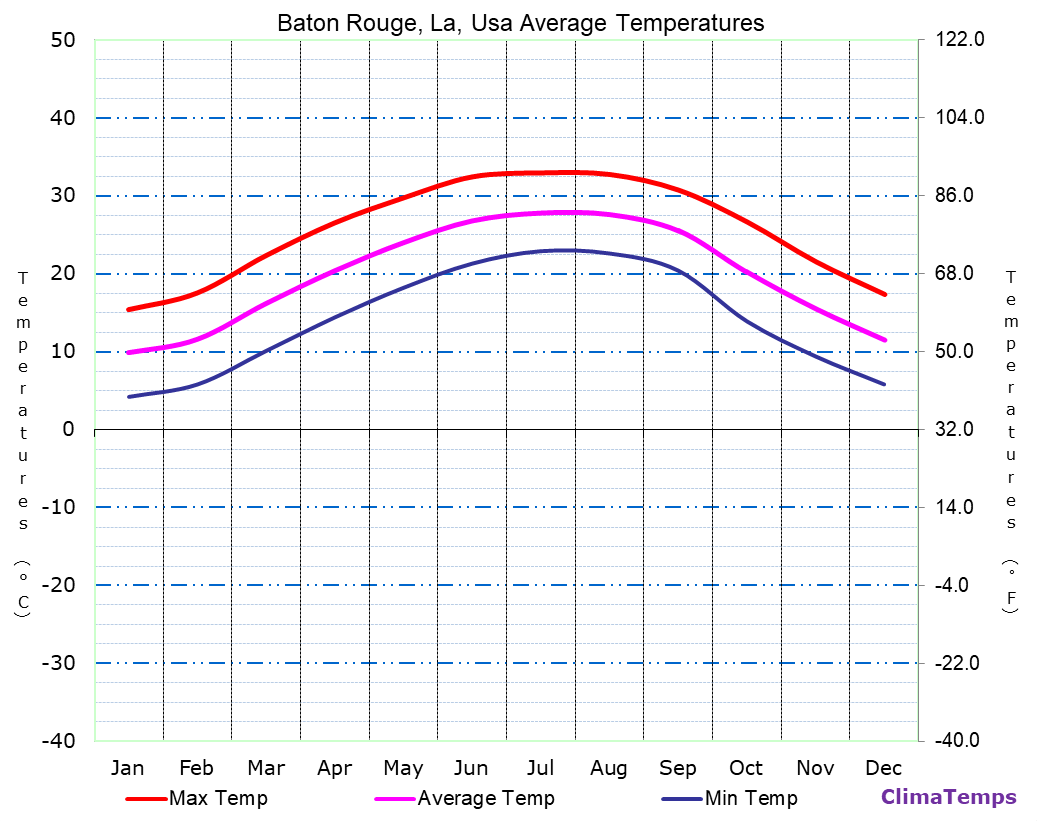
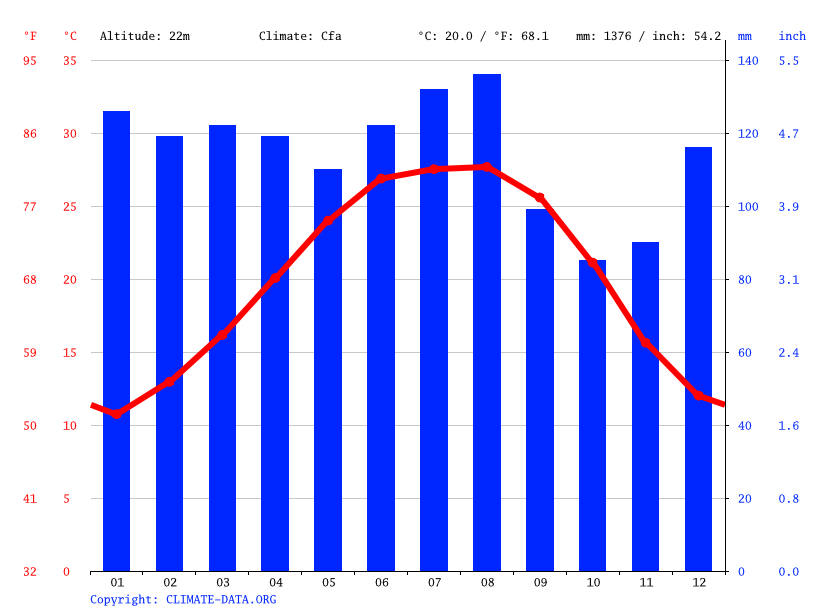
Summers in Baton Rouge, typically from June through August, are characterized by high temperatures and oppressive humidity. Daytime highs frequently reach the high 80s and low 90s Fahrenheit (around 31-33°C), but the humidity can make it feel much hotter, often pushing the heat index into the triple digits. Mornings are usually warm and muggy, with temperatures climbing steadily throughout the day. Afternoon thunderstorms are a common occurrence, offering temporary relief from the heat with a downpour of rain, often accompanied by lightning. These storms are usually brief but can be intense.
Travel tips for summer visits include:
- Hydration is Key: Always carry a water bottle and drink plenty of fluids.
- Seek Indoor Attractions: Plan some of your activities around air-conditioned attractions like museums, the Louisiana State Capitol, or indoor dining experiences.
- Embrace the Mornings and Evenings: These are often the most comfortable times for outdoor exploration. Consider early morning walks or evening strolls along the riverfront.
- Pack Light and Breathable Clothing: Cotton and linen are your best friends. Sun hats and sunscreen are essential.
The humidity, while sometimes challenging, also contributes to the lush, verdant landscape that is characteristic of Louisiana. It’s a part of the charm and the vibrant local culture that draws many visitors.
Autumn: A Transition to Pleasant Temperatures
As summer transitions into fall, generally from September through November, Baton Rouge experiences a welcome change in weather. The oppressive humidity begins to recede, and temperatures become more moderate and pleasant. September can still feel quite warm, but by October and November, daytime highs are typically in the 70s Fahrenheit (around 21-26°C). The air becomes crisper, and the skies are often clear and sunny, making this one of the most ideal times for tourism.
This season is perfect for:
- Exploring Outdoors: Enjoying the landmarks and nature surrounding Baton Rouge without the intense heat. Think visits to State Parks or leisurely walks through historic neighborhoods.
- Outdoor Dining and Festivals: Many local food festivals and outdoor events take place during this time. The cooler evenings are perfect for enjoying Baton Rouge‘s renowned culinary scene al fresco.
- Sightseeing: This is prime time for exploring the famous places and soaking in the history of the region. The USS Kidd Veterans Museum and the Old Louisiana State Capitol are more enjoyable when the weather is mild.
The fall foliage, though not as dramatic as in some northern regions, adds a subtle beauty to the landscape, painting the Louisiana scenery in warm hues.
Winter: Mild and Invigorating
Winters in Baton Rouge, from December through February, are generally mild. Freezing temperatures are rare, and snow is an exceptionally infrequent occurrence. Daytime highs typically range from the mid-50s to the low 60s Fahrenheit (around 13-17°C), while overnight lows can drop into the 30s and 40s Fahrenheit (around 4-9°C). While you might need a light jacket or sweater, heavy winter clothing is usually not necessary.
Winter offers a different perspective on Baton Rouge:
- Fewer Crowds: This is often considered the off-season, meaning fewer tourists and potentially better deals on hotels and accommodation.
- Cozy Indoor Activities: The milder weather is perfect for exploring the city’s indoor attractions, enjoying warm, hearty food in local eateries, and experiencing the cozy ambiance of its resorts or apartments.
- Holiday Cheer: Baton Rouge comes alive with festive holiday decorations and events during December, adding a special charm to your visit.
While the days are shorter, the clear, crisp air can make for some beautiful, invigorating explorations of the city and its surroundings.
Spring: A Flourishing of Life and Warmth
Spring, from March through May, sees Baton Rouge awaken from its winter slumber. Temperatures begin to rise steadily, and the landscape bursts with vibrant color as flowers bloom and trees regain their lush greenery. March and April can offer delightful weather, with daytime highs often in the 70s Fahrenheit (around 21-26°C). May, however, signals the return of warmer temperatures and increasing humidity, foreshadowing the coming summer. Afternoon showers are common as the atmosphere warms up.
Spring is an excellent time for:
- Enjoying Nature: The blooming azaleas and magnolias are a breathtaking sight. Parks and gardens are at their most spectacular.
- Outdoor Events: Similar to fall, spring is a popular time for outdoor festivals, concerts, and sporting events, taking advantage of the pleasant weather before the summer heat fully sets in.
- Exploring Neighborhoods: Wandering through historic districts like Spanish Town or the areas around LSU is a pleasure with the mild temperatures and blooming flora.
The gentle warmth and burgeoning life of spring make it a truly magical time to experience the lifestyle and charm of Baton Rouge.
Planning Your Trip: Leveraging Weather Insights for the Best Experience
Understanding the temperature in Baton Rouge is more than just knowing numbers; it’s about optimizing your travel plans for comfort and enjoyment. Whether you’re booking a suite at the Renaissance Baton Rouge Hotel or a more budget-friendly villa, the season you choose will dictate your wardrobe and your itinerary.
Packing Essentials for Every Season
- Summer: Lightweight, moisture-wicking clothing, a wide-brimmed hat, sunglasses, high SPF sunscreen, insect repellent, a reusable water bottle, and comfortable sandals or breathable shoes.
- Fall: Layers are key. Pack light sweaters, long-sleeved shirts, jeans or comfortable pants, and a light jacket or raincoat. Comfortable walking shoes are a must.
- Winter: A light to medium-weight jacket, sweaters, long-sleeved tops, pants, and closed-toe shoes. You might also want a scarf and gloves for cooler evenings.
- Spring: Similar to fall, layers are recommended. Think light jackets, t-shirts, and pants. Be prepared for occasional rain showers with a light umbrella or raincoat.
Accommodation and Activities: Tailoring to the Climate
When choosing your accommodation, consider how you plan to spend your time. If you’re visiting during the hot summer months, a hotel with a good pool or easy access to indoor attractions might be preferable. For those who love the outdoors, the milder spring and fall seasons are ideal, allowing for more extensive exploration of landmarks and nature.
- For the History Buffs: Consider a long-term stay in a charming apartment in a historic district, allowing you to explore at your own pace, whether it’s the Old Governor’s Mansion or the Magnolia Mound Plantation.
- For the Foodies: Baton Rouge‘s culinary scene thrives year-round. However, outdoor food markets and festivals are more enjoyable in the cooler months. Many restaurants offer wonderful indoor dining experiences regardless of the weather.
- For the Family Travelers: Plan activities that cater to all ages and are weather-resilient. The Louisiana Arts & Science Museum and the Baton Rouge Zoo are great options for any season.
Embracing the Unexpected: Louisiana’s Climate Nuances
While these seasonal outlines provide a general guide, Louisiana weather can be unpredictable. Tropical storms and hurricanes are a possibility during the Atlantic hurricane season (June 1 to November 30), particularly from August to October. It’s always wise to stay informed about weather forecasts, especially if traveling during these months. This is a crucial tip for budget travel or any travel where flexibility is key.
The humidity is a constant companion for much of the year, so adjusting your expectations and packing accordingly will ensure a more comfortable and enjoyable experience. Baton Rouge offers a unique blend of history, culture, and natural beauty, and with a little weather awareness, your travel to this vibrant Louisiana city is sure to be memorable. Whether you’re drawn by its architecture, its famous places, or its distinctive lifestyle, understanding the temperature is your first step to unlocking the full experience.
LifeOutOfTheBox is a participant in the Amazon Services LLC Associates Program, an affiliate advertising program designed to provide a means for sites to earn advertising fees by advertising and linking to Amazon.com. Amazon, the Amazon logo, AmazonSupply, and the AmazonSupply logo are trademarks of Amazon.com, Inc. or its affiliates. As an Amazon Associate we earn affiliate commissions from qualifying purchases.