
Buffalo, a city often synonymous with heavy snowfall and chilly winters, holds a reputation that, while not entirely unfounded, only tells a fraction of its vibrant climatic story. For travelers pondering a visit to this dynamic New York State gem, understanding the seasonal temperatures is paramount to planning the perfect itinerary, packing appropriately, and truly experiencing all that the “Queen City” has to offer. Situated on the eastern shores of Lake Erie, one of the five magnificent Great Lakes, Buffalo’s climate is distinctly four-seasonal, each bringing its own unique charm and a host of activities that cater to every taste, from snowy adventures to sun-drenched lakeside relaxation.
Beyond mere numbers on a thermometer, Buffalo’s temperature dictates the rhythm of life, influencing everything from the culinary landscape to the array of outdoor pursuits and cultural events. Whether you’re a winter sports enthusiast, a summer festival-goer, a fall foliage admirer, or a spring explorer, Buffalo offers a compelling reason to visit year-round. This guide will delve into the intricacies of Buffalo’s climate, providing insights into average temperatures across the seasons, what to expect in terms of weather, and how to best prepare for an unforgettable journey through its diverse offerings in travel, tourism, accommodation, landmarks, and lifestyle.
Buffalo’s Climate: A City of Four Distinct Seasons
The proximity to Lake Erie profoundly impacts Buffalo’s weather, creating microclimates and contributing to the famous “lake effect” phenomena, particularly in winter. However, this same lake effect also moderates extreme summer heat, offering refreshing breezes when inland areas swelter. Understanding these seasonal nuances is key to appreciating Buffalo’s appeal at any given time of the year.
Winter Wonderland: Embracing the Snow (December-February)
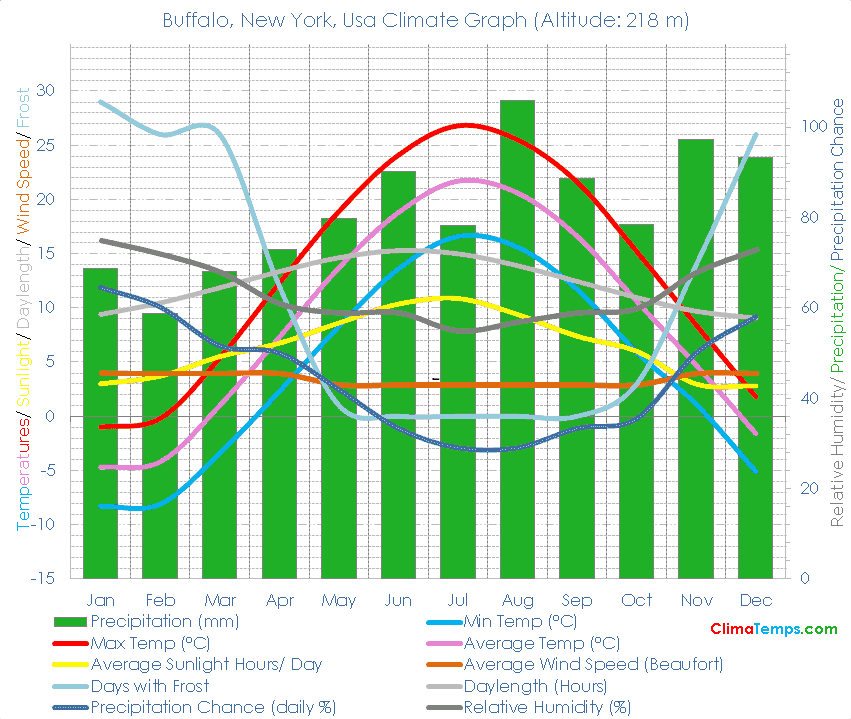
As widely known, winter in Buffalo is cold and snowy. Average temperatures typically hover between 20°F and 30°F (-6°C to -1°C), with nighttime lows often dipping into the teens or single digits. The city receives a significant amount of snowfall, averaging around 95 inches annually, thanks to the prolific lake effect snows. This phenomenon occurs when cold air masses move across the relatively warmer waters of Lake Erie, picking up moisture and then dumping it as snow on the downwind shores. While it can lead to impressive accumulations, the city is remarkably adept at snow removal, keeping essential routes clear.
For the adventurous traveler, winter in Buffalo transforms into a magical playground. Popular activities include ice skating and curling at the vibrant Canalside district, catching an exhilarating Buffalo Sabres hockey game at the KeyBank Center, or hitting the slopes at nearby ski resorts like Holiday Valley or Kissing Bridge. Packing essentials for this season include heavy winter coats, waterproof boots, hats, gloves, and multiple warm layers. When it comes to accommodation, hotels offering cozy common areas, indoor pools, and perhaps even fireplaces can greatly enhance the winter experience, providing a warm sanctuary after a day of exploration. Consider a stay at the elegant Curtiss Hotel with its rooftop lounge and heated pool, or the historic charm of The Mansion on Delaware Avenue, perfect for a luxurious winter escape.
Spring Awakening: Thaw and Renewal (March-May)
Spring in Buffalo is a season of transition, marked by the gradual melting of snow, rising temperatures, and the reappearance of vibrant greenery. March can still feel quite wintry, but by April and May, average temperatures climb from the 30s-40s°F (0-8°C) to the 50s-60s°F (10-18°C). Rainfall increases during this period, bringing life back to the landscape. While the weather can be unpredictable, with mild days interspersed with cooler, rainy spells, the promise of summer is palpable.
This season is ideal for visitors who enjoy mild weather and fewer crowds. Spring activities often involve exploring Buffalo’s beautiful parks, such as the sprawling Delaware Park, designed by Frederick Law Olmsted, or visiting cultural institutions like the Buffalo AKG Art Museum and the Buffalo Museum of Science. The Frank Lloyd Wright’s Darwin D. Martin House Complex is also a fantastic indoor-outdoor architectural marvel to explore as the gardens begin to bloom. Packing should include layers, a waterproof jacket, and an umbrella, preparing for both crisp, sunny days and sudden spring showers. Accommodation options become more flexible, with hotels like the modern Westin Buffalo offering comfortable bases for city exploration.
Sizzling Summer: Festivals and Lake Breezes (June-August)
Buffalo’s summers are a delightful surprise for many who only associate the city with snow. Average temperatures range from the comfortable mid-60s°F (18°C) to the low 80s°F (27°C), with July often being the warmest month. Humidity can be present, but refreshing breezes off Lake Erie often provide welcome relief, making it a considerably more pleasant summer destination than many inland cities. Rainfall is moderate, often coming in the form of brief thunderstorms that clear quickly.
Summer is arguably Buffalo’s busiest tourism season, buzzing with outdoor activities and festivals. Canalside comes alive with concerts, kayak rentals, and waterfront dining. Baseball fans can catch a Buffalo Bisons game at Sahlen Field, enjoying America’s pastime in the fresh air. A day trip to the majestic Niagara Falls, just a short drive away, is a must-do, offering breathtaking views and boat tours that get you up close to the roaring cataracts. For packing, light clothing, shorts, swimwear, and comfortable walking shoes are essential. Hotels with air conditioning, outdoor patios, or even rooftop pools become highly desirable. Many of Buffalo’s boutique hotels and resorts fully embrace the summer vibrancy.
Autumn’s Embrace: Crisp Air and Vibrant Hues (September-November)
Autumn in Buffalo is a spectacular season, rivaling the beauty of New England with its stunning fall foliage. Temperatures gradually cool from the comfortable 60s°F (15-20°C) in September to the brisk 40s°F (4-9°C) by November. The air becomes crisp and invigorating, and while late autumn can see the first dustings of snow, much of the season is characterized by clear skies and brilliant colors.
This is an ideal time for scenic drives through the countryside, visiting local pumpkin patches and apple orchards, or simply enjoying leisurely strolls through Buffalo’s tree-lined neighborhoods like Allentown and Elmwood Village. Football enthusiasts flock to Highmark Stadium to cheer on the beloved Buffalo Bills, experiencing the legendary tailgate culture. The Buffalo and Erie County Botanical Gardens, housed in a stunning glass conservatory designed by E.B. Green, offers a warm escape and beautiful displays as the outdoor world begins to chill. Packing for autumn requires versatile layers, including sweaters, light to medium jackets, and perhaps a warm scarf, allowing you to adapt to fluctuating temperatures throughout the day.

Beyond the Thermometer: Planning Your Buffalo Adventure
While temperature is a significant factor, a truly fulfilling trip to Buffalo involves considering all aspects of travel and local experiences, perfectly aligned with the website’s focus on destinations, accommodation, tourism, and lifestyle.
Accommodations for Every Season and Style
Buffalo boasts a diverse range of accommodation options, suitable for any budget or preference, and many are designed to enhance your stay regardless of the season. For luxury travelers, the previously mentioned Curtiss Hotel or The Mansion on Delaware Avenue offer exquisite service and amenities, perfect for a cozy winter retreat or a sophisticated summer base. Mid-range options like the Hotel at the Lafayette, a beautifully restored historic landmark, provide both character and comfort. Numerous chain hotels cater to business travelers and families, often equipped with indoor pools and fitness centers that are a boon during colder months. For those seeking a more local experience, short-term apartment rentals are increasingly popular, especially for longer stays or family trips, allowing visitors to immerse themselves in Buffalo’s vibrant neighborhoods.
When booking, consider the amenities that best suit the season. In winter, look for hotels with robust heating, indoor attractions, and perhaps even shuttle services to combat the cold. In summer, air conditioning and access to outdoor spaces or proximity to Canalside or Delaware Park are key. Regardless of the season, booking in advance, especially during major events like Buffalo Bills games or summer festivals, is always advisable to secure the best rates and availability.

Culinary Delights and Local Flavors
Buffalo’s culinary scene is a reflection of its diverse heritage and its dynamic climate. The famous Buffalo wings are a year-round staple, but they feel especially comforting on a chilly winter’s day. Another local favorite, “beef on weck” (roast beef served on a kümmelweck roll with horseradish), is hearty and satisfying, perfect for warming up after an outdoor adventure.
In spring and summer, the dining scene spills outdoors, with numerous restaurants offering patio seating. Fresh, seasonal produce becomes more prevalent, and lakeside eateries offer stunning views along with their menus. The city’s thriving craft beer scene, exemplified by breweries like Resurgence Brewing Company, provides refreshing options for warm days and cozy atmospheres for cooler evenings. Autumn brings harvest festivals and farm-to-table experiences, showcasing the region’s agricultural bounty. Don’t miss exploring the vibrant food scene in neighborhoods like Elmwood Village and Allentown, which offer everything from gourmet dining to casual cafes and international cuisine.
Making the Most of Your Buffalo Visit: Practical Tips
Planning effectively is crucial for maximizing your enjoyment of Buffalo, irrespective of the temperature.
Transportation: Buffalo is a relatively walkable city, particularly within its downtown core and historic neighborhoods. Public transportation, including a light rail system, serves key areas. However, for exploring beyond the city center or venturing to nearby attractions like Niagara Falls or the Theodore Roosevelt Inaugural National Historic Site, a car rental can be beneficial. In winter, ensure your vehicle is equipped for snowy conditions. Ride-sharing services are also readily available.
Packing Essentials: This cannot be stressed enough: layers are your best friend in Buffalo, regardless of the season. Even in summer, evenings can be cooler, especially by the lake. In winter, invest in quality waterproof outerwear, insulated boots, and thermal undergarments. Spring and fall demand versatile jackets and umbrellas. Sunglasses are useful year-round to combat glare from snow or water.
Best Times to Visit:
- Winter: For skiing, ice skating, hockey, and experiencing a true “winter city.”
- Spring: For mild weather, blossoming parks, and fewer crowds at museums and galleries.
- Summer: For festivals, outdoor activities, lake enjoyment, and trips to Niagara Falls.
- Autumn: For stunning fall foliage, crisp air, and football games.
Each season presents a unique facet of Buffalo’s character. Don’t let its winter reputation deter you; it’s merely one vibrant brushstroke in a much larger, more colorful portrait.
In conclusion, “What’s the temperature in Buffalo New York?” is a question that opens the door to a rich and varied travel experience. Far from being a one-note destination, Buffalo masterfully navigates its four distinct seasons, offering a compelling array of activities, sights, and flavors year-round. Whether you’re seeking the thrill of a snowy adventure, the warmth of a summer festival, the beauty of autumn leaves, or the gentle awakening of spring, Buffalo’s climate complements a city that is constantly reinventing itself, inviting travelers to discover its unique charm at any temperature.
LifeOutOfTheBox is a participant in the Amazon Services LLC Associates Program, an affiliate advertising program designed to provide a means for sites to earn advertising fees by advertising and linking to Amazon.com. Amazon, the Amazon logo, AmazonSupply, and the AmazonSupply logo are trademarks of Amazon.com, Inc. or its affiliates. As an Amazon Associate we earn affiliate commissions from qualifying purchases.