
For many globetrotters, the allure of Arizona is undeniable. Its breathtaking landscapes, from the majestic Grand Canyon to the vibrant red rocks of Sedona, offer an unparalleled backdrop for travel and adventure. Whether you’re dreaming of a luxurious desert escape, a tranquil long-term stay, or even considering investing in a piece of this stunning state, understanding its unique legal landscape is as crucial as planning your itinerary. Beyond exploring famous landmarks and finding the perfect accommodation in a boutique hotel or an expansive resort, future residents and savvy investors often face questions about property ownership. One of the most common inquiries, particularly for couples, revolves around the state’s marital property laws: Is Arizona a community property state?
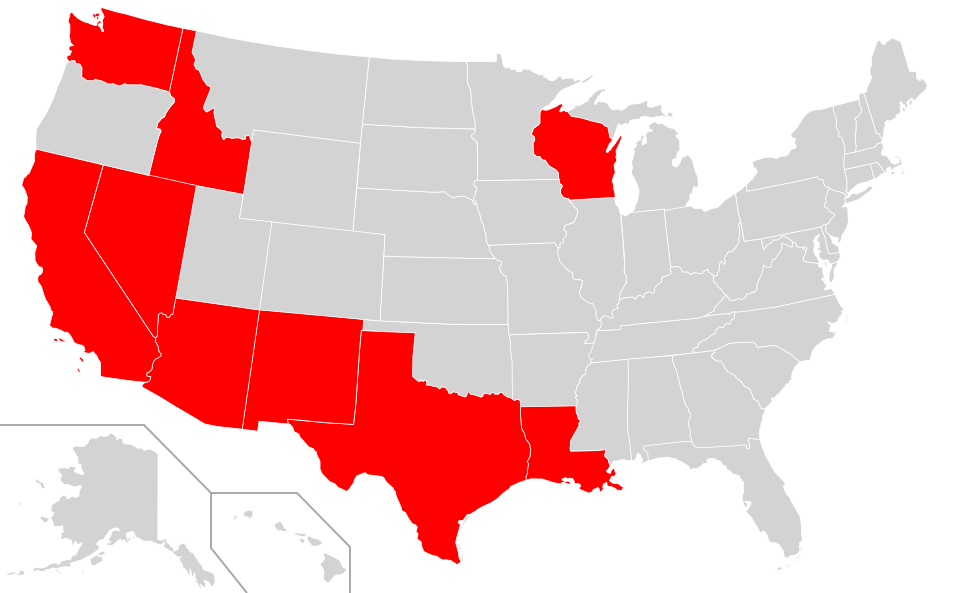
The direct answer is yes. Arizona is one of the nine states in the United States that operates under community property laws. This legal framework has significant implications for how assets and debts acquired during a marriage are owned and divided. While this might seem like a dry legal detail, for anyone planning a significant lifestyle change, a long-term relocation, or a substantial investment within Arizona, it’s a fundamental piece of knowledge that can impact everything from your financial planning to your travel experiences and future security. Understanding these laws can guide decisions about purchasing a vacation home in Scottsdale, investing in a rental property near Phoenix, or even navigating a business venture in Tucson. It’s a key consideration for couples who envision building a life, or even a temporary second home, in the Copper State.
Understanding Community Property in Arizona: A Traveler’s Perspective
While community property laws primarily concern married couples, their impact can extend to anyone considering a long-term stay, investment, or even a relocation to Arizona. For travelers who fall in love with the state and contemplate making it their permanent or part-time home, these laws become incredibly relevant. It’s not just about what happens in the event of a divorce; it’s about how assets are owned from the moment they are acquired, influencing everything from tax planning to estate considerations.
What Exactly is Community Property?
In essence, community property refers to all assets and debts acquired by either spouse during the course of their marriage. This applies to income earned by either spouse, real estate purchased, vehicles acquired, and even bank accounts opened during the marital period. Under Arizona’s community property laws, spouses are presumed to own an equal, 50/50 share of these assets and debts, regardless of whose name is on the title or who earned the income. This means that if a couple decides to purchase a luxury villa in Sedona for their retirement, or invest in a commercial property in downtown Phoenix to start a new tourism venture, both spouses are considered equal owners of that property, even if only one’s name appears on the deed.
This principle extends beyond physical assets to encompass intangible ones as well, such as retirement accounts, business interests, and even intellectual property developed during the marriage. For couples considering starting a new business venture in Arizona – perhaps a bespoke travel agency, a gourmet restaurant showcasing local cuisine, or a charming bed and breakfast – understanding that the business itself, and any profits it generates, will likely be considered community property is crucial for future planning. This legal framework is shared with a few other states, including California, Idaho, Louisiana, Nevada, New Mexico, Texas, Washington, and Wisconsin (though Wisconsin uses a marital property system that functions similarly).

Separate Property vs. Community Property: Why it Matters for Your Arizona Adventure
While community property covers most assets acquired during marriage, Arizona law also recognizes “separate property.” Separate property includes assets owned by either spouse before the marriage, as well as gifts or inheritances received by one spouse during the marriage. Critically, the income generated from separate property, as long as it is kept separate, can also remain separate. For instance, if one spouse owns a vacation villa in Mesa before getting married, that property remains their separate property. If they rent it out to tourists through a popular accommodation booking platform, the rental income could also be considered separate property, provided it is not commingled with community funds.
The distinction between community and separate property is vital for couples planning their financial future in Arizona. Imagine a scenario where a couple decides to purchase a long-term rental property in Flagstaff, hoping to generate income from short-term tourism. If the down payment comes from one spouse’s separate inheritance and the mortgage payments are made from community funds (i.e., income earned during the marriage), the property could become a “commingled” asset, making its classification more complex. Understanding these nuances from the outset can prevent potential legal headaches down the line, especially when planning for substantial investments like a dream home or a lucrative hotel business.

Moreover, this distinction impacts how couples might structure agreements, such as prenuptial or postnuptial agreements, if they wish to alter the default community property rules. These agreements can be particularly useful for couples with significant separate assets, or those looking to invest in specific ventures in Arizona where they want to define ownership more precisely than the standard 50/50 split. For those considering a luxury lifestyle or significant real estate purchases, these legal instruments offer flexibility and clarity, ensuring peace of mind while enjoying the stunning Arizona lifestyle.
Navigating Arizona’s Landscape: Lifestyle, Investment, and Long-Term Stays
The community property framework directly influences many aspects of planning a life or a significant investment in Arizona. From deciding on your primary residence to exploring opportunities in the bustling tourism sector, understanding these laws is an integral part of responsible financial and lifestyle planning.
Property Ownership for Couples Considering an Arizona Move or Second Home
Many couples are drawn to Arizona for its excellent climate, vibrant culture, and diverse opportunities. Whether planning a permanent relocation or acquiring a second home for seasonal enjoyment, the community property status of Arizona dictates how that property will be owned. When a married couple purchases a home in Arizona, it is generally presumed to be community property, regardless of whether one or both names appear on the deed. This has implications for selling the property, refinancing, or even making significant renovations. For instance, typically both spouses must agree to sell community property, even if only one’s name is on the title.
This consideration extends to other types of significant acquisitions related to travel and lifestyle. If a couple decides to purchase an RV for extensive travel throughout the state’s national parks, or invests in a timeshare at a prominent resort near Lake Havasu, these assets would typically fall under community property. This shared ownership encourages joint decision-making and ensures that both partners have an equal stake in their shared adventures and investments, aligning with the romantic ideal of building a life together in a beautiful new destination.
Real Estate Investment and Vacation Rentals: What You Need to Know
For couples eyeing Arizona’s booming real estate market, particularly in the realm of vacation rentals or long-term accommodation investments, community property laws introduce specific considerations. Many visitors are captivated by Arizona’s appeal and see potential in purchasing a property that can serve as a personal retreat and a rental unit for other travelers. From cozy suites in Phoenix to sprawling villas in Tucson, the options are vast.
If a married couple uses community funds to purchase an investment property, that property and any rental income it generates will be community property. This means profits from a successful Airbnb in Sedona or a long-term rental near the University of Arizona in Tucson are equally shared. It also implies that if the property incurs debt or liabilities, both spouses are equally responsible. For those planning a budget travel approach to property investment, or seeking luxury travel opportunities, understanding this equal ownership and liability is paramount. It ensures that both partners are fully aware of the financial implications and can plan their investment strategies collaboratively.
Planning Your Arizona Lifestyle: Financial Considerations Beyond the Scenery
Beyond real estate, community property laws affect a broader spectrum of financial planning for couples embracing the Arizona lifestyle. This includes joint bank accounts, investments, and even debts. If you and your spouse open a joint bank account for managing daily expenses or savings for a future travel adventure, those funds are considered community property. Similarly, credit card debts or loans acquired during the marriage, even if only in one spouse’s name, are typically community debts.
This comprehensive approach to shared assets and liabilities underpins financial transparency and collaborative decision-making for couples. It encourages open discussions about budgeting for long-term stays, planning family trips around Arizona’s numerous attractions, or even setting aside funds for a future business stay or entrepreneurial venture. Understanding this legal framework allows couples to integrate these rules into their overall financial strategy, ensuring that their Arizona dreams are built on a solid and mutually understood foundation.
Exploring Arizona’s Destinations with Future Planning in Mind
Arizona’s diverse regions offer unique experiences and distinct investment opportunities, all while adhering to the same community property laws. Whether your heart is set on urban sophistication or serene natural beauty, the legal aspects of property ownership remain consistent across the state.
From Phoenix’s Urban Appeal to Sedona’s Natural Beauty: Property Implications Across Regions
The metropolitan areas of Phoenix and Tucson offer a bustling environment for those seeking city life, cultural experiences, and robust job markets. Investing in an apartment or starting a business in these areas is subject to the same community property rules. Consider a couple who decides to purchase a condo in downtown Phoenix to enjoy its vibrant arts scene and diverse food culture. This purchase, made during their marriage, would be community property.
Conversely, the spiritual vortexes and stunning red rock formations of Sedona attract those seeking tranquility and a connection with nature. Many are drawn to Sedona for a second home or a retirement escape. A luxurious resort suite or a rustic villa purchased by a married couple in Sedona would also fall under community property. Similarly, areas like Flagstaff, known for its cooler climate and proximity to the Grand Canyon National Park, present opportunities for cabins or lodges that appeal to tourism. No matter the regional appeal, the underlying legal framework for property ownership remains consistent throughout Arizona, making it a predictable environment for couples to plan their future.
Seeking Professional Guidance for Your Arizona Dreams
While understanding that Arizona is a community property state is a crucial first step, it is important to remember that these laws can be complex, particularly when dealing with substantial assets, intricate financial portfolios, or unique family situations. For anyone contemplating a significant move, purchasing real estate, or making substantial investments in Arizona, seeking professional legal and financial advice is highly recommended.
An experienced Arizona attorney specializing in family law or estate planning can provide tailored guidance, help draft necessary agreements (like prenuptial agreements if needed), and clarify how community property laws might apply to your specific circumstances. Similarly, a financial advisor knowledgeable about Arizona state laws can assist with investment strategies, retirement planning, and asset protection. These professionals can help ensure that your dreams of an Arizona lifestyle, whether it involves enjoying luxury travel or settling down in a quaint desert town, are realized with foresight and security.
In conclusion, Arizona unequivocally stands as a community property state, a fact that holds considerable weight for couples planning to travel extensively, relocate, or invest within its borders. From the stunning landscapes and vibrant local culture that attract millions of travelers annually, to the myriad opportunities for establishing a new lifestyle or business, understanding these property laws is an essential part of the journey. It’s not just about legal compliance; it’s about making informed decisions that safeguard your shared future and allow you to fully embrace all the incredible experiences Arizona has to offer, from exploring its natural attractions to enjoying its world-class hotels and resorts.
LifeOutOfTheBox is a participant in the Amazon Services LLC Associates Program, an affiliate advertising program designed to provide a means for sites to earn advertising fees by advertising and linking to Amazon.com. Amazon, the Amazon logo, AmazonSupply, and the AmazonSupply logo are trademarks of Amazon.com, Inc. or its affiliates. As an Amazon Associate we earn affiliate commissions from qualifying purchases.