
The question of “What’s the temperature in Gainesville, Florida?” is more than a simple meteorological inquiry; for travelers, it’s a crucial piece of information that can shape an entire visit. Understanding the climate of a destination allows for informed packing, better activity planning, and ultimately, a more comfortable and enjoyable experience. Gainesville, Florida boasts a humid subtropical climate, characterized by hot, humid summers and mild winters. This means that visitors should anticipate a range of weather conditions throughout the year, and preparation is key.
Understanding Gainesville’s Seasonal Climate
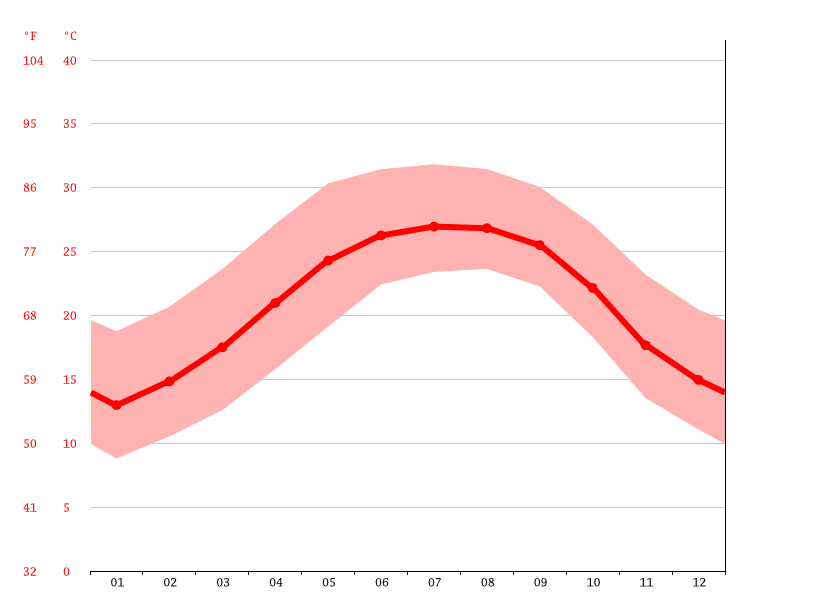
Gainesville experiences distinct seasons, each with its own typical temperature ranges and weather patterns. This understanding is fundamental for anyone planning a trip, whether for business, leisure, or an event at the University of Florida.

Summer: The Hot and Humid Embrace
From June through August, Gainesville is at its warmest. Average high temperatures hover in the upper 80s to low 90s Fahrenheit (around 31-33°C), but the high humidity can make it feel even hotter, often pushing heat index values into the triple digits. Evenings offer little respite, with overnight lows typically in the mid-70s Fahrenheit (around 24°C). This season is also marked by frequent afternoon thunderstorms, which can bring heavy rain and lightning but often provide temporary cooling. Visitors during the summer should pack light, breathable clothing, sunscreen, hats, and be prepared for rain showers. Hydration is paramount, and scheduling outdoor activities for the cooler morning or late afternoon hours is advisable.
Autumn: A Welcome Transition
September through November brings a welcome change as Gainesville transitions into fall. Temperatures begin to moderate, with average highs in the early to mid-70s Fahrenheit (around 22-24°C) in October and falling into the 60s Fahrenheit (around 15-20°C) by late November. Humidity also decreases, making the air feel much more pleasant. Rainfall tends to lessen compared to the summer months, and sunny days become more prevalent. This season is often considered one of the best times to visit, offering comfortable temperatures for exploring the many outdoor attractions Gainesville has to offer, such as Paynes Prairie Preserve State Park.
Winter: Mild and Pleasantly Cool
Winter in Gainesville, from December through February, is generally mild. Average high temperatures range from the low 60s to low 70s Fahrenheit (around 16-22°C), while overnight lows can dip into the 40s Fahrenheit (around 4-9°C), occasionally reaching freezing temperatures. Frost is not uncommon, but prolonged periods of freezing weather are rare. Sunshine is abundant during the winter months, making it an excellent time for outdoor pursuits without the intense heat and humidity of summer. Packing layers is recommended, including light jackets or sweaters for cooler evenings and mornings, alongside comfortable walking shoes for exploring the city and its natural surroundings.
Spring: A Flourishing of Warmth
March through May signals the arrival of spring, a period of steadily increasing temperatures and blooming flora. March and April typically see average high temperatures in the 70s Fahrenheit (around 21-26°C), climbing into the 80s Fahrenheit (around 27-32°C) by May. Humidity begins to rise again as summer approaches, and the likelihood of afternoon showers increases. The landscape around Gainesville becomes particularly vibrant during spring, with many of its natural springs and parks showcasing lush greenery. This is another popular time for visitors, offering a comfortable and aesthetically pleasing environment for various activities.
Practical Considerations for Travelers
Knowing the general temperature trends is beneficial, but a traveler also needs to consider specific events and activities when planning their wardrobe and itinerary for Gainesville, Florida.

Packing Essentials Based on Season
- Summer (June-August): Lightweight, moisture-wicking clothing (shorts, t-shirts, sundresses), swimwear, sandals, a light rain jacket or poncho, high SPF sunscreen, sunglasses, a wide-brimmed hat, and insect repellent.
- Autumn (September-November): Layering is key. Include t-shirts, long-sleeved shirts, light sweaters or hoodies, jeans or comfortable trousers, a light jacket, and walking shoes.
- Winter (December-February): Warmer layers are needed, especially for evenings. Pack sweaters, a medium-weight jacket, long pants, and closed-toe shoes. A scarf and hat can be useful for colder mornings.
- Spring (March-May): Similar to autumn, but with a gradual shift towards warmer weather. Pack t-shirts, long-sleeved shirts, a light jacket or cardigan, and comfortable pants. Be prepared for occasional rain showers.
Planning Activities Around Weather
The weather in Gainesville can significantly influence the enjoyment of outdoor activities.
- Outdoor Adventures: For those interested in exploring places like Kanapaha Botanical Gardens or visiting the numerous natural springs in the surrounding areas like Ginnie Springs or Devil’s Den, the cooler months of fall and winter are often ideal. Spring offers blooming beauty, but with increasing warmth and potential for rain. Summer requires careful planning to avoid the midday heat and humidity, with early mornings and evenings being prime time.
- University of Florida Events: Whether attending a Gators football game at Ben Hill Griffin Stadium or a cultural event on campus, understanding the typical weather for the season of your visit is crucial for comfortable spectating. Fall football games can range from warm to cool, necessitating layered clothing.
- Indoor Attractions: Gainesville also offers a variety of indoor attractions, such as the Florida Museum of Natural History or the Harn Museum of Art. These are excellent options for any weather, providing a great way to escape extreme heat or rain.
Current Weather and Forecasting for Gainesville
While seasonal trends provide a general overview, actual daily temperatures in Gainesville, Florida can fluctuate. For the most up-to-date information, checking a reliable weather forecast is essential.
Reliable Weather Resources
Several resources can provide accurate, real-time weather data for Gainesville:
- National Weather Service: The National Weather Service provides detailed forecasts, including temperature, precipitation, and severe weather alerts.
- Reputable Weather Apps and Websites: Many popular weather applications and websites offer hourly and daily forecasts for Gainesville, often with interactive radar maps.
- Local News Outlets: Local television and radio stations in Gainesville offer up-to-date weather reports, which can be particularly useful for immediate local conditions and upcoming events.
Factors Influencing Local Temperatures
Beyond the general climate, several factors can influence the specific temperature in Gainesville on any given day:
- Frontal Systems: The passage of cold or warm fronts can cause significant temperature shifts. A cold front moving through can bring sharp drops in temperature, especially in fall and winter.
- Sea Breezes: While Gainesville is inland, proximity to the coasts can sometimes influence weather patterns, though less directly than in coastal cities.
- Convection: Summer thunderstorms are often a result of convective heating, where intense solar radiation heats the ground, causing air to rise and form storm clouds, which can lead to localized, temporary cooling after they pass.
- Urban Heat Island Effect: Like many cities, Gainesville may experience a slight urban heat island effect, where developed areas are slightly warmer than surrounding rural areas due to heat absorbed by buildings and pavement.
By understanding the seasonal climate, considering practical packing and planning advice, and staying informed with current forecasts, travelers can confidently answer the question “What’s the temperature in Gainesville, Florida?” and ensure their visit is as comfortable and enjoyable as possible, no matter the time of year.
LifeOutOfTheBox is a participant in the Amazon Services LLC Associates Program, an affiliate advertising program designed to provide a means for sites to earn advertising fees by advertising and linking to Amazon.com. Amazon, the Amazon logo, AmazonSupply, and the AmazonSupply logo are trademarks of Amazon.com, Inc. or its affiliates. As an Amazon Associate we earn affiliate commissions from qualifying purchases.