
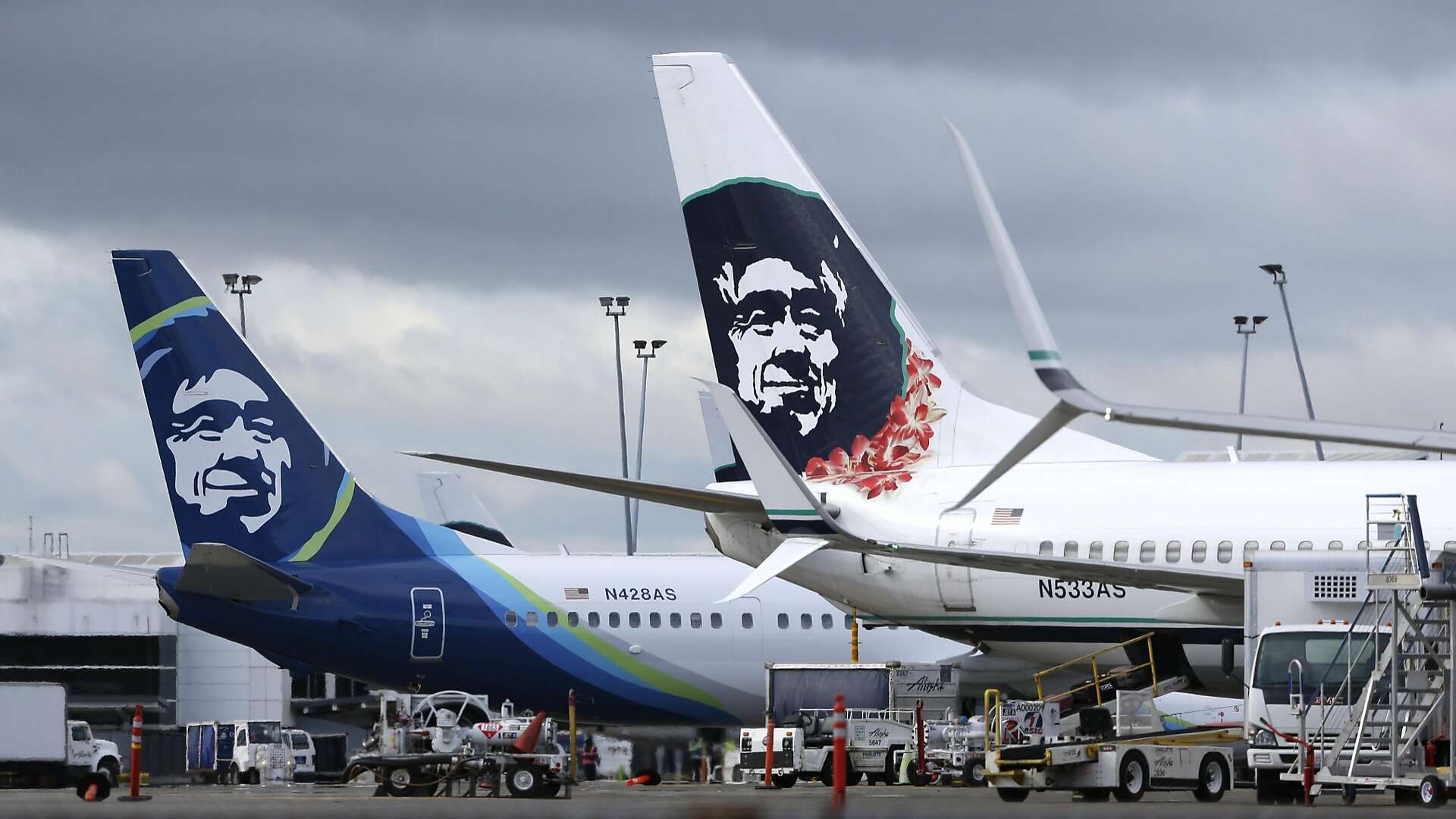
The vibrant and distinctive logo of Alaska Airlines features a smiling face, an iconic image that has become synonymous with travel to and within the Last Frontier. Far from being a generic corporate symbol, this emblem carries significant cultural weight, representing an Alaskan Elder, whose warm visage embodies the spirit of hospitality and the rich heritage of the region’s indigenous peoples. Understanding the figure on the tail of every Alaska Airlines plane offers a deeper insight into Alaska’s unique cultural landscape, making it a pivotal element in the broader context of Alaskan tourism and cultural representation.

The Enduring Icon: An Alaskan Elder
The individual depicted on the Alaska Airlines logo is not a single, identifiable historical figure but rather a composite representation of an Inupiat or Yup’ik Elder. This choice reflects a deliberate effort to honor the indigenous communities that are the original inhabitants and cultural bedrock of Alaska. The smiling face, often referred to affectionately as “the smiling Eskimo,” conveys a sense of warmth, wisdom, and resilience—qualities deeply embedded in the cultural fabric of the Arctic and Subarctic regions. For many, this face is the first visual introduction to the welcoming spirit of the Alaskan people, setting a tone for cultural immersion even before a traveler arrives. The use of an indigenous image in the airline’s branding speaks volumes about the connection between travel, local culture, and the promotion of a destination’s unique identity. It positions Alaska Airlines not just as a carrier, but as a gateway to authentic Alaskan experiences.
Origins and Evolution of the Emblem
The journey of the Alaska Airlines logo began in the 1970s, a period when the airline was expanding its reach and seeking to solidify its identity as a truly Alaskan carrier. Prior to this, the airline’s livery featured various designs, including a stylized “Gold Nugget” motif. However, as the airline grew, particularly connecting remote Alaskan villages with larger cities like Anchorage and Seattle, there was a desire to better represent the unique human element of Alaska. The smiling Elder was introduced in 1972, a design conceived by advertising agency Foote, Cone & Belding. It quickly resonated with both passengers and employees, becoming an instant classic.
Over the decades, the logo has undergone subtle refinements to maintain a contemporary look while preserving its core essence. These updates have primarily focused on modernizing the lines, colors, and overall aesthetic without altering the fundamental character of the Elder’s face. The enduring nature of this design is a testament to its effectiveness in communicating the airline’s regional roots and its commitment to the people and cultures of Alaska. Its consistent presence ensures that the cultural heritage of Alaska remains a prominent feature of the airline’s global image, subtly influencing how tourists perceive the destination long before their arrival.
The Symbolism of the Smiling Face
The warm, gentle smile of the Alaskan Elder on the Alaska Airlines logo is laden with symbolic meaning, especially pertinent to tourism. It transcends mere pleasantries, embodying several key attributes central to the Alaskan spirit and the indigenous worldview. Firstly, it represents hospitality—a crucial aspect of any successful tourism industry. The smile suggests a welcoming embrace, inviting travelers to explore the vast and often challenging landscapes of Alaska with the assurance of human kindness. Secondly, the image evokes resilience and wisdom, qualities honed by generations living in harmony with a rugged environment. Elders in indigenous cultures are revered as keepers of knowledge and tradition, and their representation on the airline’s tail fin subtly communicates the depth of history and cultural richness awaiting visitors.
Furthermore, the smile fosters a sense of authenticity and connection. In an era where many destinations struggle with generic branding, Alaska Airlines leverages a genuine cultural icon to differentiate itself. This face is not a caricature but a dignified portrayal that aims to honor, rather than exploit, the rich heritage it represents. For tourists, this translates into an expectation of authentic cultural encounters, encouraging a more respectful and engaged form of travel. By featuring this Elder, the airline emphasizes that a journey to Alaska is not just about witnessing breathtaking scenery but also about engaging with a living, vibrant culture that has thrived in this land for millennia. This subtle yet powerful message forms a crucial bridge between air travel and cultural tourism, preparing visitors for the unique human and natural landscapes of the state.
Connecting Travelers to Alaskan Culture and Heritage
The presence of the Alaskan Elder on the Alaska Airlines logo is more than just a decorative element; it serves as a powerful symbol connecting travelers to the heart of Alaskan culture and heritage. It acts as an unofficial ambassador, setting expectations and building curiosity about the indigenous populations that have shaped the state’s identity. For tourists flying into Alaska, the logo is often their first visual encounter with the local culture, subtly preparing them for the unique human experiences that complement the stunning natural beauty of the region. This visual cue can spark an interest in exploring cultural centers, engaging with local communities, and understanding the rich traditions of the Native Alaskan people. The airline, through its branding, positions itself as a facilitator of cultural immersion, reinforcing the idea that a trip to Alaska is as much about people as it is about landscapes.
Beyond the Logo: Alaska Airlines’ Role in Promoting Alaskan Tourism
Alaska Airlines plays an indispensable role in promoting Alaskan tourism, not solely through its recognizable logo but also through its extensive network and operational philosophy. As the primary carrier serving numerous remote communities within Alaska, it literally links these culturally rich destinations to the outside world. This connectivity is vital for cultural tourism, enabling visitors to access places like Juneau, Fairbanks, and Ketchikan, each offering distinct indigenous experiences, from Tlingit art to Athabascan storytelling. The airline’s routes open up opportunities for tourists to visit cultural heritage sites, attend local festivals, and engage directly with Native Alaskan artists and guides.
Furthermore, Alaska Airlines often partners with local tourism boards and cultural organizations to highlight Alaskan experiences in its marketing efforts. This collaboration extends to showcasing the state’s natural wonders, like Denali National Park or the Inside Passage, alongside its vibrant cultural scene. The airline’s in-flight magazines, digital content, and advertisements frequently feature stories about Alaskan traditions, local cuisine, and unique activities like dog sledding or witnessing the Northern Lights. By actively promoting these multifaceted aspects of Alaskan life, Alaska Airlines encourages a deeper, more enriching form of tourism that goes beyond mere sightseeing, fostering an appreciation for the cultural fabric woven into the very identity of the state.
The Native Alaskan Influence on Tourism
The Native Alaskan influence is undeniably central to the appeal of Alaskan tourism. Beyond the airline’s logo, the indigenous cultures—including groups like the Inupiat, Yup’ik, Tlingit, Haida, Athabascan, and Aleut—offer a treasure trove of experiences that differentiate Alaska from other destinations. Cultural tourism in Alaska allows visitors to engage with centuries-old traditions, from intricate totem pole carvings and basket weaving to traditional dances and storytelling. Many communities host cultural centers and museums dedicated to preserving and sharing their heritage, providing invaluable educational opportunities for tourists.
The engagement with Native Alaskan communities contributes significantly to the local economy through tourism. Visitors purchase authentic handmade crafts, attend cultural performances, and participate in guided tours led by indigenous residents, ensuring that the economic benefits of tourism flow directly back into these communities. This model of respectful, community-based tourism helps sustain cultural practices and livelihoods. The airline’s choice to prominently feature an Alaskan Elder on its logo reinforces this connection, signifying a commitment to the cultural integrity of the regions it serves and inviting travelers to participate in a meaningful exchange with the indigenous heart of Alaska. This synergistic relationship between the airline, local communities, and travelers enriches the overall tourism experience and fosters a deeper appreciation for the state’s diverse cultural tapestry.
The Broader Context: Indigenous Representation in Tourism Branding
The Alaska Airlines logo stands as a prominent example of indigenous representation in tourism branding, a practice that carries both immense opportunity and significant responsibility. In a globalized world, how cultures are portrayed to potential visitors can profoundly impact their perceptions, expectations, and interactions with a destination. When done thoughtfully, such representation can celebrate unique heritage, foster respect, and drive meaningful cultural exchange. Conversely, inappropriate or stereotypical depictions can perpetuate misconceptions and lead to exploitation. The smiling Alaskan Elder on the airline’s tail fin has largely been well-received, lauded for its warmth and dignity, a testament to the power of positive cultural branding in the tourism sector. This strategic choice underscores the importance of local culture as a cornerstone of destination appeal, encouraging deeper engagement and appreciation from travelers.
Authenticity and Respect in Cultural Portrayals
The success and longevity of the Alaska Airlines logo can be attributed to its perceived authenticity and the respectful manner in which it portrays Native Alaskan heritage. In the realm of tourism, authenticity is highly valued. Travelers increasingly seek genuine experiences and connections to the places they visit, moving beyond superficial attractions. By featuring an Elder, a figure universally respected across cultures for wisdom and experience, the logo avoids common pitfalls of exoticism or simplification often seen in other attempts at indigenous branding. It presents a nuanced image that reflects the enduring strength and warmth of Alaskan indigenous peoples. This approach cultivates trust and invites travelers to approach Alaskan communities with an open mind and respect, rather than preconceived notions. The logo acts as an implicit promise: that the journey will lead to encounters with a rich, living culture that is honored and valued. This careful stewardship of cultural representation is crucial for sustainable tourism, ensuring that local communities benefit from and are respected within the tourism narrative.

The Future of Alaska Airlines’ Cultural Identity
As the global tourism landscape continues to evolve, the cultural identity conveyed by brands like Alaska Airlines will remain vital. The airline’s enduring commitment to its Alaskan roots, symbolized by its iconic logo, positions it favorably in a market that increasingly values responsible and culturally sensitive travel. There is an ongoing conversation within the tourism industry about how best to collaborate with indigenous communities to ensure that their stories are told accurately, respectfully, and with their active participation. For Alaska Airlines, this means potentially deepening its engagement with Native Alaskan organizations, supporting cultural preservation efforts, and perhaps even featuring diverse faces from different indigenous groups to reflect the full breadth of Alaska’s native populations.
The future of Alaskan tourism hinges not only on showcasing its stunning natural beauty but also on celebrating its vibrant, living cultures. The Alaska Airlines logo serves as a constant reminder of this integral connection. It is a powerful statement that travel to Alaska is an opportunity to connect with a unique human history as much as it is a chance to witness unparalleled wilderness. By maintaining and evolving this strong cultural identity, Alaska Airlines will continue to play a key role in shaping perceptions of Alaska as a destination rich in both natural grandeur and profound cultural depth, inviting tourists to embark on journeys that are truly insightful and transformative.
LifeOutOfTheBox is a participant in the Amazon Services LLC Associates Program, an affiliate advertising program designed to provide a means for sites to earn advertising fees by advertising and linking to Amazon.com. Amazon, the Amazon logo, AmazonSupply, and the AmazonSupply logo are trademarks of Amazon.com, Inc. or its affiliates. As an Amazon Associate we earn affiliate commissions from qualifying purchases.