
Planning a trip to Omaha, Nebraska, often involves a mix of excitement about its vibrant culture, delicious food scene, and unique attractions. However, before you pack your bags and book your stay at a charming hotel or a comfortable apartment, a crucial piece of information often guides your preparation: the weather. Understanding the temperature in Omaha, Nebraska, is paramount for ensuring your visit is as enjoyable as possible, whether you’re anticipating crisp autumn air for exploring the Old Market, the warmth of a summer day for a stroll along the Missouri River, or the cozy chill of winter for a visit to the Henry Doorly Zoo and Aquarium.

This guide delves into the climatic nuances of Omaha, Nebraska, offering insights into its seasonal variations, average temperatures, and what to expect throughout the year. By equipping yourself with this knowledge, you can better plan your outdoor activities, choose appropriate attire, and ultimately maximize your travel experience in this captivating Midwestern city. From the bustling downtown to the serene parks, Omaha, Nebraska, offers a diverse range of experiences, and knowing the temperature will help you unlock them all.
Understanding Omaha’s Climate: A Seasonal Breakdown
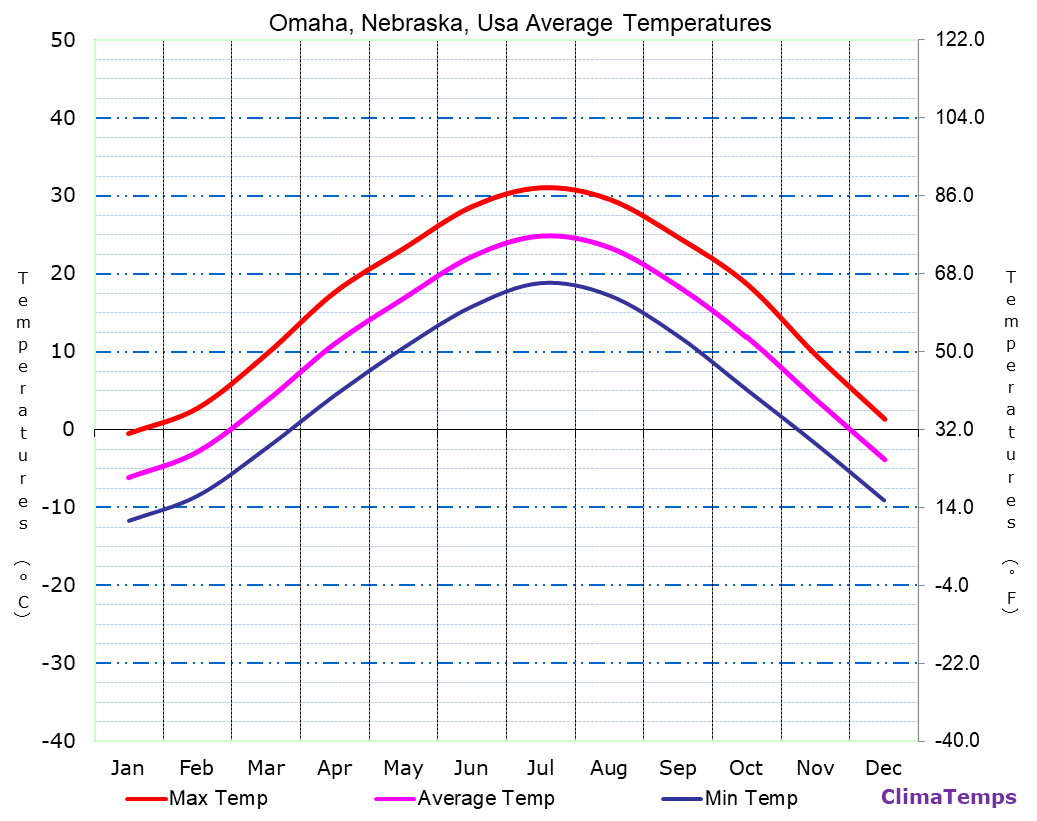
Omaha, Nebraska, experiences a humid continental climate, characterized by four distinct seasons, each with its unique temperature profile and weather patterns. This means you can expect a wide range of temperatures throughout the year, from the sweltering heat of summer to the biting cold of winter. Understanding these fluctuations is key to making informed decisions about when to visit and what to pack for your accommodation needs.
Spring in Omaha: A Gentle Awakening (March – May)
Spring in Omaha, Nebraska, is a period of transition, marked by a gradual warming trend after the long winter months. Temperatures typically begin to rise in March, but it’s not uncommon to still encounter cold snaps and even lingering snow. By April, the city starts to bloom, with average daily temperatures hovering in the pleasant range of 50-60°F (10-16°C). May usually brings more consistent warmth, with temperatures often reaching the comfortable 60-70°F (16-21°C) range, making it an ideal time for exploring outdoor attractions like the Lauritzen Gardens or enjoying a leisurely walk through the historic Old Market.
However, spring in Omaha, Nebraska, can also be unpredictable. Sudden temperature swings are common, and the possibility of late spring frosts can affect outdoor plans. Rainfall tends to increase during this season, contributing to the lush greenery that characterizes the city. Travelers visiting during spring should be prepared for a variety of weather conditions, layering their clothing to adapt to the changing temperatures. This also applies to accommodation choices, as some venues might still be transitioning from winter to summer amenities.
Summer in Omaha: Warm Days and Lively Evenings (June – August)
Summer in Omaha, Nebraska, is typically warm to hot, with July and August being the warmest months. Average daily temperatures often range from the high 70s to the mid-80s°F (25-30°C), with occasional heatwaves pushing temperatures into the 90s°F (32°C+) and beyond. Humidity can also be a factor during the summer, making the heat feel more intense. This is the peak season for outdoor activities, from attending baseball games at TD Ameritrade Park to enjoying festivals and outdoor concerts.
The long daylight hours in summer are perfect for exploring Omaha, Nebraska‘s numerous landmarks and enjoying its vibrant lifestyle. However, it’s essential to stay hydrated and seek shade during the hottest parts of the day. Thunderstorms are also a common occurrence during the summer months, often bringing brief but intense downpours and sometimes dramatic lightning displays. When booking your resort or hotel, consider amenities like air conditioning and perhaps a pool to help you stay cool during these warmer periods. The extended daylight also means more time for exploring the city’s diverse culinary scene and enjoying evening strolls, making it a popular time for family trips.
Autumn in Omaha: Crisp Air and Colorful Scenery (September – November)
Autumn in Omaha, Nebraska, is often considered one of the most beautiful times to visit. The summer heat subsides, replaced by crisp, cool air and stunning fall foliage. September typically sees average temperatures in the comfortable 60-70°F (16-21°C) range, gradually decreasing into the 40-50°F (4-10°C) range by November. This season is perfect for exploring the city’s parks, such as Fontenelle Forest, or enjoying a scenic drive to admire the changing colors of the leaves.
The moderate temperatures and clear skies make it an excellent time for outdoor tourism and experiencing the local culture. Visitors can enjoy the harvest season and the numerous farmers’ markets. However, as November progresses, temperatures can drop significantly, and the first snowfalls are not uncommon. It’s advisable to pack layers, including a warm jacket and sweater, for autumn visits. This season can be ideal for a more relaxed pace, perhaps enjoying a longer stay in an apartment or a cozy villa, and taking advantage of the beautiful scenery for photography and exploration.
Winter in Omaha: Cold and Cozy (December – February)
Winter in Omaha, Nebraska, is characterized by cold temperatures and the possibility of significant snowfall. Average daily temperatures typically range from the low 20s to the low 30s°F (-6 to 1°C), with wind chills often making it feel considerably colder. January and February are usually the coldest months. Despite the chill, winter offers its own unique charm. The city can be beautifully blanketed in snow, creating picturesque scenes, especially around historical areas like the Old Market.
Indoor attractions become particularly appealing during the winter months. The Henry Doorly Zoo and Aquarium, with its extensive indoor exhibits, the Durham Museum, housed in a historic train station, and the numerous art galleries offer plenty of opportunities for exploration and cultural immersion. This is also a prime time for budget travel, as accommodation prices might be lower during the off-peak winter season. For those who enjoy winter sports or simply want to embrace the cozy atmosphere, Omaha, Nebraska, can be a delightful destination. Packing warm, waterproof clothing, including hats, gloves, and sturdy boots, is essential for anyone visiting during these months.
Planning Your Omaha Adventure: Temperature-Informed Travel Tips
Knowing the average temperatures in Omaha, Nebraska, for each season is just the first step in planning a successful and enjoyable trip. To truly make the most of your visit, consider how these climatic conditions will influence your itinerary, your accommodation choices, and your overall lifestyle experience.
Tailoring Your Itinerary to Omaha’s Weather
The weather in Omaha, Nebraska, can significantly impact your daily plans. For instance, visiting in the summer means you can dedicate ample time to outdoor attractions like the Gene Leahy Mall or take a boat tour on the Missouri River. However, it also means being mindful of potential heatwaves and planning indoor activities or seeking out air-conditioned spaces during the hottest parts of the day. If you’re visiting in the spring or fall, the more moderate temperatures are perfect for extended walking tours of the city’s historic districts, such as the Old Market, or exploring natural landmarks like Hummel Park.
Winter visitors will likely want to prioritize indoor experiences. The Durham Museum offers a fascinating glimpse into the region’s history, while the Kiewit Luminarium provides interactive science exhibits for all ages. Consider booking accommodation with convenient access to public transportation or ensuring your chosen hotel or resort is centrally located, minimizing your exposure to the elements when traveling between destinations. The temperature will also dictate your pace; warmer months might encourage a more active and outdoor-focused travel style, while colder months may lead to a more relaxed, indoor-centric exploration of Omaha, Nebraska‘s cultural offerings.
Choosing the Right Accommodation: Comfort and Convenience
Your choice of accommodation in Omaha, Nebraska, should also be influenced by the prevailing temperatures. During the hot summer months, an apartment or hotel with a well-functioning air conditioning system and perhaps a swimming pool can be a lifesaver. Look for reviews that specifically mention the effectiveness of cooling systems. If you’re traveling during the winter, you’ll want to ensure your lodging is well-heated and cozy. Consider a suite in a reputable hotel that offers amenities like indoor pools or hot tubs, which can be a welcome reprieve from the cold.
For those seeking longer stays or a more home-like experience, booking a villa or a serviced apartment can offer more space and flexibility, allowing you to comfortably manage varying temperatures with in-unit climate control. During transitional seasons like spring and fall, you might find that even mid-range hotels offer comfortable temperatures, and you can prioritize locations that offer easy access to attractions and dining. When comparing booking options, always check the amenities related to heating and cooling to ensure your comfort throughout your stay.

Packing Smart for Omaha’s Climate
The most crucial aspect of preparing for your trip to Omaha, Nebraska, is packing appropriately for the temperatures.
-
Spring: Pack layers! Include a light jacket or sweater, long-sleeved shirts, and comfortable walking shoes. An umbrella or rain jacket is also advisable due to potential spring showers.
-
Summer: Light, breathable clothing is key. Think cotton T-shirts, shorts, and sundresses. Don’t forget sunscreen, a hat, and sunglasses. You might also want to pack a light cardigan or jacket for cooler evenings or air-conditioned interiors.
-
Autumn: Layers are again essential. A warm jacket, sweaters, long pants, and closed-toe shoes are a must. As the season progresses, you may need a warmer coat, a scarf, and gloves.
-
Winter: This is the time for serious winter gear. Pack a heavy, insulated coat, warm waterproof pants, thermal underwear, sweaters, gloves, a hat that covers your ears, and waterproof, insulated boots.
By considering the temperature in Omaha, Nebraska, and its impact on your itinerary and packing, you can ensure a more comfortable, enjoyable, and memorable travel experience in this dynamic Midwestern city. Whether you’re drawn by its landmarks, its local culture, or its culinary delights, understanding the weather will be your first step towards unlocking the best of what Omaha, Nebraska, has to offer.
LifeOutOfTheBox is a participant in the Amazon Services LLC Associates Program, an affiliate advertising program designed to provide a means for sites to earn advertising fees by advertising and linking to Amazon.com. Amazon, the Amazon logo, AmazonSupply, and the AmazonSupply logo are trademarks of Amazon.com, Inc. or its affiliates. As an Amazon Associate we earn affiliate commissions from qualifying purchases.