
The allure of Palm Springs, California, is legendary. Nestled in the heart of the Sonoran Desert within the expansive Coachella Valley, this iconic destination has long captivated travelers with its breathtaking natural beauty, mid-century modern architecture, vibrant arts scene, and a distinct lifestyle. But for many considering a visit, especially those planning to immerse themselves in the outdoor activities and resort experiences Palm Springs is famous for, one question often takes precedence: what’s the temperature like? Understanding the climate is key to unlocking the perfect trip, whether you’re seeking a sun-drenched escape, a cool desert retreat, or anything in between. The mercury’s movements here dictate everything from what to pack to the ideal time for a hike, a round of golf, or a leisurely poolside cocktail. Far from a one-size-fits-all climate, Palm Springs offers a spectrum of weather experiences throughout the year, each with its own charm and set of recommendations for making the most of your stay. From scorching summer days that demand poolside lounging to crisp winter mornings perfect for exploring, this guide delves into the intricate dance of temperatures in Palm Springs, providing insights crucial for every traveler.
Unpacking the Desert Climate: A Year-Round Overview of Palm Springs
The climate of Palm Springs is fundamentally defined by its desert location. This means abundant sunshine, very low humidity, and significant temperature variations between day and night, as well as across the seasons. The surrounding mountain ranges, including the imposing Mount San Jacinto to the west, play a crucial role in shaping its microclimate, often creating a rain shadow effect that keeps the skies clear and bright for over 300 days a year. This consistent sunshine is a major draw, promising a radiant backdrop for any vacation, but it also means a thorough understanding of the specific temperatures is essential.
The Allure of the Arid Landscape
The desert environment, while seemingly harsh, is the very essence of Palm Springs’ unique appeal. The dry air, often described as a “dry heat,” can make even high temperatures feel more tolerable than humid climates. This lack of humidity also contributes to the dramatic temperature drops once the sun sets, offering a refreshing contrast to the daytime warmth. The natural landscape of the Coachella Valley, with its stark beauty, towering palms, and unique desert flora, is a testament to nature’s resilience and provides a stunning backdrop for outdoor adventures, which are heavily influenced by the prevailing temperatures. Whether you’re planning to visit the serene Moorten Botanical Garden or explore the vastness of nearby Joshua Tree National Park, the arid conditions are both a defining characteristic and a consideration for comfort and safety.
Average Temperatures Across the Seasons
To truly grasp the temperature profile of Palm Springs, it’s best to break it down by season. While averages provide a good baseline, daily fluctuations and occasional heatwaves or cooler spells are always possible.
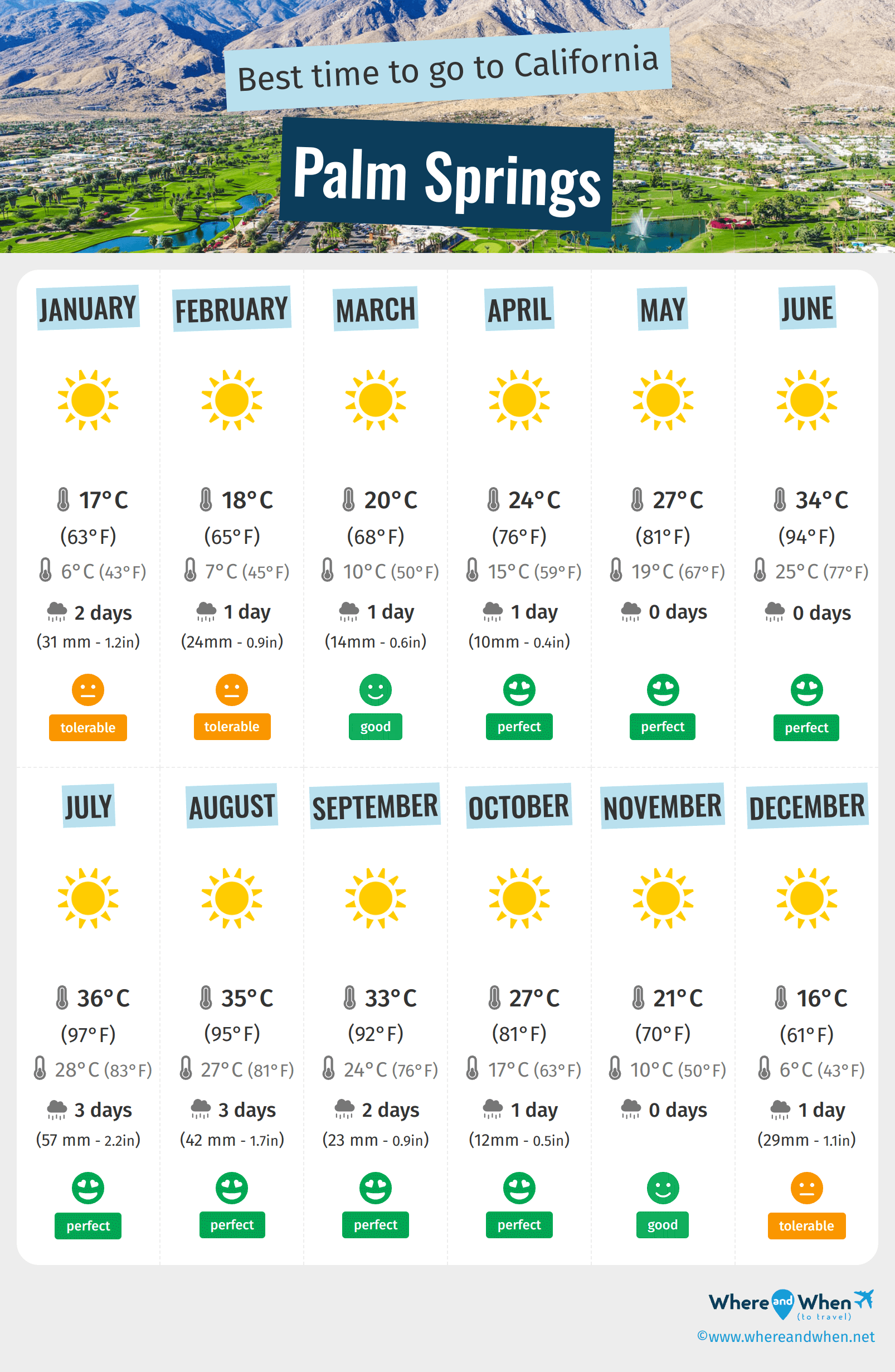
- Summer (June, July, August): This is when Palm Springs truly lives up to its desert reputation, with average daytime highs consistently soaring into the triple digits, often ranging from 105°F (41°C) to 115°F (46°C). Nights offer some respite, cooling down to around 75°F (24°C) to 85°F (29°C). While undeniably hot, the dry heat makes mornings and evenings somewhat manageable for specific activities.
- Fall (September, October, November): As summer’s intensity wanes, fall brings a welcome transition. September remains quite warm, with highs often in the 90s°F (30s°C), but by October and November, temperatures become delightfully pleasant. Average highs settle into the 80s°F (27-32°C) in October and then the comfortable 70s°F (21-26°C) in November. Nights become cooler, dipping into the 50s°F (10s°C).
- Winter (December, January, February): This is peak season for Palm Springs, and for good reason. The weather is idyllic. Daytime highs typically range from 68°F (20°C) to 75°F (24°C), offering perfect conditions for outdoor pursuits. Nights are cool, often dropping into the 40s°F (4-9°C), sometimes even touching freezing, making cozy evenings by a fire highly appealing.
- Spring (March, April, May): Spring is another golden period in Palm Springs. March sees highs in the mid-70s°F (24°C), gradually climbing through the 80s°F (27-32°C) in April, and often reaching the low 90s°F (32-37°C) by May. The desert flora often blooms beautifully during this time, adding vibrant splashes of color to the landscape. Nights remain pleasant, generally in the 50s°F (10s°C) to 60s°F (15s°C).
Seasonal Deep Dive: Planning Your Visit Around Palm Springs’ Mercury
Knowing the average temperatures is one thing, but understanding how they translate into actual travel experiences is another. Each season in Palm Springs presents a unique set of opportunities and challenges, influencing everything from the type of accommodation you might choose to the clothes you pack and the activities you plan.
Scorching Summers: June, July, August
Summer in Palm Springs is defined by its intense heat. While some visitors prefer to avoid this season, others embrace the quintessential desert summer experience, which revolves heavily around water and air-conditioned comfort. Hotels and resorts are often the main attractions, with magnificent pools becoming central hubs of activity. Many establishments, like The Saguaro Palm Springs with its vibrant pool scene, or the luxurious Parker Palm Springs known for its elaborate grounds and cooling amenities, see guests spending their days leisurely swimming, sunbathing, and enjoying poolside service.
Outdoor activities are best undertaken in the very early morning or late evening. Sunrises over the desert are spectacular and can be enjoyed before the mercury climbs too high. Indoor attractions, such as the Palm Springs Art Museum, provide a cool refuge, as do the numerous boutiques, spas, and restaurants along Palm Canyon Drive. For budget-conscious travelers, summer often brings lower accommodation rates, making it an attractive time to experience high-end resorts for less. Staying hydrated is paramount, and a wide-brimmed hat, sunglasses, and high SPF sunscreen are non-negotiable accessories.
Mild and Magnificent Falls: September, October, November
Fall is a transitional period that quickly becomes one of the most delightful times to visit Palm Springs. As the oppressive summer heat dissipates, the desert air becomes crisp and invigorating. This season is perfect for re-engaging with outdoor activities. Golf courses, which can be challenging in the summer, become pristine and inviting. Hiking trails in areas like Indian Canyons or exploring the oasis within the Living Desert Zoo and Gardens become much more comfortable.
Fall also ushers in a lively cultural calendar. Events like Greater Palm Springs Restaurant Week draw foodies, while various art shows and music events begin to fill the schedule. The comfortable temperatures also make al fresco dining a popular choice, with many restaurants offering stunning patio settings. Accommodation options range from boutique hotels like Colony Palms Hotel to larger resorts, all offering an inviting atmosphere as the season progresses towards cooler days.
Winter Wonderland (Desert Style): December, January, February
Winter is undoubtedly the most popular season in Palm Springs, attracting visitors from colder climates seeking sunshine and warmth. The mild, clear days are ideal for almost any outdoor pursuit. This is prime hiking season, with trails up Mount San Jacinto via the Palm Springs Aerial Tramway offering stunning panoramic views of the snow-capped mountains and the desert floor below. Cycling, tennis, and exploring the architectural wonders during Palm Springs Modernism Week (usually in February) are highly recommended.
The nights can be surprisingly chilly, so packing layers, including a warm jacket or sweater, is essential for enjoying evening strolls, outdoor dining, or events like the Palm Springs International Film Festival. Hotels and resorts are at their busiest, from luxury stays like the Kimpton Rowan Palm Springs to more casual options like Ace Hotel & Swim Club, and booking well in advance is advisable. The festive atmosphere around the holidays, often with unique desert decorations like Robolights, adds to the charm of a winter visit.
Blooming Springs: March, April, May
Spring in Palm Springs is a vibrant season, characterized by pleasant temperatures and often spectacular desert blooms after winter rains. March is usually perfect, with conditions akin to an extended mild autumn. As April and May progress, temperatures steadily climb, signaling the approach of summer, but generally remain very comfortable for daytime activities. This is a fantastic time for outdoor exploration before the intense heat sets in, including visiting nearby towns like Palm Desert or Indian Wells.
The cultural calendar remains packed, highlighted by world-renowned events such as the Coachella Valley Music and Arts Festival and the Stagecoach Festival in April, drawing huge crowds and a lively atmosphere. Accommodation during these festival weeks, often at places like the Hyatt Regency Palm Springs or the historically rich Riviera Palm Springs, becomes highly sought after and more expensive. For those looking for a quieter experience, early spring offers ideal weather for enjoying pools, golf, and patio dining without the peak season crowds.
Beyond the Thermometer: Maximizing Your Palm Springs Experience
While temperature is a primary concern, a successful trip to Palm Springs involves more than just checking the forecast. It’s about adapting your plans and expectations to the unique desert environment and embracing the lifestyle that the climate enables.
What to Pack and How to Prepare
Regardless of the season, essentials for Palm Springs include plenty of sunscreen, a wide-brimmed hat, and sunglasses. Hydration is crucial; always carry water, especially when exploring outdoors. For summer, light, breathable clothing (linens, cottons) is a must, along with swimwear. In fall and spring, layers are your best friend – shorts and t-shirts for daytime, but long sleeves and light jackets for cooler evenings. Winter demands warmer layers, including sweaters, a jacket, and perhaps even a scarf, particularly if you plan to ascend the Palm Springs Aerial Tramway where temperatures can be significantly colder at higher elevations. Comfortable walking shoes are always advisable, especially if you plan to explore the many famous landmarks or enjoy the hiking trails.
Adapting Your Itinerary to the Climate
The desert rhythm often dictates an adjustment to typical travel schedules. In summer, embrace the siesta culture: plan strenuous activities for early mornings or after sundown, and dedicate the midday hours to air-conditioned comfort or poolside relaxation. Many local businesses, particularly in smaller towns nearby like La Quinta, adjust their hours in summer to cater to this pattern. In cooler months, you have the luxury of longer daylight hours for outdoor excursions, but remember that the sun sets earlier, and temperatures drop quickly once it goes down. Take advantage of the pleasant mornings for golf or hiking, and reserve afternoons for leisurely lunches, shopping, or spa treatments. The city’s famous VillageFest street fair, held every Thursday evening, is a perfect example of a climate-adapted activity, allowing visitors to enjoy local crafts and food under the cooler night sky.
Top Attractions and Their Seasonal Appeal
Many of Palm Springs’ premier attractions have a distinct seasonal appeal tied to the temperature.
- The Palm Springs Aerial Tramway: A year-round marvel, but particularly popular in summer for its dramatic temperature drop (often 30-40°F cooler at the top of Mount San Jacinto) and in winter for the rare opportunity to play in snow in the desert.
- Indian Canyons: Best explored in the cooler months of fall, winter, and spring. The ancient palm oases provide shade, but hiking is challenging in extreme heat.
- Living Desert Zoo and Gardens: An excellent choice for fall, winter, and spring. Summer visits are possible, but plan for early morning departures to avoid the midday heat, as many animals are more active in cooler temperatures.
- Palm Springs Art Museum: A perfect indoor retreat any time of year, offering a cool respite from the summer sun and a cultural diversion during winter.
- Golf Courses: While many courses, including those in neighboring Rancho Mirage, offer discounted summer rates, the ideal golf weather is from fall through spring.
- Hot Mineral Springs: The healing waters of Desert Hot Springs, just north of Palm Springs, are inviting year-round, with the cooler months perhaps enhancing the contrast between the warm waters and the cool desert air.
In conclusion, the temperature in Palm Springs, California, is not just a number on a thermometer; it’s an integral part of the destination’s identity and experience. From the blazing, pool-centric summers to the gloriously mild winters that beckon outdoor adventurers, each season presents a distinct flavor of this unique desert oasis. By understanding these temperature patterns and planning accordingly, visitors can ensure their trip is not only comfortable but also perfectly aligned with the myriad attractions and activities that make Palm Springs a world-class travel destination. Whether you crave the intense sun, the refreshing coolness, or the perfect spring warmth, Palm Springs promises an unforgettable experience, as long as you come prepared to embrace its beautiful and ever-changing climate.
LifeOutOfTheBox is a participant in the Amazon Services LLC Associates Program, an affiliate advertising program designed to provide a means for sites to earn advertising fees by advertising and linking to Amazon.com. Amazon, the Amazon logo, AmazonSupply, and the AmazonSupply logo are trademarks of Amazon.com, Inc. or its affiliates. As an Amazon Associate we earn affiliate commissions from qualifying purchases.