
Navigating the Golden State with a disability can be a seamless and enjoyable experience, provided you have the necessary accommodations. One of the most crucial aspects of accessible travel is securing designated parking. Whether you’re planning a road trip along the scenic Pacific Coast Highway or exploring the vibrant city life of Los Angeles, understanding how to obtain handicap parking permits in California is essential. This guide will walk you through the entire process, from eligibility and application to utilizing your permit effectively throughout your travels.
Understanding California’s Disabled Person Parking Placard Program
California’s disabled person parking placard program is designed to provide convenient and accessible parking for individuals with mobility impairments. These placards, often referred to as handicap parking permits, allow holders to park in designated spaces throughout the state. The program is administered by the California Department of Motor Vehicles (DMV).
Who is Eligible for a Handicap Parking Permit?
Eligibility for a disabled person parking placard in California is determined by specific medical conditions that substantially limit one or more major life activities. The California DMV outlines the following as qualifying conditions:
- Mobility Impairment: Individuals who have a physical disability that makes it difficult to walk 200 feet without assistance or without a wheelchair, brace, cane, crutch, or other assistive device. This can include conditions such as arthritis, chronic lung disease, or kidney disease requiring the use of a mechanical device for external kidney dialysis.
- Legal Blindness: Individuals who have a visual acuity of 20/200 or less in the better eye with the use of correcting lenses, or whose visual field is limited to 20 degrees or less.
- Severe Health Conditions: Individuals with conditions that are severely limiting, even if not immediately apparent. This could include individuals with significant heart conditions, neurological disorders, or other chronic illnesses that impair mobility or require specialized equipment for daily functioning.
It’s important to note that a temporary disability may also qualify an individual for a temporary placard, which is valid for a limited period. This is particularly useful for those recovering from surgery or experiencing a short-term mobility challenge.
Types of Placards and Plates
California offers two primary types of disabled person parking permits:
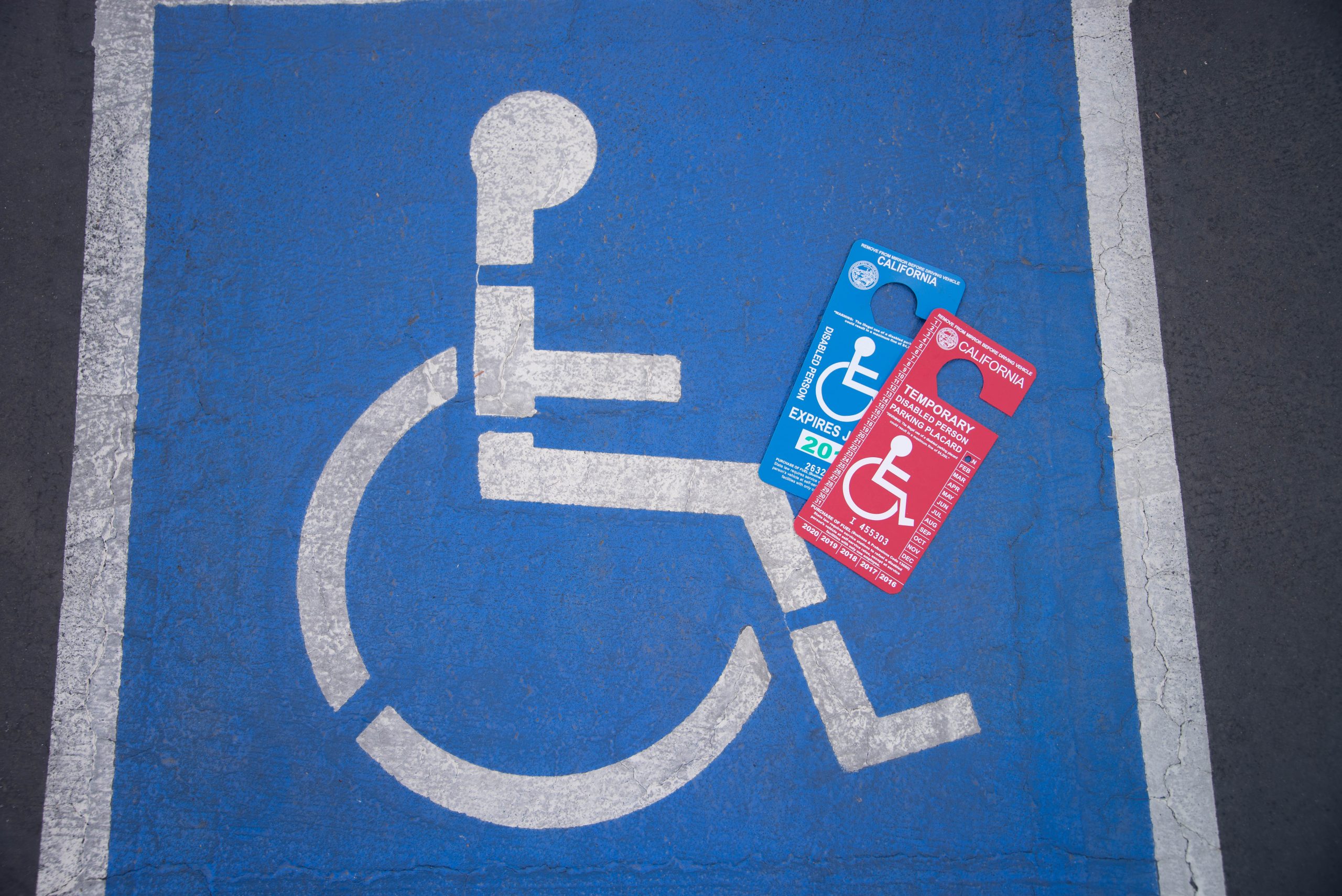
- Disabled Person Placard (DP Placard): This is a blue placard, usually hung from the rearview mirror, that can be used in any vehicle the disabled person is operating or being transported in. These are generally issued for permanent disabilities.
- Disabled Veteran (DV) Placard: This is a red placard specifically for disabled veterans who meet certain criteria, such as being unable to perform any gainful employment due to their service-connected disability.
- Temporary Placard: A tan-colored placard issued for temporary disabilities, typically valid for six months or less.
- Disabled Person License Plates: These plates are affixed to a vehicle’s license plate and are a permanent registration option for individuals with qualifying disabilities. They eliminate the need for a removable placard.
Each type of permit or plate offers the same parking privileges. The choice between a placard and license plates often depends on personal preference and the duration of the disability. For travelers, a removable placard is generally more versatile as it can be used in rental cars or vehicles belonging to friends and family.
The Application Process: Step-by-Step Guide
Securing a handicap parking permit in California involves a straightforward application process through the California DMV. It requires proper documentation and verification from a medical professional.
Step 1: Obtain the Application Form
The primary document you’ll need is the “Application for Disabled Person/Veteran Plates or Placard” (REG 195). This form can be downloaded from the official California DMV website or obtained in person at any DMV field office. It’s advisable to download the latest version of the form to ensure you have the most up-to-date requirements.
Step 2: Complete the Applicant Section
The first part of the REG 195 form requires information about the applicant. This includes your name, address, date of birth, and driver’s license or identification card number. If you are applying for a placard on behalf of someone else who is unable to do so, you will need to provide information about your relationship to the applicant and their details.
Step 3: Have Your Medical Provider Certify Your Eligibility
This is a crucial step. The second section of the REG 195 form must be completed and signed by a licensed medical provider. This can be a physician, surgeon, chiropractor, podiatrist, optometrist, or an osteopath. The medical provider will need to verify your eligibility based on the conditions outlined by the DMV. They will check the boxes corresponding to your specific disability, providing a certification that you meet the criteria for a disabled person parking placard or license plates. It is essential to choose a medical provider who is familiar with your health condition and can accurately certify your eligibility.
Step 4: Submit Your Application
Once the application is fully completed by both the applicant and the medical provider, it can be submitted to the California DMV. You have several options for submission:
- By Mail: You can mail the completed form to the address specified on the application. This is often the most convenient method for those who prefer not to visit a DMV office.
- In Person: You can visit any DMV field office. Be prepared for potential wait times, especially during peak hours. You can often check wait times online or by calling the DMV.
- Through a Certified Access Specialist (CAS): In some cases, you may be able to submit your application through a Certified Access Specialist who works with local government agencies.
Important Considerations:
- Fees: There is typically no fee for a disabled person parking placard. However, there may be fees associated with obtaining disabled person license plates.
- Identification: You will need to provide a valid form of identification, such as a California driver’s license or ID card.
- Processing Time: The DMV generally processes applications within a few weeks. You will receive your placard or plates by mail. If you need a placard immediately, you may be able to obtain a temporary one directly from your medical provider if they are authorized to issue them.
Utilizing Your Handicap Parking Permit in California
Once you have your disabled person parking placard or license plates, you can begin to enjoy the benefits of accessible parking throughout California. Understanding the rules and regulations associated with these permits will ensure you use them correctly and avoid any potential citations.
Where Can You Park with a Handicap Permit?
Your California disabled person parking placard or license plates allow you to park in any space designated as accessible. These spaces are typically marked with the International Symbol of Access (a blue wheelchair symbol). You will find these spaces in various locations, including:
- Public Parking Lots and Garages: In cities like San Francisco, San Diego, and throughout the state, accessible parking is usually available in municipal parking facilities.
- Street Parking: Many cities have designated on-street accessible parking spaces. These are often located near popular attractions, businesses, and residences.
- Commercial Establishments: Restaurants, shopping malls (such as The Grove in Los Angeles), movie theaters, and other businesses are required to provide accessible parking spaces.
- Attractions and Landmarks: Whether you’re visiting theme parks like Disneyland in Anaheim, national parks like Yosemite National Park, or museums like the Getty Center in Los Angeles, accessible parking is a priority.
- Hotels and Resorts: When booking accommodations, such as a stay at the Grand Hyatt Hotel or a resort in Palm Springs, inquire about their accessible parking availability. Many hotels offer designated spots close to the entrance.
Rules and Regulations to Observe
While your placard grants you access to preferential parking, it’s crucial to adhere to the following rules:
- Display the Placard Correctly: The placard must be hung from the rearview mirror when the vehicle is parked in an accessible space. It should not be displayed when the vehicle is in motion.
- Only Use When the Disabled Person is Present: The placard is for the sole use of the disabled person to whom it was issued. It cannot be used by a friend or family member when the disabled person is not in the vehicle.
- Respect Time Limits: Some accessible parking spaces may have time limits, especially in busy commercial areas or near attractions. Always check for posted signage.
- Do Not Block Access Aisles: Accessible parking spaces often have a striped area next to them called an access aisle. This aisle is for wheelchair users to transfer from their vehicle to their wheelchair. Blocking this area is a serious violation.
- Renewals: Placards have expiration dates. It’s your responsibility to renew your placard before it expires to continue using accessible parking. Disabled person license plates are tied to your vehicle registration renewal.
- Out-of-State and International Placards: California recognizes disabled person parking permits issued by other U.S. states, districts, territories, and countries. However, you must still comply with California laws regarding their use.

Penalties for Misuse
Misusing a disabled person parking placard or license plate is a serious offense. Violations can result in significant fines, impoundment of the vehicle, and even the revocation of your parking privileges. It is essential to treat these permits with respect and use them only as intended.
By understanding and following these guidelines, individuals with disabilities can confidently explore all that California has to offer, from its stunning natural beauty and iconic landmarks to its diverse cultural experiences and world-class accommodations. Accessible parking ensures that your journey through the Golden State is as comfortable and enjoyable as possible.
LifeOutOfTheBox is a participant in the Amazon Services LLC Associates Program, an affiliate advertising program designed to provide a means for sites to earn advertising fees by advertising and linking to Amazon.com. Amazon, the Amazon logo, AmazonSupply, and the AmazonSupply logo are trademarks of Amazon.com, Inc. or its affiliates. As an Amazon Associate we earn affiliate commissions from qualifying purchases.