
Phoenix, Arizona, often evokes images of endless sunshine, vast desert landscapes, and — undeniably — heat. When planning a trip to this vibrant Sonoran Desert metropolis, one of the first and most crucial questions travelers ask is, “What’s the temperature like?” Understanding Phoenix’s climate isn’t just a matter of curiosity; it’s fundamental to shaping your travel itinerary, deciding what to pack, choosing the right accommodation, and ultimately, ensuring a comfortable and enjoyable experience. Whether you’re dreaming of poolside relaxation, exploring rugged trails, or indulging in the city’s rich cultural scene, the mercury plays a starring role in the Phoenix experience. From scorching summers that demand strategic planning to delightfully mild winters that attract visitors from colder climes, the temperature dictates the rhythm of life and tourism in the Valley of the Sun.
This comprehensive guide delves into the nuances of Phoenix’s renowned climate, offering insights into seasonal variations, the impact of the “dry heat,” and how these factors influence everything from your choice of hotel amenities to the best time for hiking Camelback Mountain. We’ll explore how to navigate the heat, discover the most comfortable times to visit, and uncover the lifestyle adaptations that make Phoenix a unique destination. Prepare to embrace the warmth and discover why millions flock to this desert oasis year-round, equipped with the knowledge to make the most of your Phoenix adventure, regardless of the reading on the thermometer.
Understanding Phoenix’s Climate: A Desert Reality
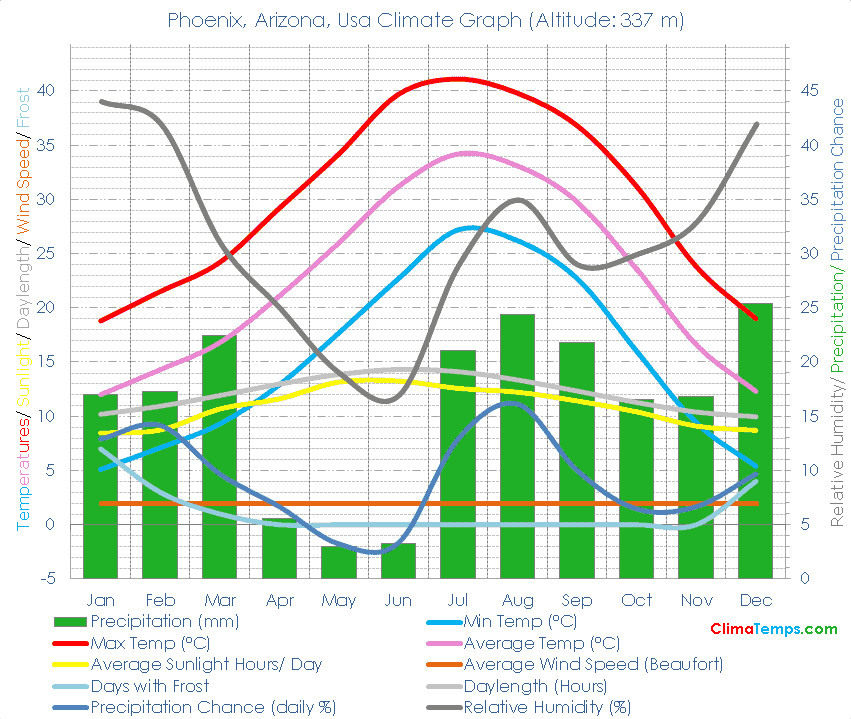
Phoenix is nestled in the heart of the Sonoran Desert, one of the hottest and wettest deserts in North America. This geographical positioning is the primary driver of its climate, characterized by long, extremely hot summers and short, mild winters. The city averages over 300 sunny days a year, a significant draw for many, but this sunshine comes with substantial temperature fluctuations throughout the year and even within a single day. The desert environment means low humidity for much of the year, which is often referred to as “dry heat,” a distinct sensation compared to humid climates. However, even the dry heat in summer can push temperatures well over 100°F (38°C), making it crucial for visitors to understand what to expect.

Seasonal Temperature Overview
The year in Phoenix can be broadly divided into four distinct temperature seasons, each offering a unique set of experiences and challenges for travelers.
-
Summer (June – September): The Scorching Peak. This is when Phoenix truly lives up to its “Valley of the Sun” moniker. Daily high temperatures routinely soar above 100°F (38°C), often reaching 110°F (43°C) or even higher, with record highs exceeding 120°F (49°C). Even overnight, lows typically remain in the upper 70s to low 90s°F (25-35°C), offering little respite. July and August are the hottest months, coinciding with the monsoon season, which brings increased humidity, dramatic thunderstorms, and occasional flash floods, though these are usually brief. Travel during this period requires strategic planning, focusing on indoor activities, water parks, and very early morning or late evening outdoor excursions.
-
Fall (October – November): Delightful Transition. As summer fades, Phoenix enters one of its most pleasant seasons. October sees average highs drop into the low 90s°F (32-35°C) and then into the 80s°F (27-30°C) by November. Nights become comfortably cool, often in the 50s and 60s°F (10-20°C). This is an ideal time for outdoor activities, hiking, and exploring the Desert Botanical Garden or South Mountain Park and Preserve.
-
Winter (December – February): Mild and Sunny. Phoenix winters are a major draw for “snowbirds” and those escaping colder climates. Daytime temperatures are delightfully mild, averaging in the upper 60s to low 70s°F (18-24°C). Nights can be chilly, sometimes dipping into the 40s°F (4-10°C), with occasional overnight frosts. Precipitation is minimal, ensuring plenty of sunshine for golf, outdoor dining, and exploring the city’s many attractions without the oppressive heat.
-
Spring (March – May): Perfect Weather. Arguably the most popular time to visit, spring offers a continuation of the pleasant fall and winter temperatures. March and April see average highs in the 70s and 80s°F (21-30°C), gradually climbing into the 90s°F (32-35°C) by May. This is peak season for Spring Training baseball, outdoor festivals, and enjoying the desert in full bloom. The comfortable temperatures allow for extended outdoor exploration before the intense summer heat sets in.
The Dry Heat vs. Humidity and Daily Temperature Swings
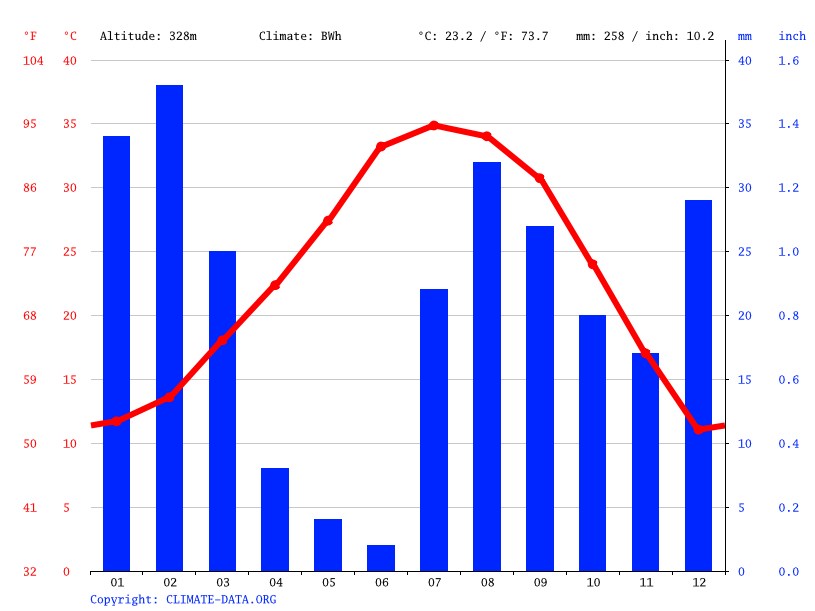
The term “dry heat” is commonly used to describe Phoenix’s climate, particularly during the hot months. While temperatures may be extremely high, the low humidity often makes it feel more tolerable than similar temperatures in humid environments. The body’s natural cooling mechanism (sweating) is more effective in dry air because sweat evaporates quickly. However, this also means you can become dehydrated very rapidly without realizing it, making constant hydration absolutely critical. During the summer monsoon season (July-September), humidity levels rise, making the heat feel much more intense and stifling.
Another characteristic of desert climates is significant daily temperature swings. While daytime temperatures can be extremely hot, especially in summer, nights often bring a noticeable drop in temperature. This is due to the lack of moisture in the air and clouds, which allows heat to escape quickly after sunset. Even in the height of summer, a drop of 20-30 degrees Fahrenheit from day to night is common, making evenings relatively cooler and more pleasant, particularly for outdoor dining or strolls. In winter, this daily swing can mean crisp mornings followed by comfortably warm afternoons.
Navigating the Heat: Travel and Tourism in Phoenix
The prevailing temperatures in Phoenix dictate much of the travel and tourism experience. Smart planning can transform a potentially challenging trip into an incredibly rewarding one, no matter the season. The city’s infrastructure and lifestyle are heavily adapted to its climate, offering a wealth of opportunities for both beating the heat and embracing the warmth.
Best Time to Visit and Activities for Each Season
For those seeking pleasant outdoor experiences, the fall, winter, and spring months are unequivocally the best times to visit Phoenix.
-
Fall (October-November): Ideal for hiking and mountain biking in places like South Mountain Park and Preserve, exploring the Desert Botanical Garden at leisure, or enjoying a round of golf. Outdoor festivals and farmers’ markets begin to pop up, and patio dining becomes a delightful evening activity.
-
Winter (December-February): Continues to be prime time for outdoor sports, particularly golf and tennis. The mild, sunny days are perfect for exploring downtown Phoenix’s cultural attractions such as the Heard Museum or taking day trips to cooler destinations like Sedona or the Grand Canyon. Holiday events and light displays also add to the festive atmosphere.
-
Spring (March-May): Bustling with activity, especially with Spring Training baseball attracting fans from across the country. Enjoy outdoor concerts, street fairs, and the vibrant bloom of desert wildflowers. It’s still excellent for hiking, though by late May, you’ll want to plan these activities for early mornings.
Summer Travel Strategies: Embracing the Sun (and AC)
Visiting Phoenix during the summer can still be a fantastic experience, provided you adjust your expectations and activities. It’s often the season for excellent deals on flights and accommodation, making luxury travel more accessible.
- Embrace the Water: Resort pools are your best friend. Many resorts feature elaborate pool complexes, water slides, and lazy rivers. Water parks like Castles N’ Coasters offer refreshing fun. Tubing down the Salt River is a popular local pastime.
- Indoor Attractions: Take advantage of Phoenix’s world-class museums and entertainment venues during the hottest parts of the day. The Musical Instrument Museum, the Heard Museum, and the Phoenix Zoo (plan for early morning visits) are excellent choices. Catch a baseball game at Chase Field or a concert at Footprint Center, both air-conditioned venues.
- Early Mornings and Late Evenings: Schedule any outdoor activities like walking, jogging, or even a visit to Papago Park before 9 AM or after 7 PM. Evenings in Phoenix are surprisingly vibrant, with many restaurants offering cool patio dining experiences once the sun goes down.
- Hydration is Key: Drink significantly more water than you think you need. Electrolyte-rich drinks are also beneficial. Always carry a water bottle.
- Dress Appropriately: Lightweight, loose-fitting clothing in light colors is essential. Sun hats, sunglasses, and high-SPF sunscreen are non-negotiable.
Local Culture and Cuisine Under the Desert Sun
Phoenix’s local culture and cuisine are intrinsically linked to its climate. Restaurants often feature refreshing cocktails and mocktails, lighter fare, and a strong emphasis on indoor dining or misters on patios. Many local dishes incorporate fresh, seasonal ingredients that thrive in the desert, often with a Southwestern or Mexican influence. The city’s thriving craft beer scene offers many lighter lagers and ales perfect for hot days. Evenings, especially during the cooler months, see vibrant nightlife and Old Town Scottsdale come alive with diners and revelers enjoying the comfortable temperatures.
Accommodating Comfort: Hotels and Stays in Phoenix
When it comes to accommodation in Phoenix, the temperature is arguably the most significant factor influencing your choice and experience. From luxury resorts to budget-friendly apartments, amenities designed to combat the heat are paramount.
Resorts with Refreshing Amenities
Phoenix is renowned for its world-class resorts, many of which are specifically designed to provide an oasis from the heat. Air conditioning is a given in virtually all indoor spaces, but beyond that, specific features become highly desirable, if not essential.
- Spectacular Pools: This is the non-negotiable amenity. Resorts boast expansive, often multiple, swimming pools, sometimes with waterfalls, swim-up bars, private cabanas, and even sand beaches. Hotels like the Arizona Biltmore, A Waldorf Astoria Resort or The Phoenician, a Luxury Collection Resort, Scottsdale (Scottsdale is just adjacent to Phoenix) are famous for their aquatic playgrounds. In summer, these become the primary gathering spots.
- Spas and Wellness Centers: Offering a cool retreat and rejuvenating treatments, resort spas are popular year-round.
- Indoor Activities: Many resorts provide extensive indoor activities, from fitness centers and kids’ clubs to fine dining and shopping, allowing guests to stay comfortable during the hottest parts of the day.
- Shaded Outdoor Spaces: Beyond the pool, look for resorts with ample shaded patios, misters, and covered walkways to maximize comfortable outdoor time.
Even mid-range hotels and vacation rentals prioritize efficient air conditioning. When booking an apartment or villa, verify the quality of the AC system, especially if traveling in summer. For business stays, downtown hotels like the Hyatt Regency Phoenix offer climate-controlled access to convention centers and other urban amenities.
Booking Tips for Different Seasons
The temperature directly impacts accommodation availability and pricing.
- Peak Season (Fall, Winter, Spring): During these milder months, Phoenix experiences its highest tourism numbers. Hotels and resorts, especially those popular with snowbirds and golfers, often charge premium rates. Booking well in advance is highly recommended to secure desired dates and potentially better deals. Long-term stays for snowbirds (typically 3-6 months) are common, with many booking a year or more in advance.
- Off-Peak Season (Summer): The intense summer heat means fewer tourists, leading to significantly lower hotel rates and greater availability. This is the perfect time for budget-conscious travelers or those seeking luxury experiences at a fraction of the cost. However, some smaller, family-run establishments might have reduced hours or close briefly for maintenance during the slowest summer weeks. Always check hotel amenity hours, especially for outdoor facilities.
- Shoulder Seasons (Late Spring/Early Fall): May and October can offer a sweet spot with pleasant temperatures (though May trends hotter) and slightly reduced prices compared to peak season. It’s a good balance for those who want to avoid the crowds but still enjoy agreeable weather.
Reviews for accommodations often mention the effectiveness of air conditioning or the quality of pool facilities, underscoring their importance in Phoenix’s climate. Comparing amenities like shaded outdoor spaces, misting systems, and pool hours is crucial when making a booking.
Experiencing Phoenix: Landmarks and Lifestyle
The temperature not only influences how you travel and where you stay but also fundamentally shapes the lifestyle and how residents and visitors interact with Phoenix’s iconic landmarks and natural beauty.
Iconic Landmarks Under the Sun
Phoenix is home to several famous landmarks, both natural and man-made, and the best way to experience them largely depends on the weather.
- Natural Wonders: Iconic hiking spots like Camelback Mountain and the trails within Papago Park (home to Hole-in-the-Rock) are best enjoyed from fall through spring. During these months, the temperatures are ideal for challenging hikes and leisurely strolls amidst the saguaro cacti. In summer, attempting these trails, especially at midday, can be dangerous due to extreme heat and potential for heatstroke. Early morning climbs, carrying plenty of water, are the only safe option in the warmer months.
- Cultural Institutions: Landmarks like the Heard Museum, celebrating Native American art and culture, and the Musical Instrument Museum, with its global collection, are indoor havens that can be enjoyed comfortably year-round, making them perfect summer attractions. The Phoenix Zoo is also a fantastic landmark, but planning visits during cooler parts of the day is recommended for both visitors and animals.
- Urban Landscapes: Exploring downtown Phoenix’s architectural landmarks, the revitalized Roosevelt Row arts district, or the bustling streets of Old Town Scottsdale is most pleasant in the milder seasons. Many areas have shade structures and water features, but extensive walking is best left for cooler days.
The Phoenix Lifestyle: Adapting to the Climate
Living in Phoenix means embracing a lifestyle deeply intertwined with the climate. This adaptation is evident in various aspects, from daily routines to urban planning.
- Early Risers and Night Owls: Many outdoor activities shift to the early morning hours. Golf courses are packed at sunrise, hikers hit the trails before 8 AM, and morning walks or runs are common. As the day progresses, life moves indoors to air-conditioned spaces. Evenings, once the sun sets and temperatures drop, see a resurgence of outdoor activity, with patios filling up and people enjoying cooler desert nights.
- Water-Centric Recreation: Pools are not just amenities; they are a way of life. Many homes have private pools, and public pools, splash pads, and community water parks are abundant across Phoenix and surrounding cities like Mesa, Tempe, Chandler, and Glendale. The Salt River offers tubing opportunities, providing a natural respite from the heat.
- Indoor-Outdoor Living: Homes and businesses are designed to maximize comfort. Covered patios, misters, and elaborate shading systems extend living spaces outdoors during pleasant weather, while robust insulation and efficient air conditioning ensure cool interiors during peak heat.
- Seasonal Shifts: There’s a noticeable shift in pace with the seasons. Summer is often a quieter time, with some locals leaving for cooler destinations (known as “getting out of Dodge”). The return of cooler weather in fall brings a renewed energy to the city, with outdoor events, festivals, and sports seasons kicking into full swing.
Understanding and embracing these lifestyle adaptations will enhance your visit, allowing you to experience Phoenix like a local, no matter the season.
In conclusion, the temperature in Phoenix, Arizona, is far more than just a number on a thermometer; it’s the defining characteristic of this desert city, influencing every facet of travel, tourism, and daily life. Whether you’re drawn by the promise of warm winter sunshine, the vibrant energy of a spring Spring Training game, or the allure of summer deals, being prepared for the climate is key. With strategic planning, the right accommodation choices, and an understanding of the local rhythm, Phoenix offers an unforgettable experience that perfectly balances the stark beauty of the Sonoran Desert with the comforts of a modern, welcoming metropolis. So, pack accordingly, hydrate diligently, and get ready to soak up the unique warmth of the Valley of the Sun.
LifeOutOfTheBox is a participant in the Amazon Services LLC Associates Program, an affiliate advertising program designed to provide a means for sites to earn advertising fees by advertising and linking to Amazon.com. Amazon, the Amazon logo, AmazonSupply, and the AmazonSupply logo are trademarks of Amazon.com, Inc. or its affiliates. As an Amazon Associate we earn affiliate commissions from qualifying purchases.