
When planning a visit to the nation’s oldest continuously inhabited European-established settlement, understanding the local climate is paramount to ensuring a comfortable and enjoyable experience. St. Augustine, Florida, a city steeped in history and brimming with charm, experiences a humid subtropical climate. This means visitors can generally expect warm to hot summers and mild winters, with a significant amount of rainfall distributed throughout the year, often in the form of afternoon thunderstorms.
The temperature in St. Augustine is influenced by its proximity to the Atlantic Ocean, which moderates extreme temperatures, providing a generally pleasant environment year-round, though with distinct seasonal variations that travelers should be aware of. This guide delves into the typical temperature ranges across the seasons, offering insights into what to pack and what to anticipate during your exploration of this historic city.
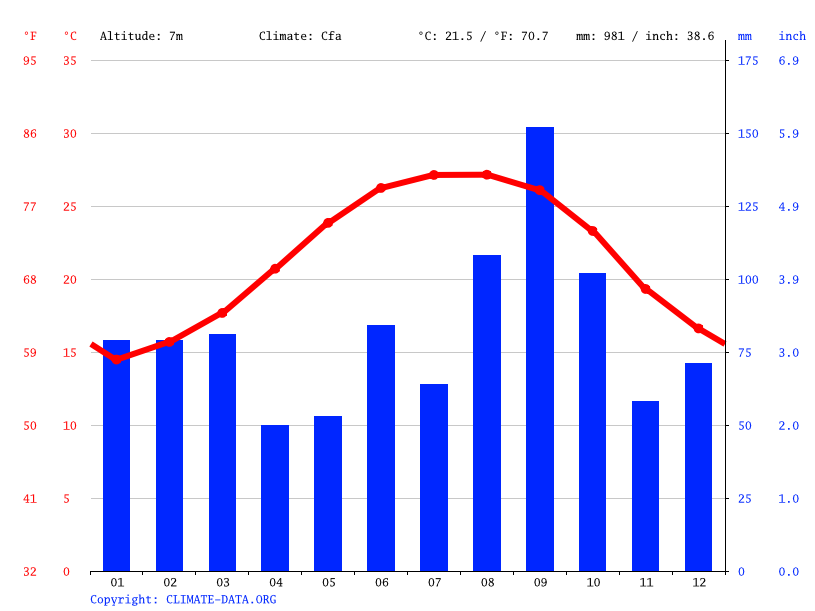
Understanding St. Augustine’s Climate Patterns
The climate of St. Augustine is characterized by two primary seasons: a warm, humid summer and a mild, drier winter. Spring and autumn serve as transition periods, offering some of the most sought-after weather for tourists. The city’s location on the northeastern coast of Florida means it’s susceptible to coastal influences, including sea breezes that can offer some respite from the summer heat.
Average Temperatures by Month
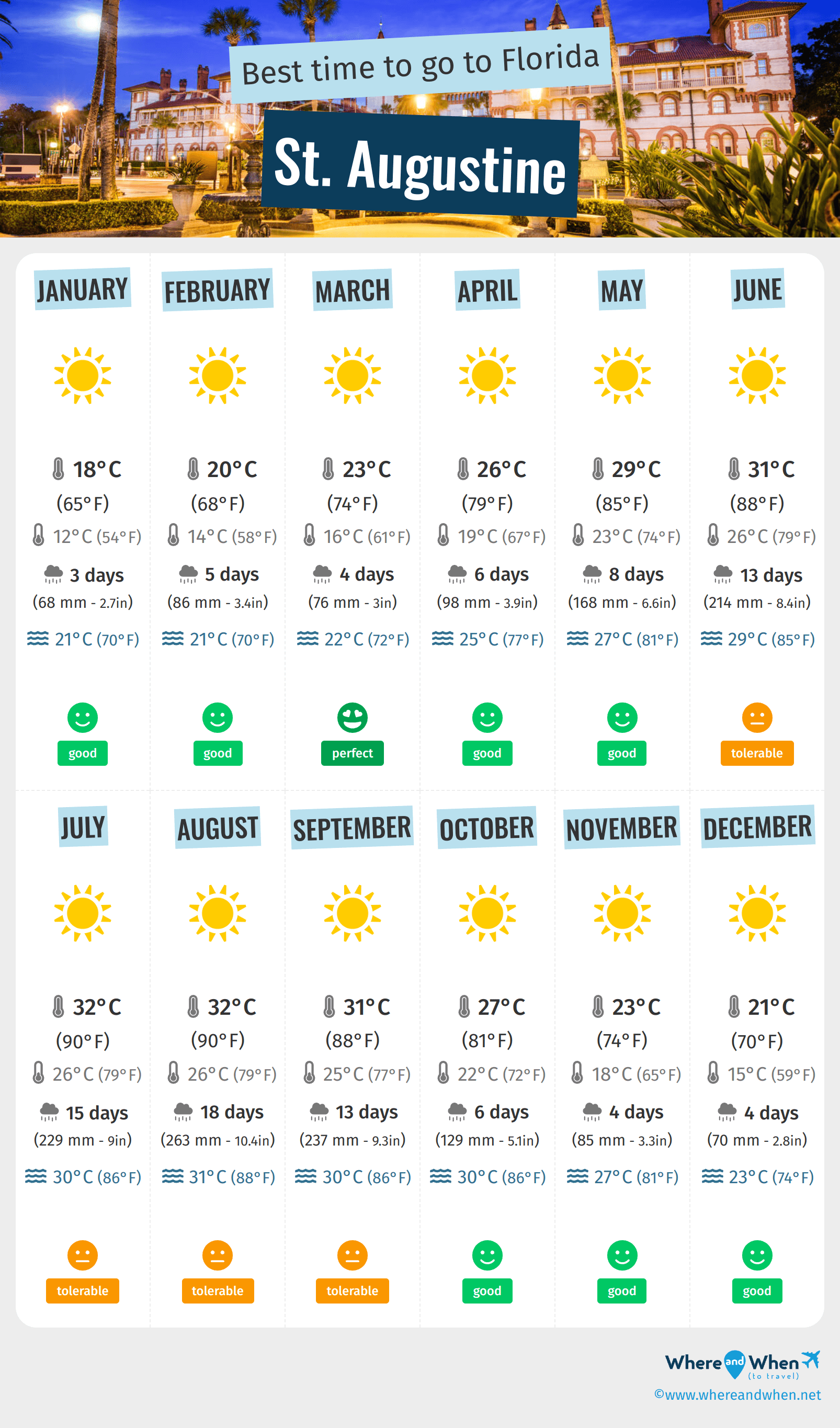
To provide a more granular understanding, let’s break down the average temperatures you can expect throughout the year:
- January: As the coolest month, January typically sees average high temperatures around 66°F (19°C) and average lows dipping to about 45°F (7°C). While it’s considered winter, frost is rare, and sunny days are common.
- February: February mirrors January’s mild conditions, with average highs near 69°F (21°C) and lows around 47°F (8°C). The days begin to lengthen, and the first hints of spring are often felt.
- March: Spring arrives in earnest with average highs climbing to 74°F (23°C) and lows around 52°F (11°C). This is a popular time for visitors as the weather becomes increasingly pleasant.
- April: April continues the warming trend, with average highs reaching 79°F (26°C) and lows of about 57°F (14°C). The city begins to buzz with activity as outdoor events and festivals become more frequent.
- May: May signals the start of warmer weather, with average highs around 84°F (29°C) and lows of 64°F (18°C). Humidity begins to increase, and the chance of afternoon showers rises.
- June: Summer officially begins in June, bringing hot and humid conditions. Average highs are typically 88°F (31°C), with lows around 70°F (21°C). Thunderstorms are a daily occurrence, usually in the late afternoon.
- July: July is generally the hottest month, with average highs holding steady at 89°F (32°C) and lows around 72°F (22°C). Humidity remains high, making the heat feel more intense.
- August: August is a close second to July in terms of heat and humidity. Average highs are around 89°F (32°C), with lows of 72°F (22°C). The storm patterns are similar to July.
- September: As summer begins to wane, September still offers warm temperatures, with average highs of 87°F (31°C) and lows of 70°F (21°C). The hurricane season is active, so monitoring weather forecasts is advisable.
- October: October marks a welcome return to more comfortable temperatures, with average highs near 81°F (27°C) and lows around 63°F (17°C). This is an ideal month for exploring historic sites like the Castillo de San Marcos without the oppressive heat.
- November: November continues the cooling trend, with average highs of 74°F (23°C) and lows of 54°F (12°C). The fall colors, though subtle in Florida, can be appreciated, and the crowds thin out.
- December: December brings mild winter weather. Average highs are around 69°F (21°C), with lows of 48°F (9°C). The city is beautifully decorated for the holidays, making it a festive time to visit.
Humidity and Rainfall
Humidity is a significant factor in St. Augustine, particularly during the summer months, often making the temperature feel higher than the thermometer indicates. Rainfall is distributed throughout the year, but it tends to be concentrated in the warmer months, often manifesting as brief, intense thunderstorms that clear the air afterward. Average annual rainfall is approximately 50 inches. While St. Augustine is not in the direct path of most hurricanes, it can experience tropical storm activity, especially from June through November, which is the Atlantic hurricane season. Visitors should always check weather advisories during this period.
Seasonal Travel Considerations
The temperature in St. Augustine, Florida dictates the best times to visit and how to prepare. Each season offers a unique perspective on this historic city.
Spring (March – May): The Sweet Spot
Spring is arguably the most pleasant season for visiting St. Augustine. The weather is mild and sunny, with temperatures gradually warming throughout the period. This is an ideal time for outdoor activities such as exploring the historic district, walking along St. George Street, or enjoying a horse-drawn carriage ride. The blooming flora adds to the city’s beauty. Pack light layers, including a sweater or light jacket for cooler evenings, and plenty of comfortable walking shoes. Sunscreen and a hat are essential as the sun can be strong.
Summer (June – August): Embracing the Heat

Summers in St. Augustine are hot and humid, with temperatures frequently in the high 80s and low 90s Fahrenheit. The afternoons are typically punctuated by thunderstorms, which can offer a temporary cool-down. Despite the heat, summer is a popular time for families due to school holidays. Visitors should focus on indoor attractions during the hottest parts of the day, such as the Lightner Museum or the St. Augustine Pirate & Treasure Museum. Hydration is key, so carry water bottles, and opt for breathable, light-colored clothing. Embrace the late afternoon showers as a chance to relax before enjoying the evening.
Autumn (September – November): A Gradual Cooling
As summer transitions into autumn, St. Augustine experiences a gradual cooling, making it another excellent time to visit. September can still feel summery, but by October and November, temperatures become significantly more comfortable. This period is perfect for leisurely strolls and exploring the outdoor historical sites without the intense heat. The threat of hurricanes is still present in early autumn, so staying informed about weather forecasts is important. Packing for autumn is similar to spring, with layers being the most practical approach.
Winter (December – February): Mild and Mellow
St. Augustine’s winters are mild, offering a welcome escape for those from colder climates. Daytime temperatures are often pleasant enough for sightseeing, though evenings can be cool. This is a less crowded time to visit, allowing for a more intimate experience of the city’s history and attractions. The holiday season brings a special charm with elaborate decorations, particularly along St. George Street and at the Castillo de San Marcos. Pack warmer clothing, including a jacket, and be prepared for potentially cooler mornings and evenings.
Preparing for Your Visit: Packing Essentials Based on Temperature
Knowing the typical temperatures in St. Augustine, Florida will significantly impact your packing strategy. A well-prepared traveler can turn a potentially uncomfortable weather situation into a seamless adventure.
Clothing Recommendations
- Summer: Lightweight, breathable fabrics such as cotton and linen are paramount. Think shorts, t-shirts, sundresses, and light, moisture-wicking activewear. A light rain jacket or poncho is a must for those sudden downpours.
- Spring/Autumn: Layers are your best friend. Bring a mix of t-shirts, long-sleeved shirts, a light sweater or fleece, and a versatile jacket. Comfortable walking pants or capris are suitable.
- Winter: While not cold by most standards, pack warmer layers. Long pants, sweaters, a medium-weight jacket, and perhaps a scarf for cooler evenings are recommended.
Footwear
Comfortable walking shoes are non-negotiable for exploring St. Augustine. Whether you choose sneakers, comfortable sandals, or walking boots, ensure they are well broken-in. Consider bringing water shoes if you plan on visiting any of the nearby beaches or engaging in water activities.
Sun Protection
The Florida sun can be intense year-round. Always pack sunscreen with a high SPF, a wide-brimmed hat, and sunglasses. Even on cooler days, the sun’s rays can cause sunburn, especially when reflecting off water or pavement.
Hydration and Other Essentials
- Reusable Water Bottle: Staying hydrated is crucial, especially during warmer months. A reusable water bottle allows you to refill and stay refreshed without contributing to waste.
- Insect Repellent: Mosquitoes can be present, particularly during the humid summer months and near marshy areas.
- Umbrella: A compact umbrella can be useful for both unexpected rain showers and as a sunshade.
By considering the temperature and weather patterns in St. Augustine, Florida, you can pack accordingly and ensure your visit to this captivating historic city is as comfortable and memorable as possible. From the balmy springs to the mild winters, each season offers its own unique appeal, making it a destination worth revisiting year-round.
LifeOutOfTheBox is a participant in the Amazon Services LLC Associates Program, an affiliate advertising program designed to provide a means for sites to earn advertising fees by advertising and linking to Amazon.com. Amazon, the Amazon logo, AmazonSupply, and the AmazonSupply logo are trademarks of Amazon.com, Inc. or its affiliates. As an Amazon Associate we earn affiliate commissions from qualifying purchases.