
Navigating time zones can often be a source of confusion for travelers heading into the American West. When planning a trip to Idaho, a state defined by its rugged mountains, sprawling wilderness, and unique geographical footprint, understanding the local clock is essential for coordinating flights, hotel check-ins, and guided tours. While many travelers assume a state operates on a single time zone, the reality in the Gem State is divided, making it a critical detail for any itinerary.
The Geographical Split: Mountain vs. Pacific Time
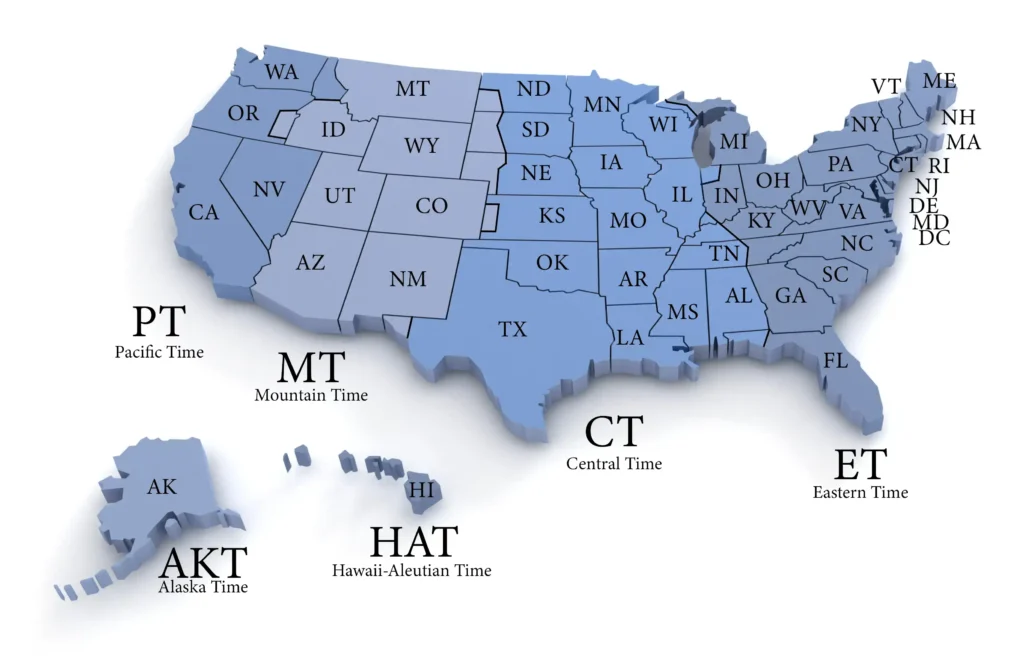
The primary reason for the temporal divide in Idaho lies in its geography. Because the state stretches significantly from its northern panhandle down to its southern border, it is legally split between two distinct time zones: the Mountain Time Zone and the Pacific Time Zone.

The Northern Panhandle and the Salmon River Boundary
For travelers visiting the northern reaches of the state—specifically Coeur d’Alene, Sandpoint, and Moscow—the clock follows Pacific Time. This region is physically and economically tethered more closely to Washington and the Pacific Northwest corridor. The boundary line that separates these zones is primarily defined by the Salmon River. If your travel plans involve crossing this natural barrier, be prepared for a one-hour shift in time, which can significantly impact your arrival times for dinner reservations or sunset excursions in the Bitterroot Range.
The Southern Heartland
Moving south of the Salmon River, the vast majority of the state, including the capital city of Boise, the outdoor haven of Sun Valley, and the scenic Twin Falls, operates on Mountain Time. This covers the expansive Snake River Plain and the Rocky Mountains to the east. For those flying into Boise Airport to visit the Sawtooth National Forest, keeping your devices synced to Mountain Standard Time is crucial for a stress-free transition.
Daylight Saving Time Considerations
Like most of the United States, Idaho observes Daylight Saving Time. This means that during the warmer months, the clock shifts forward by one hour, and during the winter, it falls back to standard time.
Planning Across Seasons
Whether you are visiting the Hells Canyon area in the height of summer or skiing the slopes of Schweitzer Mountain Resort in winter, the switch occurs simultaneously across both time zones within the state. Because the entire state transitions in unison, the one-hour difference between the northern panhandle and the southern territory remains constant throughout the year. However, travelers arriving from states that do not observe Daylight Saving Time, such as parts of Arizona, should be particularly mindful of their local clock versus their destination clock.
Technology and Automated Adjustments
In the modern era of travel, most smartphones and digital watches are programmed to detect changes in local time zones via GPS or cellular towers. When driving from Lewiston toward McCall, you may notice your phone automatically updating as you cross the Salmon River boundary. While this is helpful, it is always a best practice to keep a physical analog watch set to your home time and check the local time at your destination’s airport or hotel lobby to avoid missing scheduled shuttle departures or regional bus connections like those offered by Greyhound.
Managing Itinerary Logistics
When booking travel through Idaho, the “what time is it” question is more than a simple curiosity—it is a functional necessity for logistics.
Flight Connections and Ground Transportation
If you have a multi-stop trip planned that involves flying into Spokane International Airport (located in Washington) to reach Northern Idaho and then connecting to a regional flight in Boise, you must account for the time zone change. A morning flight in Coeur d’Alene may feel like a quick hop, but you will arrive in the southern part of the state having “lost” an hour. Always double-check your departure tickets, as they are typically listed in the local time of the departure airport.
Coordinated Excursions and Guided Tours
Many travelers visit Idaho to participate in specific outdoor activities, such as whitewater rafting on the Salmon River or guided trekking through Craters of the Moon National Monument and Preserve. Tour operators in the Pacific Time zone of the state will operate on a different schedule than those located near Idaho Falls. If you are meeting a group, confirm the time zone explicitly to prevent arriving an hour early or, worse, an hour late.

Tips for a Seamless Experience
To ensure your journey through the Gem State remains focused on exploration rather than synchronization, keep these tips in mind:
- Label Your Itinerary: When drafting your trip schedule, note the time zone next to each location. For example, mark “Sandpoint (PST)” versus “Sun Valley (MST).”
- Prioritize Local Time: Always set your hotel alarm clocks to the local time of your current accommodation immediately upon arrival. Most modern hotels, such as the The Grove Hotel, offer digital clocks that are easily adjustable.
- Buffer Time: If you are traveling between the two zones, plan for a “buffer hour.” Whether you are driving or taking a bus, having that extra sixty minutes provides a safety net if your GPS fails or if road conditions in the Clearwater Mountains prove more challenging than expected.
- Researching Sunset Times: If your goal is photography or wildlife watching in places like Yellowstone National Park—which sits partially in Idaho—be aware that the Mountain Time zone dictates the light cycle. Checking the local sunset and sunrise times for your specific coordinates will help you maximize your time in the wilderness.
Ultimately, Idaho is a state that rewards those who are prepared. By acknowledging its unique time zone split, you free yourself from the worry of being out of sync with your environment. Whether you are catching a sunrise over the Tetons or enjoying a quiet evening in the panhandle, knowing exactly what time it is allows you to fully immerse yourself in the natural wonders that make this state a premiere destination for travelers seeking adventure in the great American West.
LifeOutOfTheBox is a participant in the Amazon Services LLC Associates Program, an affiliate advertising program designed to provide a means for sites to earn advertising fees by advertising and linking to Amazon.com. Amazon, the Amazon logo, AmazonSupply, and the AmazonSupply logo are trademarks of Amazon.com, Inc. or its affiliates. As an Amazon Associate we earn affiliate commissions from qualifying purchases.