
For any traveler journeying to the “Theme Park Capital of the World,” understanding the daily weather forecast in Orlando, Florida, is paramount to planning an enjoyable and comfortable experience. While the specific forecast for “today” is dynamic and requires real-time consultation, a comprehensive guide to Orlando’s climate and how it impacts your travel plans offers invaluable insight. Orlando, nestled in the heart of Florida, boasts a humid subtropical climate, characterized by hot, humid summers and mild, dry winters. This consistent pattern shapes everything from your packing list to your itinerary, making weather a central consideration for any visitor.

Navigating Orlando’s Climate: A Traveler’s Overview
Orlando’s weather largely dictates the rhythm of travel throughout the year. Knowing what to generally expect season by season can significantly enhance your trip, allowing you to prepare adequately for sunshine, warmth, or the occasional afternoon shower.
Seasonal Variations and What to Expect
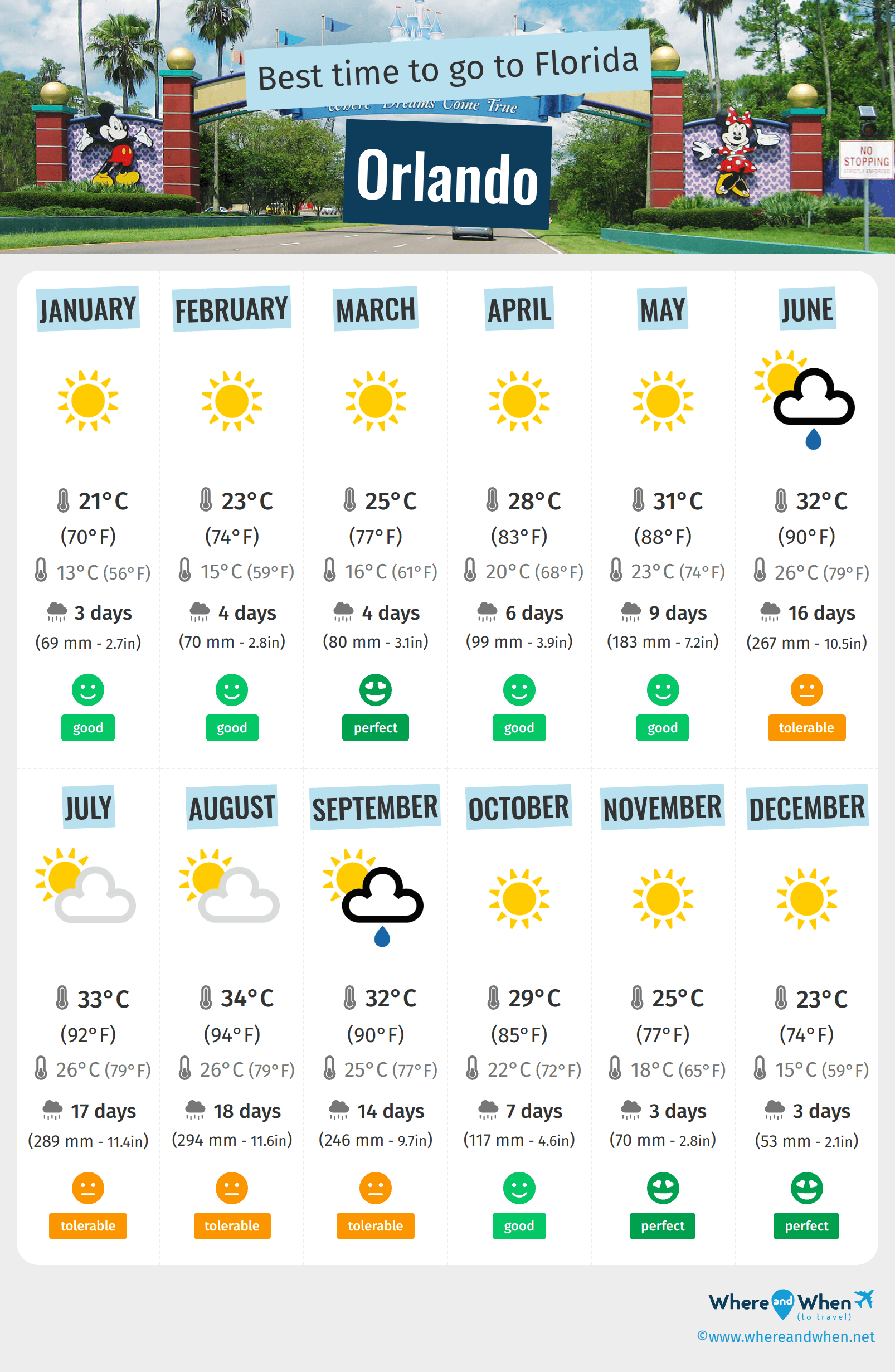
Summer (June to September): This is Orlando’s peak heat and humidity season. Daily high temperatures consistently reach into the low to mid-90s Fahrenheit (32-35°C), often feeling even hotter due to high humidity. Overnight lows typically remain in the mid-70s Fahrenheit (24-25°C). Sunshine is abundant, but these months are also marked by frequent afternoon thunderstorms, which are usually brief but intense. Despite the heat, summer is a popular time for families, aligning with school holidays.
Fall (October to November): As summer transitions to fall, Orlando experiences some of its most pleasant weather. Temperatures begin to cool, with highs in the high 70s to low 80s Fahrenheit (25-29°C) and comfortable lows in the 60s Fahrenheit (15-20°C). Humidity drops significantly, and the frequency of rain decreases, making these months ideal for outdoor activities and theme park visits. The risk of tropical storms, while present earlier in the season, also diminishes.
Winter (December to February): Orlando’s winters are remarkably mild and often sunny, attracting visitors seeking an escape from colder northern climates. Highs generally range from the high 60s to low 70s Fahrenheit (18-23°C), with nights cooling down to the 40s or 50s Fahrenheit (4-10°C). Cold fronts can occasionally bring chillier temperatures, sometimes dipping below freezing overnight, though this is rare during the day. Rainfall is at its lowest during these months, offering many clear, comfortable days perfect for exploring.
Spring (March to May): Spring in Orlando is a delightful bridge between the mild winter and hot summer. Temperatures gradually rise, with highs moving from the low 70s to high 80s Fahrenheit (22-31°C) and pleasant evenings. Humidity remains relatively low compared to summer, and rainfall is still infrequent, though it starts to increase towards late May. Spring breaks and Easter holidays see a surge in visitors, drawn by the beautiful weather.
Humidity and Rainfall Patterns
Humidity is a defining characteristic of Orlando’s climate, particularly from late spring through early fall. The high moisture content in the air can make warm temperatures feel even more oppressive, impacting comfort levels and requiring increased hydration. Travelers should be prepared for this pervasive humidity, especially if not accustomed to it.
Rainfall in Orlando follows a distinct seasonal pattern. The wet season, from June to September, accounts for the majority of the annual precipitation. During these months, it’s common for clear, sunny mornings to give way to dramatic afternoon thunderstorms. These storms typically roll in quickly, deliver heavy rain and lightning for 30-60 minutes, and then clear out just as fast, often leaving behind refreshed air and beautiful sunsets. While they can temporarily disrupt outdoor plans, they are a predictable part of the summer climate and rarely last all day. The dry season, from October to May, sees much less rainfall, with fewer interruptions to outdoor activities.
Planning Your Day: Weather-Wise Activities in Orlando
Understanding the daily forecast allows travelers to optimize their time and make the most of Orlando’s myriad attractions, from theme parks to nature preserves.
Theme Park Strategies for Sunny Days
On bright, sunny days, especially during warmer months, strategic planning is key for visits to major attractions like Walt Disney World Resort, Universal Orlando Resort, or SeaWorld Orlando.
- Early Starts: Arrive at the parks as soon as they open to enjoy cooler temperatures and lighter crowds. Tackle popular outdoor rides and attractions first.
- Seek Shade and Indoor Attractions: Plan to transition to indoor shows, air-conditioned restaurants, or shaded queues during the hottest parts of the day, typically between 1 PM and 4 PM. Many rides at Universal Orlando Resort and Walt Disney World Resort are indoors or offer covered waiting areas.
- Water Attractions: Utilize water rides or visit a water park like Typhoon Lagoon, Blizzard Beach, or Volcano Bay to cool off.
- Mid-Day Breaks: Consider leaving the park in the afternoon for a swim at your hotel pool or a relaxing meal before returning in the evening when temperatures drop.
Navigating Afternoon Showers
Summer afternoons often bring a chance of thunderstorms. While these can be frustrating, they don’t have to derail your day.
- Monitor Forecasts: Keep an eye on local weather radar using a reliable app.
- Indoor Alternatives: Have a list of indoor shows, shops, or dining options ready as a backup plan. Many major Orlando parks are well-equipped with extensive indoor spaces.
- Rain Gear: Carry lightweight ponchos or umbrellas. They are much cheaper bought in advance than inside the parks.
- Embrace the Rain: Sometimes, a sudden downpour can thin out crowds, offering a unique opportunity to experience less popular rides with shorter waits once the rain subsides. Rides that close for lightning typically reopen quickly.
Evening Entertainment and Cooler Temperatures
Evenings in Orlando, especially outside of summer, offer a pleasant respite from the daytime heat.
- Theme Park Evenings: This is an ideal time for parades, fireworks spectaculars (like those at Magic Kingdom or Epcot), and outdoor dining. The cooler air makes walking around much more comfortable.
- Dining and Entertainment Districts: Explore International Drive, Disney Springs, or Universal CityWalk for a variety of restaurants, shops, and live entertainment. These areas are especially vibrant in the cooler evening air.
- Outdoor Activities: Consider evening strolls around Lake Eola Park downtown or a ride on The Wheel at ICON Park for panoramic views of the city lights.
Packing Essentials and Preparation Tips
Preparing your luggage with Orlando’s climate in mind is crucial for a comfortable trip, regardless of the season.
Wardrobe for Warm Weather
- Lightweight, Breathable Fabrics: Cotton, linen, and moisture-wicking synthetic blends are ideal for staying cool and managing humidity.
- Loose-fitting Clothing: Helps with air circulation and comfort.
- Swimwear: A must for hotel pools, water parks, and even cooling off in splash pads at theme parks.
- Comfortable Walking Shoes: You’ll be doing a lot of walking, so prioritize comfort over style. Breathable sneakers or sandals are best. Avoid new shoes that haven’t been broken in.
- Hats and Sunglasses: Essential for protecting against the strong Florida sun.
Sun Protection and Hydration
The Florida sun is intense year-round.
- High SPF Sunscreen: Apply liberally and reapply frequently, especially after sweating or getting wet. Even on cloudy days, UV rays are potent.
- Hydration: Drink plenty of water throughout the day. Dehydration can quickly set in, particularly during the hot, humid months. Carry a reusable water bottle; many parks offer free water refills at quick-service restaurants. Electrolyte packets can also be beneficial.
Rain Gear and Contingency Plans
Even during the dry season, a sudden shower isn’t impossible.
- Lightweight Rain Jacket or Poncho: Easily packable and crucial for unexpected downpours.
- Waterproof Bag/Cover: To protect electronics, cameras, and important documents from rain.
- Change of Clothes: Especially for children, having a dry set of clothes can be a lifesaver after a sudden soaking.
Beyond the Forecast: Real-Time Weather Resources
While general climate knowledge is helpful, the most effective travel planning hinges on access to accurate, up-to-the-minute weather information for your specific travel dates.
Reliable Weather Apps and Websites
Before and during your trip, rely on reputable sources for the daily forecast. The National Weather Service (NOAA) provides comprehensive data. Many popular weather apps (e.g., AccuWeather, The Weather Channel) offer detailed hourly and daily forecasts, including radar, temperature, humidity, and chance of precipitation. Setting Orlando as a favorite location in your app will ensure quick access to current conditions and alerts.
On-Site Weather Considerations at Attractions
Theme parks and other large attractions often have their own weather policies.
- Ride Closures: Outdoor rides, especially those that go high in the air, typically close during lightning storms or high winds for safety. They generally reopen once conditions are safe.
- Show Cancellations: Outdoor parades and fireworks may be delayed or canceled due to severe weather.
- Informational Displays: Many parks provide real-time weather updates and announcements regarding ride status via their official apps or in-park signage.

Staying Safe During Inclement Weather
While severe weather like hurricanes is rare and typically well-forecasted, heavy thunderstorms can still pose risks.
- Lightning Safety: When thunder roars, go indoors! Seek shelter in a sturdy building. Do not stand under trees or in open fields.
- Hurricane Season: Orlando is inland, but it can still be affected by hurricanes from June 1st to November 30th. While direct hits are infrequent, heavy rain, wind, and park closures can occur. It’s advisable to purchase travel insurance during this period and stay informed about any potential storm developments.
Ultimately, Orlando’s weather is an integral part of its travel allure. By understanding its patterns and preparing accordingly, visitors can ensure that their focus remains on enjoying the magic and excitement that this vibrant Florida destination has to offer.
LifeOutOfTheBox is a participant in the Amazon Services LLC Associates Program, an affiliate advertising program designed to provide a means for sites to earn advertising fees by advertising and linking to Amazon.com. Amazon, the Amazon logo, AmazonSupply, and the AmazonSupply logo are trademarks of Amazon.com, Inc. or its affiliates. As an Amazon Associate we earn affiliate commissions from qualifying purchases.