
The Alamo stands as a beacon of Texan history and a paramount landmark, deeply etched into the collective memory of the United States. Originally established as a Spanish mission, its most famous role unfolded during the Texas Revolution, where it became the site of a pivotal battle. Today, it is much more than just a historical ruin; it is a meticulously preserved monument, a symbol of courage and sacrifice, and a must-visit destination for anyone seeking to understand the spirit of Texas.
A Legacy Forged in Conflict and Faith
The story of the Alamo begins not with rebellion, but with faith and settlement. Founded in 1718 by Spanish Franciscan missionaries, its original purpose was to spread Catholicism and Spanish influence among the indigenous Native American tribes in the region. It was part of a network of missions established across Texas and California to civilize and Christianize the native populations. For over a century, the mission served its religious and agricultural duties, its walls witnessing the ebb and flow of colonial life.

From Mission to Military Outpost
The transition from a peaceful mission to a fortified military outpost marked a significant turning point in the Alamo’s history. As tensions escalated between the Mexican government and American settlers in Texas, the strategic location of the former mission became increasingly valuable. In the early 1830s, Mexican forces under General Santa Anna took control of the compound, reinforcing its walls and preparing it for potential conflict. This strategic repositioning set the stage for the legendary siege that would define the Alamo for generations to come.
The Siege and Battle of the Alamo
The most iconic chapter in the Alamo’s narrative is undoubtedly the 13-day siege and battle that occurred in February and March of 1836. A small group of Texian defenders, numbering around 200, including renowned figures like William B. Travis, James Bowie, and Davy Crockett, held out against a vastly superior Mexican army of thousands. Despite overwhelming odds, the defenders fought fiercely, delaying Santa Anna’s advance and rallying support for the revolutionary cause. The battle ended in a decisive defeat for the Texians, with nearly all defenders perishing. However, their sacrifice became a powerful rallying cry, immortalized in the phrase “Remember the Alamo!” which fueled the Texian victory at the Battle of San Jacinto just weeks later, securing Texas’ independence.
Experiencing the Alamo Today
Visiting the Alamo in modern times offers a profound journey into history, allowing visitors to walk the hallowed grounds where so much courage was displayed. The site has been carefully preserved and developed into a world-class historical park, providing an immersive and educational experience for all ages. Located in the heart of San Antonio, the Alamo is more than just a collection of old buildings; it is a living testament to the enduring spirit of Texas.
What to See and Do
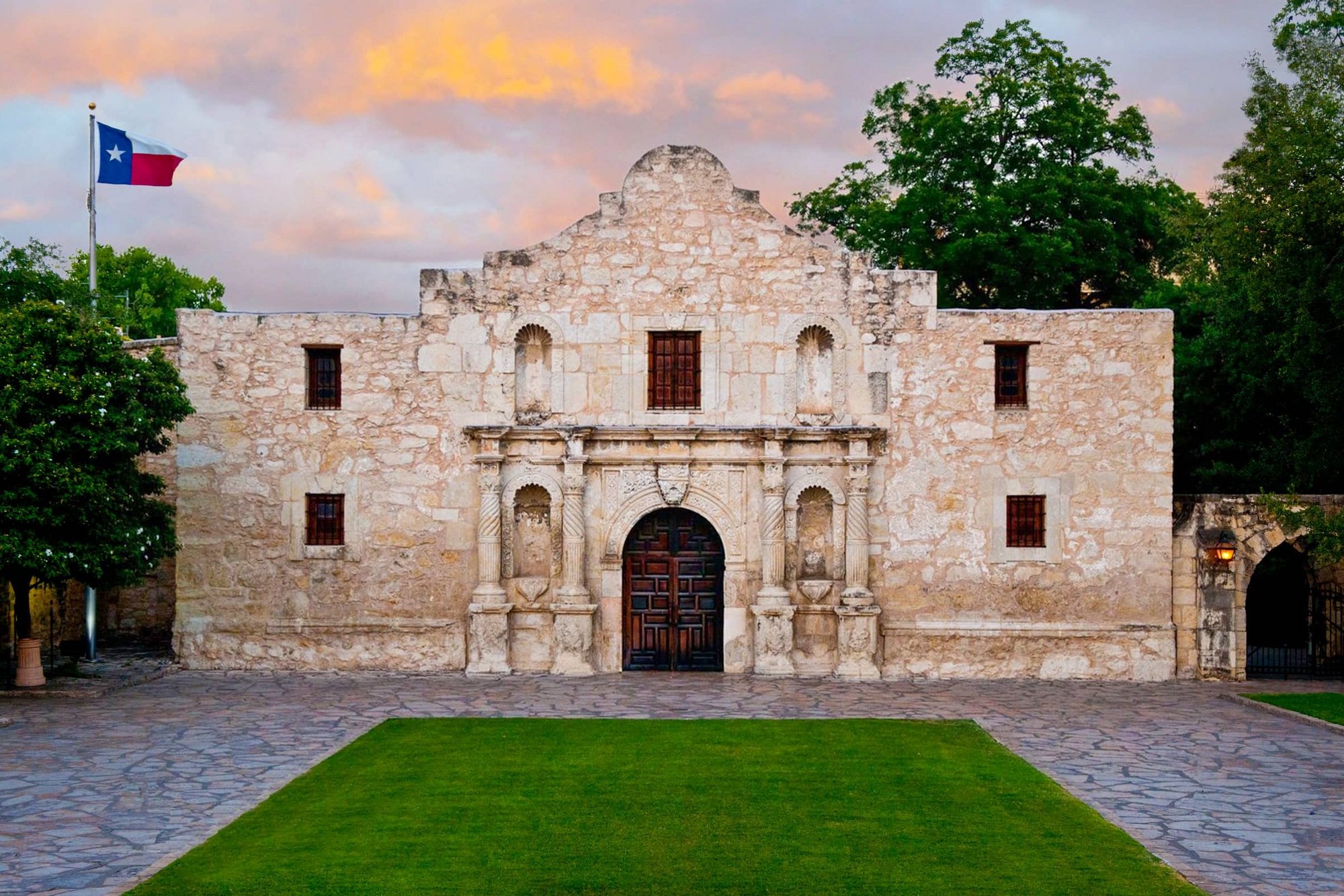
The primary draw is, of course, the iconic Alamo Church, the most recognizable structure and the site of intense fighting. Visitors can explore the interior of the church, which houses exhibits detailing its history and the events of the siege. Adjacent to the church is the Long Barrack Museum, which was once part of the original mission’s living quarters and defensive structures. This museum offers a deeper dive into the lives of those who lived and fought here, with artifacts and displays that bring the past to life.
Beyond these core structures, the Alamo grounds are a place for reflection. The beautifully maintained gardens and plazas provide a peaceful setting to contemplate the site’s significance. Interpretation panels are strategically placed throughout the park, offering insights into the various periods of the Alamo’s history, from its mission days through its military and revolutionary roles.
Interactive and Educational Opportunities
The Alamo is committed to education, offering a range of programs and resources for visitors. Guided tours led by knowledgeable docents provide in-depth narratives and answer questions, enhancing the visitor’s understanding. Educational programs are available for school groups, making it a valuable field trip destination. The official Alamo website and visitor center are excellent resources for planning your visit, often featuring timelines, historical overviews, and information on special events or exhibits. Audio tours are also frequently available, allowing for self-paced exploration with detailed historical context.
Planning Your Visit
Given its status as a major historical landmark and tourist attraction, planning your visit to the Alamo is recommended. The site is located in downtown San Antonio, making it easily accessible by public transportation and within walking distance of many other attractions and hotels in the area. Free admission to the Alamo grounds and church ensures that this pivotal piece of history is accessible to everyone. However, there may be fees for certain special exhibits or guided experiences, so checking the official Alamo website for current information on hours of operation, admission policies, and any special events is advisable. Wear comfortable shoes, as you’ll be doing a fair amount of walking, and consider visiting during weekdays or off-peak seasons to avoid larger crowds.
The Alamo’s Enduring Symbolism
The Alamo transcends its physical form to represent profound ideals. It has become a powerful symbol of resistance against overwhelming odds, of the fight for liberty, and of the sacrifices made for freedom. This symbolism resonates deeply within Texas, where it is considered the birthplace of the state’s spirit, and throughout the United States, as a reminder of the cost of independence and the bravery of those who defended it.
A Symbol of Courage and Sacrifice
The bravery displayed by the defenders of the Alamo, knowing they faced almost certain death, has inspired countless individuals and movements. Their stand against a tyrannical force has cemented their place in history as heroes, whose names are invoked whenever the struggle for freedom is discussed. The phrase “Remember the Alamo!” itself is a powerful exhortation to recall their valor and the principles for which they fought.
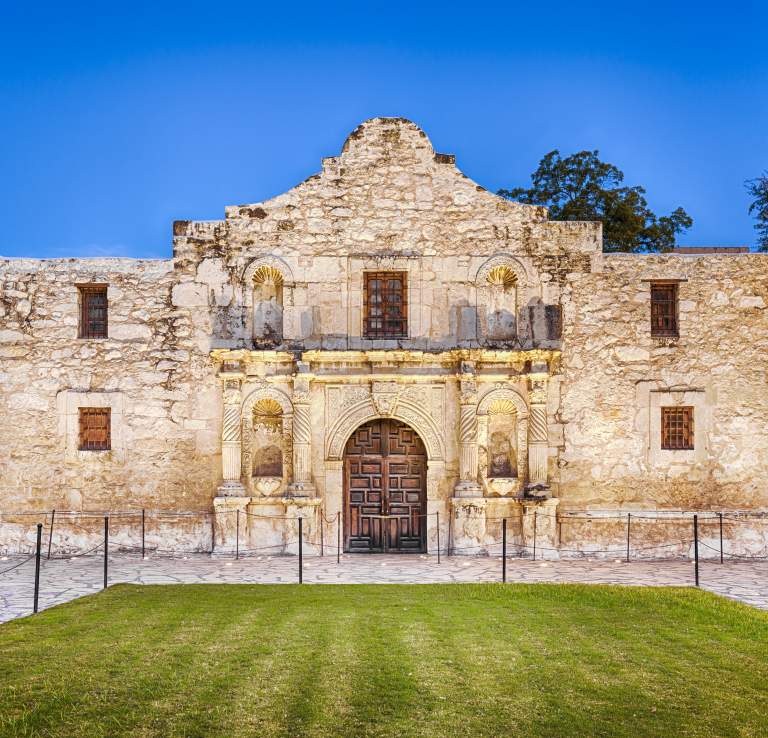
Cultural Impact and Preservation Efforts
The enduring legacy of the Alamo is evident in its pervasive presence in popular culture, literature, and art. Its story has been retold in films, books, and songs, ensuring its narrative continues to captivate new generations. Beyond its cultural impact, significant efforts are dedicated to its preservation. As a National Historic Landmark, the Alamo is a critical component of Texas’s heritage tourism and is managed by the Texas General Land Office, with ongoing projects aimed at restoring and maintaining the site for future visitors. These preservation efforts are crucial for safeguarding not just the physical structures, but the very essence of the history and lessons embodied within its walls. The ongoing commitment to preserving the Alamo underscores its importance as a national treasure and a vital educational resource for understanding the foundational narratives of American history.
LifeOutOfTheBox is a participant in the Amazon Services LLC Associates Program, an affiliate advertising program designed to provide a means for sites to earn advertising fees by advertising and linking to Amazon.com. Amazon, the Amazon logo, AmazonSupply, and the AmazonSupply logo are trademarks of Amazon.com, Inc. or its affiliates. As an Amazon Associate we earn affiliate commissions from qualifying purchases.