
Understanding the weather in Buffalo, New York, requires more than a quick glance at a smartphone application. Known for its proximity to the majestic Niagara Falls and its position at the eastern tip of Lake Erie, this city experiences a distinct climate dictated by its geographical surroundings. Whether you are planning a weekend getaway or a longer visit to the United States, knowing how the atmosphere influences your itinerary is essential for an enjoyable trip.
The Impact of Geography on Local Climate
The weather in this region is primarily driven by “lake-effect” meteorology. Because the city sits right on the edge of a massive body of water, the temperature and moisture content of the air are constantly being moderated by the lake.
Lake Effect Dynamics
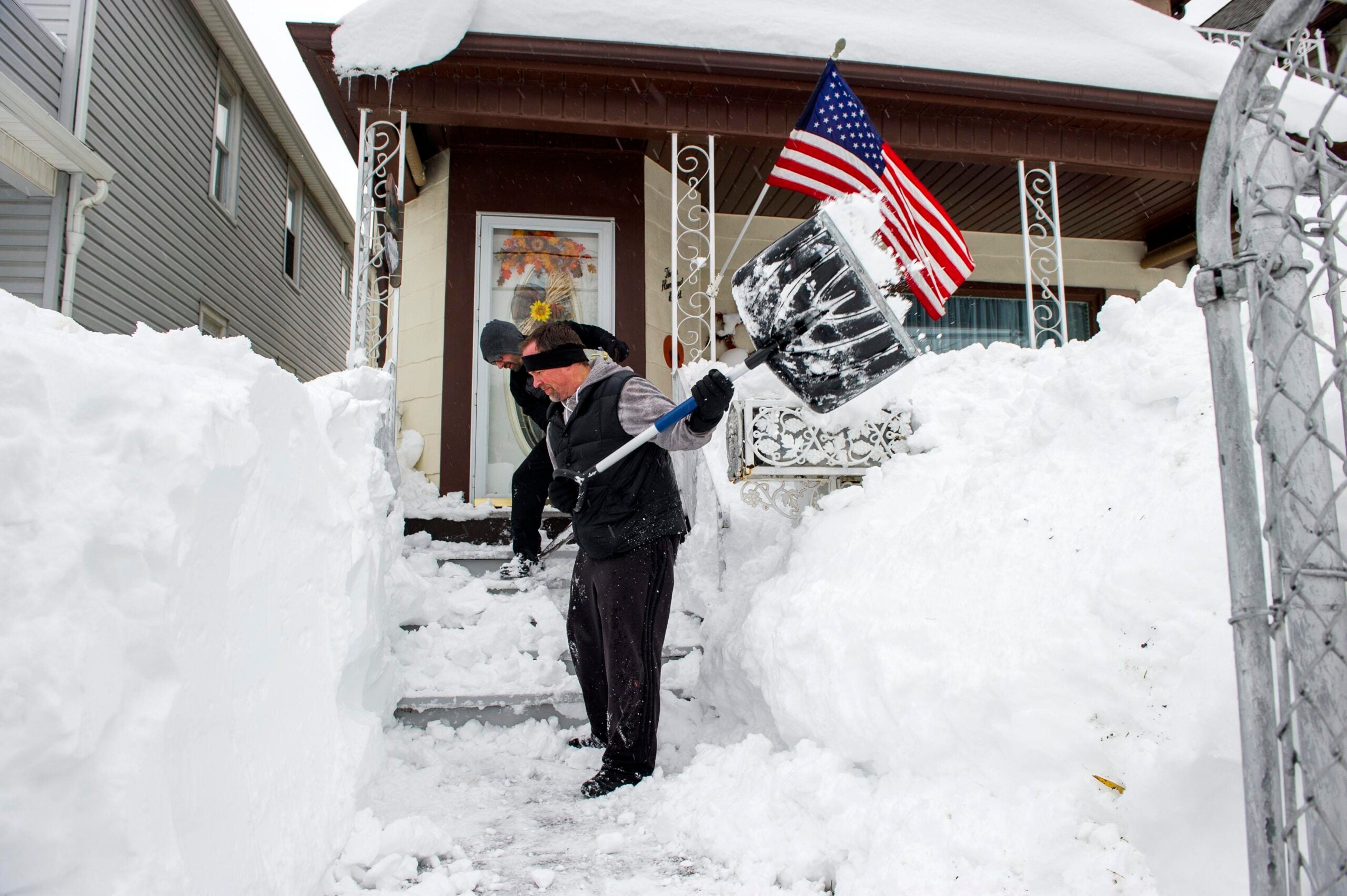
During the winter months, cold air masses from Canada move across the relatively warmer waters of the lake, picking up moisture that eventually turns into heavy snowfall. While this phenomenon is what Buffalo is most famous for, it creates a unique environment for winter sports enthusiasts who frequent the nearby slopes.
Seasonal Transitions
Spring and autumn in this part of New York are transitional periods. The lake acts as a thermal buffer, keeping the city cooler in the early spring and warmer throughout the late autumn compared to inland areas. These seasons are often considered the most pleasant times for walking tours through Elmwood Village or visiting the Buffalo Zoo.
Navigating the Seasonal Variations
A traveler’s experience in the city is defined entirely by the time of year they choose to arrive. The climate dictates everything from the clothing you should pack to the accessibility of local attractions.
Winter: A Wonderland or a Challenge?
If you arrive during the colder months, be prepared for significant snow accumulation. The city is exceptionally well-equipped to handle winter, with efficient infrastructure that keeps life moving even during heavy storms. This is the perfect time for those who enjoy the crisp, aesthetic beauty of a snow-covered Delaware Park. The cold weather brings out the best in the local hospitality scene, where cozy restaurants and heated indoor venues become the primary social hubs.

Summer: The Ideal Time for Exploration
Summers are generally mild and comfortable, characterized by low humidity and refreshing breezes coming off the water. This is when the city truly opens up. Outdoor events at Canalside come to life, and residents take full advantage of the sunshine. It is the best period for architecture enthusiasts to tour the Darwin D. Martin House without worrying about inclement weather affecting the walk between buildings.
Tips for Planning Your Visit
Because the climate can be unpredictable, flexibility is the hallmark of a successful trip to Buffalo. A clear sky in the morning does not always guarantee a calm afternoon, especially near the Niagara River.
Strategic Packing
Regardless of the forecast, layering is the most effective approach for any traveler. Even in the summer, evenings can become cool due to the breeze off Lake Erie. Bringing a lightweight, waterproof shell is advisable throughout the year, as rain showers can move in quickly from the west. If you are visiting in winter, ensure your footwear is waterproof and offers good traction, as clearing sidewalks is a constant process for local businesses.
Leveraging Indoor Attractions
One of the best strategies for dealing with atmospheric volatility is to build an itinerary that includes both indoor and outdoor activities. Should the weather turn sour, the Albright-Knox Art Gallery or the Buffalo Museum of Science offer world-class cultural experiences that remain entirely unaffected by the conditions outside. By keeping these locations in mind, you ensure that your vacation remains productive regardless of the local meteorology.
Why the Weather Defines the Local Character
The environment has shaped the identity of this New York city. The resilience required to navigate these seasonal changes has fostered a community that is both welcoming and hardy. Visitors often find that the locals take a certain pride in the climate; it is a shared experience that connects everyone in the Buffalo area.
Resilience and Adaptation
The city has evolved to embrace its climate. Whether through the innovative heating systems used in public spaces or the architectural styles that have historically protected homes from the wind and snow, the history of the region is deeply tied to how people have adapted to their surroundings.

Embracing the Elements
As a traveler, the best way to enjoy your time is to lean into the reality of the forecast. If it is snowing, embrace the cozy atmosphere of a local pub or cafe. If it is sunny, get out to the waterfront or explore the historic neighborhoods. The atmosphere here is not an obstacle; it is a fundamental part of the experience. By understanding the patterns and planning accordingly, you will find that the weather becomes part of the charm rather than a deterrent. Always verify current conditions before setting out for a day at Niagara Falls State Park, as visibility and wind speeds can change quickly near the cascades, but the beauty of the site remains consistent in almost every type of weather.
Ultimately, the best approach is to stay informed through local sources once you arrive. The proximity to the Great Lakes means that the most accurate reports are usually those provided by local meteorologists who understand the nuances of this specific microclimate. Enjoy your time, keep your coat handy, and appreciate the unique, ever-changing scenery that makes this region so iconic.
LifeOutOfTheBox is a participant in the Amazon Services LLC Associates Program, an affiliate advertising program designed to provide a means for sites to earn advertising fees by advertising and linking to Amazon.com. Amazon, the Amazon logo, AmazonSupply, and the AmazonSupply logo are trademarks of Amazon.com, Inc. or its affiliates. As an Amazon Associate we earn affiliate commissions from qualifying purchases.