
When planning a visit to Syracuse, New York, understanding the local weather is paramount to ensuring a comfortable and enjoyable experience. This vibrant city, nestled in the heart of Onondaga County, experiences a distinct four-season climate, each offering its own unique charm and set of considerations for travelers. From the warmth of summer to the crispness of fall, the chill of winter, and the renewal of spring, knowing what to expect allows for better packing, activity planning, and overall preparedness. This guide delves into the typical weather patterns of Syracuse, offering insights that will help you make the most of your journey, regardless of when you choose to visit.

Understanding Syracuse’s Seasonal Climate
Syracuse, New York, is known for its pronounced seasonal changes, a characteristic of its humid continental climate. This means warm, often humid summers and cold, snowy winters. The transition between these seasons can also bring its own weather phenomena. Understanding these broad strokes is the first step to navigating the city’s atmospheric conditions.
Spring: A Season of Awakening and Variability
Spring in Syracuse is a period of transition, typically beginning in March and extending through May. While the early days of spring can still carry a wintery bite, the latter half sees a noticeable warming trend. Average temperatures gradually rise, moving from the low 40s Fahrenheit in early March to the low 70s by the end of May.
One of the defining features of a Syracuse spring is its variability. It’s not uncommon to experience a wide range of temperatures and conditions within a single week. Days can be sunny and mild, perfect for exploring outdoor attractions like the Erie Canal Museum or taking a stroll through Burnet Park, only to be followed by cooler, overcast days with intermittent rain. Snowfall is possible even into April, though it is less frequent and usually melts quickly.
The amount of rainfall typically increases as spring progresses, nourishing the awakening plant life. This makes it an ideal time for those who appreciate lush greenery and blooming flowers, perhaps at the Clark Reservation State Park. However, it also means that rain gear – an umbrella and a waterproof jacket – should be a staple in your packing list.
Key Spring Considerations:
- Temperature Fluctuations: Pack layers. Mornings can be cool, while afternoons can become quite pleasant.
- Rainfall: Be prepared for wet weather. Waterproof footwear and a reliable umbrella are essential.
- Daylight Hours: Daylight hours increase significantly, offering more time for exploration.
- Outdoor Activities: As the weather stabilizes, outdoor activities become increasingly appealing.
Summer: Warmth, Sunshine, and Occasional Thunderstorms
Summer in Syracuse, generally from June to August, brings the warmest temperatures of the year. Average daily highs typically range from the mid-70s to the low 80s Fahrenheit, with occasional heatwaves pushing temperatures into the 90s. Humidity can be a factor, especially during July and August, making the air feel warmer and potentially more uncomfortable for those not accustomed to it.
Summer is a prime time for outdoor adventures in and around Syracuse. The Onondaga Lake Park offers ample opportunities for cycling, walking, and picnicking under the summer sun. The city also hosts numerous festivals and outdoor events, taking advantage of the pleasant weather. The evenings are generally mild and comfortable, perfect for enjoying al fresco dining or attending an outdoor concert.
While summer is largely characterized by sunshine, it is also susceptible to thunderstorms. These can develop quickly, particularly in the afternoon, bringing heavy rain, lightning, and sometimes strong winds. These storms are usually short-lived but can cause temporary disruptions. It’s always wise to check the weather forecast before embarking on any extended outdoor activity.
Key Summer Considerations:
- Warm Temperatures: Lightweight, breathable clothing is recommended. Sunscreen, hats, and sunglasses are crucial for sun protection.
- Humidity: Stay hydrated, especially during warmer days.
- Thunderstorms: Monitor weather forecasts for potential afternoon storms.
- Peak Season: Summer is a popular time to visit, so booking accommodations and popular attractions in advance is advisable.
Fall: A Tapestry of Colors and Crisp Air
The transition from summer to winter is heralded by fall in Syracuse, typically spanning September, October, and November. This season is renowned for its breathtaking autumn foliage, transforming the surrounding landscapes into a vibrant spectacle of red, orange, and yellow. The air becomes crisp and cool, offering a refreshing change from the summer heat.
September often retains some of the warmth of late summer, with average highs in the 70s Fahrenheit. However, as October progresses, temperatures begin to drop noticeably, with average highs falling into the 50s and 60s. By November, the chill of winter is palpable, with average highs in the 40s.
Fall is an excellent time for outdoor exploration, particularly for leaf-peeping. Scenic drives through the Adirondack Mountains or visits to local farms for apple picking and pumpkin patches are popular activities. The crisp air makes hiking and exploring areas like the Chittenango Falls State Park particularly enjoyable.
Rainfall is moderate during the fall, but fog can be a common occurrence, especially in the mornings. As the season progresses towards winter, the possibility of the first snowfall increases, typically starting in late November.
Key Fall Considerations:
- Cooling Temperatures: Layering is key. Include sweaters, light jackets, and perhaps a warmer coat as the season advances.
- Foliage: This is the prime time to witness the stunning autumn colors.
- Rain and Fog: Pack a waterproof jacket and be prepared for potentially foggy conditions.
- Harvest Season: Enjoy local produce and fall-themed events.
Winter: Snow, Ice, and Cozy Indoors
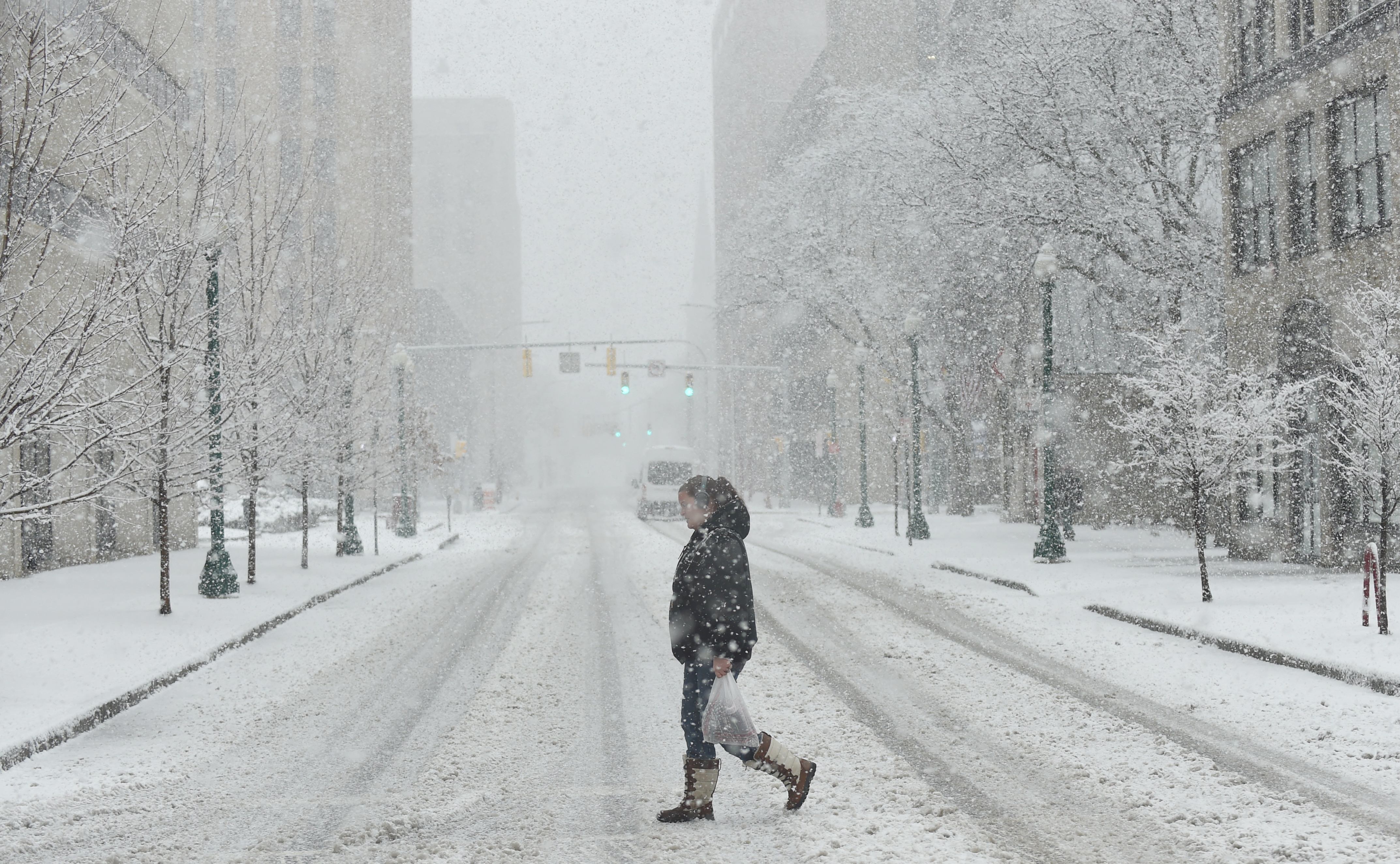
Winter in Syracuse, from December through February, is undeniably cold and often snowy. The city is known for receiving significant snowfall, making it a winter wonderland for some and a challenge for others. Average daily temperatures hover in the 20s and 30s Fahrenheit, with frequent dips below freezing.
Snowfall is a defining characteristic of a Syracuse winter. The city can experience heavy snowstorms, contributing to its reputation as one of the snowiest cities in the United States. This makes it an opportune time for winter sports enthusiasts. Ski resorts are within driving distance, and local parks may offer opportunities for cross-country skiing or snowshoeing.
When the snow isn’t falling, Syracuse can experience periods of icy conditions, particularly during rain or freezing rain events. The city’s infrastructure is well-equipped to handle winter weather, but travel can still be impacted during significant snow events.
Despite the cold, Syracuse offers a wealth of indoor attractions and cozy experiences. The Everson Museum of Art provides a warm escape, and the city’s culinary scene offers hearty comfort food to ward off the chill. The holiday season, with its festive decorations and events, adds a special charm to Syracuse in winter.
Key Winter Considerations:
- Extreme Cold: Heavy winter clothing is essential, including a warm coat, hat, gloves, scarf, and waterproof, insulated boots.
- Snowfall: Be prepared for snow and potential travel disruptions. Check road conditions and flight statuses if traveling.
- Indoor Activities: Plan for indoor entertainment and cultural experiences.
- Winter Sports: If you enjoy winter activities, Syracuse offers opportunities for snow-based recreation.
Precipitation Patterns: Rain and Snowfall in Syracuse
Beyond the general temperature trends, understanding the precipitation patterns in Syracuse is crucial for any traveler. The city experiences a significant amount of precipitation throughout the year, distributed across both rain and snow.
Annual Precipitation Totals
Syracuse receives a substantial amount of precipitation annually, averaging around 35-40 inches of rain and over 100 inches of snow. This high snowfall is a significant factor that shapes the city’s winter character. The lake-effect snow, driven by moisture from the relatively warmer waters of Lake Ontario, is a primary contributor to the heavy snow totals, particularly in areas downwind of the lake.
Seasonal Distribution of Precipitation
- Spring: Rainfall is common as temperatures rise and the snowpack melts. April and May are typically wetter months.
- Summer: While generally sunny, summer can experience intense thunderstorms, leading to localized heavy downpours.
- Fall: Precipitation continues, with a mix of rain and the first snows of the season appearing in late fall.
- Winter: This is the season of heaviest precipitation, primarily in the form of snow. February is often the snowiest month.
Impact on Travel
The precipitation patterns directly influence travel. During winter months, heavy snow can lead to road closures and flight delays, especially around major hubs like the Syracuse Hancock International Airport. Travelers should always check weather advisories and traffic conditions before setting out. In spring and fall, rain can necessitate a change of plans for outdoor activities, while summer thunderstorms, though often brief, can briefly disrupt outdoor events.
Preparing for Your Syracuse Visit: Packing and Planning
With a solid understanding of Syracuse’s weather throughout the year, you can pack smarter and plan your activities more effectively. The key to a comfortable visit lies in adaptability and preparedness.
Essential Packing List by Season
- Spring:
- Layering clothing (t-shirts, long-sleeved shirts, sweaters)
- Waterproof and windproof jacket
- Umbrella
- Comfortable walking shoes (water-resistant is a plus)
- Jeans or durable trousers
- A lighter scarf and hat for cooler days
- Summer:
- Lightweight, breathable clothing (cotton, linen)
- T-shirts, shorts, skirts
- Sunscreen, hat, sunglasses
- Swimsuit (if planning to visit Onondaga Lake Park or other water areas)
- Comfortable walking shoes or sandals
- A light jacket or sweater for cooler evenings
- Small umbrella for sudden showers
- Fall:
- Medium-weight jacket or fleece
- Sweaters and long-sleeved shirts
- Jeans or warmer trousers
- Waterproof walking shoes or boots
- Scarf, hat, and gloves, especially for late fall
- A reliable umbrella
- Winter:
- Heavy, insulated winter coat (waterproof and windproof)
- Warm layers (thermal underwear, fleeces, sweaters)
- Waterproof snow boots with good traction
- Warm hat, gloves or mittens, and a scarf
- Waterproof pants (optional, but recommended for prolonged outdoor activities)
- Hand warmers (optional)

Planning Activities Based on Weather
- Outdoor Enthusiasts: If visiting during spring or fall, prioritize days with clear forecasts for hiking and exploring parks like Clark Reservation State Park. Summer offers the most consistent opportunities for extensive outdoor activities.
- Culture and City Exploration: Syracuse boasts numerous indoor attractions, including the Everson Museum of Art, the Erie Canal Museum, and the Rosamond Gifford Zoo. These are perfect for any weather, especially during winter or rainy days.
- Winter Sports: If snow is forecast and you enjoy winter sports, plan accordingly. Check conditions at local ski resorts or consider snowshoeing in nearby state parks.
- Flexibility is Key: Always have a backup plan for indoor activities in case of unexpected weather changes, especially during the transitional seasons of spring and fall.
By considering the detailed weather patterns and packing appropriately, your visit to Syracuse, New York, can be a seamless and memorable experience, allowing you to fully appreciate the city’s diverse offerings in any season.
LifeOutOfTheBox is a participant in the Amazon Services LLC Associates Program, an affiliate advertising program designed to provide a means for sites to earn advertising fees by advertising and linking to Amazon.com. Amazon, the Amazon logo, AmazonSupply, and the AmazonSupply logo are trademarks of Amazon.com, Inc. or its affiliates. As an Amazon Associate we earn affiliate commissions from qualifying purchases.