
For many, a trip to Florida conjures images of sun-drenched beaches, vibrant cities, and thrilling theme parks. However, beneath the surface of this popular travel destination lies a natural wonder that draws visitors with a different kind of magic: the annual sea turtle nesting and hatching season. Witnessing a tiny sea turtle hatchling emerge from its nest and make its perilous journey to the ocean is an unforgettable experience, a poignant reminder of nature’s enduring cycles. This guide delves into the specifics of when and where this incredible phenomenon occurs, offering insights for travelers eager to responsibly observe one of the planet’s most ancient migrations.

The allure of sea turtles in Florida is undeniable, transforming ordinary beach visits into opportunities for profound connection with the wild. Understanding the nuances of their life cycle, particularly the critical hatching period, is key to appreciating this natural spectacle and ensuring its preservation. From the intrepid Loggerheads to the majestic Leatherbacks, Florida’s coasts are vital nurseries, making it a prime travel destination for eco-tourists and nature enthusiasts alike. This article will equip you with the knowledge to plan your trip around this awe-inspiring event, ensuring a respectful and memorable encounter with Florida’s beloved sea turtles.
Understanding Florida’s Sea Turtle Nesting and Hatching Cycle
The journey of a sea turtle hatchling begins long before it breaks free from its shell. It’s a meticulously timed biological process that spans several months, with different phases offering unique opportunities for observation and learning. Travelers planning to witness this natural marvel should familiarize themselves with the full cycle to maximize their chances and deepen their appreciation.
The Nesting Season: A Precursor to Hatching
Sea turtle activity in Florida kicks off with the nesting season, typically beginning in early spring and extending into the late summer or early fall. From March through October, female sea turtles, guided by ancient instincts, return to the very beaches where they were born to lay their own clutches of eggs. Florida is a critical nesting ground for several species, primarily the Loggerhead, which accounts for the vast majority of nests, but also the Green Sea Turtle, and the massive Leatherback Sea Turtle. Less frequently, but still significantly, the Hawksbill and Kemp’s Ridley sea turtles also choose Florida’s shores.
Each female can lay multiple clutches of eggs during a single nesting season, with each clutch containing an average of 100-120 eggs, though this varies by species. The nesting process itself usually occurs at night, with the female painstakingly digging a deep egg chamber, depositing her eggs, and then carefully camouflaging the nest before returning to the ocean. These nesting activities are fascinating in their own right, and while direct observation of nesting is less common for casual visitors, signs of nesting (like distinctive crawl tracks on the sand) are frequently visible in the mornings. This early phase sets the stage for the dramatic hatching events that follow.
The Incubation Period
Once laid, the sea turtle eggs embark on an incubation period that typically lasts around 60 days, though this can fluctuate slightly depending on the species and, crucially, the temperature of the sand. Warmer sand temperatures generally lead to shorter incubation times and, fascinatingly, produce more female hatchlings, while cooler temperatures tend to result in more males. This environmental sex determination is a unique aspect of sea turtle biology, making them particularly vulnerable to climate change.
During this two-month span, the eggs are highly vulnerable. The nests are hidden beneath the sand, reliant on natural elements for their development. It’s a quiet, unseen stage of the cycle, but absolutely vital. Conservation efforts during this time often focus on protecting nests from predators, human disturbance, and erosion. Many beaches will mark nests with stakes or tape to alert beachgoers to their presence, emphasizing the importance of leaving them undisturbed. This period of anticipation builds towards the grand spectacle of hatching.
Peak Hatching Season
The moment countless travelers hope to witness, the sea turtle hatching season, generally runs from July through October. However, the absolute peak of activity often occurs in August and September. This is when the majority of nests laid in late spring and early summer will have completed their incubation and are ready to erupt with new life. As the days shorten and the summer heat begins to wane slightly, the beaches come alive with the incredible sight of hundreds, sometimes thousands, of hatchlings making their dash for the ocean.
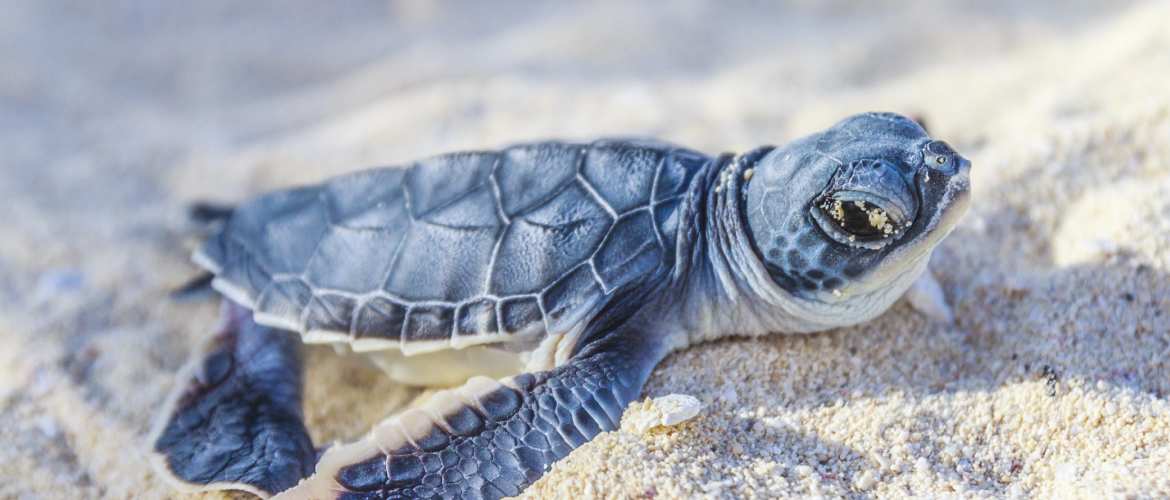
Hatching typically occurs at night, offering the tiny turtles a measure of protection from daytime predators and the scorching sun. The hatchlings emerge from the nest as a group, using a collective effort to dig their way to the surface. Once out, they are instinctively drawn towards the brightest light, which, in a natural environment, is the shimmering reflection of the moon and stars on the ocean’s surface. This natural inclination highlights the critical importance of keeping beaches dark during hatching season, as artificial lights from buildings, streetlights, or flashlights can disorient the hatchlings, leading them away from the ocean and towards danger. Witnessing this instinctive journey is a powerful experience, underscoring both the fragility and resilience of these magnificent creatures.
Prime Destinations for Witnessing Turtle Hatching
Florida’s extensive coastline offers numerous locations where travelers can potentially witness sea turtle hatching. However, some areas are renowned for higher nesting densities and better opportunities for guided observations, making them prime choices for planning your travel itinerary.
East Coast Hotspots
The Atlantic coast of Florida is undeniably the most active region for sea turtle nesting and, consequently, hatching. The stretch of coastline from the central east coast south to Palm Beach County is often referred to as “the busiest sea turtle nesting beach in the world.”
One of the most significant areas is the Archie Carr National Wildlife Refuge, a 20.5-mile protected stretch between Melbourne Beach and Wabasso Beach. This refuge is globally recognized as the most important nesting habitat for Loggerhead sea turtles in the Western Hemisphere, and a significant nesting area for Green and Leatherback sea turtles as well. Nearby, Sebastian Inlet State Park also experiences high nesting activity. Visitors to these areas during peak season have excellent chances of seeing signs of nesting or, with a bit of luck and responsible viewing, hatchlings.
Further south, Juno Beach is another critical location, home to the Loggerhead Marinelife Center. This center is a leading sea turtle rehabilitation and research facility that offers public programs, including guided turtle walks during nesting season, which often coincide with potential hatching viewings. Similarly, Canaveral National Seashore, just north of the Kennedy Space Center, provides a pristine, undeveloped coastline that is a haven for nesting turtles. Many local organizations along the east coast offer guided turtle walks, which are by far the best and most responsible way to experience a potential hatching event, as they ensure minimal disturbance to the turtles.
Gulf Coast and Panhandle Options
While the Gulf Coast and Florida Panhandle see fewer nests than the Atlantic coast, they still offer opportunities for sea turtle encounters. Loggerheads are the primary nesters on the Gulf side, with some Green Sea Turtles also making appearances. Destinations like Sanibel Island and Naples on the southwest coast, and Honeymoon Island State Park near Dunedin are known for their nesting activity.
The nesting season on the Gulf Coast generally follows a similar timeline but with slightly lower densities. Conservation groups and park rangers in these areas are also vigilant in monitoring nests and educating the public. While organized turtle walks are less prevalent than on the east coast, visitors can still observe marked nests and practice responsible beach etiquette to support the turtles. Even if you don’t witness a hatchling emergence, understanding that these beaches are vital nesting grounds enriches the travel experience, connecting you to a broader ecological story.
Educational Centers and Guided Tours
For travelers dedicated to witnessing the hatching season responsibly and insightfully, participating in educational programs and guided tours is highly recommended. Organizations like the Loggerhead Marinelife Center in Juno Beach and the Marine Science Center in Ponce Inlet offer invaluable programs. These centers often host “turtle walks” or “nest excavations,” which are licensed and led by experts. During a turtle walk, a group is led onto the beach at night to potentially observe a nesting female or, more rarely, hatchlings emerging. Nest excavations are performed by permitted individuals after a nest has hatched, to collect data and sometimes rescue any straggling hatchlings.

These guided experiences not only increase your chances of witnessing a significant event but also provide crucial context and ensure that your presence does not harm the fragile turtles. Reservations for these popular programs are typically required far in advance, especially for peak season dates, underscoring the demand for this unique travel experience. Supporting these centers through your participation or donations also directly contributes to sea turtle research, rehabilitation, and conservation efforts, making your trip meaningful beyond just sightseeing.
Essential Travel Tips for Turtle Season Visitors
Traveling to Florida during sea turtle hatching season offers an unparalleled opportunity to connect with nature. To ensure your trip is both enjoyable and beneficial for the turtles, it’s crucial to adhere to specific guidelines and plan accordingly. Responsible tourism is paramount to protecting these endangered species.
Respecting Wildlife and Regulations
The most important rule for any visitor during turtle season is to maintain a respectful distance and avoid any interference with the turtles. Sea turtles and their hatchlings are protected by state and federal laws, including the Endangered Species Act. Here are key regulations and etiquette to follow:
- Do Not Disturb: Never touch, feed, or approach nesting sea turtles or hatchlings. Interference can disorient or distress them, hindering their natural behaviors.
- Keep Beaches Dark: This is perhaps the most critical rule during hatching season. Artificial lights disorient hatchlings, drawing them away from the ocean and towards danger. Turn off all unnecessary lights, close curtains in beachfront accommodations, and avoid using white flashlights or camera flashes on the beach at night. If you must use a light, only use a red or amber LED light, which is less disruptive to turtles.
- Leave No Trace: Remove all beach furniture, toys, and trash from the beach every night. These items can become obstacles for nesting females or emerging hatchlings.
- Fill in Holes and Knock Down Sandcastles: Large holes or elaborate sand structures can trap and disorient hatchlings. Always leave the beach as flat and natural as possible.
- Report Concerns: If you encounter an injured, sick, dead, or disoriented sea turtle or hatchling, do not intervene. Immediately contact the Florida Fish and Wildlife Conservation Commission (FWC) at 1-888-404-FWCC (3922) or a local sea turtle stranding network.
By adhering to these guidelines, you become a part of the conservation solution, helping ensure future generations can also witness this extraordinary event.
Planning Your Trip: Accommodation and Activities
Successful planning is key to a rewarding sea turtle hatching experience. Given the popularity of this natural attraction, early booking of accommodations, especially in hotspots like Melbourne Beach or near Juno Beach, is highly advisable. Many beachfront hotels and resorts in nesting areas participate in “turtle-friendly lighting” programs, using special fixtures or amber-filtered lights to minimize disturbance. Inquire about these options when booking your stay.
Beyond turtle-specific activities, Florida offers a wealth of other attractions during the late summer and early fall. Consider combining your turtle-watching aspirations with other travel experiences like exploring Florida’s vibrant culinary scene, visiting state parks for diverse wildlife viewing, or enjoying water sports during the day. Remember that while the evenings are for potential turtle sightings, the days can be filled with other enriching travel activities. Check local visitor bureaus for information on other events and attractions in the area you plan to visit.
What to Bring
Packing smartly can enhance your turtle-watching experience. Here’s a checklist of essentials:
- Red/Amber LED Flashlight: Essential for walking on the beach at night if not on a guided tour, and only if permitted. Never shine it directly at turtles.
- Insect Repellent: Especially important for evening excursions on the beach.
- Comfortable Walking Shoes or Sandals: You may be walking on soft sand for extended periods.
- Binoculars: For observing nesting turtles or distant hatchlings from a respectful distance without disturbance.
- Camera (No Flash at Night): Capture the memories, but remember that flash photography is strictly prohibited during nighttime turtle observations. Consider a camera with good low-light capabilities, but often it’s best to simply observe without attempting to photograph in dark conditions.
- Water Bottle: Stay hydrated, especially in Florida’s warm climate.
- Lightweight, Dark Clothing: Dark clothing is less visible to nesting turtles.
By preparing thoughtfully and committing to responsible viewing practices, your trip to Florida for sea turtle hatching season will be an extraordinary and impactful travel experience.
The Conservation Imperative: Supporting Sea Turtle Survival
Witnessing the incredible journey of sea turtle hatchlings is not just a privilege; it’s a powerful call to action. These ancient mariners face numerous threats, and understanding these challenges is crucial for any responsible traveler. Your visit can be more than just a memorable experience; it can be a part of the solution for their long-term survival.
Threats to Sea Turtles
Sea turtles, despite their remarkable resilience, are listed as endangered or threatened globally, and Florida’s populations are no exception. The threats they face are complex and often human-induced:
- Habitat Loss and Degradation: Coastal development encroaches on nesting beaches, reducing suitable areas for females to lay eggs. Beach armoring, erosion, and climate change-induced sea-level rise also diminish critical habitats.
- Artificial Lighting: As discussed, beachfront lighting disorients hatchlings, leading them inland where they perish from dehydration, predation, or vehicle strikes. It also deters nesting females.
- Plastic Pollution: Sea turtles often mistake plastic bags for jellyfish, their primary food source, leading to internal injuries or starvation. Entanglement in discarded fishing gear and other plastic debris is also a significant problem.
- Climate Change: Rising global temperatures affect sand temperatures, skewing sex ratios towards females and potentially threatening the reproductive capacity of future generations. Extreme weather events like stronger hurricanes can also devastate nests.
- Boat Strikes: As coastal populations grow and recreational boating increases, sea turtles are frequently injured or killed by boat propellers and hulls.
- Fishing Gear Entanglement: Turtles can become entangled in commercial and recreational fishing nets, lines, and traps, leading to drowning or severe injury.
Understanding these threats underscores the delicate balance of their existence and the vital role humans play in their future.
How Travelers Can Contribute
As a traveler, your choices and actions have a direct impact on sea turtle conservation. Making conscious decisions can turn your memorable vacation into a meaningful contribution:
- Support Responsible Tourism: Choose tour operators and accommodations that prioritize eco-friendly practices and adhere to sea turtle protection guidelines. Participate in guided turtle walks offered by reputable organizations.
- Adhere to Regulations: Strictly follow all beach rules and guidelines provided by local authorities and conservation groups regarding lighting, litter, and disturbance. This is the simplest yet most profound way to contribute.
- Reduce Plastic Consumption: Minimize your use of single-use plastics during your trip and beyond. Opt for reusable water bottles, bags, and cutlery. Participate in beach cleanups if the opportunity arises.
- Donate to Conservation Organizations: Support organizations dedicated to sea turtle research, rescue, rehabilitation, and habitat protection. Groups like the Loggerhead Marinelife Center or local Florida sea turtle protection programs rely on public support.
- Educate Others: Share your knowledge and passion for sea turtles with friends and family. Raising awareness is a powerful tool for conservation.
- Report Violations: If you witness anyone disturbing sea turtles or their nests, or observe sick or injured turtles, report it immediately to the Florida Fish and Wildlife Conservation Commission (FWC) or local law enforcement.
By integrating these practices into your travel itinerary, you become an active participant in safeguarding the future of sea turtles, ensuring that the magic of their hatching season can continue to inspire generations to come.
The sea turtle hatching season in Florida is an extraordinary natural spectacle, a profound experience that connects travelers to the raw beauty and delicate balance of our planet’s ecosystems. From the initial nesting period in spring to the peak hatching months of August and September, Florida’s beaches transform into vital nurseries for these ancient mariners. By understanding the cycle, knowing the prime destinations, and adhering to essential travel tips, visitors can ensure their encounter with these magnificent creatures is both respectful and unforgettable. The conservation imperative is clear: our actions, however small, play a critical role in protecting sea turtles from the numerous threats they face. By embracing responsible tourism and actively contributing to their preservation, travelers can experience the magic of Florida’s turtle hatching season while becoming advocates for these remarkable inhabitants of our oceans. Plan your trip thoughtfully, immerse yourself in this unique natural phenomenon, and help secure a brighter future for sea turtles.
LifeOutOfTheBox is a participant in the Amazon Services LLC Associates Program, an affiliate advertising program designed to provide a means for sites to earn advertising fees by advertising and linking to Amazon.com. Amazon, the Amazon logo, AmazonSupply, and the AmazonSupply logo are trademarks of Amazon.com, Inc. or its affiliates. As an Amazon Associate we earn affiliate commissions from qualifying purchases.