
Orlando, Florida, a vibrant metropolis synonymous with theme park thrills and sunshine, beckons millions of visitors annually. While the allure of its world-class attractions is undeniable, understanding the local climate is crucial for planning an enjoyable and comfortable visit. The weather in Orlando is a significant factor, influencing everything from wardrobe choices to daily itineraries. This guide delves into the nuances of Orlando’s climate, offering insights into its distinct seasons, typical conditions, and how to best prepare for them, ensuring your trip to the Sunshine State is a memorable one, no matter the forecast.
Understanding Orlando’s Climate: A Subtropical Symphony
Orlando boasts a humid subtropical climate, characterized by hot, humid summers and mild, drier winters. This classification means that the region experiences a significant amount of rainfall, particularly during the warmer months, and generally enjoys pleasant temperatures for much of the year. The geographic location of Orlando, situated inland within central Florida, contributes to its climate profile. While it avoids the direct impact of coastal storms that can affect cities like Miami or Tampa, it still experiences the characteristic Florida humidity.
The Four Seasons: A Closer Look
While often perceived as a year-round destination, Orlando experiences distinct seasonal shifts that impact its weather patterns. Understanding these variations is key to maximizing your travel experience.
Summer: The Reign of Heat and Humidity
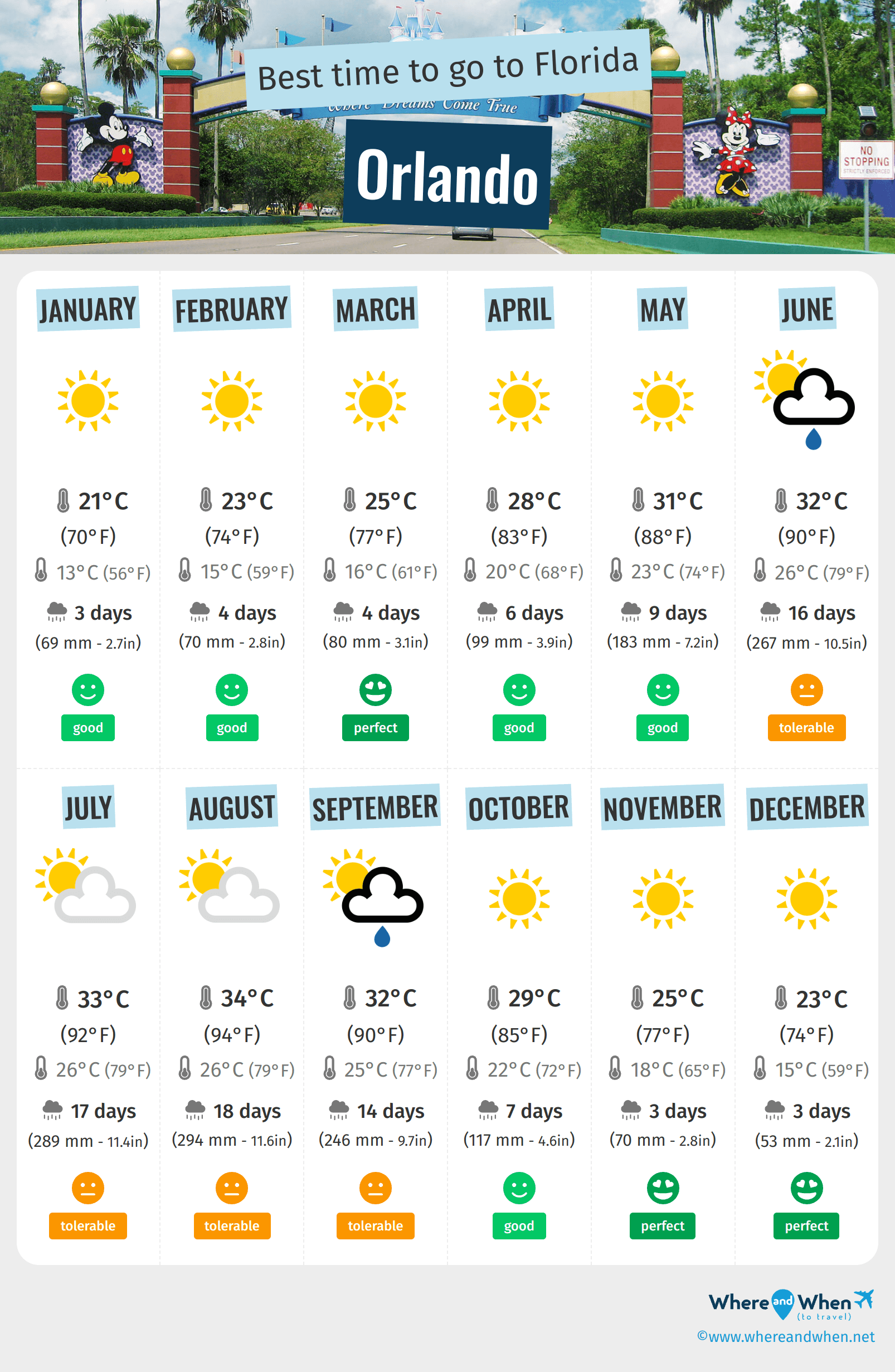
From late May through September, Orlando endures its summer season, which is undeniably the hottest and most humid period. Daily temperatures frequently soar into the mid-90s Fahrenheit (around 35 degrees Celsius), with the oppressive humidity pushing heat index values even higher, often feeling like over 100°F (38°C). The afternoons are typically punctuated by dramatic, yet brief, thunderstorms. These electrical storms are a common occurrence, often developing quickly due to the intense heat and moisture in the air. While they can bring a temporary respite from the heat, they also pose a risk for outdoor activities, necessitating flexibility in planning. Visitors during this season should prioritize hydration, seek air-conditioned environments during peak heat hours, and be prepared for sudden downpours.
Autumn: A Transition to Pleasantness
As summer’s intensity wanes, autumn, from October through November, ushers in a welcome change. The humidity begins to recede, and temperatures become significantly more comfortable, typically ranging in the 70s and 80s Fahrenheit (20s Celsius). This is often considered one of the most ideal times to visit Orlando, as the weather is conducive to spending long days exploring the theme parks like Walt Disney World Resort or Universal Orlando Resort. The risk of afternoon thunderstorms diminishes, and the air feels crisp and invigorating, especially in the evenings. This period offers a perfect balance of warmth for outdoor enjoyment without the extreme heat and humidity of the summer months.
Winter: Mild and Invigorating
Orlando’s winter, spanning December through February, is remarkably mild. Daytime temperatures are usually in the 60s and 70s Fahrenheit (15-25 degrees Celsius), making it a popular escape for those seeking to avoid colder climates. While “cold snaps” are infrequent, temperatures can occasionally dip into the 40s or 50s Fahrenheit (around 5-10 degrees Celsius), especially overnight. However, these cooler spells are short-lived, and sunshine is abundant. This season is perfect for outdoor adventures, golf, and enjoying the numerous festivals and holiday events that Orlando hosts. Pack layers, as mornings and evenings can be cool, but light clothing is generally sufficient for daytime exploration.
Spring: A Flourishing of Warmth
Spring, from March through May, mirrors the pleasantness of autumn, gradually increasing in warmth and humidity as it progresses towards summer. March and April typically offer ideal conditions, with average temperatures in the 70s and 80s Fahrenheit (20s Celsius) and lower humidity levels. May sees a noticeable uptick in temperature and moisture, signaling the imminent arrival of summer. This period is also characterized by sunshine and a generally pleasant breeze, making it an excellent time for visiting attractions like SeaWorld Orlando or ICON Park. As the season transitions into May, the likelihood of afternoon showers increases, a prelude to the summer’s storm patterns.
Essential Packing Considerations for Orlando’s Climate
When packing for a trip to Orlando, aligning your wardrobe with the anticipated weather is paramount for comfort and convenience.
Summer Essentials: Beating the Heat
During the summer months, lightweight, breathable fabrics are non-negotiable. Cotton, linen, and moisture-wicking synthetic materials are ideal. Pack an array of shorts, t-shirts, sundresses, and comfortable walking shoes. Essential items include:
- Sunscreen: A high SPF sunscreen is vital to protect your skin from the intense Florida sun.
- Hats and Sunglasses: Wide-brimmed hats and UV-protective sunglasses offer crucial protection for your face and eyes.
- Reusable Water Bottles: Staying hydrated is critical. Many locations offer water refill stations.
- Light Rain Gear: A compact umbrella or a lightweight, packable raincoat is advisable for sudden afternoon showers.
- Swimwear: With numerous pools and water parks, swimwear is a must.
Autumn and Spring Attire: Versatility is Key
For the shoulder seasons of autumn and spring, a more versatile wardrobe is recommended. Layers are your best friend.
- Light Layers: Pack t-shirts, long-sleeved shirts, and a light sweater or jacket. This allows you to adapt to fluctuating temperatures throughout the day.
- Jeans or Comfortable Trousers: Suitable for cooler evenings or slightly less humid days.
- Comfortable Walking Shoes: Essential for exploring theme parks and city attractions.
- Rain Protection: While less frequent than in summer, occasional showers can still occur. A light jacket or umbrella is still a good idea.
Winter Wardrobe: Embracing the Mildness
Even in winter, Orlando rarely requires heavy winter clothing.
- Light Jackets or Sweaters: For cooler mornings and evenings.
- Long-Sleeved Shirts and Trousers: Can be worn during the day, with the option to layer.
- Shorts and T-shirts: Still suitable for warmer daytime hours.
- Comfortable Footwear: As always, prioritize comfort for walking.
Navigating Orlando’s Weather for Optimal Experiences
Beyond just packing, understanding how to leverage or mitigate Orlando’s weather can significantly enhance your visit.
Embracing the Thunderstorms
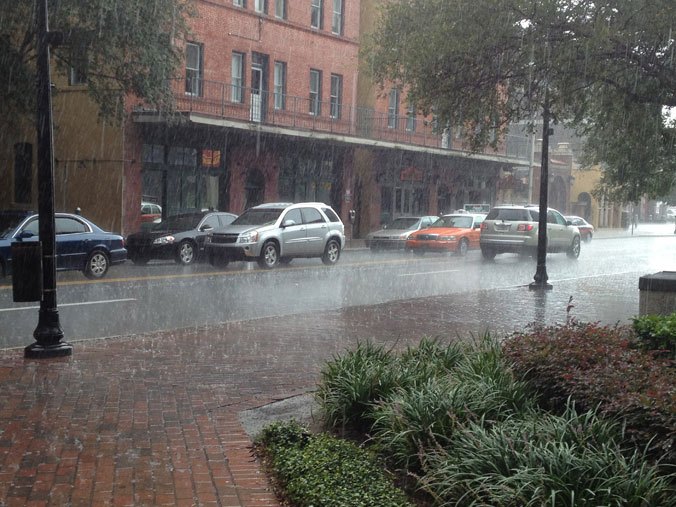
While often viewed as a nuisance, Orlando‘s afternoon thunderstorms are a natural phenomenon that can be navigated with a bit of planning. They typically roll in quickly and pass just as fast, often leaving behind a refreshed landscape.
- Indoor Attractions: Have a list of indoor activities ready, such as museums, indoor dining experiences, or shopping at places like The Mall at Millenia.
- Strategic Breaks: Plan your park visits to coincide with potential storm times. Take a lunch break or enjoy an indoor show during the peak afternoon hours.
- Safety First: During a thunderstorm, seek shelter immediately. Theme parks are well-equipped with designated indoor areas. Avoid open fields, tall isolated trees, and water.
Maximizing Sunshine
The abundant sunshine in Orlando is a major draw. Take full advantage of the pleasant weather.
- Early Mornings: Start your park visits or outdoor explorations early in the day to enjoy cooler temperatures and fewer crowds before the heat and humidity set in.
- Water Activities: Orlando offers numerous opportunities for water-based fun, from water parks like Volcano Bay to natural springs nearby. These are perfect for cooling off during warmer days.
- Evening Entertainment: As the sun sets, temperatures often become more comfortable, making evening strolls or outdoor dining a delightful experience.
Dealing with Humidity
The pervasive humidity in Orlando can be challenging for some.
- Hydration: Drink more water than you think you need. Dehydration can be exacerbated by humidity.
- Dress Appropriately: Choose moisture-wicking clothing that allows your skin to breathe.
- Utilize Air Conditioning: Take advantage of the numerous air-conditioned spaces available in shops, restaurants, and attractions to cool down periodically.
- Pacing Yourself: Don’t overexert yourself during the hottest parts of the day. Schedule strenuous activities for cooler parts of the day or indoor environments.
Beyond the Forecast: Orlando’s Unique Atmospheric Charm
While specific temperatures and precipitation patterns are important, Orlando’s weather also contributes to its unique charm. The dramatic cloud formations before a thunderstorm, the vibrant sunsets that follow a rain shower, and the balmy evenings perfect for outdoor dining all add to the sensory experience of visiting this dynamic city. By understanding and respecting its climate, visitors can transform potential weather challenges into integral parts of a memorable Orlando adventure, ensuring that the magic of Orlando shines through, regardless of what the sky may bring.
LifeOutOfTheBox is a participant in the Amazon Services LLC Associates Program, an affiliate advertising program designed to provide a means for sites to earn advertising fees by advertising and linking to Amazon.com. Amazon, the Amazon logo, AmazonSupply, and the AmazonSupply logo are trademarks of Amazon.com, Inc. or its affiliates. As an Amazon Associate we earn affiliate commissions from qualifying purchases.