
The Unseen Victor: How Major Sporting Events Boost Local Tourism
When the titans clash, as Alabama and Georgia frequently do in highly anticipated matchups, the roar of the crowd and the intensity of the competition often overshadow another significant victor: the host city’s tourism industry. While fans passionately debate the on-field outcome, the economic and cultural impact of hosting such a monumental game presents an undeniable win for the local economy. Major sporting events are powerful magnets, drawing tens of thousands of visitors who spend on accommodations, dining, retail, and local attractions, injecting a substantial financial boost into the community.
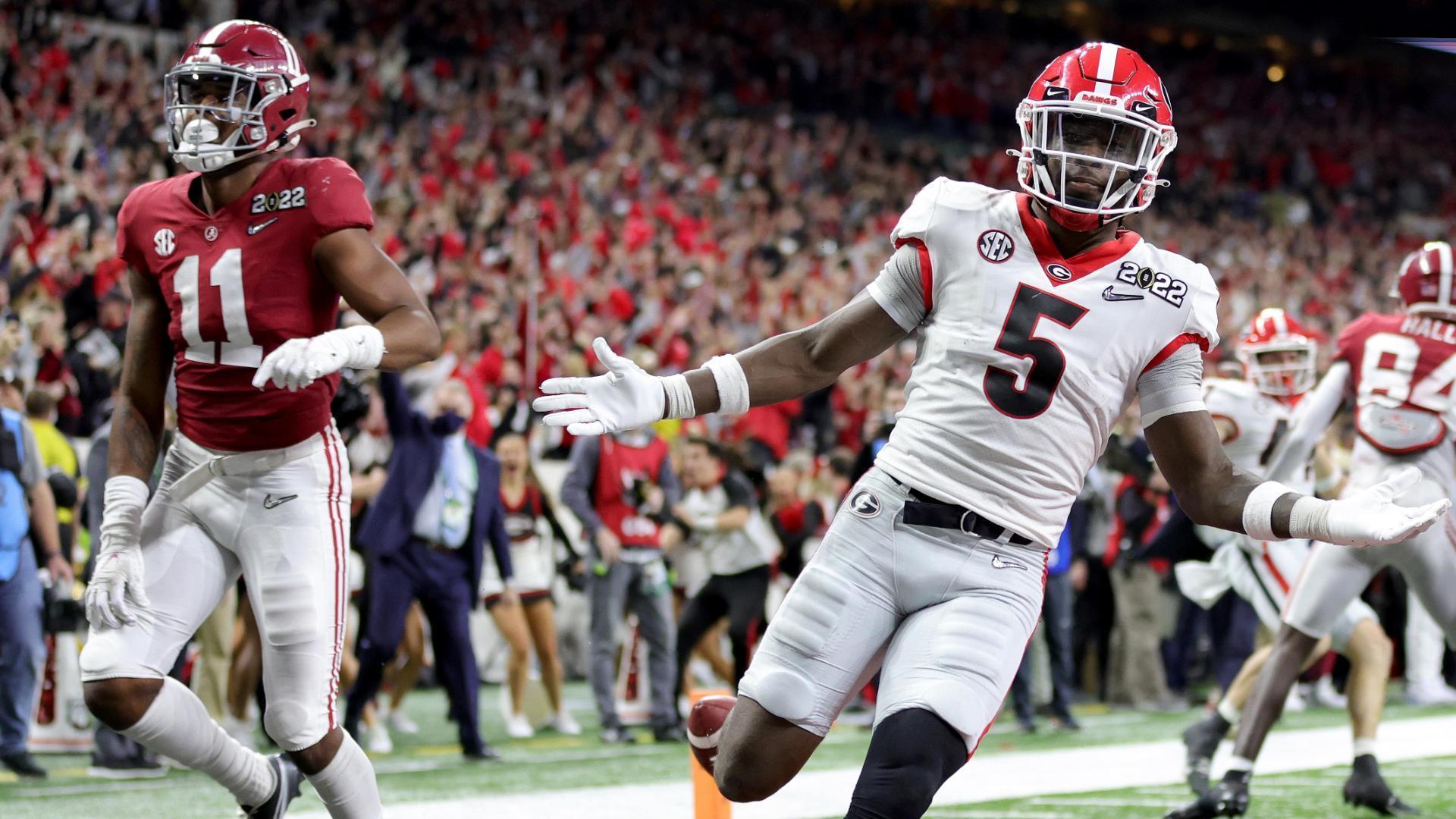
For cities like Atlanta, a frequent host of championship games and major tournaments, the arrival of fan bases from two of college football’s most fervent programs translates into a bustling weekend for businesses far beyond the stadium gates. Hotels experience peak occupancy rates, often fully booked months in advance, with prices reflecting the high demand. Restaurants, bars, and entertainment venues see a surge in patronage, as visitors look to immerse themselves in the local atmosphere before and after the game. This economic ripple effect extends to transportation services, souvenir shops, and even local service providers, creating temporary jobs and increased tax revenue that benefits the entire community. The allure of the game acts as a catalyst, transforming a typical weekend into a vibrant festival of commerce and camaraderie, showcasing the host city on a national, if not international, stage.
Beyond the Stadium: Immersive Experiences for Visiting Fans
Attending a high-stakes game between powerhouses like Alabama and Georgia is more than just watching football; it’s an immersive travel experience. Fans, often traveling significant distances, seek to make the most of their visit by exploring the host city’s unique charm and offerings. This extends the “win” for local tourism beyond mere ticket sales, as visitors delve into the destination’s distinct culture, culinary scene, and leisure activities.
Culinary Delights: Savoring Local Flavors
Food is an integral part of any travel experience, and major game weekends present a prime opportunity for visitors to savor the local culinary landscape. Whether it’s the iconic Southern barbecue, farm-to-table dining, or innovative fusion cuisine, host cities offer a diverse palette to suit every taste. From bustling sports bars serving classic game-day fare to upscale restaurants offering gourmet experiences, the dining sector thrives. Local eateries often create special menus or promotions to cater to the influx of fans, showcasing regional specialties and creating memorable gastronomic experiences that contribute to a positive overall impression of the city. Food tours, cooking classes, and visits to local markets can further enrich the visitor’s cultural immersion, turning a simple meal into a deeper connection with the destination.
Cultural Exploration: Discovering the Host City’s Heritage
While the main draw is the game, many visitors capitalize on their trip to explore the historical and cultural landmarks of the host city. Museums, art galleries, historical sites, and vibrant neighborhoods often see increased foot traffic. In Atlanta, for instance, fans might visit the Martin Luther King Jr. National Historical Park, the World of Coca-Cola, or the Georgia Aquarium. These attractions provide a deeper understanding of the city’s identity, offering enriching experiences that extend beyond the sports arena. Such engagements enhance the tourism appeal, encouraging visitors to not only attend the game but also to appreciate the broader cultural tapestry of the destination.
Pre- and Post-Game Festivities: Extending the Stay

The excitement around a major game often spills over into days leading up to and following the event. Fan zones, tailgate parties, concerts, and organized events create a festive atmosphere that encourages visitors to extend their stay. Many fans arrive early to soak in the pre-game energy and depart later, allowing them to participate in post-game celebrations or commiserations. These extended stays translate into additional revenue for hotels, restaurants, and entertainment venues. The host city often orchestrates these additional activities, recognizing their role in enhancing the visitor experience and maximizing the economic benefit derived from the event. It’s about creating an entire weekend or even week-long itinerary centered around the main attraction.
Navigating the Game Day Crowd: Tips for an Enjoyable Visit
For travelers planning to witness a high-stakes game between Alabama and Georgia in person, strategic planning is key to transforming a potentially overwhelming experience into an unforgettable one. Understanding the unique dynamics of game day tourism in a bustling host city like Atlanta ensures a smoother, more enjoyable trip.
Accommodation Strategies: Booking Early and Smart
The demand for accommodations during major sporting events skyrockets, making early booking paramount. Hotels near the Mercedes-Benz Stadium or in popular downtown districts will be the first to fill up, often commanding premium prices. Travelers should consider booking their stay several months in advance to secure preferred rates and locations. Alternatively, exploring options slightly outside the immediate city center, perhaps with good public transport links, can offer more affordable rates without sacrificing convenience. Utilizing hotel loyalty programs or considering vacation rentals through platforms that offer apartments or private homes can also provide alternative solutions, sometimes offering more space and flexibility, especially for groups.
Transportation Tactics: Getting Around with Ease
Game day traffic and parking can be formidable challenges in any major city. Relying on personal vehicles close to the stadium is often ill-advised. Host cities like Atlanta typically boost public transportation services—subways, buses, and streetcars—on game days. Familiarizing oneself with the local public transit map and purchasing passes in advance can save significant time and stress. Ride-sharing services are also an option, though surge pricing is common around event times. Walking to the stadium from a nearby hotel or a strategically chosen parking spot a few blocks away can be an excellent way to soak in the atmosphere and avoid delays. Many cities also designate specific drop-off and pick-up zones for ride-shares or taxis, which can be useful to locate beforehand.
Essential Game Day Etiquette
While the rivalry is fierce, maintaining respectful and positive interactions enhances the experience for everyone. Be mindful of local customs and respect fellow fans, regardless of their team affiliation. Stay hydrated, especially if the game is held in a warmer climate or involves extensive outdoor pre-game activities. Familiarize yourself with stadium security policies regarding bags, prohibited items, and entry procedures to ensure a seamless entry. Supporting local businesses, being patient with service staff who are often working under immense pressure, and embracing the celebratory spirit contribute to a memorable and positive tourism experience for all involved.

The Enduring Legacy: When a Game Becomes a Tourist Destination
Beyond the immediate economic surge, successfully hosting a high-profile game between Alabama and Georgia leaves an enduring legacy that benefits a city’s tourism profile for years to come. Such events serve as powerful marketing tools, showcasing the city’s infrastructure, hospitality, cultural attractions, and capacity to host large-scale gatherings. Positive media coverage and word-of-mouth recommendations from satisfied visitors can significantly elevate a destination’s reputation, making it more attractive for future major events, conferences, and general tourism.
The recurring choice of cities like Atlanta for championship games is a testament to their proven ability to handle the logistical complexities and provide an exceptional visitor experience. This ongoing success fosters repeat tourism, as fans who had a great experience attending a game might return for a vacation with family or friends, or for business. Furthermore, the development of world-class stadiums and associated facilities, often spurred by the desire to attract such events, becomes a lasting landmark and a draw in itself. Ultimately, while only one team can win on the field, the host city consistently emerges as a significant victor, cementing its status as a premier tourist destination, long after the final whistle has blown.
LifeOutOfTheBox is a participant in the Amazon Services LLC Associates Program, an affiliate advertising program designed to provide a means for sites to earn advertising fees by advertising and linking to Amazon.com. Amazon, the Amazon logo, AmazonSupply, and the AmazonSupply logo are trademarks of Amazon.com, Inc. or its affiliates. As an Amazon Associate we earn affiliate commissions from qualifying purchases.