
Traveling to the Hawaiian Islands is a dream for millions, yet the vast distance across the Pacific Ocean often creates a significant hurdle: the price of airfare. Because Hawaii is one of the most isolated archipelagos in the world, the cost of transportation remains the largest portion of any traveler’s budget. Understanding the nuances of airline pricing, seasonal demand, and booking windows can be the difference between a trip that breaks the bank and an affordable tropical escape.
The Seasonal Rhythm of Hawaiian Travel
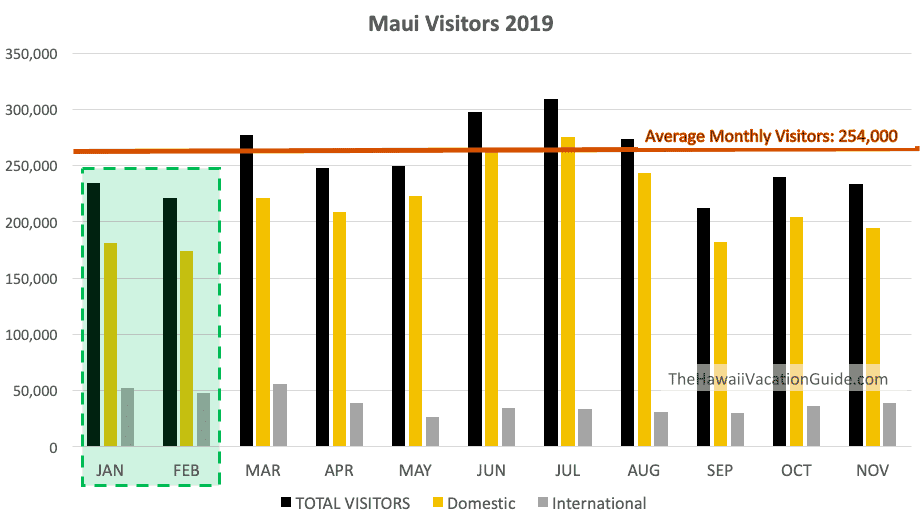
The most influential factor in determining flight prices is seasonality. The demand for flights to Honolulu, Maui, Kauai, and the Big Island fluctuates significantly based on school schedules and major holidays.
Off-Peak Windows
If you want to secure the lowest possible fares, you must plan your travel around the shoulder seasons. These windows typically occur in late spring and early autumn. Specifically, the periods from mid-April to early June and from late August to mid-November are considered the “sweet spots.” During these months, the weather remains pleasant, yet the majority of students are in school and families are less likely to travel. Airlines frequently lower their prices during these times to fill empty seats that would otherwise go unsold.
High-Season Surcharges
Conversely, avoid traveling during the winter holidays, spring break, and the height of summer. From mid-December through early January, prices soar due to the appeal of escaping colder climates for a holiday in the sun. Similarly, July and August see peak pricing because of summer vacations. If your travel dates are rigid and fall within these high-demand periods, you will likely face premium pricing regardless of how far in advance you book.
Mastering the Booking Timeline
Timing your purchase is just as important as choosing the right month to fly. While the industry has shifted away from the “Tuesday at midnight” myth, there are still empirical patterns to follow.
The “Goldilocks” Window
For domestic flights departing from the mainland United States, the optimal time to book a flight to Hawaii is generally between one and four months before your departure date. Booking too far in advance can sometimes mean you are paying for the airline’s initial, higher-tier price points, while waiting until the last minute almost guarantees exorbitant “emergency” pricing. If you find a fare that falls within 10-15% of the lowest historical price for your route, it is usually wise to lock it in rather than gambling on a further price drop.
Utilizing Price Alerts
The most professional way to handle booking is to use tracking tools to monitor the specific route you are interested in. Since flight prices are dynamic and change based on algorithms that track search volume, setting up an alert for your preferred destination—such as Kona or Lihue—allows you to receive a notification the moment the price drops. This removes the guesswork and ensures you aren’t manually checking prices every single day.
Geographical Considerations and Routing
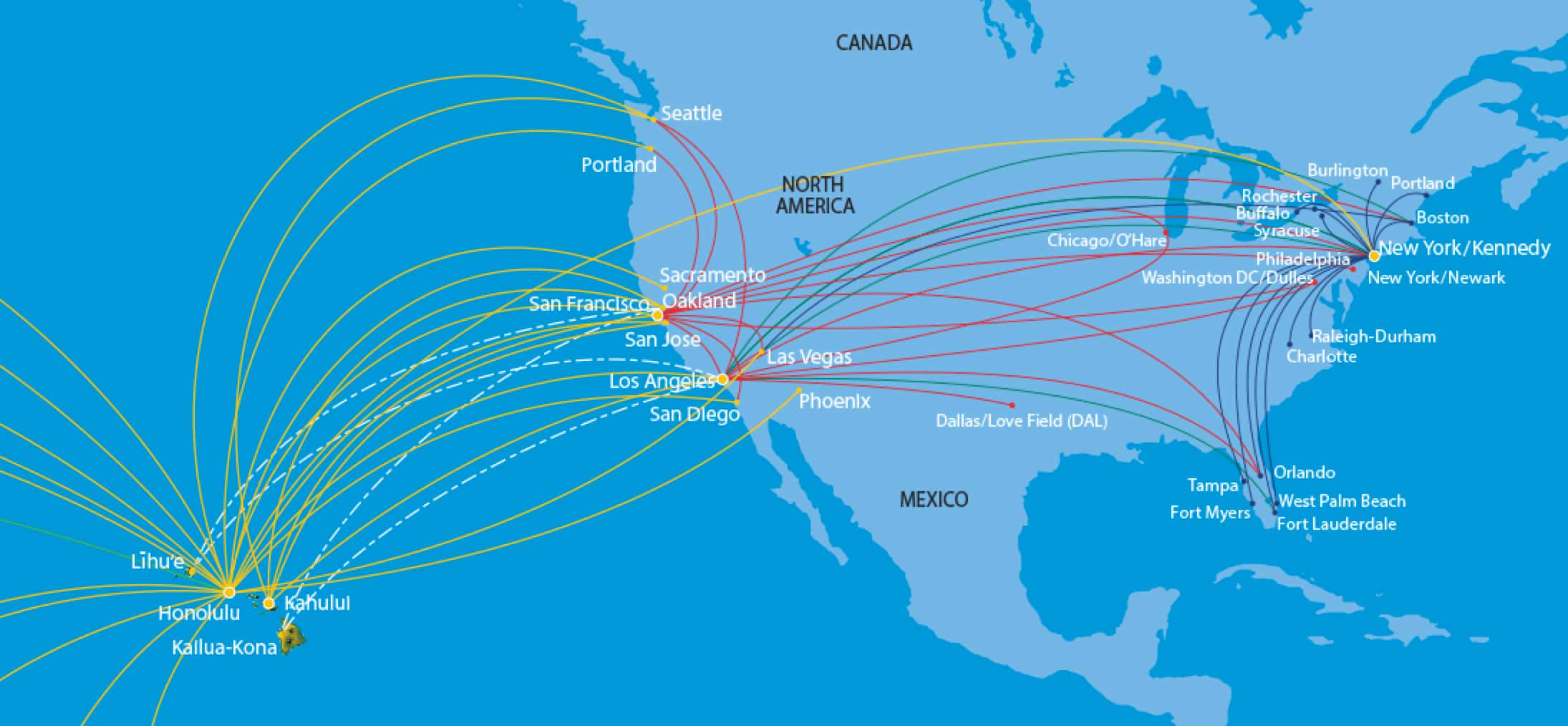
Where you fly from and where you land significantly impacts the bottom line. Not all Hawaiian airports are priced equally, and your point of origin plays a massive role in the final cost.
Choosing the Right Arrival Airport
While Daniel K. Inouye International Airport in Honolulu is the most common entry point and often the cheapest due to higher flight volume, it isn’t always the best choice if you are heading to a different island. However, if your goal is to save money, flying into Honolulu and then taking a separate inter-island flight on a regional carrier like Hawaiian Airlines can sometimes be cheaper than booking a direct flight to a smaller airport like Kahului Airport. Always calculate the cost of a regional connection before deciding that the “cheapest” destination airport is the best financial move.
Mainland Hubs
Flights from West Coast cities like Los Angeles, San Francisco, and Seattle are consistently cheaper than those from the East Coast. Carriers often run competitive pricing on these high-traffic routes. If you are flying from the East Coast, consider using a mileage redemption or looking for “hidden city” ticketing options, though be cautious with the latter as it can violate airline policies.
Strategic Tips for Budget Optimization
To truly master the art of affordable travel to Hawaii, you must move beyond simple booking habits and adopt a strategic mindset.
The Power of Mid-Week Travel
Flights on Tuesday and Wednesday are almost universally cheaper than weekend departures. Most leisure travelers prefer to leave on a Friday or Saturday to maximize their time on the ground, which keeps demand—and prices—high for those days. By shifting your itinerary to mid-week, you can often save hundreds of dollars per ticket. This is especially true for long-haul flights crossing multiple time zones.
Loyalty Programs and Credit Card Perks
If you visit Hawaii frequently, airline-specific credit cards or alliance-based loyalty programs are invaluable. Many major carriers that service the islands offer annual companion passes or significant discounts for cardholders. Furthermore, accumulating miles through everyday spending can eventually cover the cost of a flight entirely, making your “cheapest” flight effectively free.

Flexible Itinerary Planning
The single greatest advantage a traveler can have is flexibility. If you are willing to fly into a different airport, adjust your dates by a few days, or take a flight with a layover, your chances of finding a bargain increase exponentially. Use flight comparison tools that allow for “flexible date” searches, which provide a calendar view of the cheapest days to fly within a given month.
Ultimately, cheap flights to Hawaii are not a matter of luck but of preparation. By targeting the shoulder seasons, booking within the ideal 1-to-4-month window, and prioritizing mid-week travel, you can significantly reduce your costs. Treat your trip like an investment; by saving on the airfare, you have more resources to spend on the incredible experiences, fine dining, and unique local culture that make the Hawaiian islands a world-class destination. Whether you are visiting the lush cliffs of Na Pali Coast or the historical sites of Pearl Harbor, a smart approach to booking ensures your journey begins on the right foot without the stress of an inflated budget.
LifeOutOfTheBox is a participant in the Amazon Services LLC Associates Program, an affiliate advertising program designed to provide a means for sites to earn advertising fees by advertising and linking to Amazon.com. Amazon, the Amazon logo, AmazonSupply, and the AmazonSupply logo are trademarks of Amazon.com, Inc. or its affiliates. As an Amazon Associate we earn affiliate commissions from qualifying purchases.