
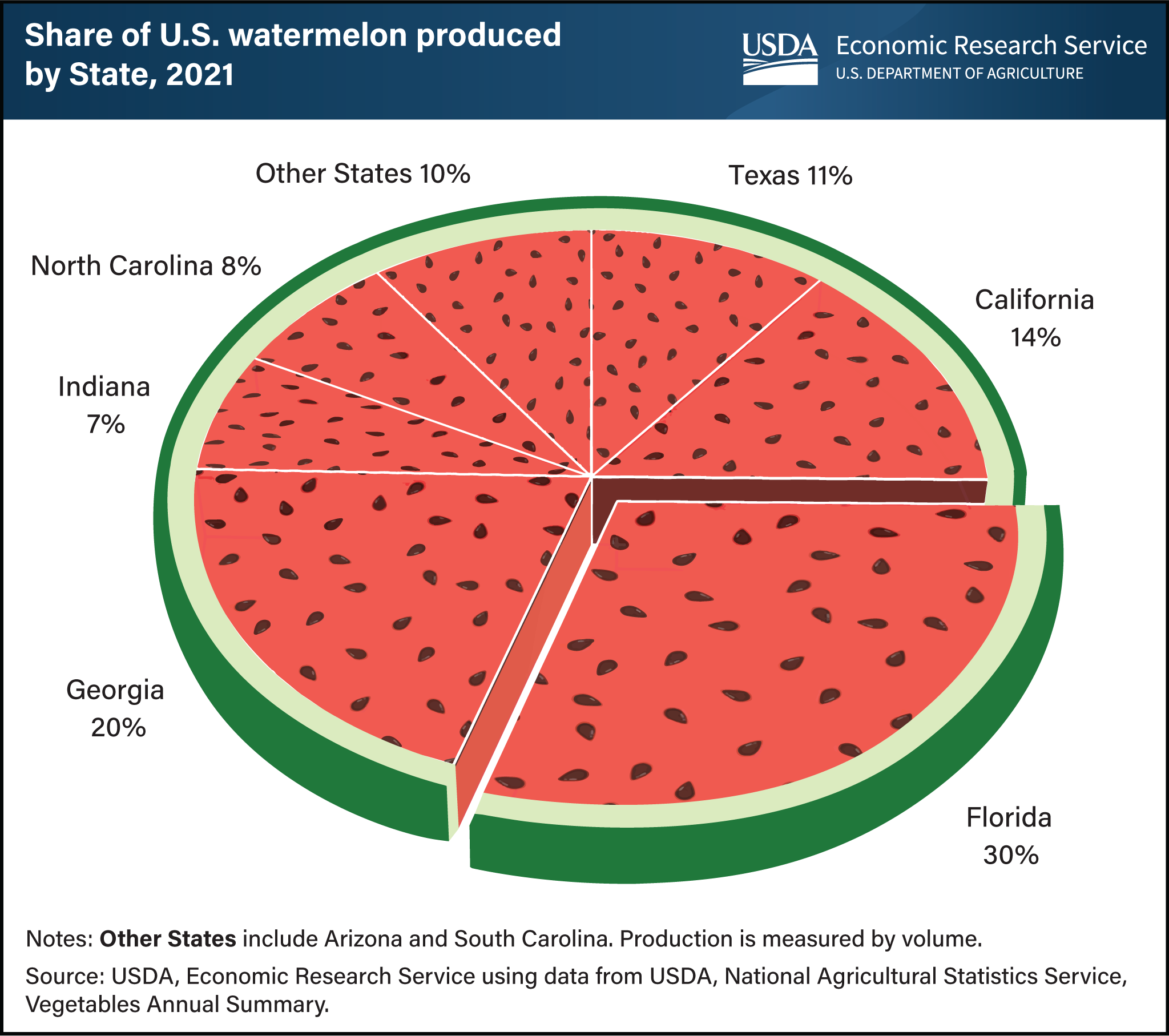
California, the Golden State, is renowned globally for its vibrant agricultural landscape, producing a staggering array of fruits and vegetables that grace tables far beyond its borders. For those traveling to this diverse state, understanding its seasonal bounty offers a unique lens through which to experience its local culture, culinary scene, and community spirit. Among the many delights, the humble watermelon stands out as a quintessential summer fruit, synonymous with picnics, beach days, and refreshing hydration. For tourists eager to taste the freshest, sweetest watermelons, knowing when they are in season in California is key to planning an unforgettable gastronomic adventure.
The Golden State’s Bountiful Harvest
[California]’s unparalleled agricultural productivity is a direct result of its diverse microclimates and innovative farming practices. From the sun-drenched southern deserts to the fertile valleys of the north, the state offers conditions suitable for a wide variety of crops, including the much-loved watermelon. This geographical diversity allows for an extended growing season compared to many other regions, making [California] a reliable source for fresh produce for much of the year.Understanding California’s Agricultural Zones
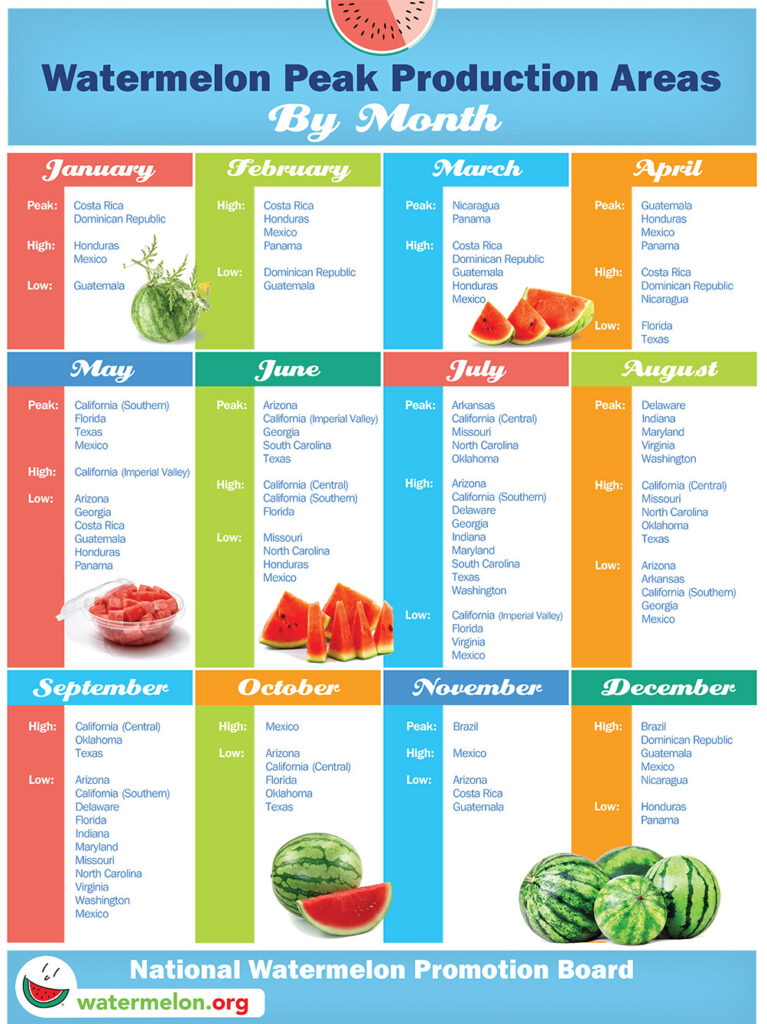
The state can be broadly divided into several distinct agricultural zones, each contributing uniquely to the watermelon harvest. The primary regions for watermelon cultivation include the Imperial Valley in the far south, the Coachella Valley further north, and significant portions of the vast San Joaquin Valley, which forms the southern part of [California]’s Central Valley. Each of these areas possesses specific climatic attributes that influence when watermelons are planted, grown, and harvested.
The desert regions, such as the [Imperial Valley] and [Coachella Valley], benefit from intense sunshine and warmer temperatures, allowing for early season harvests. As the year progresses, the focus shifts northward to the [San Joaquin Valley], where moderate summer temperatures create ideal conditions for sustained growth. This staggered production across different zones ensures a consistent supply of fresh watermelons throughout the warmer months, providing tourists with ample opportunities to enjoy this juicy fruit.
The Peak Season for California Watermelons
While some early varieties can be found as early as May, the true peak season for watermelons in [California] generally runs from June through September. This four-month window is when the fruit is at its absolute best: sweetest, juiciest, and most abundant.
- Early Summer (June-July): The first significant harvests typically emerge from the desert regions like the [Imperial Valley] and [Coachella Valley]. These early melons, often smaller but intensely sweet, mark the official start of watermelon season.
- Mid-Summer (July-August): As temperatures rise across the state, the [San Joaquin Valley] comes into full production. This period sees the widest variety of watermelons, from classic red-fleshed to specialty yellow and orange varieties, available in markets statewide. Cities like [Fresno] and [Bakersfield] become hubs for distribution, offering a bounty for local consumption and export.
- Late Summer/Early Fall (August-September): While the peak starts to taper off, excellent quality watermelons are still readily available, especially from areas that benefit from slightly cooler but still sunny late-summer weather. This extended season provides a delightful treat for those traveling during the shoulder season.
Tourists visiting [California] during these months will find watermelons prominently displayed at farmers’ markets, roadside stands, and grocery stores, offering a true taste of the season.
Culinary Tourism: Savoring Seasonal Watermelons
For the discerning traveler, culinary tourism in [California] is an enriching experience, and engaging with seasonal produce like watermelons adds a layer of authenticity to any trip. Exploring the state’s gastronomic offerings through its seasonal harvest connects visitors directly with the land, the farmers, and the local communities that thrive on agriculture.
Farmers’ Markets and Roadside Stands
One of the most authentic ways to experience [California]’s watermelon season is by visiting its numerous farmers’ markets. From the bustling markets of [Los Angeles] and [San Diego] to the more quaint community markets in agricultural towns like [Oxnard] or [Lodi], these venues offer a direct line to freshly harvested produce. Tourists can interact with local farmers, learn about the different varieties of watermelons, and even get tips on how to select the perfect melon. The atmosphere is often vibrant, filled with live music, local crafts, and other seasonal delights, making it an attraction in itself.
Beyond the urban centers, driving through [California]’s agricultural valleys during peak season reveals an abundance of roadside stands. These charming, often family-run operations sell produce directly from the farm, providing an unparalleled freshness. Stopping at a roadside stand for a chilled slice of watermelon on a warm afternoon offers a quintessential [California] experience, a simple pleasure that speaks volumes about the state’s agricultural heritage.
Farm-to-Table Experiences
Some farms also offer direct “u-pick” experiences or farm tours, allowing visitors to see where their food comes from and even harvest their own watermelons. These immersive experiences are particularly popular with families and those seeking a deeper connection to their food journey, offering insights into sustainable farming practices and the hard work behind every juicy bite.
Beyond the Bite: Watermelon-Inspired Activities
The presence of watermelons during the summer in [California] extends beyond just eating the fruit. It often inspires community events, festivals, and various refreshing activities that tourists can partake in, adding a fun and unique dimension to their travel itinerary.
Festivals and Community Events
During the peak season, various towns and cities across [California] embrace the watermelon with local festivals and community events. While specific dates and locations vary year to year, these celebrations often feature watermelon-eating contests, seed-spitting competitions, recipe showcases, and live entertainment. Attending a local watermelon festival offers a glimpse into [California]’s community spirit and a chance to engage with locals over a shared love for this summer staple. These events are fantastic for families and provide memorable cultural experiences. Keep an eye on local tourism boards in regions like [Sacramento] or the [Central Valley] for announcements of such seasonal happenings.
Refreshing Culinary Creations
Beyond simply slicing and serving, watermelons inspire a plethora of refreshing culinary creations perfect for [California]’s warm weather. Tourists will find an abundance of fresh watermelon juice, often served at cafes and juice bars, providing a natural and hydrating pick-me-up. Watermelon smoothies, sorbets, and popsicles are also popular, offering a guilt-free treat. For those seeking adult beverages, many bars and breweries incorporate watermelon into seasonal cocktails or craft beers, creating unique flavor profiles that capture the essence of summer. Exploring these creative uses of watermelon adds another layer to the culinary journey for visitors.
Planning Your California Visit Around Watermelon Season
For travelers whose primary interest lies in experiencing [California]’s agricultural bounty, planning a trip to coincide with watermelon season can significantly enhance their visit. Strategic timing and destination choices can lead to a richer, more flavorful adventure.
Best Regions for Watermelon Enthusiasts
While watermelons are available statewide during peak season, certain regions offer a more immersive experience for enthusiasts. The [San Joaquin Valley] and the desert regions (like [Imperial Valley] and [Coachella Valley]) are the heartlands of [California]’s watermelon production. A road trip through these areas during July and August would allow for visits to numerous farm stands, agricultural markets, and perhaps even farm tours. Coastal cities like [San Diego] and [Los Angeles], while not primary growing regions, have excellent farmers’ markets and a thriving culinary scene that showcases seasonal produce, making them ideal for experiencing watermelon in urban settings.
Consider staying in smaller towns within these agricultural belts to fully embrace the local charm. Many boutique accommodations or guesthouses offer proximity to farms and markets, providing an authentic base for your explorations.
Tips for Selecting the Perfect Melon
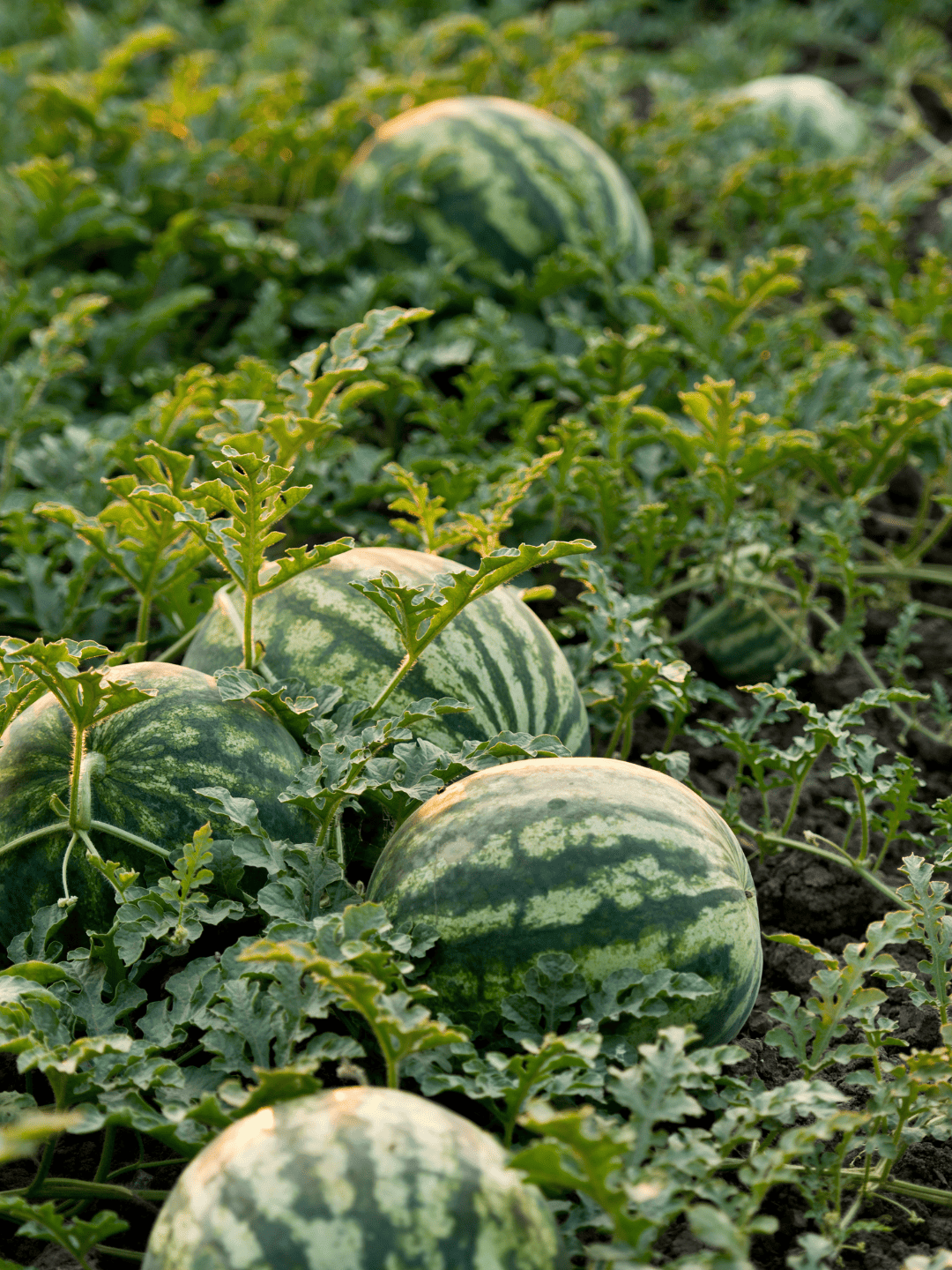
For tourists eager to pick their own or select a melon from a market, a few tips can ensure a sweet and satisfying experience:
- Look for a prominent yellow spot: This is where the watermelon rested on the ground and ripened in the sun. A creamy yellow or orange spot indicates a ripe melon.
- Tap it: A ripe watermelon should sound hollow when thumped. Avoid dull or soft sounds.
- Check the stem: A dried-up stem usually means the melon is ripe. If it’s green, it might have been picked too early.
- Feel the weight: A ripe watermelon will feel heavy for its size, indicating it’s full of water and juice.
Embracing [California]’s watermelon season is more than just enjoying a refreshing fruit; it’s an invitation to delve into the state’s rich agricultural heritage, connect with local communities, and savor the distinct flavors of summer. By timing your visit between June and September and exploring the vibrant farmers’ markets and culinary scenes, you can unlock a truly authentic and delicious [California] experience.
LifeOutOfTheBox is a participant in the Amazon Services LLC Associates Program, an affiliate advertising program designed to provide a means for sites to earn advertising fees by advertising and linking to Amazon.com. Amazon, the Amazon logo, AmazonSupply, and the AmazonSupply logo are trademarks of Amazon.com, Inc. or its affiliates. As an Amazon Associate we earn affiliate commissions from qualifying purchases.