
The arid landscapes of California can often present a stark contrast to the lush, verdant imagery associated with clover. These ubiquitous plants, often found dotting lawns and fields in more temperate climates, seem to thrive on consistent moisture and moderate temperatures. So, when the characteristic dry spell of a California summer descends, and clover patches turn brittle and brown, a natural question arises for gardeners, land managers, and even casual observers: does this indicate the end of the clover’s presence, or is there an inherent resilience that allows it to return with the returning rains? The answer, as with many ecological questions, is nuanced and depends on several interconnected factors, including the specific species of clover, local microclimates, and the overall health of the soil.

Understanding Clover Resilience
Clover, scientifically known as Trifolium, is a genus of herbaceous plants that are popular for their nitrogen-fixing properties, making them valuable additions to agricultural lands, pastures, and even decorative gardens. Their ability to survive challenging conditions is a testament to their evolutionary adaptations. While many common species, such as White Clover (Trifolium repens) and Red Clover (Trifolium pratense), are often perceived as annuals or biennials due to their life cycle, they possess remarkable survival strategies that allow them to persist through dry periods and re-establish themselves.
Seed Dormancy and Viability
One of the most critical mechanisms for clover’s resurgence is the remarkable viability and dormancy of its seeds. Clover seeds are known for their longevity in the soil. Under adverse conditions, such as prolonged drought, the parent plants may wither and die, but they will have already produced a substantial seed bank. These seeds are often encased in a hard seed coat that prevents germination until conditions are favorable. This dormancy is a crucial survival trait, allowing the plant to “wait out” periods of extreme heat and dryness. When the rains return to California, or when a gardener irrigates, these dormant seeds are triggered to germinate, giving rise to new clover plants. The density of this seed bank is directly proportional to the previous years’ plant population and their seed production. If a stand of clover has been established for several years, it is highly likely that a significant seed reserve exists beneath the surface.
Root System Persistence
Beyond the seed bank, many clover species also possess robust root systems. White Clover, in particular, is a creeping perennial that spreads via stolons (above-ground stems) and rhizomes (underground stems). Even if the above-ground foliage dies back completely during a drought, the root system and rhizomes can remain alive and intact beneath the soil surface. These subterranean structures store vital energy reserves. Once moisture becomes available, these reserves can fuel the regrowth of new shoots and leaves. This ability to regenerate from vegetative parts of the plant is a significant factor in its comeback. In essence, the plant doesn’t entirely “die dry” but enters a state of dormancy, waiting for favorable conditions to reawaken. The effectiveness of this strategy is amplified in areas where the soil can retain some moisture, even during dry spells, or where occasional deep watering can sustain the root system.
Factors Influencing Clover Re-establishment in California
While the intrinsic resilience of clover is undeniable, the success of its return in California is not guaranteed and is heavily influenced by a variety of environmental and management factors. The state’s diverse climatic zones, ranging from the Mediterranean climate of the coast to the arid desert regions, play a crucial role.
Water Availability and Irrigation
The most obvious determinant of clover’s survival and regrowth is water. In regions of California that experience severe and prolonged drought, such as the Central Valley or desert peripheries, the soil can become so parched that even dormant seeds may struggle to germinate, and root systems might eventually desiccate. However, in areas with more reliable rainfall patterns or where supplemental irrigation is practiced, clover has a much higher chance of recovery. Gardens, golf courses, and agricultural fields that receive regular watering during dry periods are prime examples where clover would likely survive and re-emerge. The timing and amount of rainfall or irrigation are critical. A series of light, infrequent showers might not be enough to break seed dormancy or rehydrate deep root systems, whereas consistent, moderate moisture is far more conducive to regrowth.
Soil Health and Composition
The underlying health of the soil is another vital component. Healthy soils, rich in organic matter, have a greater capacity to retain moisture, even during extended dry periods. This moisture retention is crucial for sustaining dormant seeds and the deeper root structures of clover. In compacted or depleted soils, water rapidly drains away, and available moisture is scarce, making it harder for clover to survive and re-establish. The presence of beneficial soil microbes also plays a role, potentially aiding in seed germination and nutrient uptake for newly emerging plants. Soil amendments, such as compost, can significantly improve the soil’s ability to support clover life cycles.
Competition from Other Vegetation
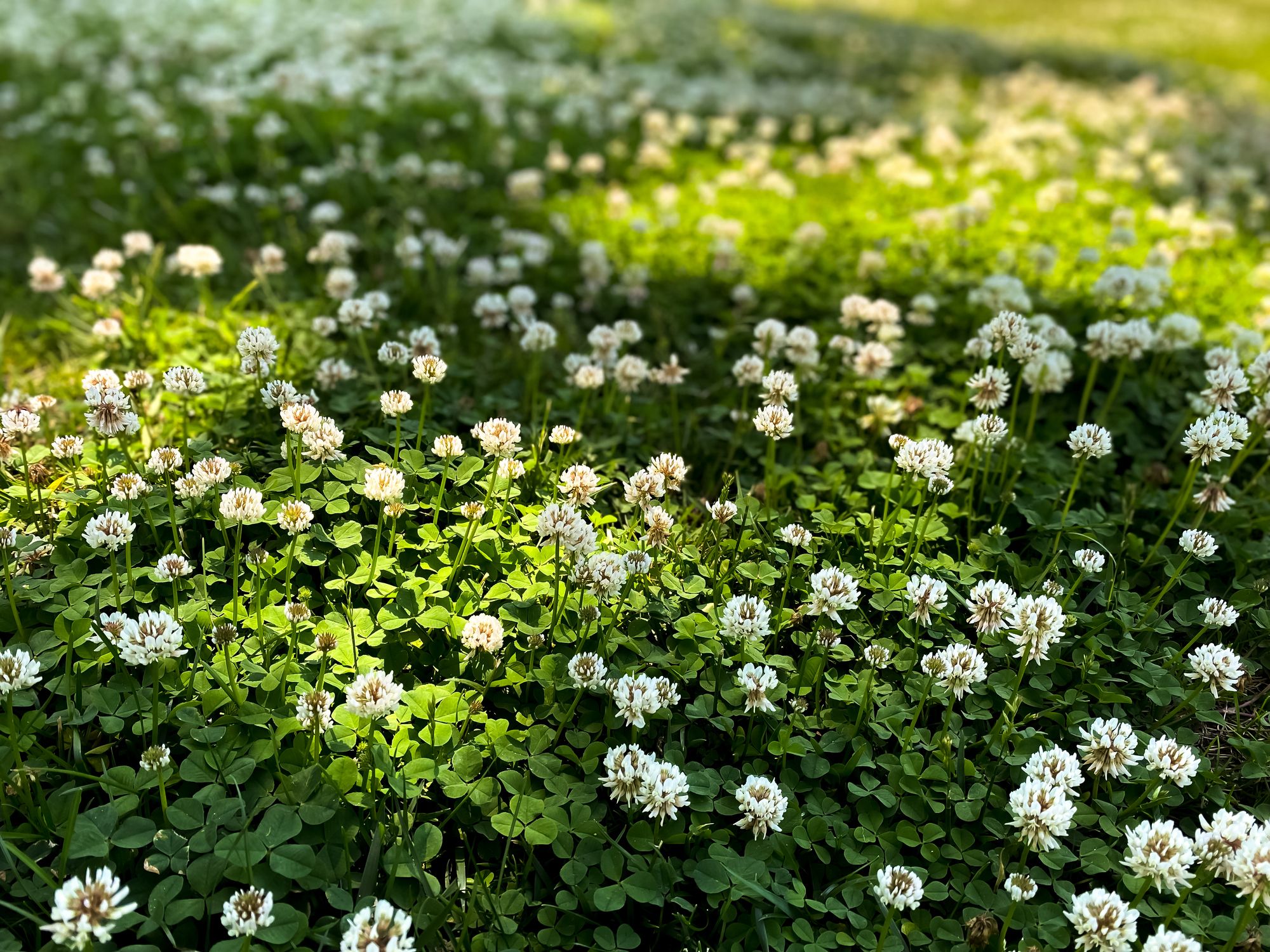
When clover dies back, the vacant space it leaves can be quickly colonized by other, more drought-tolerant plants, especially weeds. These competitors can emerge from their own seed banks or be introduced by wind or wildlife. If these competing species are well-established by the time rains return, they can outcompete the newly germinating clover for resources like sunlight, water, and nutrients, hindering its recovery. This is particularly relevant in natural landscapes or unmanaged lawns where the balance of plant species can shift rapidly. In managed environments, like a garden, selective weeding or the use of herbicides (though not recommended for organic practices) can help reduce competition and give clover a better chance to re-establish.
Management Practices
The way a landscape is managed also significantly impacts clover’s ability to bounce back. Practices such as mowing frequency and height, fertilization regimes, and the use of pesticides can all have indirect effects. Frequent, close mowing can stress clover plants, reducing their ability to produce seeds or store energy in their root systems. Over-fertilization, particularly with high-nitrogen fertilizers, can favor the growth of grasses that may outcompete clover. Conversely, certain lawn care practices that promote a healthy, resilient turf can indirectly benefit clover by maintaining a robust seed bank and viable root structures within the soil. In agricultural settings, crop rotation and tillage practices can influence the soil’s clover seed bank.
Species-Specific Adaptations in California
It is important to note that not all clover species are created equal in their drought tolerance. While the general principles apply, certain varieties are better suited to the arid conditions that can prevail in parts of California.
White Clover (Trifolium repens)
White clover is arguably the most common and resilient species found in lawns and pastures across California. Its creeping habit, through stolons and rhizomes, and its tenacious seed dormancy make it a strong contender for re-emergence after dry spells. It can often be observed wilting significantly during peak summer heat but showing signs of recovery as temperatures cool and moisture increases, even if supplemental watering is minimal. Its ability to establish itself in diverse soil types, from sandy loams to heavier clays, further contributes to its persistence.
Crimson Clover (Trifolium incarnatum)
Crimson clover is a popular annual clover, often used as a cover crop and for its striking red flowers. While it is an annual, it is known for its prolific seed production. If allowed to go to seed before it dies in the dry season, it can readily re-seed itself for the following cool, wet season. Its success in California is largely dependent on its ability to complete its life cycle and produce viable seeds before extreme heat sets in. In drier regions, it may require specific timing of planting or irrigation to ensure successful self-establishment.
Subterranean Clover (Trifolium subterraneum)
Subterranean clover is particularly well-adapted to the Mediterranean climates found in parts of California, including areas around Los Angeles and the coastal regions. As its name suggests, it has a unique self-burial mechanism. After flowering, the flower heads develop into burrs that are pulled down into the soil by specialized stems, where the seeds mature and remain protected. This adaptation provides excellent protection from surface drying and grazing, ensuring high seed viability for future germination. This species is often a reliable performer in drier seasons and is a common component of naturalized meadows and pastures in the region.
Conclusion: A Cycle of Dormancy and Renewal
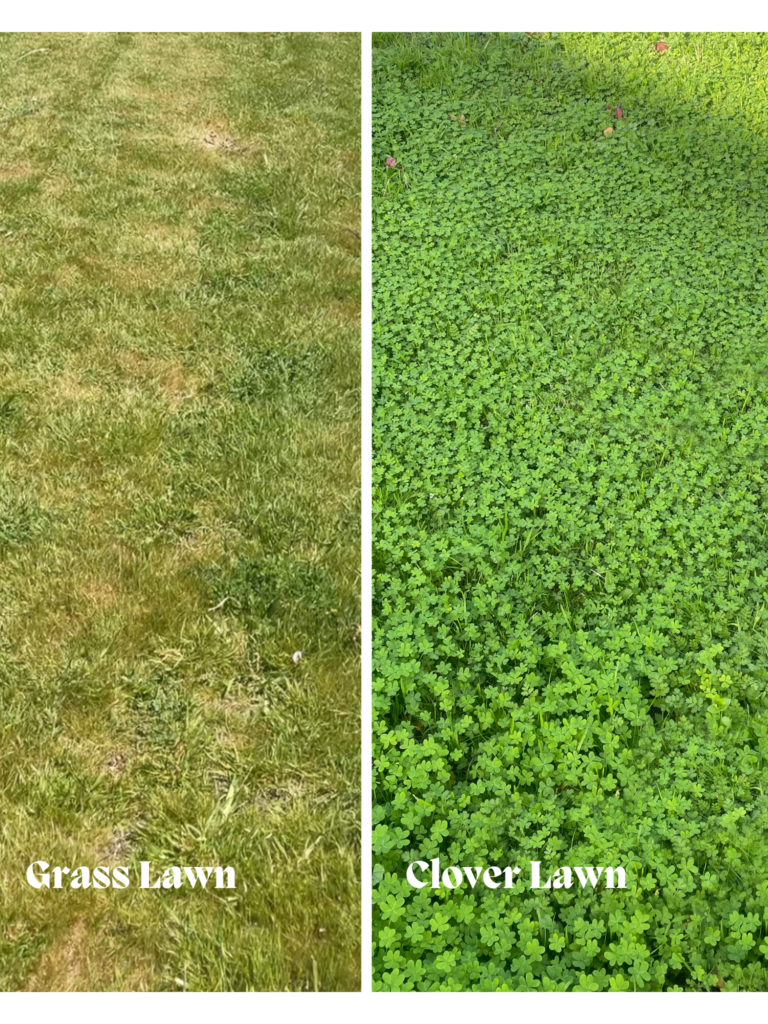
When clovers die dry in California, it is rarely a definitive end to their presence. The phenomenon is more accurately described as a period of dormancy, a strategic pause in their life cycle. The combination of long-lived, dormant seeds within the soil seed bank and the potential for root and rhizome survival means that the potential for regrowth is almost always present. The key to their return lies in the reintroduction of moisture, whether through natural rainfall or human intervention.
The success and speed of this regrowth are dictated by a complex interplay of environmental factors, including the severity and duration of the dry period, the inherent resilience of the specific clover species, the health and water-holding capacity of the soil, and the level of competition from other plant life. In well-managed landscapes or areas with consistent moisture, clover’s return is often predictable and robust. In more challenging, arid environments, or where competition is fierce, its resurgence might be slower, less dense, or dependent on specific restorative actions. Ultimately, the image of clover “dying dry” in California is a testament to nature’s enduring cycles of dormancy and renewal, a promise of green returning with the moisture, waiting patiently beneath the sun-baked earth.
LifeOutOfTheBox is a participant in the Amazon Services LLC Associates Program, an affiliate advertising program designed to provide a means for sites to earn advertising fees by advertising and linking to Amazon.com. Amazon, the Amazon logo, AmazonSupply, and the AmazonSupply logo are trademarks of Amazon.com, Inc. or its affiliates. As an Amazon Associate we earn affiliate commissions from qualifying purchases.