
The landscape of civic participation in California has undergone a profound transformation, subtly yet significantly reshaping the lifestyle of its residents. Once a niche option for a select few, mail-in ballots have evolved from an exception to a norm, fundamentally altering how Californians engage with their democratic process. This shift isn’t merely procedural; it reflects a broader change in societal values towards convenience, accessibility, and sustained civic engagement that defines a modern lifestyle. To understand this evolution, we must trace the history of mail-in voting in the Golden State, from its nascent beginnings to its current ubiquitous presence.
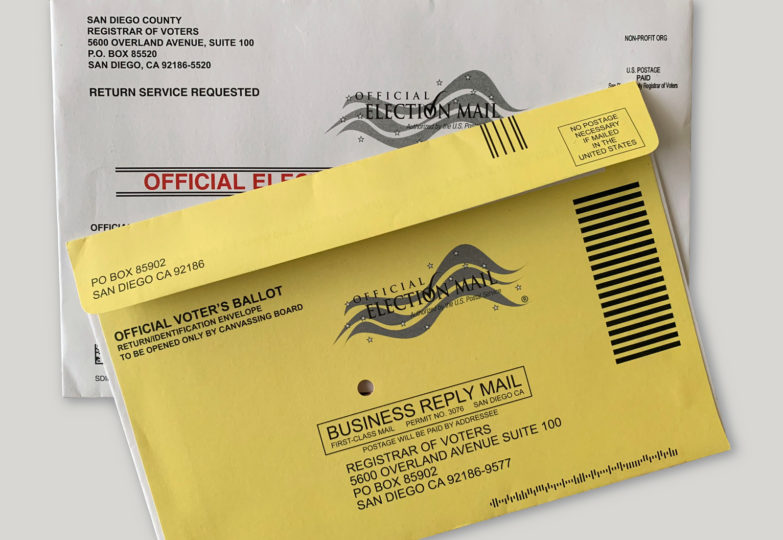
The Evolution of Civic Participation: A Californian Lifestyle Shift
The concept of absentee voting in California is not a modern invention. Its roots stretch back over a century, driven by the practical needs of citizens who, due to various circumstances, found themselves unable to cast their ballots in person on Election Day. This early framework was a rudimentary precursor to the widespread mail-in ballot system we know today, primarily designed to accommodate very specific situations rather than serve as a universal option. The gradual expansion of these provisions reflects an ongoing societal discussion about democratic access and the practicalities of a diverse, mobile populace.
Early Absentee Voting: A Precursor to Modern Convenience
California’s journey towards universal mail-in voting began in the early 20th century. The first significant legislation permitting absentee voting was enacted in 1922. This initial law was quite restrictive, primarily allowing individuals who were absent from their precinct on Election Day due to “business or duty” to cast a ballot by mail. This provision was largely aimed at travelers, military personnel, and those whose professions necessitated their absence from their registered polling place. The intent was not to provide an alternative for all voters but rather to prevent disenfranchisement due to specific, unavoidable circumstances.
For decades, the scope of absentee voting remained narrow. Voters were typically required to provide a valid reason for their absence, often supported by an affidavit. The process was cumbersome, involving specific application deadlines and strict verification procedures. This limited access meant that for the vast majority of Californians, Election Day remained a communal event at a physical polling station, a fixed point in their civic lifestyle. The concept of receiving a ballot unsolicited in the mail was still a distant idea, far removed from the tightly controlled, reason-based system then in place.
Expanding Access: The Progressive Era’s Influence and Subsequent Amendments
The seeds of broader electoral reform in California were sown during the Progressive Era of the early 20th century, a period marked by a push for greater direct democracy and citizen empowerment. While not directly creating widespread mail-in voting, the progressive spirit fostered an environment where the mechanics of voting were continually scrutinized for fairness and accessibility. Over the subsequent decades, amendments to the initial absentee voting laws slowly but surely chipped away at the restrictive requirements.
Key legislative changes in the mid-20th century began to broaden the categories of eligible absentee voters. For instance, individuals who were ill or disabled were eventually permitted to vote by mail. These expansions were incremental, reflecting a cautious approach to electoral changes. Each amendment was typically a response to specific advocacy efforts or identified gaps in voter access. By the 1970s and 1980s, the “business or duty” clause had evolved to include a wider array of reasons, and the process, while still requiring an application, became somewhat less burdensome. However, the requirement to state a reason for absentee voting remained a defining characteristic, differentiating it from the “no-excuse” absentee voting that would later become a hallmark of California’s system. This gradual evolution set the stage for a more radical shift in how Californians would ultimately embrace civic participation as an integrated part of their daily lifestyle.
From Emergency Measures to Permanent Fixture: The 21st Century Transformation
The transition from reason-based absentee voting to widespread, no-excuse mail-in balloting marked a pivotal moment in California’s electoral history, fundamentally altering the civic lifestyle. This shift was not sudden but rather a series of legislative decisions, often spurred by practical considerations and a desire to boost voter participation. The early 2000s saw the crucial step of “no-excuse” absentee voting become widely available, democratizing the mail-in option and setting the trajectory for the system we recognize today.
The “No-Excuse” Era: A Game Changer in 2002
The most significant turning point in California’s mail-in ballot history occurred in 2002. That year, Senate Bill 152 was passed, fundamentally transforming absentee voting by allowing any registered voter to request an absentee ballot without providing a reason. This legislation effectively created “no-excuse” absentee voting. For the first time, Californians could choose to vote from the comfort of their homes simply by requesting a permanent absentee ballot. This move was revolutionary, shifting the paradigm from an “exception-based” voting method to a “convenience-based” one.
The impact on voter lifestyle was immediate and profound. No longer did citizens have to plan their Election Day around work schedules, childcare, or travel. They could receive their ballot weeks in advance, research candidates and propositions at their leisure, and return their completed ballot by mail or at a designated drop-off location. This flexibility significantly reduced barriers to participation and integrated the act of voting more seamlessly into the daily routines of many Californians, particularly in populous urban centers like Los Angeles and San Diego, where traditional polling places could become congested. The shift underscored a broader societal trend towards optimizing personal time and convenience, even in civic duties.

Responding to Crisis: The Pandemic’s Accelerated Impact
While “no-excuse” mail-in voting was a major step, the final push towards universal mail-in ballots was dramatically accelerated by an unforeseen global crisis: the COVID-19 Pandemic in 2020. Facing unprecedented public health challenges and the need to ensure safe and accessible elections, California swiftly moved to send a mail-in ballot to every active registered voter for the November 2020 General Election. This temporary measure, enacted via Executive Order N-64-20 by Governor Gavin Newsom, was designed to protect public health while upholding democratic principles.
This emergency measure proved highly successful in terms of voter turnout and safety, solidifying the arguments for its permanent adoption. In 2021, Governor Newsom signed Assembly Bill 37, making universal mail-in voting a permanent fixture in California elections. This landmark legislation codified the practice, ensuring that for all statewide elections, every registered voter would automatically receive a ballot in the mail. The pandemic, therefore, acted as a catalyst, transforming a long-standing debate into a swift, decisive policy change that cemented mail-in voting as the dominant method of participation in the state. This transition underscored a fundamental adaptation in the Californian lifestyle, where resilience and innovation in civic processes became paramount.
The Modern Californian Voter: A Lifestyle of Engagement
The permanent adoption of universal mail-in ballots has ushered in a new era for California’s democratic process, fundamentally redefining the modern Californian voter’s lifestyle of engagement. This system emphasizes convenience, extended participation windows, and multiple options for ballot return, all designed to maximize accessibility and civic involvement. It reflects a society that values flexibility and choice in how its citizens fulfill their democratic responsibilities.
The Convenience Factor: Integrating Voting into Daily Life
For the contemporary Californian, voting has largely shed its image as a one-day, in-person event, transforming into a multi-week process that seamlessly integrates into their daily life. The arrival of a ballot in the mail weeks before Election Day provides unparalleled convenience. Voters can take their time to research candidates, read through propositions, and discuss issues with family and friends without the pressure of making snap decisions in a polling booth. This extended window for deliberation fosters a more informed and considered electorate.
Furthermore, the options for returning ballots cater to diverse lifestyles. While mailing the ballot remains a popular choice, California has also expanded its network of secure drop boxes, often available 24/7 in convenient locations across cities like Sacramento and Oakland. In addition, vote centers remain open for several days leading up to and including Election Day, offering in-person assistance, voter registration, and the option to cast a ballot in person for those who prefer it or require special accommodations. This multi-faceted approach ensures that every Californian can find a voting method that fits their schedule and preferences, effectively embedding civic duty into the flexible fabric of modern life.
Technology and Accessibility: Enhancing the Voting Experience
Beyond the physical ballot, technology plays an increasingly vital role in enhancing the voting experience for Californians. Online voter registration, which has been available for years, simplifies the process of getting on the rolls. More recently, initiatives like ballot tracking systems allow voters to monitor the status of their mailed ballot, providing transparency and reassurance from the moment it’s sent to the moment it’s counted. This digital integration demystifies the electoral process and provides real-time information, aligning with the tech-savvy lifestyle prevalent in the state.
Efforts to ensure accessibility extend beyond just mail-in convenience. Language access is paramount in diverse California, with ballots and election materials provided in multiple languages as required by law. For voters with disabilities, accessible voting equipment is available at vote centers, ensuring that all citizens can cast their ballots independently and privately. The holistic approach to accessibility—geographical, temporal, and physical—demonstrates California’s commitment to a truly inclusive democratic lifestyle, where participation is not a privilege but a fundamental right made readily available to all.
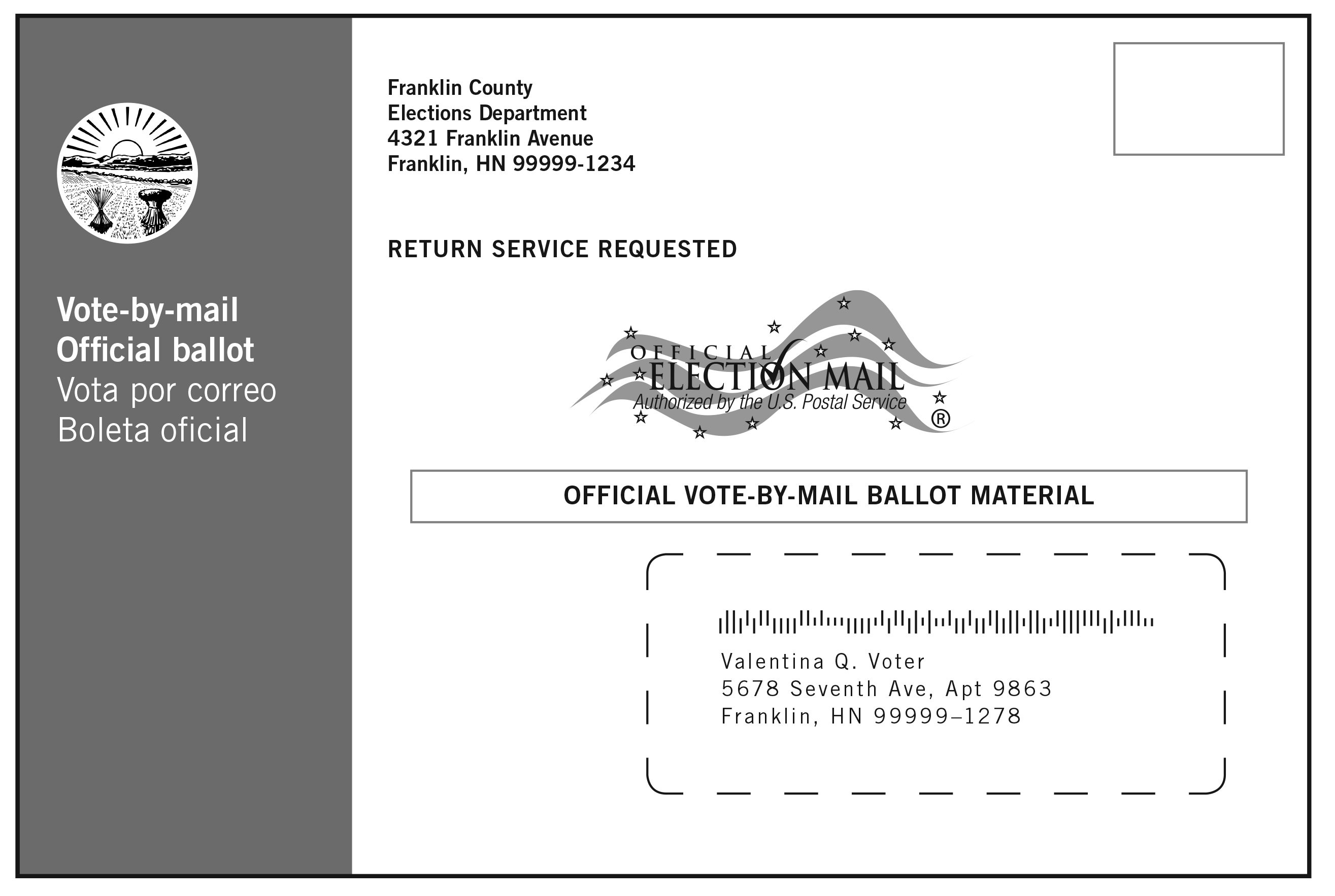
Beyond the Ballot Box: What Mail-In Voting Means for Californian Identity
The evolution of mail-in voting in California is more than a legislative narrative; it’s a story of how a society adapts and redefines its civic identity. The widespread adoption of mail-in ballots has woven itself into the fabric of the Californian lifestyle, influencing everything from political campaigning to the very concept of community engagement. It speaks to a progressive ethos that prioritizes broad participation and pragmatic governance, shaping how Californians view their role in the democratic process.
This system fosters a sense of continuous civic mindfulness, rather than just an acute focus on a single Election Day. With ballots arriving weeks in advance, political discourse and candidate evaluation become an extended part of daily life, discussed in homes, workplaces, and online forums. This prolonged engagement potentially leads to a more informed electorate and a more nuanced understanding of complex policy issues.
Moreover, the flexibility offered by mail-in voting resonates deeply with the independent and diverse spirit of California. It accommodates busy professionals in Silicon Valley, agricultural workers in the Central Valley, students in Berkeley, and retirees along the coast. It acknowledges that modern life is multifaceted and that civic duty should not be an impediment but an accessible right. In this way, mail-in voting has become synonymous with the state’s forward-thinking approach, solidifying a lifestyle where democratic participation is not just expected but actively facilitated, becoming a defining characteristic of the contemporary Californian identity.
LifeOutOfTheBox is a participant in the Amazon Services LLC Associates Program, an affiliate advertising program designed to provide a means for sites to earn advertising fees by advertising and linking to Amazon.com. Amazon, the Amazon logo, AmazonSupply, and the AmazonSupply logo are trademarks of Amazon.com, Inc. or its affiliates. As an Amazon Associate we earn affiliate commissions from qualifying purchases.