
The question “When did Disneyland open in California?” marks the beginning of a fascinating story, not just about a theme park, but about the birth of an entirely new form of family entertainment and a cornerstone of global tourism. The gates to this magical kingdom first swung open on July 17, 1955, forever changing the landscape of leisure and igniting the imagination of millions. This historic event in Anaheim, California, was the culmination of one man’s audacious vision, a monumental construction effort, and a belief that a place could exist where adults and children could play together. More than just an opening date, July 17, 1955, represents the genesis of an iconic landmark and a cultural phenomenon that continues to draw visitors from every corner of the globe, shaping travel experiences and inspiring countless dreams.
The Visionary Behind the Magic: Walt Disney’s Dream
The creation of Disneyland was not merely a business venture; it was the deeply personal dream of Walt Disney, an innovator, storyteller, and visionary who believed in the power of imagination. Long before the park’s opening, Walt Disney observed families visiting amusement parks and fairs of the era, noting their often-gritty nature and lack of activities that truly engaged both parents and children. He envisioned a cleaner, safer, and more immersive environment where his beloved animated characters could come to life, and where stories could be experienced firsthand. This ambition far exceeded the scope of traditional amusement parks, aiming instead for a meticulously crafted world that transcended reality.
From Cartoons to Theme Park Pioneer
Walt Disney’s career began in animation, building an empire on beloved characters like Mickey Mouse and pioneering feature-length animated films. However, his creative spirit extended beyond the silver screen. He often watched his daughters ride a carousel at Griffith Park in Los Angeles and yearned for a place where families could share experiences together. This desire sparked the initial concept of a “Mickey Mouse Park” adjacent to his Burbank studios, a modest proposal that quickly grew into something far grander.
He surrounded himself with a team of artists, architects, and engineers, collectively known as “Imagineers,” tasked with transforming his abstract ideas into tangible experiences. This collaborative approach was unprecedented in the entertainment industry and set the standard for future theme park development. From the earliest sketches, Disneyland was conceived as a narrative space, divided into distinct “lands” like Fantasyland, Adventureland, Frontierland, and Tomorrowland, each designed to transport guests to different worlds and eras. This revolutionary concept moved beyond mere rides, creating immersive environments that engaged all the senses.
Scouting the Perfect Location in Anaheim
Finding the ideal location for Disneyland was a critical step in realizing Walt Disney’s ambitious plan. His initial idea for a small park next to his studios proved impractical due to space constraints. He needed a vast expanse of land, accessible to a growing population, yet far enough from urban sprawl to offer a sense of escape. After extensive research and scouting, a 160-acre orange grove in the then-sleepy agricultural community of Anaheim, located in Orange County in Southern California, was chosen.
This site was strategically located near the newly constructed Santa Ana Freeway (I-5), making it easily reachable by car from Los Angeles and other major population centers. The relatively undeveloped nature of Anaheim also provided the necessary privacy and control over the surrounding environment that Walt Disney desired to maintain the park’s carefully crafted illusion. The selection of Anaheim not only birthed a park but also transformed the entire region, turning it into a major tourist destination and a hub for hotels, restaurants, and related businesses, a true testament to the economic impact of a single visionary project.
Building the “Happiest Place on Earth”: Construction and Challenges
The construction of Disneyland was an extraordinary feat of engineering and imagination, undertaken with an almost impossible deadline and significant financial challenges. Walt Disney famously mortgaged his life insurance and sought unconventional funding, ultimately securing a deal with ABC (American Broadcasting Company) in exchange for television programming and a stake in the park. This partnership provided crucial capital and a massive promotional platform through the “Disneyland” television series, which allowed audiences to witness the park’s creation unfold.
A Race Against Time: The Unprecedented Project
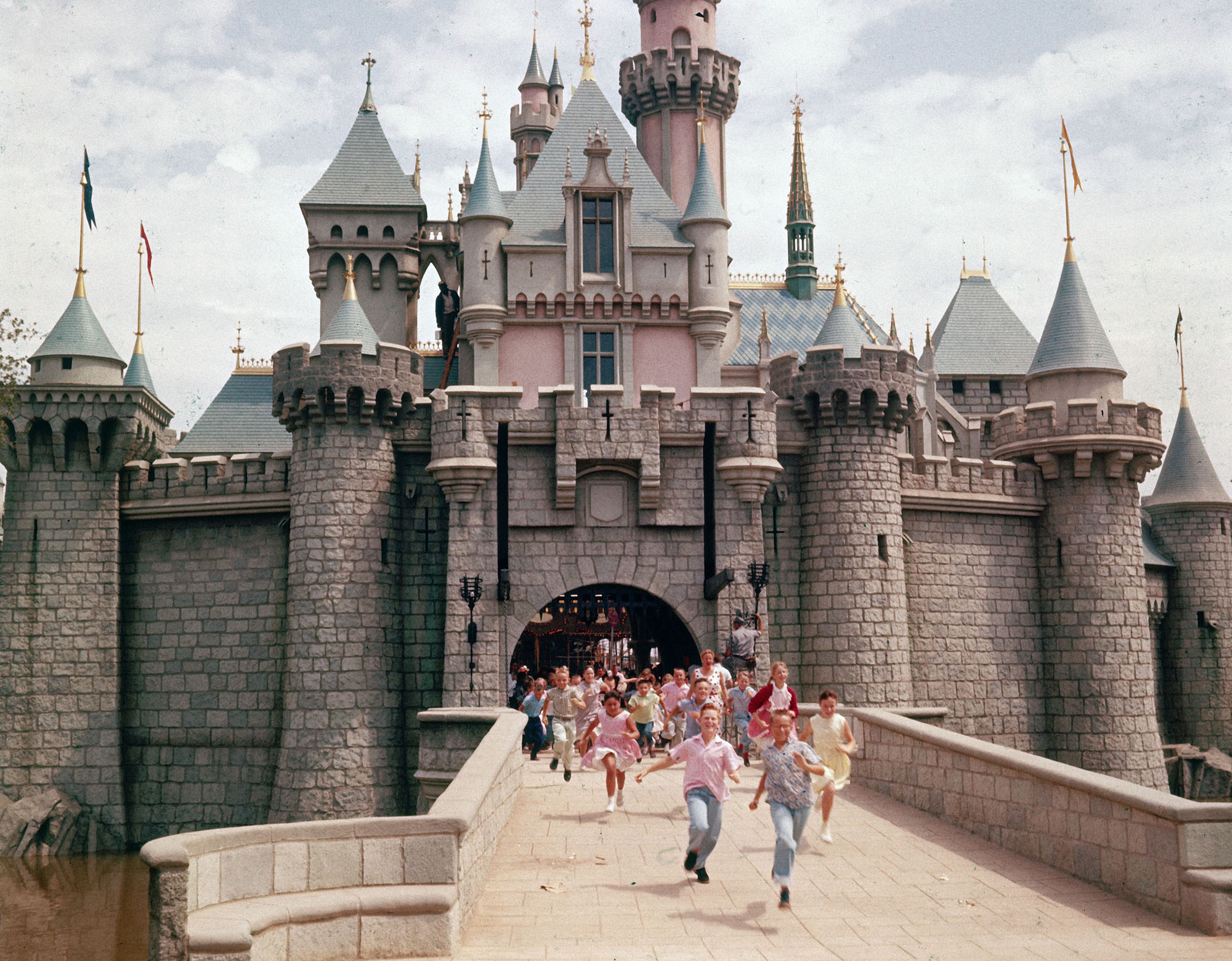
Ground broke on July 21, 1954, just one year and one day before the planned opening date. Building a park of this scale and complexity in such a short timeframe was unprecedented. Thousands of workers toiled day and night, transforming the vast orange grove into a fantastical landscape. Trees were moved, rivers were dug, and iconic structures like Sleeping Beauty Castle began to rise. The construction process was meticulously planned, yet constantly adapted as Walt Disney himself was deeply involved, often making changes on the fly to ensure his vision was perfectly realized.
The sheer logistical challenge was immense. Every detail, from the scale of the buildings on Main Street, U.S.A. (designed with forced perspective to appear taller) to the vegetation in Adventureland, was considered. The project required innovation in everything from ride mechanics to landscaping, pushing the boundaries of what was considered possible in entertainment design. This frantic pace and dedication underscore the monumental effort required to bring Disneyland to life against a backdrop of tight budgets and relentless deadlines.
Ingenuity and Innovation: Crafting the Early Attractions
The early attractions of Disneyland were marvels of their time, blending storytelling with pioneering technology. For instance, the Jungle Cruise in Adventureland utilized animatronic animals and elaborate sets to simulate exotic river expeditions. Tomorrowland showcased futuristic concepts, while Fantasyland brought classic fairy tales to life with dark rides and whimsical designs.
These initial attractions laid the groundwork for future innovation within the theme park industry. Walt Disney and his Imagineers were not just building rides; they were creating immersive worlds where guests could step directly into stories. This focus on experiential storytelling, combined with meticulous attention to detail and a commitment to quality, set Disneyland apart from its predecessors and established a new benchmark for family entertainment that countless other parks and attractions would later strive to emulate.
Opening Day: A Star-Studded but Chaotic Debut
The grand opening of Disneyland on July 17, 1955, was broadcast live on national television, hosted by Hollywood legends Art Linkletter, Ronald Reagan, and Bob Cummings. Touted as “Dateline Disneyland,” the special promised a glimpse into “The Happiest Place on Earth.” While the event was a monumental milestone, it was also famously marred by a series of mishaps, earning it the nickname “Black Sunday.”
“Black Sunday”: The Infamous Premiere
Despite meticulous planning, the sheer scale of the live broadcast and an overwhelming, uninvited crowd led to considerable chaos. Counterfeit tickets flooded the gates, allowing an estimated 28,000 to 33,000 people into a park designed for far fewer, causing unprecedented overcrowding. Food and drink stands quickly ran out of supplies, and a plumbers’ strike meant that many water fountains were not operational on a scorching 100-degree Anaheim day. Asphalt laid just hours before opening proved too soft, causing women’s high heels to sink into the ground, and several rides experienced technical difficulties.
The live television broadcast itself faced challenges, with camera angles missing key moments and segments running over time. Despite the chaos, Walt Disney delivered his famous dedication speech, declaring, “To all who come to this happy place; welcome. Disneyland is your land. Here age relives fond memories of the past, and here youth may savor the challenge and promise of the future. Disneyland is dedicated to the ideals, the dreams, and the hard facts that have created America, with the hope that it will be a source of joy and inspiration to all the world.” This sentiment, despite the surrounding mayhem, captured the enduring spirit of the park.
Overcoming Initial Hurdles and Evolving Rapidly
While “Black Sunday” was a rough start, the Disneyland team quickly addressed the issues. Within days, the park’s operations stabilized, and word-of-mouth began to spread about its unique appeal. The initial glitches quickly faded into history, overshadowed by the overwhelming positive response from genuine visitors. The park became an instant sensation, welcoming its one-millionth visitor just seven weeks after opening.
Walt Disney continued to personally oversee additions and improvements, ensuring that the park was always evolving. Iconic attractions like the Matterhorn Bobsleds (the first tubular steel roller coaster), Pirates of the Caribbean, and the Haunted Mansion were added in subsequent years, solidifying Disneyland’s reputation as a groundbreaking destination. This continuous innovation and commitment to guest experience cemented its status as a timeless attraction, proving that a rocky start could not deter a truly revolutionary idea.
Disneyland’s Enduring Legacy and Global Impact
Since its opening in 1955, Disneyland has become far more than just a theme park; it is a cultural icon, an economic powerhouse, and a blueprint for the modern entertainment industry. Its success inspired the creation of other Disney Parks around the world, including Walt Disney World Resort in Florida, Tokyo Disneyland, Disneyland Paris, Hong Kong Disneyland, and Shanghai Disneyland. Each of these parks carries the DNA of the original, adapted to local cultures and technological advancements, but always rooted in Walt Disney’s foundational vision.
A Blueprint for Modern Tourism and Entertainment
Disneyland’s meticulous design, immersive storytelling, and commitment to guest service revolutionized the tourism industry. It demonstrated that a destination could offer more than just rides; it could provide a complete, escapist experience. The integration of themes, characters, and high-quality attractions set a new standard for entertainment venues worldwide. It proved that families were willing to travel great distances and invest significantly in unique, shared experiences.
The park also pioneered many operational aspects that are now standard in large-scale attractions, from efficient crowd management techniques to themed retail and dining experiences. Its influence can be seen in countless other theme parks, resorts, and entertainment complexes globally, all of which owe a debt to Walt Disney’s original concept. Disneyland didn’t just open a park; it opened an entire industry.

Inspiring Generations of Travelers and Innovators
For nearly seven decades, Disneyland has captivated generations of visitors. For many, a trip to Disneyland is a rite of passage, a cherished family memory, or the fulfillment of a lifelong dream. The park continues to evolve, adding new lands like Star Wars: Galaxy’s Edge and enhancing classic attractions, ensuring its relevance and appeal to contemporary audiences while preserving its nostalgic charm.
Beyond entertainment, Disneyland has also inspired countless innovators in fields ranging from engineering and architecture to hospitality and design. The “Imagineering” philosophy of blending creativity with technical expertise remains a model for problem-solving and innovation across various industries. It stands as a testament to the power of a bold vision, meticulous execution, and the unwavering belief in making dreams a reality.

Planning Your Own Magical Escape to Disneyland Today
For those looking to experience the magic that began on July 17, 1955, visiting Disneyland Resort in Anaheim, California, remains an unparalleled travel destination. The resort now encompasses two distinct theme parks – the original Disneyland Park and Disney California Adventure Park – along with the Downtown Disney District for dining, shopping, and entertainment.
Navigating the Parks and Experiencing Iconic Rides
A visit to Disneyland Park is a journey through history and imagination. You can stroll down Main Street, U.S.A. just as visitors did in 1955, marvel at Sleeping Beauty Castle, and venture into the original themed lands. Don’t miss classic attractions like It’s a Small World, Pirates of the Caribbean, and the Haunted Mansion, which continue to delight new generations. Thrill-seekers will enjoy the Matterhorn Bobsleds, Space Mountain, and the immersive experiences of Star Wars: Galaxy’s Edge.
Disney California Adventure Park offers a different flavor, celebrating the history and diverse landscapes of California with attractions inspired by Pixar films and Marvel superheroes. From the thrilling Guardians of the Galaxy – Mission: BREAKOUT! to the picturesque Grizzly Peak and the charming Cars Land, there’s something for every age and interest. Utilizing the official Disneyland app for wait times, mobile ordering, and Genie+ services can significantly enhance your park experience.
Where to Stay: Accommodation Options Near the Magic
As a premier tourism destination, Anaheim offers a vast array of accommodation choices to suit every budget and lifestyle. On-site, the Disneyland Resort boasts three flagship hotels: the iconic Disneyland Hotel, the luxurious Disney’s Grand Californian Hotel & Spa, and the vibrant Disney’s Paradise Pier Hotel. These offer exclusive perks like early park entry and themed experiences, making them ideal for those seeking an immersive stay.
Beyond the resort, Anaheim is home to hundreds of “Good Neighbor Hotels,” ranging from budget-friendly motels to upscale suites and full-service resorts within walking distance or a short shuttle ride to the parks. Many of these hotels cater specifically to families, offering amenities like pools, complimentary breakfasts, and spacious rooms. Researching options based on proximity, price, and desired amenities is key to finding the perfect base for your Disneyland adventure. Whether you prioritize luxury, convenience, or budget travel, Anaheim has options to enhance your overall experience.
Beyond the Park: Exploring Anaheim and Southern California
While Disneyland is undoubtedly the main draw, the city of Anaheim and the wider Southern California region offer numerous other attractions worth exploring. The Anaheim Packing District, a vibrant food hall housed in a historic citrus packing plant, provides a fantastic culinary experience. Sports enthusiasts can catch an Anaheim Angels baseball game at Angel Stadium or see the Anaheim Ducks play hockey at the Honda Center.
Day trips can extend your California experience to include the beautiful beaches of Orange County like Newport Beach or Laguna Beach, the excitement of Universal Studios Hollywood in Los Angeles, or the classic fun of Knott’s Berry Farm nearby. Engaging with the local culture, enjoying diverse food, and discovering activities beyond the magical gates can enrich your overall travel experience, showcasing the best of what Southern California has to offer.
In conclusion, the opening of Disneyland on July 17, 1955, was not just an event; it was a revolution. It transformed a patch of orange groves into “The Happiest Place on Earth,” a destination that continues to enchant, innovate, and inspire. From Walt Disney’s audacious vision to its ongoing evolution as a global landmark and tourism powerhouse, Disneyland remains a vibrant testament to the enduring magic of imagination and the universal desire for shared joy. Planning a visit today offers a chance to step into a piece of history and create new memories in a place where dreams truly do come true.
LifeOutOfTheBox is a participant in the Amazon Services LLC Associates Program, an affiliate advertising program designed to provide a means for sites to earn advertising fees by advertising and linking to Amazon.com. Amazon, the Amazon logo, AmazonSupply, and the AmazonSupply logo are trademarks of Amazon.com, Inc. or its affiliates. As an Amazon Associate we earn affiliate commissions from qualifying purchases.