
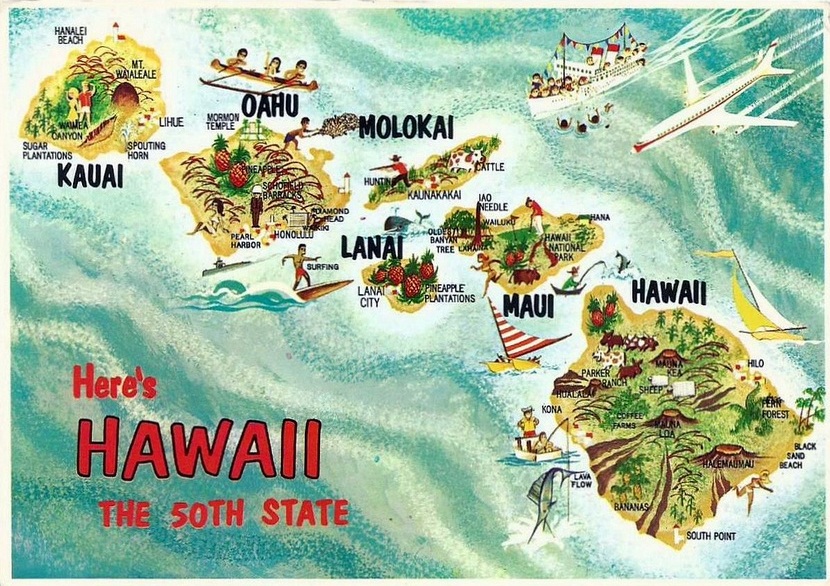
Hawaii, a chain of volcanic islands in the heart of the Pacific Ocean, evokes images of pristine beaches, lush rainforests, and vibrant cultures. It is a dream destination for many, a place where the spirit of Aloha permeates the air. While its allure as a tropical paradise is undeniable, understanding Hawaii’s political status as the 50th state of the United States adds a crucial layer to its identity and its significance in American history. The journey to statehood was a complex and protracted one, shaped by geopolitical shifts, economic interests, and the desires of the Hawaiian people themselves. To fully appreciate Hawaii, one must delve into the historical context that led to its integration into the American union.
The Kingdom of Hawaii: A Sovereign Nation
Before its annexation and eventual statehood, Hawaii existed as an independent, sovereign kingdom for centuries. The Polynesian people who first settled the islands developed a rich and distinct culture, with a complex social structure, a unique language, and deeply ingrained traditions. The arrival of European explorers, notably Captain James Cook in 1778, marked a turning point, ushering in an era of increasing foreign influence.
Unification and the Royal Dynasty
The islands were unified under a single monarchy in 1810 by King Kamehameha I, who established the Kingdom of Hawaii. This period saw the development of a constitutional monarchy, with subsequent rulers like King Kamehameha III implementing significant reforms, including the establishment of a bill of rights and the abolition of the ancient kapu system. The Hawaiian monarchy, while facing external pressures, maintained its independence for much of the 19th century, fostering a distinct national identity and engaging in international diplomacy.
Growing Foreign Influence and Economic Ties
As the 19th century progressed, foreign powers, particularly the United States and Great Britain, developed significant economic interests in Hawaii, primarily driven by the burgeoning sugar industry. American missionaries and businessmen established a strong presence, influencing the Hawaiian government and economy. This growing economic and political entanglement would lay the groundwork for future annexation efforts. Treaties were signed, such as the Reciprocity Treaty of 1875, which granted the United States exclusive rights to Pearl Harbor in exchange for duty-free sugar imports, further solidifying American economic leverage.
The Overthrow and Annexation: A Controversial Chapter
The latter half of the 19th century witnessed increasing political instability and a growing divide between the native Hawaiian population and the foreign business elite. This culminated in a pivotal and highly contentious event that dramatically altered the course of Hawaiian history.
The 1893 Coup and the Provisional Government
In 1893, a group of American and European businessmen, with the support of the United States minister to Hawaii and a contingent of U.S. Marines, overthrew the reigning monarch, Queen Liliuokalani. The queen was attempting to promulgate a new constitution that would restore power to the monarchy and disenfranchise foreign residents. The overthrow was met with resistance from native Hawaiians, but the provisional government, led by Sanford B. Dole, quickly consolidated power, with the explicit aim of annexation by the United States.
The Republic of Hawaii and the Path to Annexation
Following the overthrow, the provisional government established the Republic of Hawaii in 1894. Despite significant opposition from native Hawaiians, who petitioned against it, and a failed attempt by President Grover Cleveland to restore the monarchy, the U.S. Congress, influenced by expansionist ambitions and strategic interests, passed the Newlands Resolution in 1898, formally annexing Hawaii. This act effectively ended Hawaii’s sovereignty and integrated it as a U.S. territory.
The Road to Statehood: A Long-Awaited Recognition
Becoming a U.S. territory was not the final step in Hawaii’s integration into the American fabric. The path to becoming the 50th state was a decades-long process, marked by persistent advocacy, changing political landscapes, and evolving American perspectives.
Territorial Status and the Fight for Rights
As a U.S. territory, Hawaii possessed a degree of self-governance but lacked the full representation and rights afforded to states. Native Hawaiians and residents of Hawaii continued to advocate for full statehood, arguing that they deserved equal standing within the union. This movement gained momentum throughout the 20th century, fueled by the contributions of Hawaiians to the nation, particularly during World War II, and a growing desire for political parity. The territorial legislature consistently passed resolutions calling for statehood, but these efforts were often met with resistance from various political factions in Washington D.C.
The Strategic Importance and the Push for Statehood
Hawaii’s strategic importance, especially after the attack on Pearl Harbor in 1941, became increasingly evident. Its location in the Pacific made it a vital military outpost and a key player in American foreign policy. The end of World War II further amplified the arguments for statehood. Proponents argued that it was hypocritical to deny full citizenship and representation to a population that had demonstrated unwavering loyalty and made significant sacrifices for the United States. Furthermore, the growing diversity of Hawaii’s population, with significant contributions from various ethnic groups, lent further weight to the statehood movement.
The Final Vote and the 50th Star
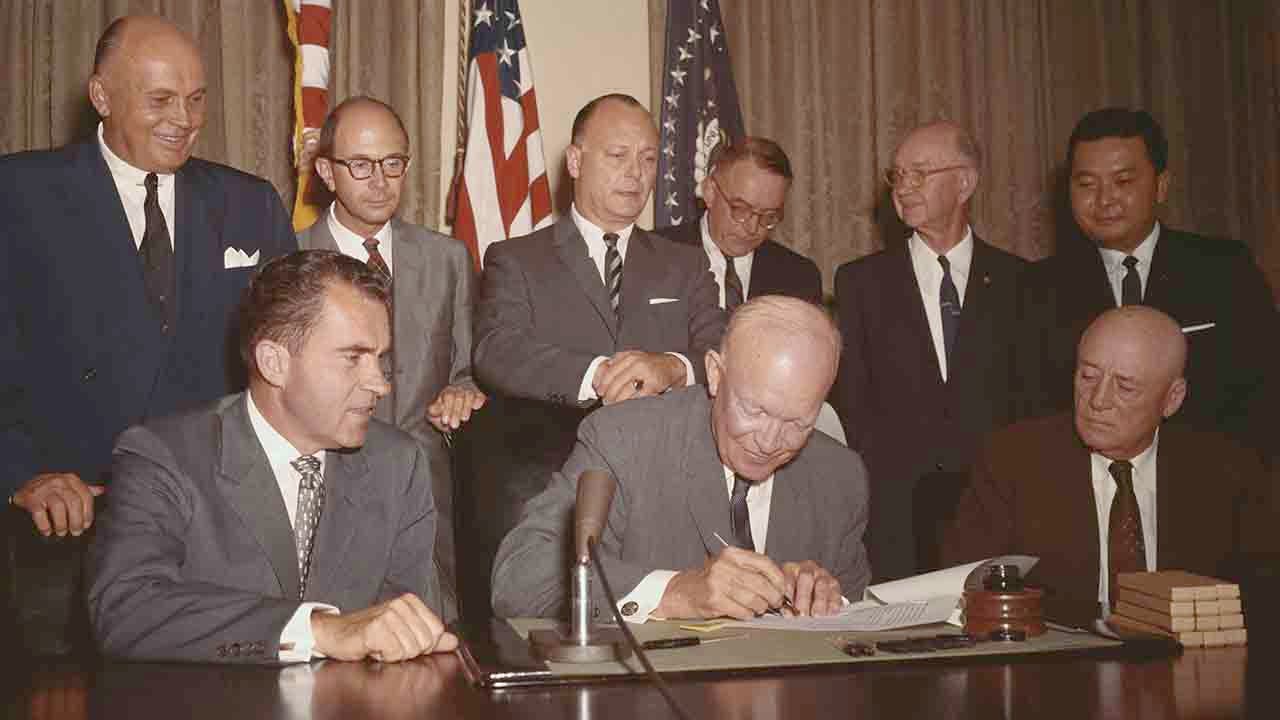
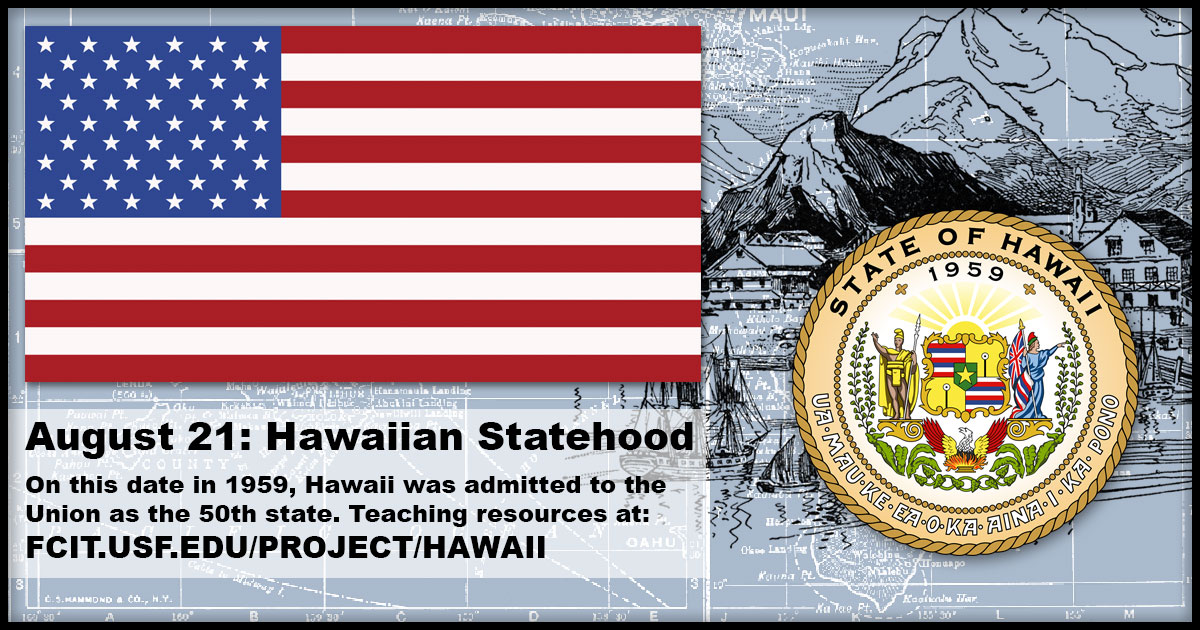
After years of debate and political maneuvering, the United States Congress finally passed the Hawaii Admission Act. On August 21, 1959, Hawaii officially became the 50th state of the United States. This historic event was celebrated across the islands and by Americans nationwide, signifying the culmination of a long and complex journey from an independent kingdom to a full-fledged state. The 50th star was added to the American flag, symbolizing the inclusion of this unique and beautiful archipelago into the American union.
LifeOutOfTheBox is a participant in the Amazon Services LLC Associates Program, an affiliate advertising program designed to provide a means for sites to earn advertising fees by advertising and linking to Amazon.com. Amazon, the Amazon logo, AmazonSupply, and the AmazonSupply logo are trademarks of Amazon.com, Inc. or its affiliates. As an Amazon Associate we earn affiliate commissions from qualifying purchases.