
California, a state often synonymous with sunshine and year-round pleasant weather, is in fact a land of remarkable climatic diversity. From the misty, cool shores of the Pacific Ocean to the sun-baked expanses of its deserts and the snow-capped peaks of its towering mountains, “What’s the temperature in California?” is a question with a myriad of answers. Understanding this meteorological tapestry is key to planning an unforgettable journey, whether you’re seeking a serene coastal escape, a thrilling mountain adventure, or a vibrant urban exploration. This guide delves into California’s distinct climate zones, offering insights for every type of traveler, from luxury seekers to budget adventurers, and highlighting how temperature influences everything from the best time to visit to the ideal accommodation choices.
Understanding California’s Diverse Climate Zones
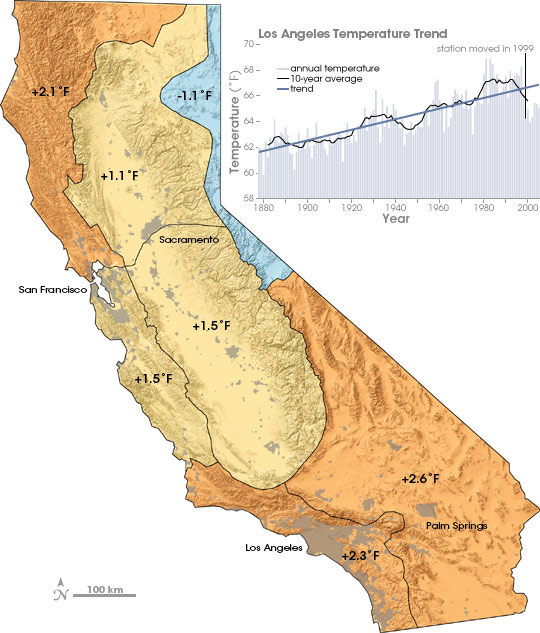
California’s expansive geography, stretching over 800 miles from north to south and encompassing diverse topographies, gives rise to at least six major climate zones. Each zone offers a unique experience, profoundly impacting local culture, available activities, and the very rhythm of life. For tourists planning their itinerary, recognizing these differences is paramount to packing appropriately, choosing the right destinations for their preferred activities, and securing suitable accommodation.
The Mild Embrace of Coastal California
The vast California coastline, influenced by the cool currents of the Pacific Ocean, enjoys a Mediterranean climate characterized by mild, wet winters and dry, warm summers, often tempered by refreshing sea breezes and morning fog. Cities like San Francisco, Los Angeles, and San Diego epitomize this climate.
In San Francisco, summers are surprisingly cool, with average highs rarely breaking 70°F (21°C), often enveloped in its famous fog, making it perfect for exploring landmarks like the Golden Gate Bridge or enjoying a cable car ride without overheating. Winters are mild, typically ranging from 45-58°F (7-14°C), with most rainfall occurring between November and March. Accommodation here ranges from charming boutique hotels in Fisherman’s Wharf to luxurious suites overlooking the bay, many offering cozy fireplaces for those cooler evenings.
Further south, Los Angeles enjoys warmer summers, often in the high 70s and 80s°F (25-30°C), with heat waves pushing temperatures higher, especially inland. Winters are comfortable, usually staying above 50°F (10°C). This climate makes it ideal for year-round enjoyment of its beaches, theme parks like Disneyland, and the vibrant urban life of Hollywood. Many resorts and hotels in areas like Santa Monica and Malibu boast outdoor pools and ocean-view dining, catering to a luxury travel lifestyle.
San Diego, known for its “perfect weather,” experiences even milder temperatures, with summer highs consistently in the 70s°F (21-26°C) and winter lows rarely dropping below 45°F (7°C). This perpetual spring-like weather is a boon for tourism, supporting outdoor activities year-round, from surfing to exploring Balboa Park. Accommodation here often includes family-friendly resorts with extensive amenities and comfortable apartments for longer stays, perfect for enjoying the local culture and acclaimed food scene.
The Golden Glow of Central Valley
Separated from the coast by mountain ranges, California’s vast Central Valley, home to cities like Sacramento and Bakersfield, experiences a Mediterranean climate with more extreme temperature variations. Summers are hot and dry, often reaching into the high 90s or even 100s°F (32-38°C+), while winters are cool and foggy, with temperatures typically ranging from 30s to 50s°F (0-15°C).
The intense summer heat makes outdoor activities challenging during midday, but evenings offer pleasant relief. This region is the agricultural heartland, and its climate is perfect for growing fruits, nuts, and vegetables. Visitors interested in local culture can explore farm-to-table culinary experiences or visit wineries in the surrounding foothills. Hotels in cities like Sacramento often feature robust air conditioning and swimming pools, essential for comfort during the peak summer months. Budget travel options are more readily available here compared to the major coastal cities, making it an accessible option for families or those on a tighter budget looking to explore California’s diverse landscape.
High Deserts and Mountain Peaks
East of the Central Valley, the landscape dramatically shifts to the towering Sierra Nevada mountains and high desert plateaus. This region encompasses iconic destinations such as Yosemite National Park and Lake Tahoe.
In the Sierra Nevada mountains, temperatures vary drastically with elevation and season. Summers are warm and dry, ideal for hiking and exploring Yosemite National Park’s majestic waterfalls and giant sequoias, with daytime temperatures in the 70s and 80s°F (21-30°C). Winters bring significant snowfall, transforming the landscape into a winter wonderland perfect for skiing and snowboarding, with temperatures often well below freezing. Accommodation ranges from rustic cabins within Yosemite to luxury resorts around Lake Tahoe offering ski-in/ski-out access and spa amenities. Booking well in advance is crucial, especially for peak seasons.
The high deserts, like those near Palm Springs (though technically a low desert valley, it shares characteristics of the broader desert climate) and Joshua Tree National Park, experience hot summers where temperatures can soar above 100°F (38°C), and cooler, clear winters with daytime highs in the 60s and 70s°F (15-25°C) and nighttime lows dropping considerably. This makes winter and spring the prime seasons for exploring the unique desert flora and rock formations. Palm Springs is a renowned destination for luxury travel, offering opulent resorts, golf courses, and mid-century modern architecture. Visitors should prioritize accommodation with excellent air conditioning and swimming pools, and perhaps consider private villas for a truly exclusive experience.
The Southern Deserts: Intense Heat and Stark Beauty
The southeastern corner of California is dominated by the Mojave Desert and Colorado Desert, home to extreme environments like Death Valley, one of the hottest places on Earth. Summers here are relentlessly hot, with daily highs frequently exceeding 110°F (43°C) and often reaching 120°F (49°C) or more. Even nights offer little relief.
Winter is the most advisable time to visit, when temperatures are much milder, typically ranging from 60-75°F (15-24°C) during the day, making it conducive for hiking and sightseeing. While the extreme heat deters summer visitors, the unique geological formations and stark beauty of these regions draw a certain type of adventurer during the cooler months. Accommodation is sparse and often needs to be booked far in advance. Tips for travelers include carrying ample water, staying on marked trails, and always checking weather advisories. This kind of travel often falls under the “adventure tourism” category, valuing unique experiences over traditional luxury.
Planning Your California Adventure: Weather-Wise Travel
Navigating California’s diverse temperatures requires strategic planning to maximize your travel experiences. Each season unlocks different possibilities and demands distinct preparations.

Best Seasons for Specific Experiences
- Beach & Coastal Activities: Late spring to early fall (May-October) offers the warmest ocean temperatures and sunniest days along the coast, though “June Gloom” and “May Gray” can bring morning fog to Southern California beaches. Destinations like Santa Barbara, Monterey, and San Diego are at their peak.
- Mountain Adventures & Skiing: Winter (December-April) is prime for skiing, snowboarding, and other snow sports in the Sierra Nevada mountains around Lake Tahoe and Mammoth Mountain. Summer (June-September) is ideal for hiking, camping, and exploring Yosemite National Park and other wilderness areas, as snow melts and trails open.
- Desert Exploration: Fall, winter, and spring (October-April) are the best times to visit Death Valley, Joshua Tree National Park, and Palm Springs, avoiding the scorching summer heat. This is when the desert wildflowers bloom, offering stunning photographic opportunities.
- Wine Tasting: Spring and fall (March-May, September-November) are excellent for visiting Napa Valley and Sonoma Valley. The weather is pleasant, and vineyards are either blooming or harvesting, offering unique experiences. Local culture here often revolves around exquisite food pairings and vineyard tours.
Packing Smart for California’s Microclimates
Given the rapid shifts in temperature and weather, especially along the coast, layering is crucial. Even on a warm day in San Francisco, a sudden fog roll-in can drop temperatures significantly.
- Coastal Areas: Always pack layers – a light jacket or sweater is essential, even in summer. Sunglasses and sunscreen are a must.
- Central Valley: Light, breathable clothing for summer, but a jacket for cooler evenings. Winters require warmer clothing, possibly rain gear.
- Mountains: Depending on the season, pack for extreme cold (snow gear, thermal layers) or for warm days and cool nights (hiking boots, layers, rain jacket).
- Deserts: Light-colored, loose-fitting clothing to reflect sun, wide-brimmed hats, and plenty of water are essential in warmer months. In winter, bring layers as desert nights can be surprisingly chilly.
Remember that booking flexible accommodation and transportation can be beneficial, especially if your travel plans span multiple climate zones. Reviewing hotel amenities like air conditioning, heating, and pool access based on the season is also a smart move.
Beyond the Thermometer: Experiencing California’s Lifestyle and Tourism
California’s climate isn’t just about temperature; it shapes the very lifestyle and tourism offerings across the state. From luxurious getaways to adventurous family trips, the weather plays a pivotal role in defining the experience.
Coastal Escapes and Urban Wonders
The mild coastal climate fosters a vibrant outdoor lifestyle, influencing local culture and culinary scenes. In Southern California, the consistent warmth supports a thriving surf culture, beach volleyball, and an emphasis on health and wellness. Luxury travel here often involves beachfront resorts in Laguna Beach or Malibu, offering spa services and gourmet dining. Urban centers like Los Angeles and San Francisco leverage their moderate temperatures for outdoor dining, street festivals, and year-round cultural events. Tourism here is a blend of iconic landmarks like the Hollywood Walk of Fame and hidden gems discovered on walking tours.
Mountain Retreats and Wilderness Adventures
The distinct seasons of the mountain regions cater to different types of travelers. Winter is for the thrill-seekers and snow lovers, with ski resorts offering not just slopes but also a cozy atmosphere with fireplaces, hot tubs, and fine dining. Summer transforms these areas into havens for hikers, climbers, and nature enthusiasts, with accommodations ranging from rustic cabins to glamping sites. Yosemite National Park is a prime example of a destination where the choice of season completely changes the travel experience, from viewing frozen waterfalls to lush, flowing rivers. Family trips often gravitate towards these regions for outdoor activities and a break from urban life.
Desert Oasis Luxury and Culture
The intense, stark beauty of California’s deserts provides a unique backdrop for tourism. Palm Springs has carved a niche as a luxury travel destination, renowned for its mid-century modern architecture, art scene, and resort amenities like world-class golf courses and lavish pools. The relatively dry heat makes evenings comfortable for outdoor dining and stargazing. The local culture here is laid-back yet sophisticated, offering a distinct contrast to the coastal bustle. For those seeking a more rugged experience, Joshua Tree National Park offers unique natural history and incredible opportunities for hiking and bouldering, often attracting budget travelers or those seeking a more independent adventure, with various vacation rentals and campsites available.
Choosing Your Perfect California Accommodation
The vast array of temperatures and experiences across California means accommodation options are equally diverse, catering to every preference and budget.
From Boutique Hotels to Luxury Resorts
For those seeking indulgence, California boasts an impressive collection of luxury hotels and resorts. In cities like Beverly Hills or Carmel-by-the-Sea, you’ll find five-star properties offering amenities like infinity pools, private beach access, gourmet restaurants, and personalized concierge services. Think of secluded villas in Napa Valley for an exclusive wine country experience or opulent suites in downtown San Francisco offering panoramic city views. When reviewing accommodation, discerning travelers should look for properties that align with the local climate and activities, such as air-conditioned rooms in the desert or cozy fireplaces in mountain lodges.
Vacation Rentals and Unique Stays
For families, groups, or travelers seeking a more authentic experience, vacation rentals like apartments and villas are excellent options. Platforms make it easy to compare various properties, from quaint bungalows in Santa Cruz to expansive homes overlooking the Big Sur coastline. These often come with fully equipped kitchens, providing flexibility for self-catering and a taste of local life. Unique stays also abound, from treehouses in Mendocino Coast to glamping tents near Redwood National Park, offering immersive experiences that connect directly with California’s stunning nature, often at various price points appealing to budget-conscious and mid-range travelers alike.
Budget-Friendly Options and Family Accommodations
California can be an expensive state, but budget travel is certainly possible. Hostels are plentiful in major cities and popular tourist hubs, offering affordable beds and a chance to meet fellow travelers. Motels, especially along scenic routes like Highway 1, provide cost-effective options for road-trippers. For family trips, many hotels offer spacious family rooms or connecting suites, and resorts often include kid-friendly pools, activity programs, and casual dining options, helping to manage expenses while ensuring comfort and entertainment for all ages. Comparison websites are invaluable for finding the best deals and reading reviews to ensure quality and suitability for your specific travel needs.
In conclusion, asking “What’s the temperature in California?” opens the door to a world of climatic wonders and diverse travel possibilities. Whether you crave the warmth of a desert sun, the coolness of a coastal breeze, or the crisp air of mountain peaks, California offers an experience tailored to every season and every traveler. By understanding its microclimates and planning accordingly, your journey through the Golden State will be as comfortable as it is captivating, filled with unforgettable moments and discoveries, from world-class resorts to hidden local gems.
LifeOutOfTheBox is a participant in the Amazon Services LLC Associates Program, an affiliate advertising program designed to provide a means for sites to earn advertising fees by advertising and linking to Amazon.com. Amazon, the Amazon logo, AmazonSupply, and the AmazonSupply logo are trademarks of Amazon.com, Inc. or its affiliates. As an Amazon Associate we earn affiliate commissions from qualifying purchases.