
The arrival of Hurricane Irma in Florida marked a pivotal moment in the state’s recent history, particularly for its vibrant tourism and hospitality sectors. A formidable Category 4 hurricane when it made its first Florida landfall, Irma brought widespread disruption, causing significant damage and necessitating massive evacuation efforts. For travelers and residents alike, understanding the timeline of Irma’s impact is crucial, not only for historical context but also for appreciating the resilience of the Sunshine State and its commitment to welcoming visitors.
Hurricane Irma first made landfall in the Florida Keys on September 10, 2017, as a Category 4 storm. This initial impact was just the beginning of a destructive path that would cut through much of the state, bringing hurricane-force winds, torrential rains, and devastating storm surge to numerous cities and towns. The days leading up to and immediately following this event were characterized by urgent preparations, widespread cancellations, and an unprecedented response from emergency services and local communities.
This article delves into the specifics of Irma’s passage through Florida, exploring its timeline, the immediate and long-term effects on travel and tourism, and the remarkable journey of recovery that has since fortified Florida’s reputation as a resilient and welcoming destination. Whether you’re a seasoned traveler to Florida or planning your first visit, understanding such historical events offers valuable insights into the state’s infrastructure, its emergency preparedness, and the enduring spirit that keeps its attractions, hotels, and vibrant local cultures thriving.

The Storm’s Arrival: A Timeline of Hurricane Irma’s Impact on Florida
Hurricane Irma was one of the most powerful Atlantic hurricanes ever recorded, making its presence felt across the Caribbean before turning its destructive gaze towards the United States. Its trajectory and rapid intensification caused immense concern, prompting one of the largest evacuations in U.S. history.
The Initial Approach and Evacuation Efforts
The first alerts for Florida began to intensify around September 5-6, 2017, as Irma moved west through the Caribbean Sea, leaving a trail of devastation in its wake. Forecast models increasingly pointed towards a direct hit on Florida, leading to a state of emergency being declared and mandatory evacuation orders issued for coastal areas, particularly the vulnerable Florida Keys and parts of South Florida.
As Irma tracked closer, the entire state braced for impact. Airports across Florida, including major hubs like Miami International Airport and Orlando International Airport, ceased commercial operations by September 9th. Hotels, typically bustling with tourists, transformed into shelters or were themselves evacuated. Attractions like Walt Disney World Resort and Universal Orlando Resort, which are central to Florida’s tourism appeal, closed their gates in an unprecedented move to ensure the safety of guests and staff.
Roadways leading out of Florida became choked with traffic as millions sought refuge inland or in neighboring states. The atmosphere was one of palpable tension, with residents and visitors scrambling to secure their properties and themselves. This period highlighted the critical importance of robust emergency preparedness plans, not just for residents but also for the tourism industry, which had to manage the safe departure and shelter of thousands of visitors. The logistics involved in such a mass exodus were immense, testing the limits of infrastructure and coordination.
Landfall and Devastation Across the Sunshine State
On Sunday, September 10, 2017, at approximately 9:10 AM EDT, Hurricane Irma made its first Florida landfall as a powerful Category 4 storm near Cudjoe Key in the Lower Florida Keys. With sustained winds of 130 mph, the impact on the delicate island chain was catastrophic. Homes and businesses were destroyed, infrastructure was severely damaged, and large parts of the Keys were rendered uninhabitable.
Following its destructive passage through the Keys, Irma then tracked northwest, weakening slightly but remaining a dangerous hurricane. It made a second Florida landfall that same day as a Category 3 storm on Marco Island in Southwest Florida around 3:35 PM EDT. This second landfall brought immense storm surge into coastal cities like Naples and Fort Myers, causing significant flooding and wind damage.
As the storm moved inland, it continued its destructive path, affecting major metropolitan areas including Tampa, Orlando, and even reaching as far north as Jacksonville. While its intensity diminished as it moved northward and westward, the storm’s sheer size meant that hurricane and tropical storm force winds extended far from its center, causing widespread power outages that affected millions. Inland cities experienced severe wind damage to trees and structures, along with heavy rainfall that led to flash flooding.
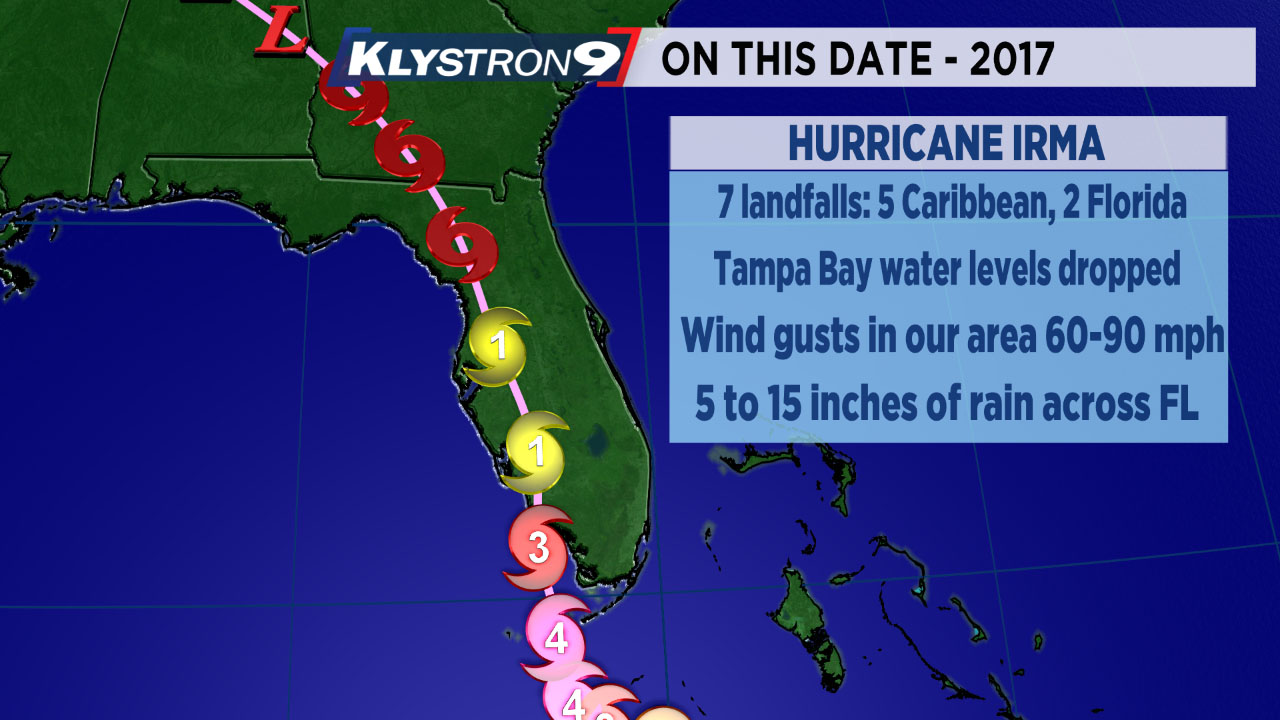
The direct impact period for most of Florida lasted through September 10th and into the early hours of September 11th, when Irma finally weakened to a tropical storm over Central Florida. The immediate aftermath revealed widespread destruction, particularly in the Florida Keys and along the Southwest Florida coast, leaving communities reeling and facing immense challenges for recovery.
Unprecedented Challenges for Florida’s Tourism and Hospitality Sector
The ripple effects of Hurricane Irma extended far beyond the immediate damage, significantly impacting Florida’s lifeblood: its tourism and hospitality industry. From luxury resorts to quaint bed-and-breakfasts, and from world-famous theme parks to hidden natural gems, every facet of the visitor experience faced an unprecedented test.
Immediate Impact on Hotels, Resorts, and Attractions
The closure of major airports and highways brought travel to a standstill. Hotels and resorts across the state, many of which are landmarks in their own right, had to manage emergency protocols. Properties in the direct path, especially in the Florida Keys, Naples, and Fort Myers, sustained significant structural damage. Some luxury resorts, like those in Key West or along Miami Beach, faced extensive water intrusion and wind damage, leading to prolonged closures for repairs.
For properties outside the immediate destruction zone, such as those in Orlando and Tampa, the primary challenge was managing cancellations and ensuring the safety of remaining guests and staff. Many hotels functioned as emergency shelters for evacuees, highlighting their critical role within the community beyond just providing accommodation. The shutdown of popular attractions, including theme parks and nature reserves like Everglades National Park, resulted in massive revenue losses and disruptions to countless vacation plans. The initial weeks post-Irma saw a dramatic drop in bookings and visitor numbers, signaling a long road ahead for recovery.
Disruptions to Travel and Accommodation
Travelers planning a Florida vacation in early September 2017 faced immediate and widespread disruptions. Airlines canceled thousands of flights, and cruise lines diverted or canceled sailings from Florida ports like Miami and Fort Lauderdale. Those already in the state had to navigate complex evacuation routes, often finding limited fuel and crowded roads.
Accommodation bookings were either canceled or drastically altered. For many, the dream of a relaxing beach vacation turned into a stressful search for safe shelter. The aftermath also presented challenges for long-term stays, as many properties required extensive renovations. Travel guides and online booking platforms shifted their focus from promoting attractions to providing essential safety information and updates on closures and re-openings. The experience underscored the importance of comprehensive travel insurance and flexible booking policies when planning trips to hurricane-prone regions.
The Human Element: Local Communities and Tourism Workers
Beyond the physical damage and economic losses, Hurricane Irma deeply impacted the individuals who form the backbone of Florida’s tourism industry. Hotel staff, restaurant workers, tour guides, and attraction employees faced job insecurity, displacement, and personal losses. Many lost their homes or had to evacuate, adding immense personal strain.
The recovery efforts became a testament to the resilience and camaraderie within Florida’s local communities. Volunteers and aid organizations, such as the American Red Cross and the Federal Emergency Management Agency, worked tirelessly alongside residents to provide assistance. The human element of the disaster emphasized that tourism is not just about destinations and amenities; it’s about the people who create and maintain the welcoming atmosphere that Florida is known for. Supporting local businesses and communities became a crucial aspect of responsible tourism in the recovery phase.
The Road to Recovery: Rebuilding Florida’s Iconic Destinations
The scale of destruction left by Hurricane Irma was immense, but so too was the resolve of Florida to rebuild and recover. The state, along with its private sector partners and countless volunteers, embarked on an ambitious journey to restore its infrastructure, revitalize its communities, and reclaim its status as a premier global destination.
Resilient Landmarks and Restored Attractions
In the immediate aftermath, some of Florida’s most famous places, from historic sites in St. Augustine to the pristine beaches of the Gulf Coast, bore scars. However, comprehensive cleanup and restoration efforts began almost immediately. Landmarks like the historic architecture in Key West and the natural beauty of state parks required significant investment and dedicated labor.
Within weeks, many major attractions, including Walt Disney World Resort, Universal Orlando Resort, and others in Central Florida, reopened their doors, signaling a powerful message of recovery and readiness. While the Florida Keys and Southwest Florida faced longer rebuilding timelines due to more extensive damage, a phased reopening strategy ensured that visitors could return to parts of these beloved regions as soon as they were safe and ready. The restoration efforts often focused not just on repairing but on enhancing, with many hotels and resorts undertaking major renovations that introduced new amenities and elevated guest experiences. This commitment to improvement helped demonstrate the long-term investment in Florida’s tourism future.
The Return of Travelers: Encouraging Tourism Growth
Encouraging travelers to return was a multifaceted effort. State tourism agencies like Visit Florida launched aggressive marketing campaigns, often leveraging real-time updates and success stories of reopening destinations. These campaigns aimed to reassure potential visitors that Florida was open for business and as vibrant as ever.
The hospitality industry played a crucial role, with hotels and accommodation providers offering special incentives and showcasing their newly renovated facilities. Reviews and comparison websites became important tools for travelers to gauge the readiness of destinations and specific properties. The gradual return of tourists was a vital sign of recovery, injecting much-needed revenue back into local economies and supporting the livelihoods of countless individuals. The influx of visitors post-Irma underscored the loyalty of Florida’s fan base and the enduring appeal of its diverse attractions, from its world-class beaches to its thrilling theme parks and unique natural landscapes.
Adapting for the Future: Preparedness and Sustainable Tourism
Lessons learned from Hurricane Irma significantly strengthened Florida’s approach to emergency preparedness and sustainable tourism. The experience led to improved communication protocols, enhanced evacuation strategies, and greater collaboration between state agencies, local governments, and the private sector. The emphasis shifted towards proactive measures, ensuring that the state could respond more effectively to future storm threats.
Many tourism businesses invested in more resilient infrastructure and implemented robust disaster recovery plans. There was also a renewed focus on environmental stewardship, recognizing that the natural beauty of Florida’s coastlines and ecosystems is its primary asset. This included initiatives for coastal restoration, coral reef protection in areas like the Florida Keys National Marine Sanctuary, and promoting ecotourism that respects and preserves the state’s delicate environments. The commitment to sustainable practices ensures that Florida remains an attractive destination for generations to come, balancing economic growth with ecological responsibility.
Planning Your Florida Escape: Navigating Future Hurricane Seasons
While Hurricane Irma was a severe event, it’s important to remember that such powerful storms are relatively rare. Florida remains an incredibly popular and safe destination for millions of travelers each year. However, understanding the hurricane season, which typically runs from June 1st to November 30th, is a crucial part of responsible travel planning for the region.
Essential Travel Tips for Florida Visitors
For those planning to visit Florida, especially during hurricane season, a few proactive steps can ensure a smoother and more secure trip:
- Stay Informed: Keep an eye on weather forecasts from reliable sources like the National Hurricane Center. Many hotels and resorts also provide direct updates to guests during potential weather events.
- Flexible Bookings: When booking flights, hotels, or vacation rentals, consider options with flexible cancellation or change policies. This can save significant stress and cost if plans need to be altered due to weather.
- Emergency Contact Information: Have a list of important phone numbers (hotel, airline, family contacts, emergency services) easily accessible, perhaps even on paper, in case of power outages or limited cell service.
- Pack Smart: Include essentials like a small first-aid kit, battery-powered chargers for electronics, and any necessary medications.
- Local Culture and Preparedness: Familiarize yourself with local emergency procedures in your chosen destination. Many communities have specific guides for visitors during hurricane season. Understanding the local culture of preparedness can help you feel more secure.
By integrating these tips into your travel planning, you can enjoy all that Florida has to offer with enhanced peace of mind. The state has invested heavily in robust infrastructure and sophisticated early warning systems, making it one of the most prepared regions for tropical weather.
Insuring Your Investment: Travel Protection and Peace of Mind
Perhaps the most significant lesson for travelers from events like Hurricane Irma is the invaluable role of travel insurance. A comprehensive travel insurance policy can protect your financial investment in your trip, covering unexpected events such as:
- Trip Cancellation/Interruption: If your trip is canceled or cut short due to a hurricane, this coverage can reimburse non-refundable expenses like flights and accommodations.
- Travel Delay: Coverage for additional expenses (e.g., extra nights in a hotel, meals) if your trip is delayed due to weather.
- Emergency Medical/Evacuation: Crucial if you require medical attention or evacuation due to an emergency while away from home.
- Baggage Loss/Delay: While not directly related to hurricanes, this is a useful component for any traveler.
When comparing travel insurance options, pay close attention to the fine print regarding “Acts of God” and hurricane-related clauses. Some policies require you to purchase coverage a certain number of days before a storm is named. Understanding these details ensures you select the best plan for your needs, providing an essential layer of security for your Florida adventure. With proper planning and appropriate protection, your focus can remain squarely on experiencing the diverse attractions, luxurious hotels, and unforgettable experiences that make Florida a top-tier destination year-round.
LifeOutOfTheBox is a participant in the Amazon Services LLC Associates Program, an affiliate advertising program designed to provide a means for sites to earn advertising fees by advertising and linking to Amazon.com. Amazon, the Amazon logo, AmazonSupply, and the AmazonSupply logo are trademarks of Amazon.com, Inc. or its affiliates. As an Amazon Associate we earn affiliate commissions from qualifying purchases.